We’ve all been there. Someone drops a literary reference at a dinner party, and you nod along knowingly, even though you’ve never cracked open that book. Maybe it’s sitting on your shelf collecting dust, or maybe you watched the movie adaptation and convinced yourself that counts. The truth is, certain books carry such cultural weight that admitting you haven’t read them feels like confessing to a crime.
Here’s the thing: you’re not alone. Studies show that a surprising number of people lie about their reading history, especially when it comes to the classics. Let’s be real about which books everyone claims to have read but probably haven’t. Be surprised by what made the list.
1984 by George Orwell
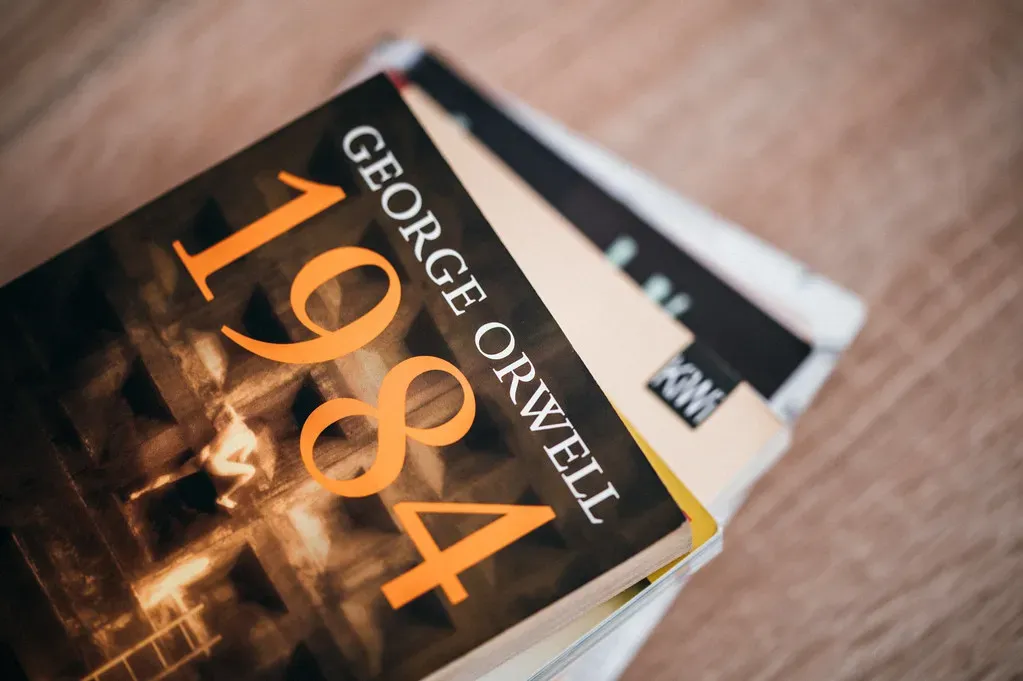
George Orwell’s dystopian masterpiece sits on nearly every “must-read” list, yet most people can barely get past the first few chapters. Sure, everyone knows about Big Brother and thought police, but ask them about Winston’s job at the Ministry of Truth and watch the confusion set in. The book’s themes of surveillance and totalitarianism make for great cocktail conversation, which is exactly why it’s so easy to fake.
People love throwing around terms like “Orwellian” without understanding the actual nuance of Orwell’s writing. The novel itself is dense, bleak, and requires serious attention. It’s much easier to absorb the general concept through cultural osmosis than to actually sit down and read about Winston’s slow psychological breakdown. Roughly half of readers who start this book never finish it, according to reading tracking apps.
The 1984 movie adaptation from the actual year 1984 doesn’t help matters. Many viewers assume they’ve got the gist after watching John Hurt on screen. But trust me, the book hits different. Still, admitting you haven’t read it feels like saying you don’t care about freedom or privacy.
Ulysses by James Joyce
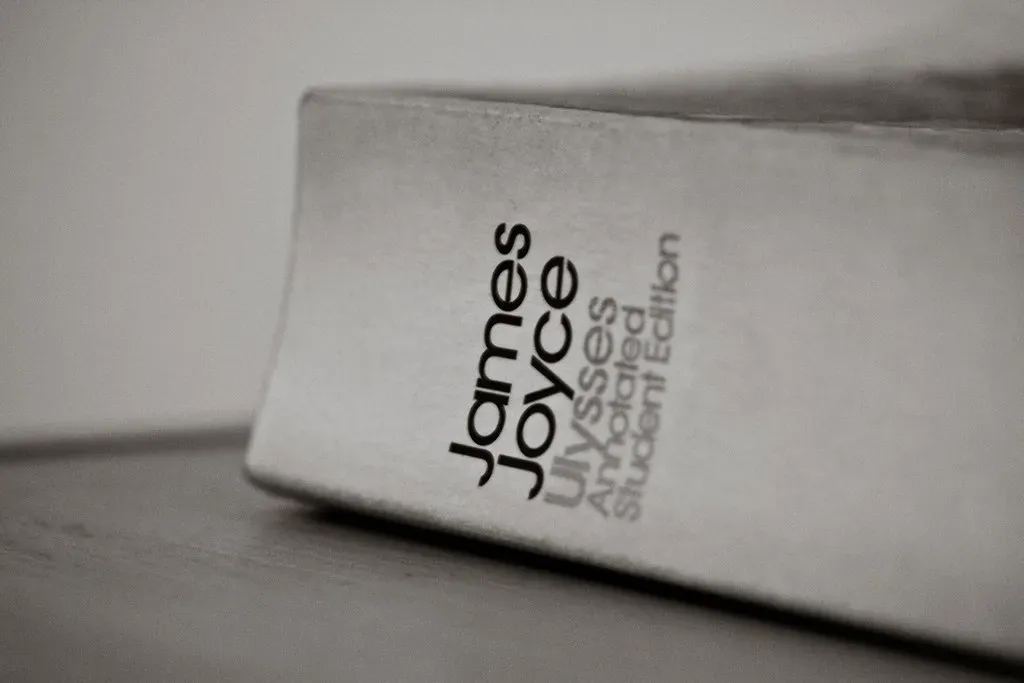
Let’s be honest: this is the ultimate literary bluff. Joyce’s modernist novel is famously difficult, stream-of-consciousness, and deliberately confusing. Even English professors joke about pretending to understand it. The book covers a single day in Dublin, yet it takes most people weeks or months to trudge through if they even attempt it.
What makes Ulysses perfect for faking is that nobody expects you to explain it in detail. The book’s reputation for complexity gives everyone a free pass. You can just say something vague about Joyce’s revolutionary narrative technique and everyone nods appreciatively. I’ve met countless people who own beautiful hardcover editions that have never been opened.
Reading groups frequently abandon this one after the first fifty pages. The lack of conventional plot, the experimental language, and the obscure references make it incredibly challenging. Yet claiming you’ve read Ulysses instantly boosts your intellectual credibility, which is precisely why so many people lie about it.
War and Peace by Leo Tolstoy
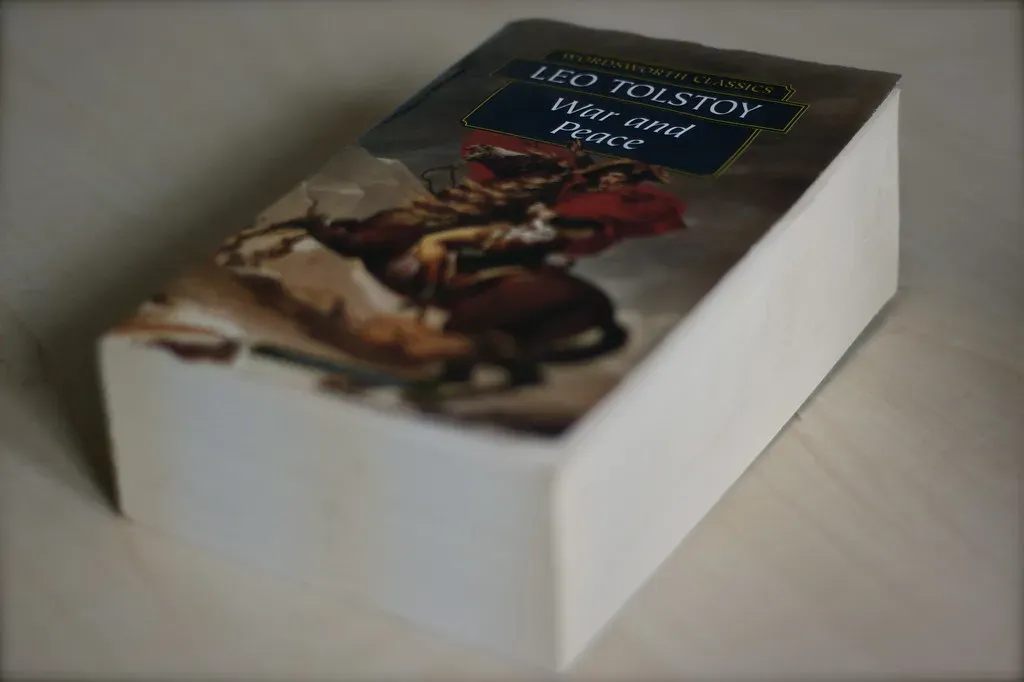
This Russian epic is long. Like, really long. We’re talking over 1,200 pages of dense prose covering Napoleon’s invasion of Russia and multiple interconnected families. The sheer size intimidates most readers before they even begin. What’s worse, Tolstoy frequently interrupts the narrative with philosophical essays about history and free will that make your eyes glaze over.
Many people know the basic story through film adaptations or simplified summaries. They can discuss Pierre, Natasha, and Prince Andrei without ever having read Tolstoy’s actual words. The book’s reputation as the greatest novel ever written makes it socially dangerous to admit you haven’t read it. So people nod along when it comes up, hoping nobody asks for details.
The vast majority of people who claim to have finished War and Peace are stretching the truth. Reading apps show an abandonment rate of about seventy percent. It requires serious commitment and patience. Most readers get lost in the dozens of characters and the French passages that appear without translation.
Moby-Dick by Herman Melville
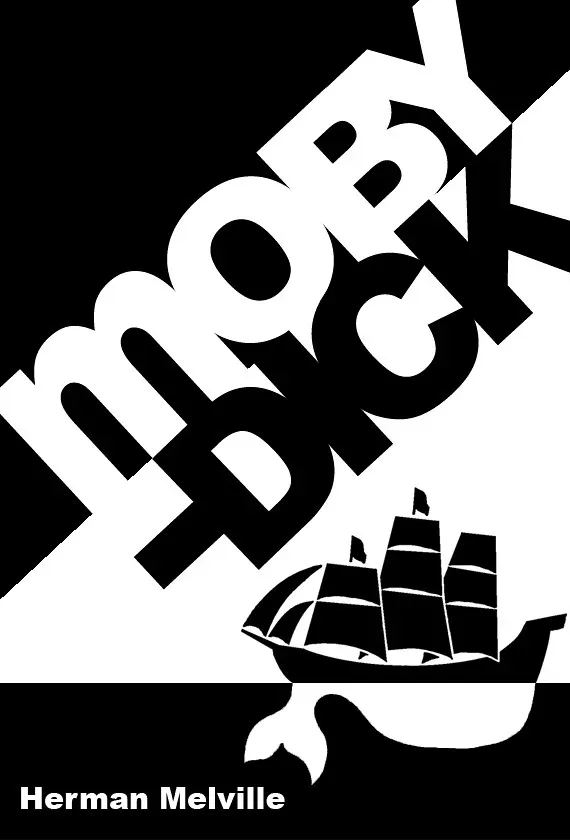
Everyone knows about Captain Ahab and the white whale, but few have actually endured Melville’s encyclopedic whale-hunting manual disguised as a novel. The book contains entire chapters devoted to cetology, the classification and biology of whales, that have nothing to do with the plot. It’s literary, sure, but it’s also incredibly tedious in parts.
Here’s what happens: people read the exciting beginning, get bogged down in the technical chapters about rope-making and whale anatomy, then skip to the dramatic ending. They convince themselves that counts as reading it. The cultural knowledge of the basic story is so widespread that you can fake it easily at any book club.
Melville’s prose style is archaic and challenging for modern readers. The book was considered a commercial failure in his lifetime for good reason. It’s difficult, meandering, and obsessive. Yet its status as an American literary monument means admitting you haven’t read it feels like cultural ignorance.
The Odyssey by Homer
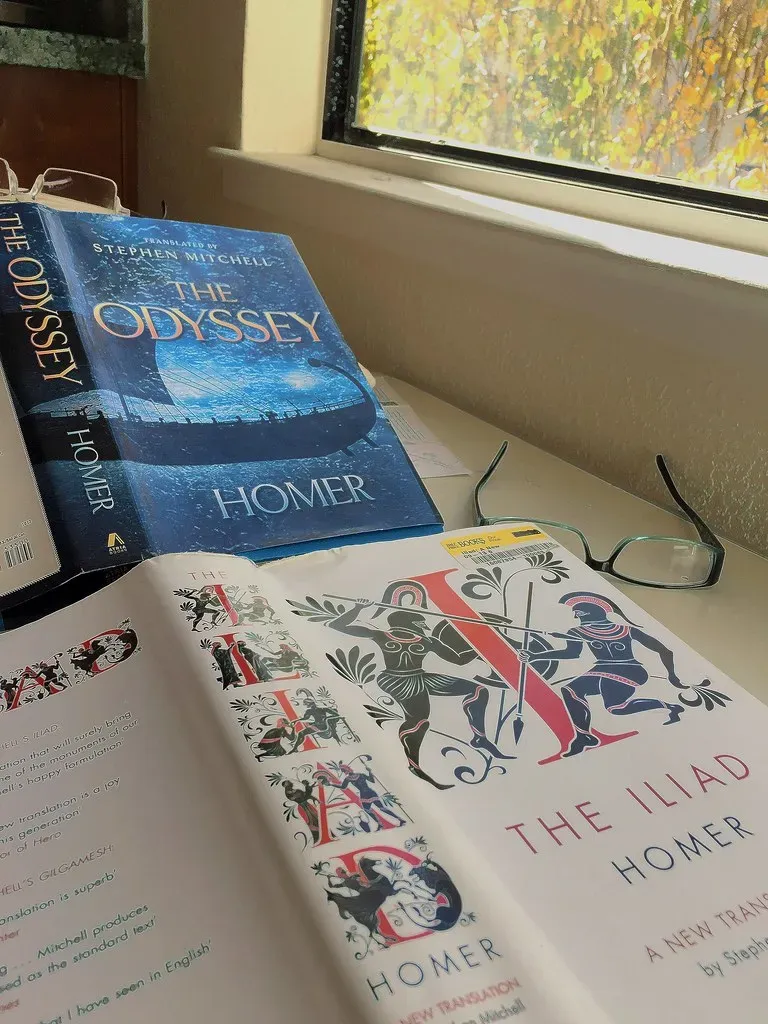
Ancient Greek epics sound impressive on a resume, and The Odyssey is probably the most name-dropped. The problem? Most editions run 400 pages of poetry that was originally meant to be sung, not read silently. The constant epithets (rosy-fingered dawn, wine-dark sea) and repetitive structure make it feel longer than it actually is.
Nearly everyone knows the basic plot: Odysseus tries to get home after the Trojan War, faces monsters and gods, and his wife Penelope fends off suitors. You can glean all of this from a five-minute Wikipedia summary. The cultural references to Cyclops, Sirens, and Scylla are so embedded in our collective consciousness that you don’t need to read Homer’s actual words.
High school English classes often assign excerpts rather than the full text, giving students just enough knowledge to fake it later. The truth is, reading ancient poetry in translation requires a specific mindset that most modern readers simply don’t have. We’re too used to fast-paced narratives and psychological realism.
Infinite Jest by David Foster Wallace
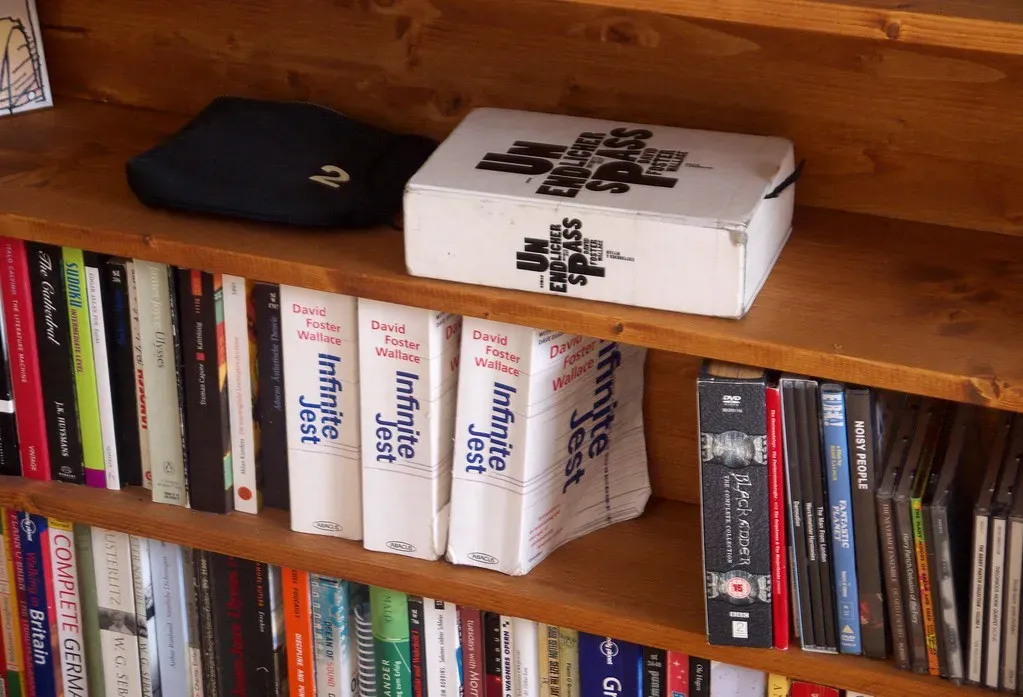
This postmodern monster weighs in at over 1,000 pages plus hundreds of endnotes that you’re supposed to flip back and forth to read. It’s deliberately challenging, self-referential, and utterly exhausting. Wallace created a cult following of readers who wear finishing this book like a badge of honor, which puts immense pressure on everyone else to pretend they’ve done it too.
The novel jumps between different timelines, features dozens of characters, and includes lengthy passages about tennis, addiction, and entertainment. There’s no conventional plot to follow. Many readers make it a couple hundred pages in, get confused, and quietly abandon it. Then they lie about finishing it because admitting defeat feels like intellectual failure.
I know it sounds crazy, but some people buy this book purely as a coffee table prop. The distinctive cover and sheer size make it a conversation starter. Saying you’re “working through Infinite Jest” gives you literary credibility without requiring you to actually finish the thing. It’s hard to say for sure, but I’d estimate fewer than twenty percent of people who start this book actually complete it.
The Great Gatsby by F. Scott Fitzgerald
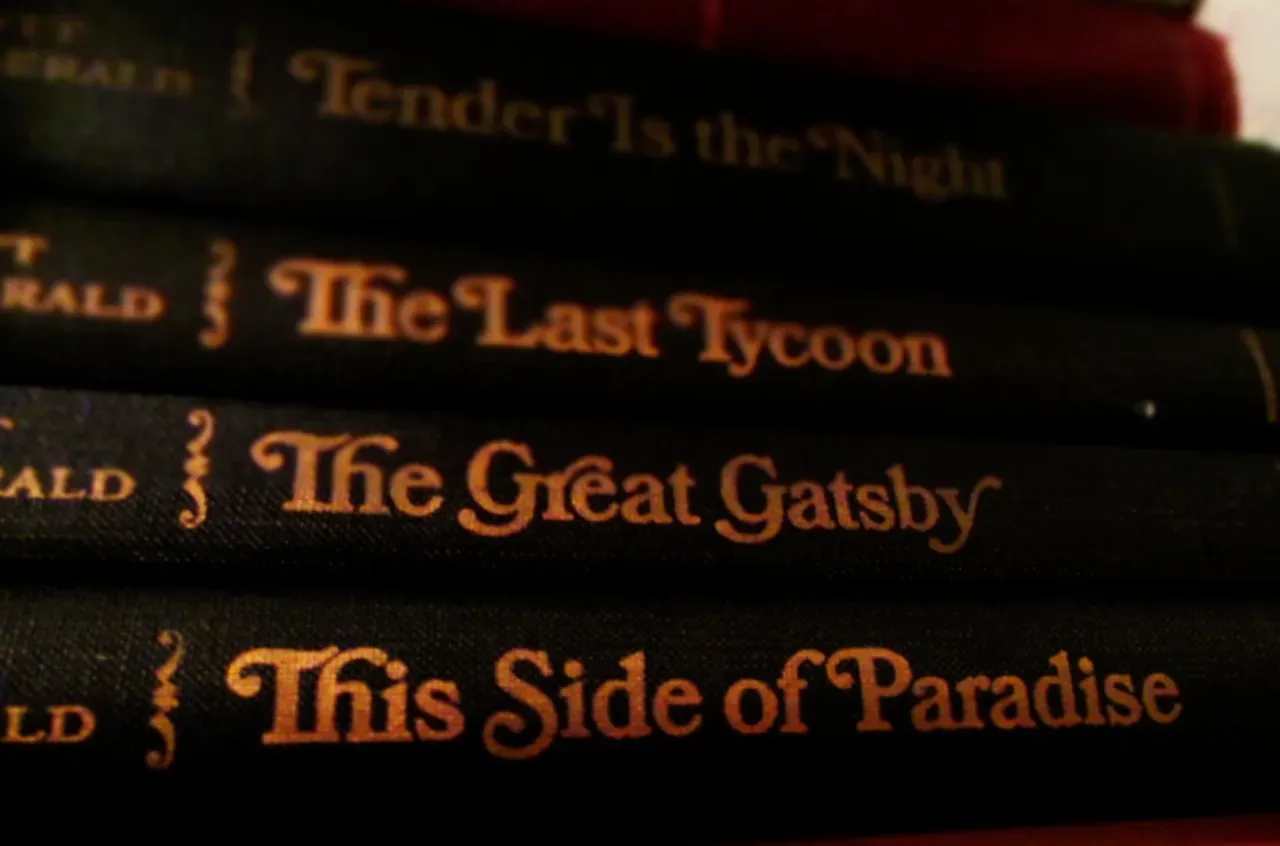
This one surprises people because it’s actually quite short and readable compared to others on this list. The problem is that nearly everyone was forced to read it in high school, and many of them didn’t actually do it. They watched the movie, read SparkNotes, or winged it through class discussions. Years later, they claim they’ve read it because technically it was assigned.
The story of Jay Gatsby and his obsession with Daisy Buchanan is deeply embedded in American culture. References to the green light, lavish parties, and the American Dream are everywhere. You can discuss the book’s themes without remembering specific plot details or Fitzgerald’s actual prose. It’s the perfect book to pretend you’ve read because everyone assumes you did it in school.
Leonardo DiCaprio’s 2013 film adaptation gave a whole new generation of fake readers fresh material to work with. They can describe the mansion, the parties, and the tragic ending without ever opening Fitzgerald’s novel. The book itself is beautifully written and genuinely worth reading, but most people take the shortcut.
Conclusion

The pressure to appear well-read is real, and these books represent the greatest hits of literary bluffing. They’re all genuinely important works that have shaped literature and culture, which is precisely why people feel compelled to lie about them. The truth is that reading should be about enjoyment and genuine engagement, not social performance or intellectual posturing.
Maybe it’s time we all got honest about what we’ve actually read and what we’ve only pretended to finish. There’s no shame in admitting that you couldn’t get through Ulysses or that you found Moby-Dick boring. Life’s too short to force yourself through books you’re not enjoying just to impress others. What book have you been pretending to have read? Tell us in the comments.