There’s something magical about the right book finding you at exactly the right moment. Maybe it’s a story that makes you laugh until your sides hurt, or one that changes how you see the world entirely. Books have this uncanny ability to become our companions, our teachers, and sometimes even our therapists.
I’ve always believed that certain books have the power to shape who we become. They challenge our perspectives, validate our experiences, and introduce us to lives we might never otherwise encounter. Whether you’re curled up in a cozy corner in Henderson or lounging poolside at a Las Vegas resort, these literary gems deserve a spot on your reading list. Let’s explore the books that every woman should experience at least once.
The Awakening by Kate Chopin

This 1899 novel was so scandalous when it first came out that it practically ended Chopin’s career. The story follows Edna Pontellier, a woman who dares to want more than what society has prescribed for her. She’s married, she’s a mother, but she’s also suffocating under the weight of expectations.
What makes this book remarkable is how raw and honest it feels, even over a century later. Edna’s journey toward self-discovery isn’t pretty or tied up with a bow. It’s messy and complicated, just like real life. The way Chopin captures that restless feeling of wanting something you can’t quite name resonates deeply.
Reading this book feels like having a conversation with a friend who finally says what you’ve been thinking all along. It’s short enough to finish in a weekend but powerful enough to stay with you for years.
The Color Purple by Alice Walker

Alice Walker’s masterpiece takes you through the American South in the early twentieth century, following Celie as she navigates unimaginable hardship. Written as a series of letters, this book pulls you directly into Celie’s world, her pain, and eventually, her triumph.
The relationships between women in this novel are what make it truly special. The bond between Celie and Shug Avery shows how female friendship can literally save lives. It’s about finding your voice when the world has spent years trying to silence you.
Walker doesn’t shy away from difficult topics. This book confronts abuse, racism, and poverty head-on. Yet somehow, it’s also filled with moments of pure joy and redemption. The transformation Celie undergoes throughout the story is nothing short of breathtaking.
Wild by Cheryl Strayed


Sometimes you need to read about someone who’s completely lost finding their way back. Strayed’s memoir chronicles her solo hike along the Pacific Crest Trail after her life fell apart following her mother’s death. She had no real hiking experience, terrible boots, and a backpack she nicknamed “Monster.”
What I love about this book is how honest Strayed is about her mistakes. She doesn’t paint herself as some perfect heroine. She’s flawed, grieving, and often making questionable decisions. That vulnerability makes her journey all the more inspiring.
The physical journey mirrors her emotional one beautifully. As she walks those grueling miles, she’s also processing grief, regret, and ultimately finding a way to forgive herself. It’s the kind of book that makes you want to lace up your hiking boots and hit the trail yourself.
Bad Feminist by Roxane Gay

Roxane Gay’s essay collection is like sitting down with the smartest, funniest friend you have and talking about everything from reality TV to sexual assault. She coins herself a “bad feminist” because she likes pink and romantic comedies while also caring deeply about women’s rights and social justice.
These essays cover a massive range of topics. Gay writes about her love for competitive Scrabble, dissects Fifty Shades of Grey, and tackles serious issues like violence against women. Her voice is sharp, witty, and refreshingly honest about the contradictions we all live with.
What makes this book essential is how it normalizes the complexity of being a modern woman. You don’t have to be perfect or have all the right opinions. Gay shows that feminism can be messy, personal, and still incredibly important.
The Handmaid’s Tale by Margaret Atwood

Atwood’s dystopian novel feels uncomfortably relevant no matter when you read it. Set in the Republic of Gilead, a totalitarian society where women have been stripped of all rights, the story follows Offred as she navigates this nightmarish world. Her identity is literally reduced to whose property she is.
The brilliance of this book lies in how Atwood constructed it from real historical events. Everything that happens in Gilead has happened somewhere, at some time in human history. That makes it terrifying in a way that pure fantasy never could be.
Offred’s quiet rebellion and her determination to hold onto her memories and identity make her an unforgettable character. This book serves as both a warning and a reminder of how fragile our rights can be.
Educated by Tara Westover


Tara Westover grew up in rural Idaho with survivalist parents who didn’t believe in formal education or modern medicine. She didn’t step foot in a classroom until she was seventeen. Her memoir chronicles her journey from that isolated mountain to earning a PhD from Cambridge University.
The transformation she undergoes is staggering. Westover writes about the painful process of education not just as academic learning, but as learning to see the world and herself differently. She grapples with loyalty to family versus loyalty to truth and personal growth.
What struck me most was her struggle with self-doubt. Even as she excelled academically, she questioned whether she belonged, whether she was smart enough. That imposter syndrome so many women experience comes through powerfully in her story. Her courage to choose her own path despite enormous pressure makes this a truly inspiring read.
The Bell Jar by Sylvia Plath

Plath’s only novel follows Esther Greenwood, a talented young woman who appears to have everything going for her. She’s in New York City for a prestigious magazine internship, but internally, she’s falling apart. The bell jar of the title represents the suffocating depression that descends over her life.
This book captures mental illness with a clarity that was revolutionary when it was published in 1963. Plath doesn’t romanticize depression. She shows it as the confusing, terrifying experience it truly is. Esther’s struggle to find herself and meaning in her life resonates across generations.
The societal expectations placed on women in the 1950s add another layer to Esther’s crisis. She sees the paths available to her and finds none of them satisfying. Plath’s prose is both beautiful and devastating, making this a challenging but essential read.
Little Women by Louisa May Alcott

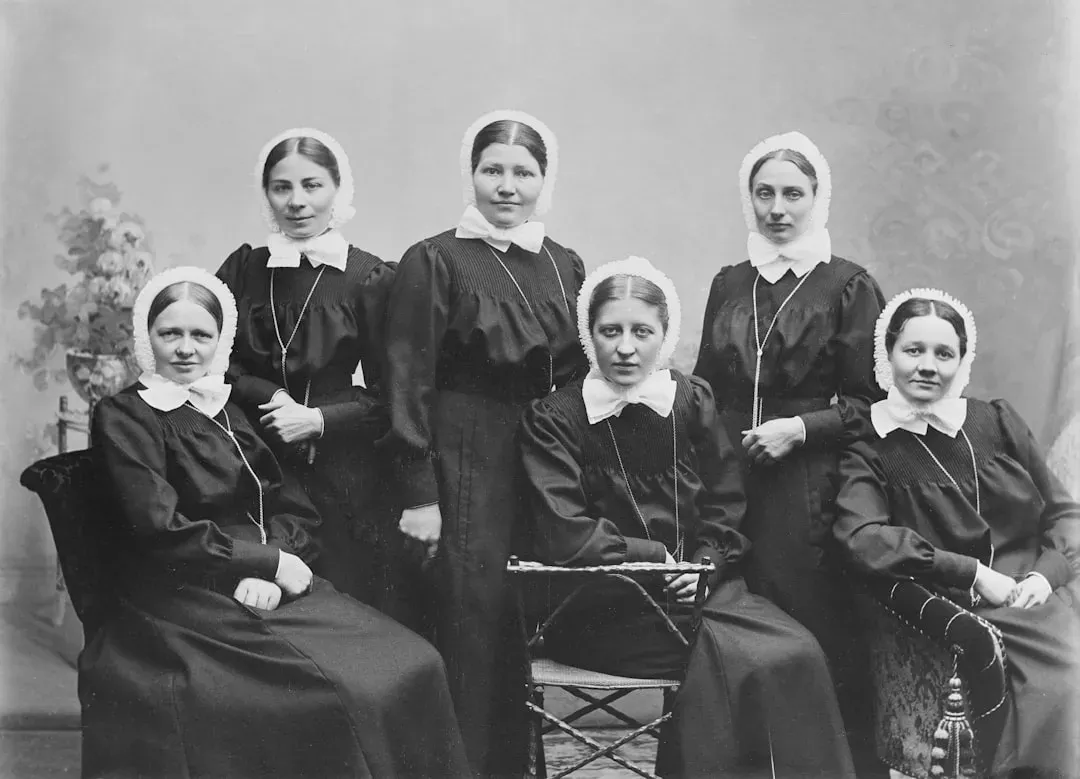
Yes, it’s a classic from 1868, but the March sisters feel surprisingly modern. Jo March especially has become an icon for women who refuse to fit into neat boxes. She’s ambitious, she’s stubborn, and she wants to write instead of getting married and having babies.
Each sister represents a different path a woman might take. Meg embraces domesticity, Jo pursues her art, Beth finds fulfillment in helping others, and Amy is determined to marry well and create beauty. What’s remarkable is how Alcott validates all these choices without judgment.
The relationship between the sisters is the heart of the book. They fight, they support each other, they grow apart and come back together. It’s a beautiful portrayal of female friendship and family bonds. Reading it as an adult hits differently than it did in childhood, offering new layers of meaning each time.
Know My Name by Chanel Miller
Chanel Miller was known to the world as “Emily Doe” for years after she was sexually assaulted behind a dumpster at Stanford University. Her victim impact statement went viral, but her identity remained hidden. This memoir is her reclaiming her story and her name.
Miller writes with incredible grace about an experience that was anything but graceful. She details not just the assault but the brutal court process that followed, where she felt like she was on trial instead of her attacker. Her strength in the face of such injustice is remarkable.
What makes this book powerful is how Miller refuses to be defined solely by what happened to her. She’s an artist, a sister, a daughter, a fully realized person who had something terrible happen to her. Her journey toward healing and finding herself again is both heartbreaking and ultimately hopeful.
Conclusion
These books represent different eras, cultures, and perspectives, but they all share something essential. They center women’s experiences, amplify women’s voices, and challenge us to think differently about ourselves and the world around us. Some will make you laugh, others will break your heart, and a few might even change how you see your own life.
The beauty of a truly great book is that it meets you where you are. What resonates deeply at twenty might mean something entirely different at forty. That’s why these books are worth returning to at different stages of life. They grow with you, revealing new layers each time.
Which of these speaks to you right now? Maybe start there and see where the journey takes you. What are your thoughts on this list – any essential additions we should all know about?