You know that feeling when you finish a book and suddenly realize you’ve learned something profound without even trying? It’s not like those dry textbooks from school or those “self-help” guides that feel like homework. I’m talking about books that sneak knowledge into your brain while you’re just enjoying a good story or getting lost in someone’s wild life.
The best kind of learning happens when you don’t even notice it’s happening. These books don’t lecture you or preach. They just pull you in with great writing, fascinating characters, or mind-bending ideas. Before you know it, you’re thinking differently about the world.
Let me walk you through some books that do exactly this. Trust me, you won’t feel like you’re studying. So let’s dive in.
The Subtle Art of Not Giving a F*ck by Mark Manson
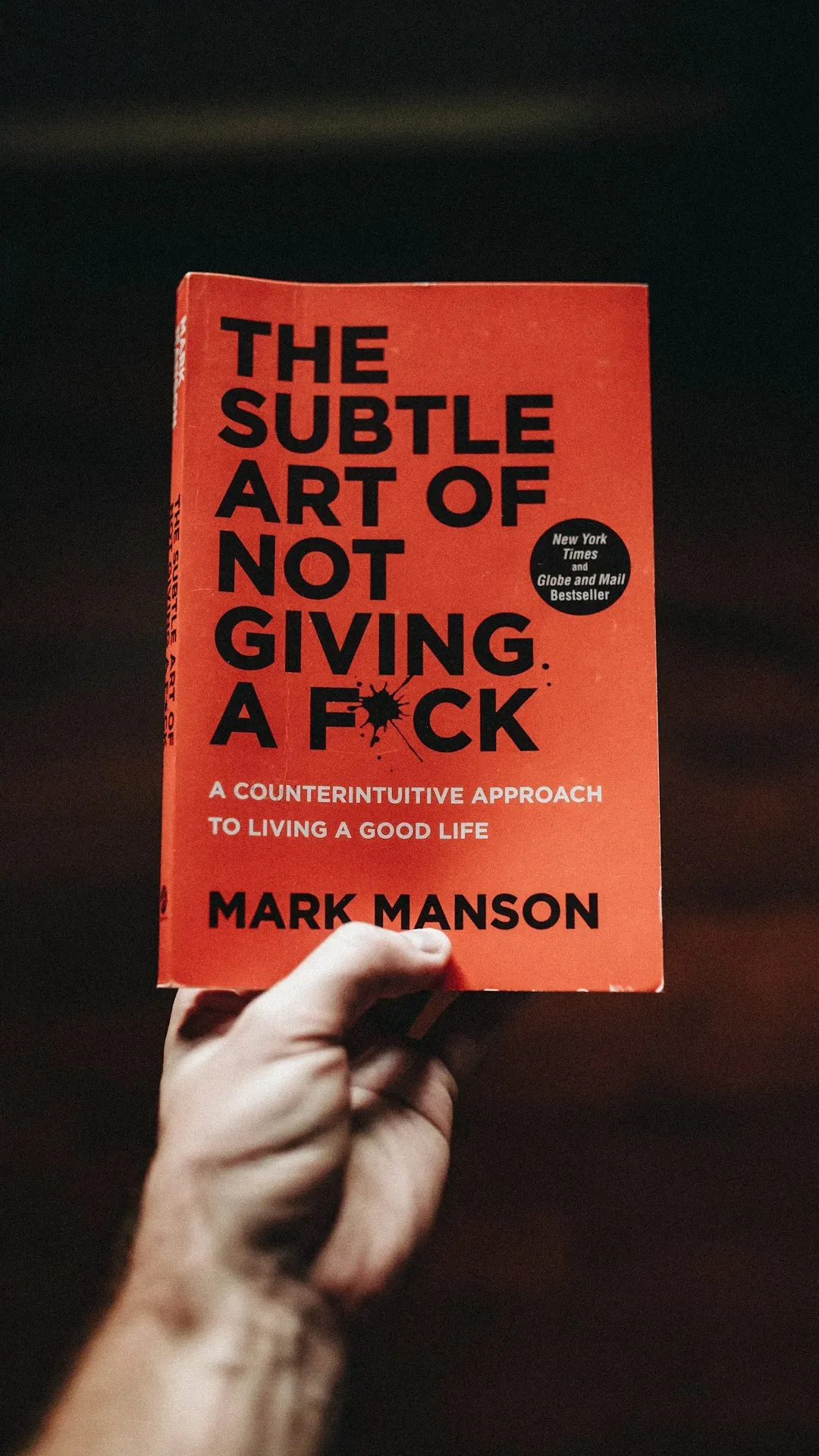
This one hit different when it came out. Mark Manson basically said everything we were all thinking but were too polite to say out loud. The whole premise is that we worry about way too much nonsense, and we need to be selective about what actually matters.
What makes this book brilliant is how it teaches you about values and priorities without feeling preachy. Manson uses stories from his own messy life and doesn’t pretend to have all the answers. You finish the book and realize you’ve accidentally learned a whole philosophy about living better.
It’s funny, raw, and honest. You think you’re just reading some guy’s opinions, but you’re actually rewiring how you think about success and happiness.
Sapiens by Yuval Noah Harari
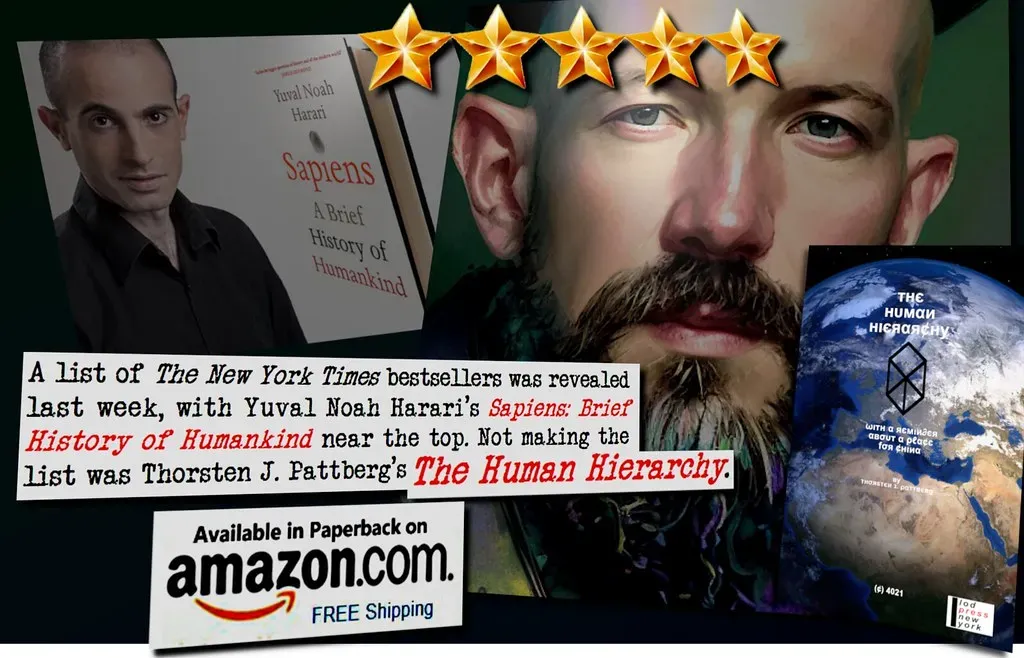
Here’s the thing about Sapiens. It’s technically a history book about human evolution, but it reads like the most fascinating conversation you’ve ever had. Harari takes you from ancient hunter-gatherers to modern societies, and somewhere along the way, you start questioning everything you thought you knew.
The genius is in how he presents big ideas through simple stories. You’re learning about agriculture, religion, capitalism, and empires, but it never feels like a lecture. Instead, you’re constantly going “Wait, what? Really?”
I know it sounds crazy, but this book teaches you anthropology, sociology, philosophy, and economics all at once. You just don’t realize it until you’re done and suddenly spouting off facts about the Cognitive Revolution at dinner parties.
Educated by Tara Westover
This memoir knocked me sideways. Tara Westover grew up in a survivalist family in Idaho, never went to school, and somehow ended up with a PhD from Cambridge. The story alone is gripping enough to keep you reading through the night.
But what you don’t expect is how much you’ll learn about education, family dynamics, mental health, and the power of knowledge. Westover doesn’t try to teach you anything. She just tells her story with brutal honesty.
You come away understanding things about resilience, the importance of critical thinking, and how education can literally transform a life. It’s heavy stuff disguised as a page-turner.
Freakonomics by Steven Levitt and Stephen Dubner
Let’s be real, economics sounds boring as hell. But Freakonomics makes it fascinating by asking weird questions nobody else thinks to ask. Like, what do schoolteachers and sumo wrestlers have in common? Or how did a guy selling bagels teach us about honesty?
The book teaches you to think like an economist without ever feeling like a textbook. You start seeing incentives everywhere, questioning conventional wisdom, and understanding how data can reveal surprising truths.
It’s hard to say for sure, but I think this book changed how a whole generation thinks about cause and effect. You’re just entertained by strange stories, then boom, you’re thinking critically about everything around you.
The Immortal Life of Henrietta Lacks by Rebecca Skloot
This one is incredible. It’s the story of a Black woman whose cancer cells were taken without her knowledge in 1951 and became one of the most important tools in medicine. Those cells are still alive today, used in countless medical breakthroughs.
Skloot weaves together science, history, ethics, and human drama so seamlessly you forget you’re learning. You’re absorbed in Henrietta’s story and her family’s struggle, but you’re also getting a crash course in medical ethics, racial injustice, and cellular biology.
The vast majority of readers had no idea about HeLa cells before this book. Now they know about informed consent, scientific racism, and how one woman’s cells changed medicine forever. All without feeling like homework.
Thinking, Fast and Slow by Daniel Kahneman
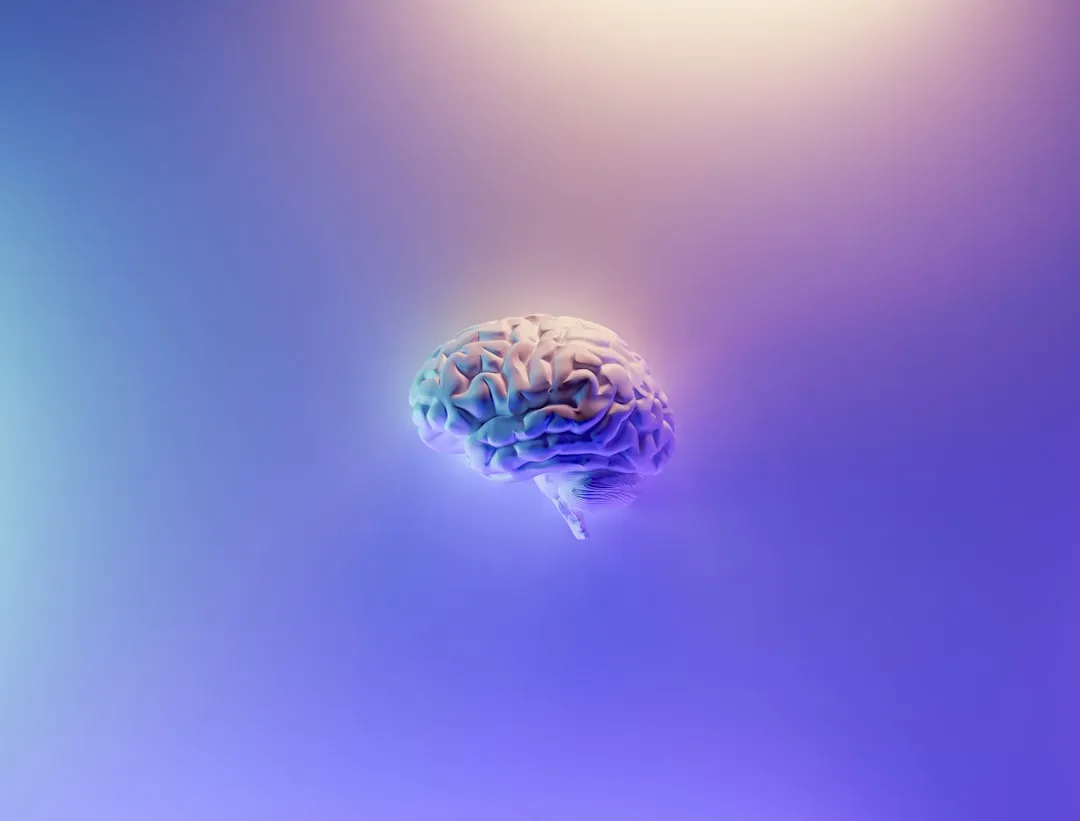
Okay, I’ll admit this one gets a bit dense at times. But stick with it, because Kahneman is basically explaining how your brain works and why you make terrible decisions sometimes. He won a Nobel Prize for this stuff, and he’s explaining it to regular people.
The book breaks down two systems in your brain – the fast, intuitive one and the slow, logical one. Through experiments and examples, you start recognizing your own mental shortcuts and biases. You’re learning cognitive psychology without even trying.
After reading this, you’ll catch yourself saying “That’s System 1 thinking” in everyday life. It’s like getting a user manual for your own brain.
The Devil in the White City by Erik Larson
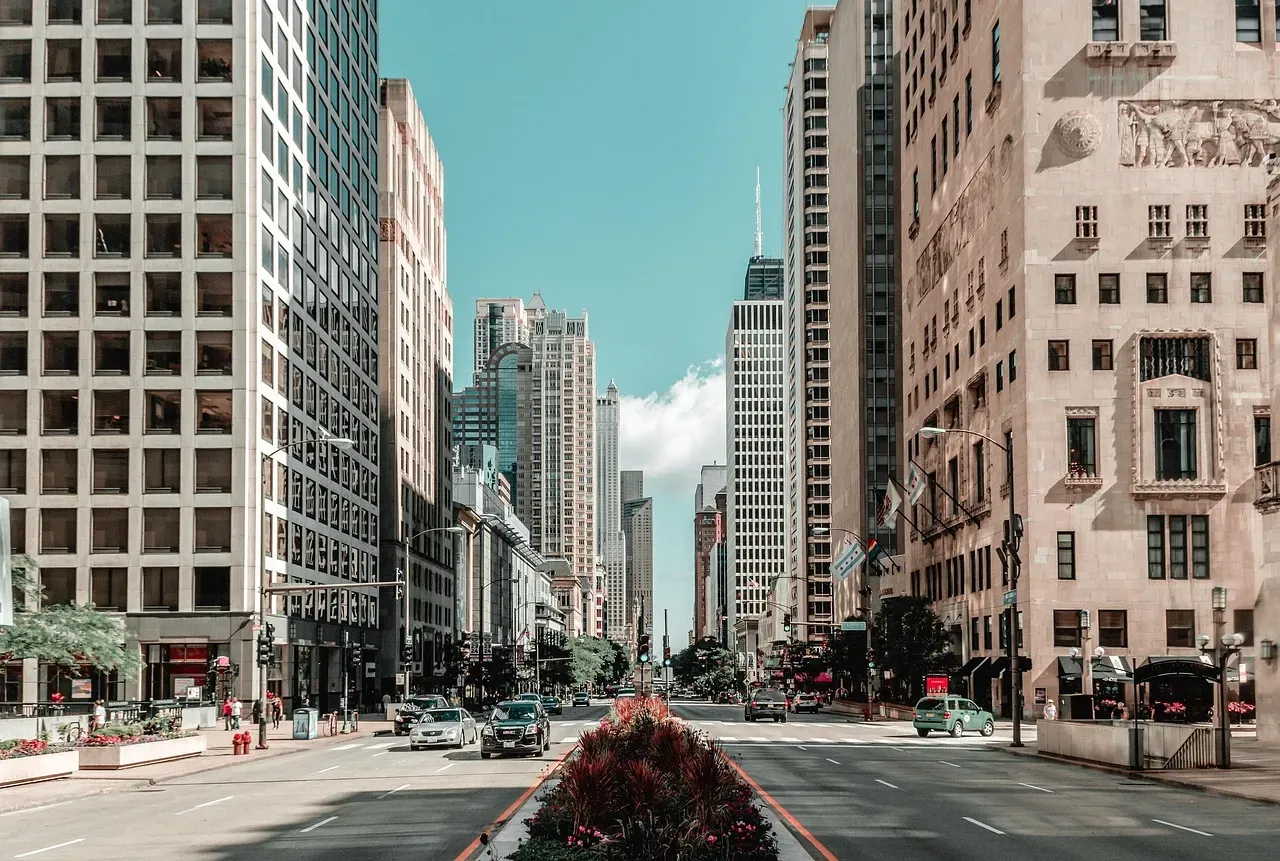
This book is wild. It tells two parallel stories from 1893 Chicago – the creation of the World’s Fair and a serial killer who used the fair to lure victims. You pick it up thinking it’s true crime, and suddenly you’re learning about architecture, urban planning, and Gilded Age America.
Larson is a master at making history feel alive. You’re so caught up in the drama that you don’t realize you’re getting educated about engineering marvels, Chicago’s development, and the dark side of progress.
It reads like a thriller but teaches like a documentary. You finish it knowing way more about turn-of-the-century America than you ever expected.
Born a Crime by Trevor Noah
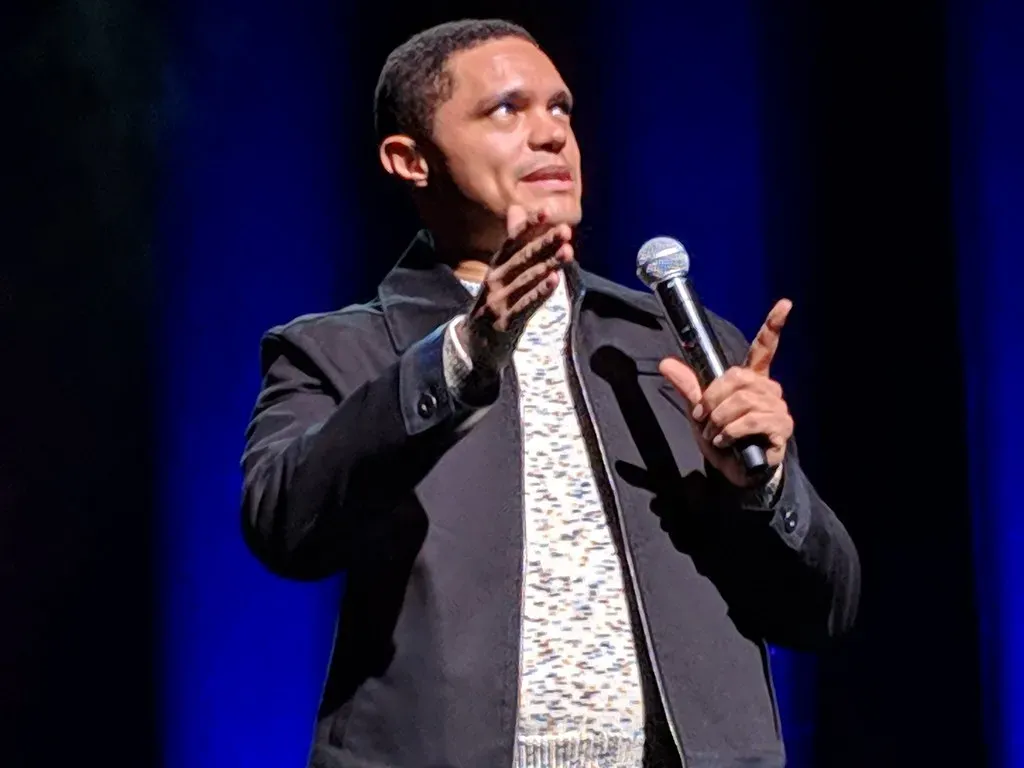
Trevor Noah’s memoir about growing up in apartheid South Africa is both hilarious and heartbreaking. You think you’re just reading funny stories about his childhood, but you’re actually learning about apartheid, racial identity, and survival.
What makes this special is Noah’s storytelling. He doesn’t lecture about South African history or racism. He just tells his story with humor and honesty, and the education happens naturally.
You come away understanding apartheid better than any history class could teach you. Plus, you learn about language, culture, and resilience through the eyes of someone who lived it.
Atomic Habits by James Clear
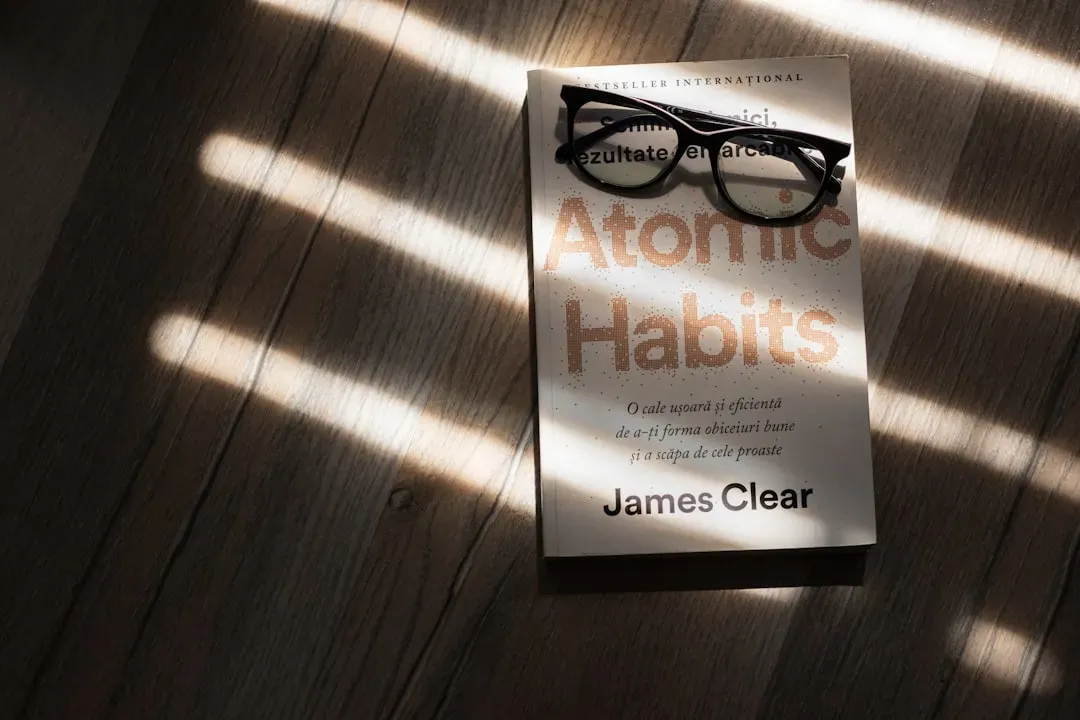
Here’s another one that could have been preachy but isn’t. Clear breaks down the science of habit formation in a way that actually makes sense. You’re learning behavioral psychology, but it feels more like getting practical advice from a smart friend.
The book is packed with real examples and actionable strategies. You’re not memorizing theories, you’re understanding why you do what you do and how to change it. The lessons stick because they’re tied to concrete examples.
Roughly about half the readers actually implement something from this book, which is pretty rare for self-improvement stuff. That’s because Clear teaches without feeling like he’s teaching.
The Books That Stay With You
These books because they respect your intelligence. They don’t talk down to you or force-feed information. Instead, they pull you in with great storytelling, fascinating ideas, or compelling arguments. The learning is a side effect of being fully engaged.
The best education doesn’t feel like education at all. It feels like discovery, like you’re figuring things out alongside the author rather than being lectured at. These books trust you to draw your own conclusions and make your own connections.
That’s the magic of books that teach without trying. You close the cover and realize you see the world a little differently now. What books have taught you the most without feeling like work? Tell us in the comments.