You know that feeling when a story gets under your skin? When you finish the last page and just sit there, staring at nothing, feeling like someone reached into your chest and rearranged everything? That’s the kind of emotional devastation we’re talking about here. These books don’t just make you cry. They change something in you, leave you raw and somehow grateful for it.
Some stories are meant to wreck us. They pull us apart gently, piece by piece, until we’re left vulnerable and open in ways we didn’t expect. The beautiful part? That’s exactly what makes them unforgettable. Let’s dive into the books that will absolutely destroy you, in the most beautiful way possible.
A Little Life by Hanya Yanagihara

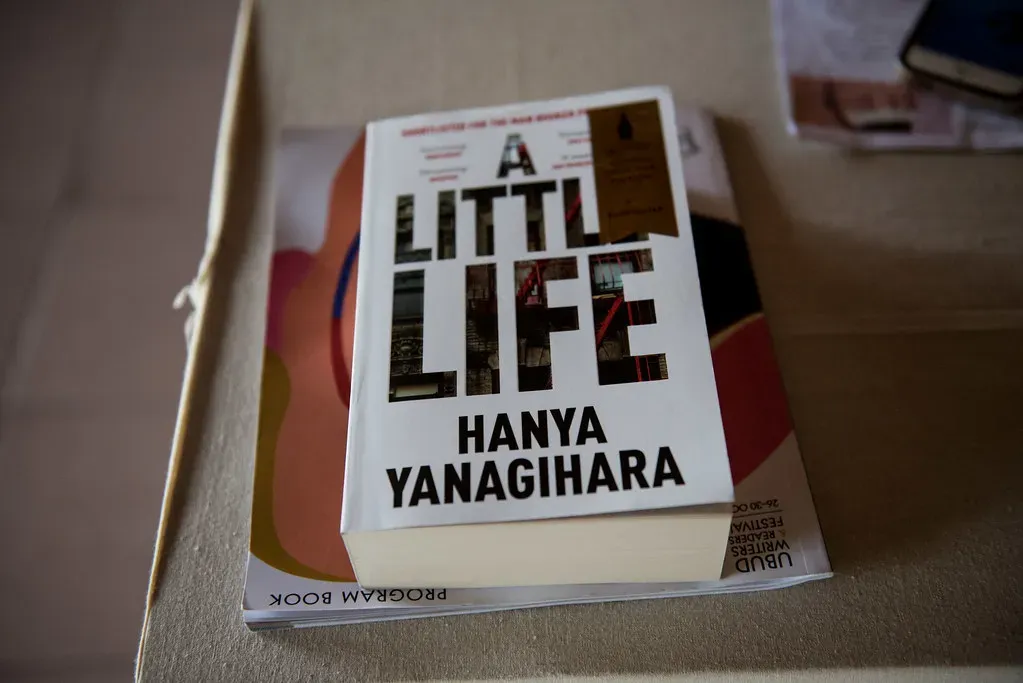
This one doesn’t mess around. It follows four college friends in New York City, but mostly focuses on Jude, a man carrying trauma so deep it feels like an ocean. Yanagihara writes about friendship, love, and survival with such raw intensity that you’ll need breaks just to breathe.
The book is nearly 750 pages of emotional punishment. Yet readers keep coming back to it, recommending it despite knowing the damage it causes. There’s something about watching characters love each other so fiercely, despite everything trying to tear them down.
It’s not an easy read. Honestly, it might be one of the hardest books you’ll ever finish. But the way it explores human connection and the possibility of healing makes every painful page worth it.
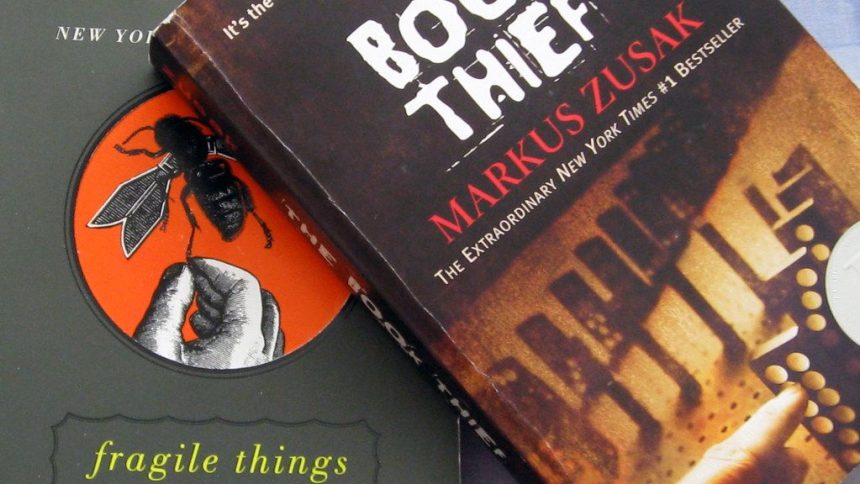
The Book Thief by Markus Zusak

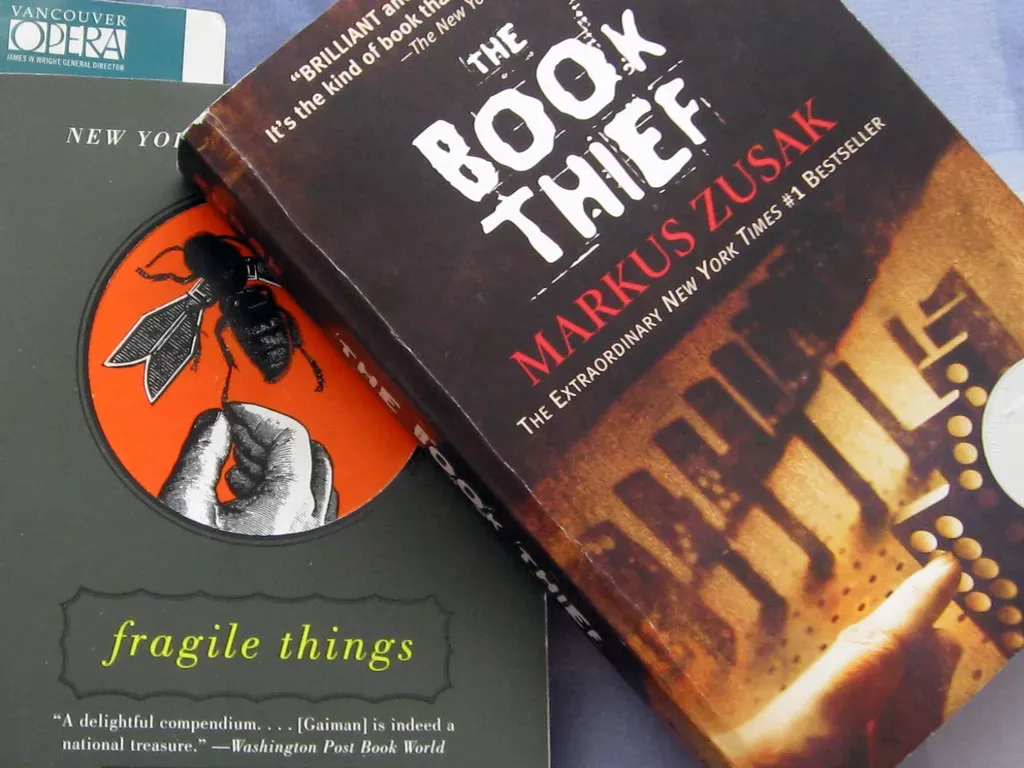
Death narrates this story. Yes, actual Death, and he’s surprisingly compassionate about it. Set in Nazi Germany, it follows Liesel, a young girl living with foster parents who discovers the power of words during humanity’s darkest hours.
What makes this book devastating is its gentleness. Zusak doesn’t rely on graphic violence to break you. Instead, he shows you small moments of kindness in a world falling apart, and somehow that hurts more.
The relationships Liesel builds, especially with her accordion-playing foster father and the Jewish man hiding in their basement, will absolutely wreck you. You know how it ends before you start. Death tells you. You read anyway, hoping you’re wrong.
Me Before You by Jojo Moyes


Lou Clark takes a job caring for Will Traynor, a quadriplegic man who used to live a wildly adventurous life. It sounds like it could be predictable, maybe even a bit formulaic. It’s not.
Moyes writes about dignity, choice, and love in a way that challenges everything you think you believe. The chemistry between Lou and Will feels so real, so lived-in, that you forget you’re reading fiction. Their banter, their growing affection, it all builds to something you see coming but desperately want to avoid.
This book sparked massive debate about its ending. People have strong opinions. But regardless of where you land on that discussion, you’ll finish this one with tears streaming down your face.
The Kite Runner by Khaled Hosseini


Afghanistan before the wars, seen through the eyes of Amir, a privileged boy and his best friend Hassan, the son of their family’s servant. What starts as a coming-of-age story becomes something far more complex about betrayal, guilt, and redemption.
Hosseini doesn’t let his characters off easy. The choices they make have consequences that ripple through decades. There’s a scene early in the book that readers never forget, something so painful it colors everything that comes after.
The beauty here is in Amir’s journey back, his attempt to somehow make things right when it seems impossible. It’s about confronting the worst parts of yourself and still trying to be better. That combination of cultural richness and universal human struggle makes it unforgettable.
All the Bright Places by Jennifer Niven

Theodore Finch is fascinated by death. Violet Markey is counting down the days until she can escape her Indiana town. They meet on the ledge of their school’s bell tower, and somehow they save each other, at least for a while.
This book handles mental illness with a tenderness that feels rare. Niven doesn’t romanticize Finch’s struggles, but she doesn’t make them the whole story either. The relationship between Finch and Violet feels genuine, messy, and deeply affecting.
Young adult fiction sometimes gets dismissed, but this one punches well above its category. It captures that specific pain of watching someone you love struggle with something you can’t fix, no matter how hard you try.
The Fault in Our Stars by John Green

Yes, it became a cultural phenomenon. Yes, everyone and their mother cried over it. That doesn’t make it any less effective. Hazel and Augustus meet at a cancer support group and fall into the kind of love that’s both ordinary and extraordinary.
Green writes teenage dialogue better than almost anyone. His characters are smart, funny, and dealing with the most unfair circumstances imaginable. They make jokes about their oxygen tanks and contemplate infinity and fall in love despite knowing how it might end.
Some people find it too precious. I think they’re protecting themselves. This book asks you to care deeply about two kids who might not have much time, and that vulnerability is scary. But if you let it in, it’s absolutely worth it.
A Monster Calls by Patrick Ness


Conor’s mother is dying, and a monster made of leaves and branches starts visiting him at night. It’s technically a children’s book, but honestly, adults might need it more. The monster tells Conor three stories, and in return, Conor must tell his own truth.
Ness, working from an idea by the late Siobhan Dowd, created something that reads like a dark fairy tale but cuts like reality. The illustrations by Jim Kay add another layer of haunting beauty. It’s short enough to finish in one sitting, which you’ll probably do through tears.
What destroys you is the truth Conor is hiding, the thing he can’t admit even to himself. When it finally comes out, it’s like a punch to the chest. But there’s catharsis in that pain, a recognition of something deeply human.
The Road by Cormac McCarthy


A father and son travel through a post-apocalyptic America where almost everything is dead or dying. McCarthy strips away all comfort, all certainty, until all that’s left is the relationship between these two people trying to survive.
The prose is spare, almost biblical. There are no quotation marks, minimal punctuation, just this relentless forward movement through a grey landscape. It shouldn’t work, but it creates this hypnotic, suffocating atmosphere that stays with you long after.
What makes it heartbreaking isn’t just the bleakness. It’s the father’s desperate love, his determination to protect his son and keep the fire of humanity alive. You know how these things typically end. You read anyway, hoping McCarthy will be merciful. He’s not, but somehow that feels right.
The Perks of Being a Wallflower by Stephen Chbosky

Charlie writes letters to an unknown friend, chronicling his first year of high school. He’s smart, sensitive, and dealing with trauma he doesn’t fully understand yet. He falls in with a group of seniors who show him what friendship and love can look like.
This book captures adolescence in all its awkward, painful glory. Charlie’s voice feels so authentic, so vulnerable, that reading his letters feels almost invasive. Chbosky doesn’t shy away from difficult topics, but he handles them with care and honesty.
The gut-punch comes late, when you finally understand what Charlie has been hiding from himself. It recontextualizes everything you’ve read, making you want to go back and read it all again with new eyes. That’s the mark of something special.
Conclusion
These books don’t just tell stories. They dig into the parts of human experience we usually try to protect ourselves from. They ask us to sit with grief, loss, and heartbreak without offering easy comfort. That takes courage, both from the writers and the readers.
The beautiful thing about heartbreak in literature is that it’s safe devastation. You can feel everything, let it wreck you completely, and then close the book and continue your life, somehow changed by what you’ve experienced. That catharsis, that emotional workout, it makes us more capable of empathy, more aware of our own hearts.
So which one will you choose to break your heart first? Have you already been destroyed by one of these? Tell us in the comments which book emotionally devastated you in the best possible way.