Music has this weird power to completely wreck us emotionally. One second you’re folding laundry, and the next you’re fighting back tears because a song hit you right in the chest. It’s something we’ve all experienced, that moment when a melody or lyric just connects with something deep inside.
Some songs do this better than others. They don’t just play in the background – they demand your full attention and pull emotions out of you that you didn’t even know were there. Let’s explore the tracks that have this incredible ability to move us, whether through raw pain, profound joy, or that bittersweet feeling that’s somehow both at once.
Hurt by Johnny Cash

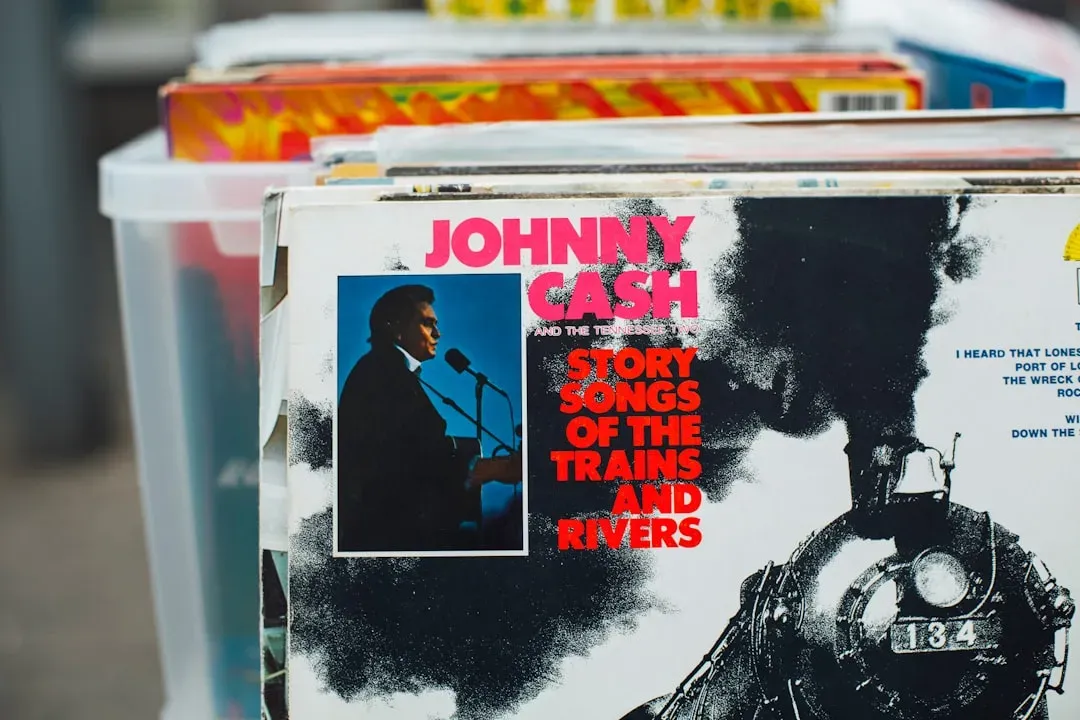
Johnny Cash’s cover of Nine Inch Nails’ “Hurt” feels like a man staring directly at his own mortality. Recorded near the end of his life, Cash’s weathered voice transforms the industrial angst of the original into something achingly personal. The video shows him walking through his museum of memories, and you can see the weight of decades in every frame.
What makes this version so devastating is the authenticity. This isn’t someone pretending to understand pain or regret – it’s someone who has lived through it all. The stripped-down arrangement lets every crack in his voice shine through. When Cash sings about everyone he knows going away in the end, it doesn’t feel like metaphor anymore.
Rick Rubin’s production choice to keep things minimal was brilliant. There’s barely anything between you and Cash’s voice, no place to hide from the raw emotion. It’s the kind of song that makes you sit in silence for a solid minute after it ends.
Tears in Heaven by Eric Clapton


Eric Clapton wrote this song after the unimaginable tragedy of losing his four-year-old son Conor in a fall from a New York apartment building. The grief in every line is palpable, yet somehow the song maintains this gentle, almost lullaby-like quality. It’s heartbreaking precisely because of that softness.
Clapton asks questions throughout the song that have no good answers. Would his son know his name in heaven? Would things be the same there? These aren’t rhetorical flourishes – they’re genuine questions from a father trying to process an incomprehensible loss. The vulnerability in his delivery makes listeners feel like they’re intruding on a deeply private moment.
The acoustic guitar work is delicate and beautiful, never overwhelming the lyrics. Sometimes the most powerful music comes from the simplest arrangements. This song proved that emotional depth doesn’t require orchestral bombast or complex production.
Nothing Compares 2 U by Sinéad O’Connor


Sinéad O’Connor’s interpretation of Prince’s song became definitive for good reason. Her voice carries an ache that feels lived-in and real, like she’s singing about her own heartbreak rather than someone else’s words. The music video, with its extreme close-up of her face, remains one of the most powerful visual performances in music history.
That single tear rolling down her cheek during the video wasn’t acting. O’Connor later revealed she was thinking about her mother during that take, channeling genuine grief into the performance. You can feel that authenticity in every second. The song builds gradually, starting quiet and controlled before breaking open into that devastating bridge.
What Prince wrote as a relatively straightforward breakup song became something much deeper in O’Connor’s hands. Her delivery transforms it into a meditation on loss itself – not just romantic loss, but the universal experience of missing someone who shaped your world. The sparse arrangement, mostly just keyboards and drums, puts all the focus on that incredible voice.
Mad World by Gary Jules
The Tears for Fears original was synth-heavy and almost danceable, but Gary Jules’ cover for Donnie Darko stripped everything away. What remained was this haunting, minimalist version that feels like waking up to realize the world is stranger and sadder than you remembered. The piano and cello arrangement creates this dreamlike atmosphere that perfectly captures a certain kind of existential loneliness.
Jules’ vocal delivery is flat and distant, which somehow makes it more affecting. He’s not pleading or crying – he’s just observing the madness around him with this quiet resignation. Lines about going nowhere and people running in circles take on new weight when delivered this way. It sounds like someone who has genuinely given up trying to find meaning.
The song became unexpectedly popular during the early 2000s, resonating with people who felt disconnected from the relentless optimism demanded by society. Sometimes the most emotional songs aren’t the ones that cry the loudest but the ones that whisper their pain.
The Scientist by Coldplay

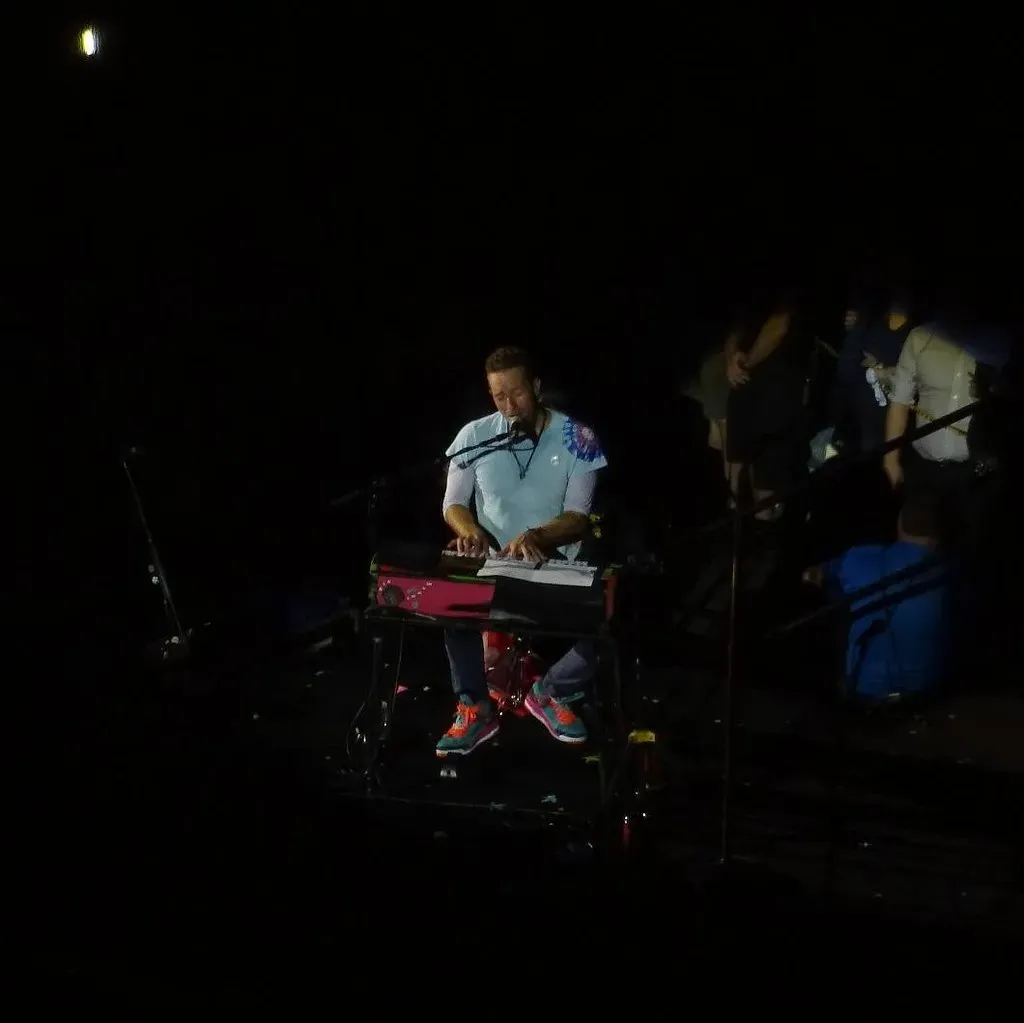
Coldplay caught lightning in a bottle with this one. Chris Martin’s piano playing is simple but effective, creating space for lyrics about regret and lost love to breathe. The song builds so gradually that you almost don’t notice how much emotional weight it accumulates until the final chorus hits. Martin’s falsetto in the upper register adds vulnerability that a full-voiced delivery couldn’t match.
The backward-filmed music video, showing the aftermath of a car accident in reverse, adds another layer of meaning. Watching Martin walk backward toward the crash site while singing about going back to the start becomes almost unbearably poignant. It’s a perfect marriage of visual and audio storytelling.
What makes this song work is its specificity. Martin isn’t singing vague platitudes about love lost – he’s singing about scientific precision, about questions, about desperately wanting to fix something broken. That specificity makes the emotion feel more real, more grounded in actual human experience.
Black by Pearl Jam

Eddie Vedder refused to release this as a single because he felt it was too personal. That decision tells you everything about how raw and honest “Black” is. The song captures that specific feeling of loving someone so much it physically hurts, of wanting someone to be happy even if their happiness means you can’t be with them. Vedder’s voice cracks in all the right places, never overselling but always authentic.
The lyrics paint vivid images – sheets of empty canvas, bitter hands, wings twisting. These aren’t clichéd love song metaphors. They’re the actual scattered thoughts that run through your head when you’re lying awake at night thinking about someone you can’t have. The guitar work from Mike McCready is equally emotive, soaring without showboating.
Pearl Jam recorded this in one take, and you can hear that immediacy. There’s nothing polished or overproduced about it. It feels like stumbling across someone’s private moment rather than a carefully crafted performance. That rawness is exactly what makes it so powerful.
Hallelujah by Jeff Buckley


Leonard Cohen wrote it, but Jeff Buckley made it transcendent. Buckley’s version takes Cohen’s meditation on spirituality, love, and despair and transforms it into something almost otherworldly. His voice has this angelic quality that somehow makes the song’s darker lyrics even more affecting. The contrast between the beautiful melody and the painful words creates this tension that never fully resolves.
Buckley’s guitar playing is delicate and precise, never overwhelming the vocal. The arrangement breathes, leaving space between notes that lets the emotion resonate. When he holds that note on “Hallelujah,” it feels like he’s reaching for something divine that remains just out of grasp. That striving, that beautiful failure, is what makes the song so moving.
Countless artists have covered this song, but Buckley’s remains definitive for many listeners. His untimely death in 1997 adds another layer of poignancy to a song already heavy with meaning. It’s become the go-to track for moments that require deep emotion in films and television, almost to the point of cliché, but the original recording never loses its power.
Landslide by Fleetwood Mac

Stevie Nicks wrote this during a period of uncertainty about her future, and that doubt permeates every line. The acoustic arrangement is delicate, Lindsey Buckingham’s guitar work supporting rather than overwhelming Nicks’ fragile vocal. She’s contemplating change and aging, wondering if the child she built her life around (which could be a literal child, a relationship, or her career) can still be her guide.
The metaphor of a landslide bringing you down works because change often feels violent and uncontrollable. Nicks doesn’t offer easy answers or false comfort. She’s genuinely questioning whether she can handle what life is throwing at her. That honesty about doubt, about not being strong enough, makes the song deeply relatable across generations.
Countless artists have covered “Landslide,” but the Fleetwood Mac original captures something unrepeatable. Nicks’ voice has this quality where she sounds simultaneously young and ancient, vulnerable and wise. The song has become a touchstone for anyone going through major life transitions, a reminder that everyone struggles with change even if they don’t show it.
These songs don’t just make us sad – they help us process the complicated emotions that come with being human. They validate our pain, celebrate our joy, and remind us that whatever we’re feeling, someone else has felt it too. Music at its best doesn’t just entertain – it connects us to ourselves and to each other in ways that words alone never could.
What do you think makes a song truly emotional? Is it the lyrics, the melody, or something less tangible that just hits right? Let us know in the comments.