Most books begin with intention. An author decides to write, finds a publisher, and eventually hands their work to the world with some degree of deliberateness. That tidy sequence, however, does not describe every important novel in existence. Some of the most celebrated works in literary history were written in hiding, buried under false names, or locked in suitcases for decades before anyone else read them.
The gap between a private manuscript and a published book can be filled with fear, secrecy, political danger, personal shame, or simple accident. Each story is different, yet together they form a quiet argument: literature sometimes survives in spite of its author’s best efforts to protect or suppress it.
Franz Kafka and The Trial: The Manuscript That Was Supposed to Burn
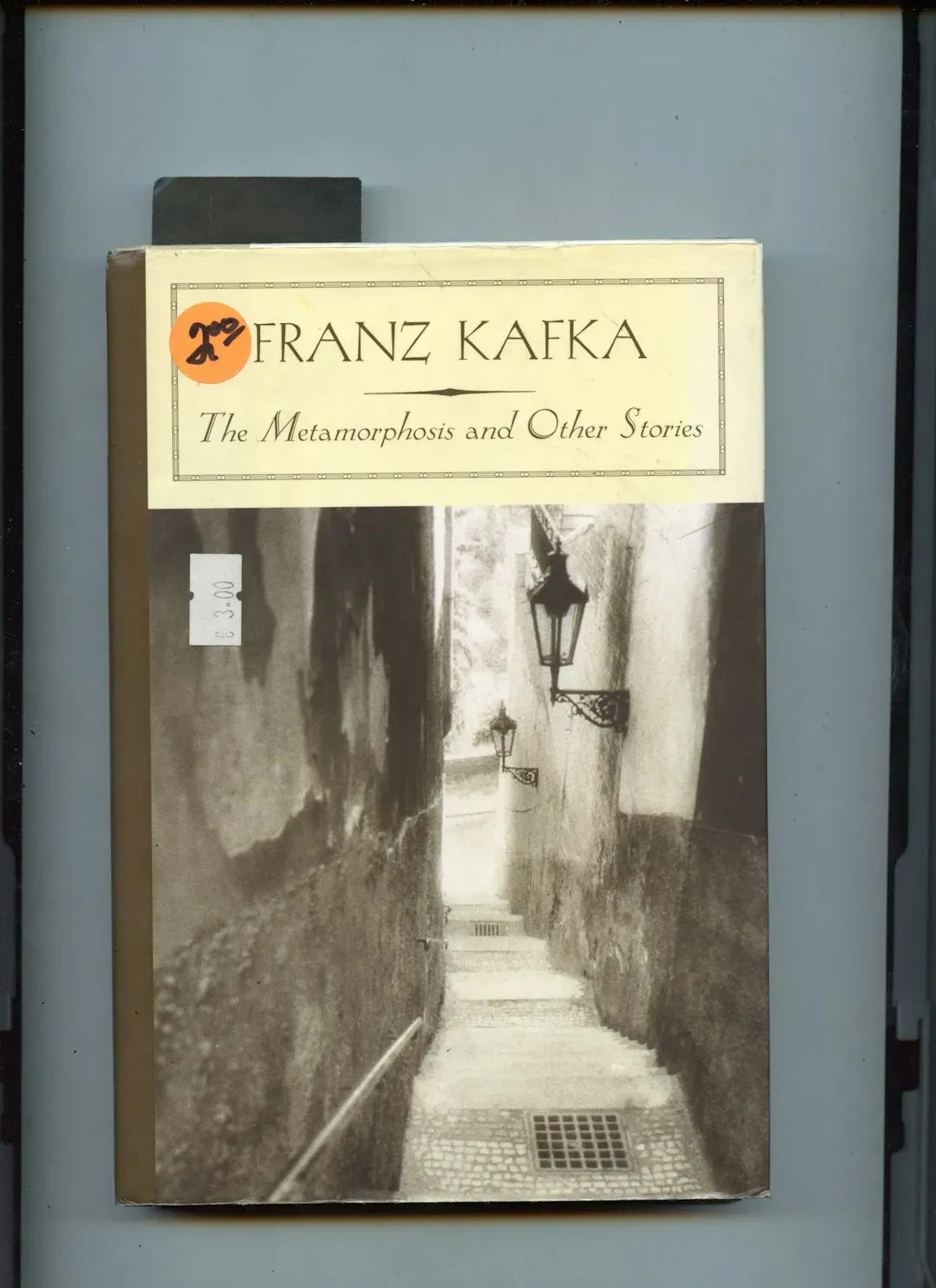
By the time of his death, Kafka had published three collections of short stories, but he left behind a vast collection of manuscripts, notes, and sketches. Knowing he was dying, Kafka appointed his best friend Max Brod as his executor and asked him, verbally and in writing, to burn every scrap of his notes and manuscripts. Famously, Brod ignored the request and went on to meticulously organize and edit the often unfinished manuscripts, arranging for their publication, and thus ensuring that Kafka went on, after his death, to become one of the most famous authors of the twentieth century.
Brod justified this move by stating that when Kafka personally told him to burn his unpublished work, Brod replied that he would outright refuse, and that Kafka “should have appointed another executor if he had been absolutely and finally determined that his instructions should stand.” The Trial arrived in 1925, followed by The Castle in 1926 and Amerika in 1927. These novels are now considered two of the greatest works of the 20th century, making it difficult to imagine a world in which Kafka’s dying wishes had been respected.
Sylvia Plath’s The Bell Jar: Hidden Behind a Borrowed Name

The Bell Jar was first published in January 1963 under the pseudonym Victoria Lucas. The work, a thinly veiled autobiography, chronicles a young woman’s mental breakdown and eventual recovery, while also exploring societal expectations of women in the 1950s. Due to the book’s highly personal and semi-autobiographical nature, Plath did not wish to be associated with the text and was concerned with hurting people mentioned in the book. She was also concerned about how her mother would react to the novel, which detailed her suicidal ideation, sexual relationships, and other thoughts of a confessional nature.
Consequently, Plath requested that the book never be published in America, as many of the characters referenced were real people she had met during her internship in New York City. Furthermore, if the novel was received poorly, she did not want those reviews to color the public’s perception of her poetry. The novel was published under Plath’s name for the first time in 1966. It was not published in the United States until 1971, in accordance with the wishes of both Plath’s husband Ted Hughes and her mother Aurelia Plath. When it finally arrived in the United States, the book became an instant bestseller and has since been translated into more than forty languages.
Suite Française by Irène Némirovsky: The Novel in a Suitcase
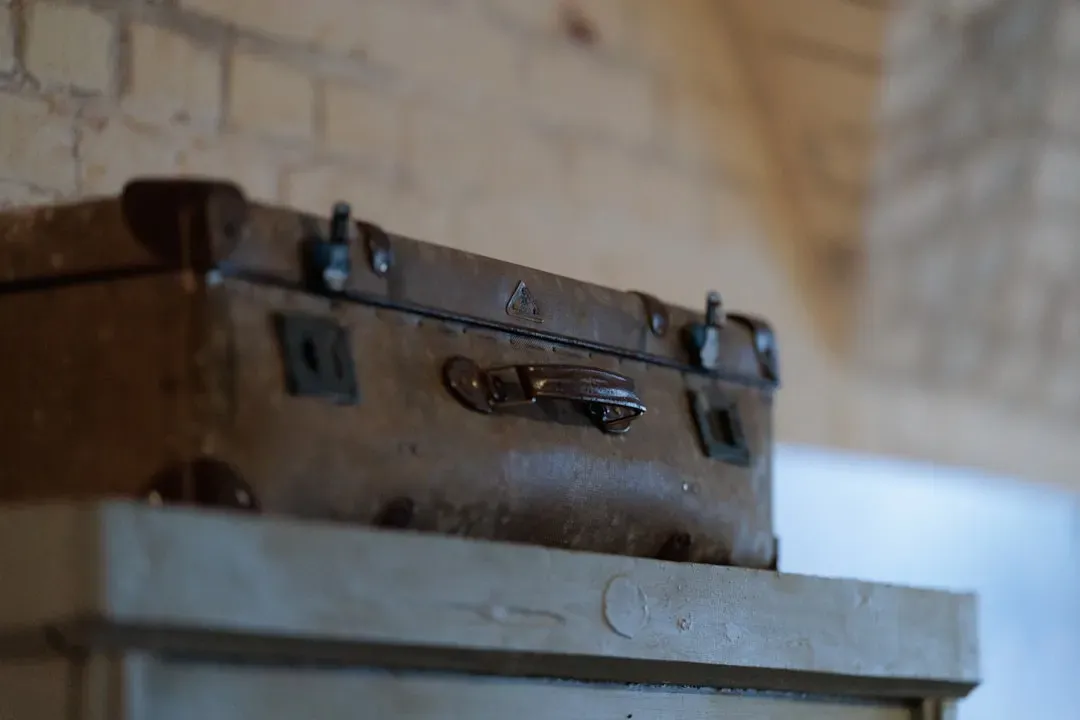
Irène Némirovsky wrote Suite Française while Nazi troops occupied France, her own future uncertain as a Jewish woman. She was arrested and killed at Auschwitz in 1942, and her manuscript was hidden away in a suitcase by her daughters. For decades, they believed it was just a diary, but when they finally opened it in the late 1990s, they found a sprawling, unfinished novel about survival, love, and betrayal during wartime.
Published in 2004, Suite Française became an instant sensation, winning France’s top literary prize and selling over a million copies. The book’s very survival feels miraculous, like a message in a bottle from a vanished world. In July 1942, having just completed the first two of a planned series of five novels, Némirovsky was arrested as a Jew and deported to Auschwitz where she died later that year. Her two daughters managed to escape along with the manuscript. The novel she never knew would reach readers became one of the most important literary discoveries of the early twenty-first century.
Vladimir Nabokov’s The Original of Laura: Defying a Deathbed Wish
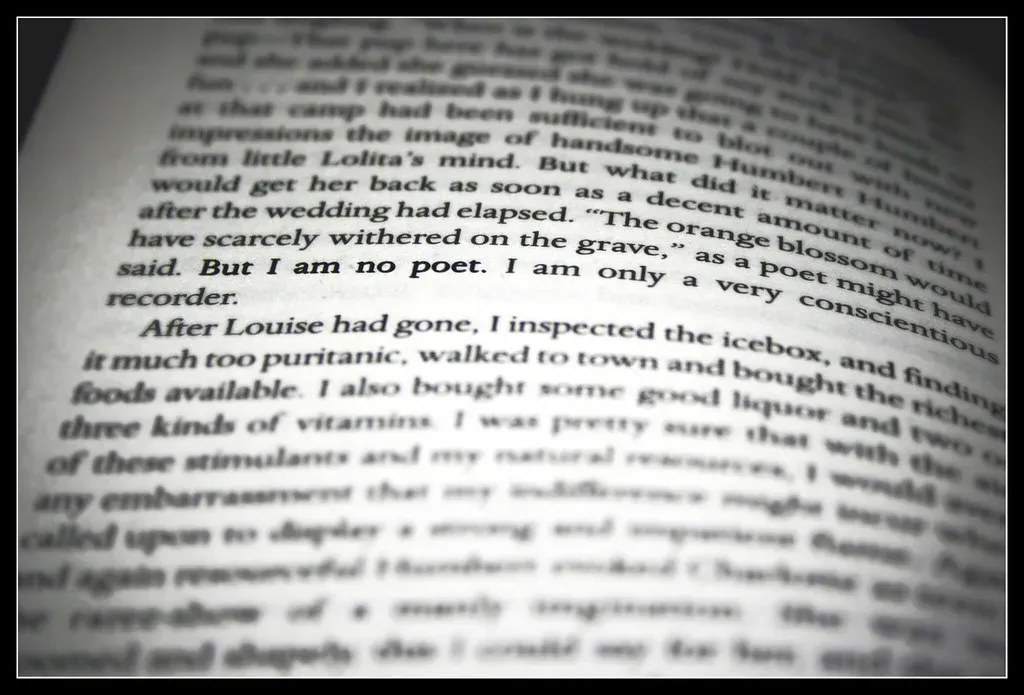
Vladimir Nabokov’s last novel, The Original of Laura, was never meant to be read by anyone. On his deathbed, Nabokov instructed his son Dmitri to destroy the unfinished manuscript. It sat locked away for over 30 years, a literary time capsule shrouded in secrecy and guilt. In a move that split fans and critics, Dmitri published the work in 2009, giving the world a glimpse into Nabokov’s final, elusive puzzle. The novel’s fragmented structure and themes of mortality fascinated scholars and sparked heated debates about respecting an artist’s last wishes versus sharing their genius with the world.
Vladimir Nabokov didn’t want The Original of Laura to be published. He had asked his son Dmitri to destroy the manuscript, but Dmitri ignored him and published the novel anyway. Published more than thirty years after Nabokov’s death, Laura is about a man obsessed with death who decides to erase himself from existence via meditation. The ethical tension around that decision has never fully resolved, and the book remains one of the more philosophically uncomfortable publications in contemporary literary history.
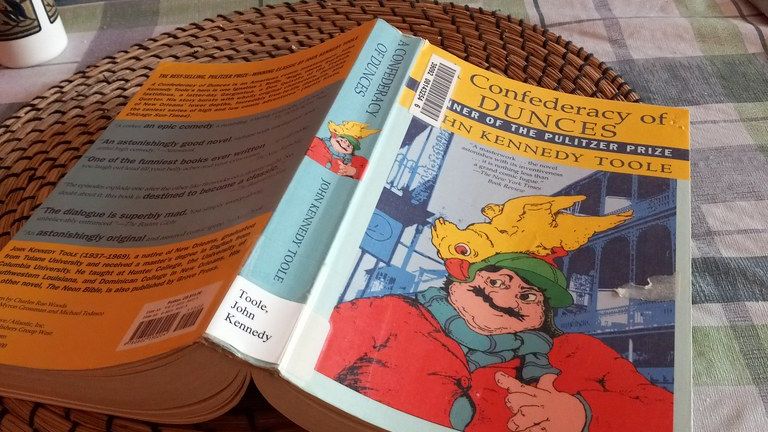
A Confederacy of Dunces: Rejected, Buried, Then Pulitzer Prize-Winning
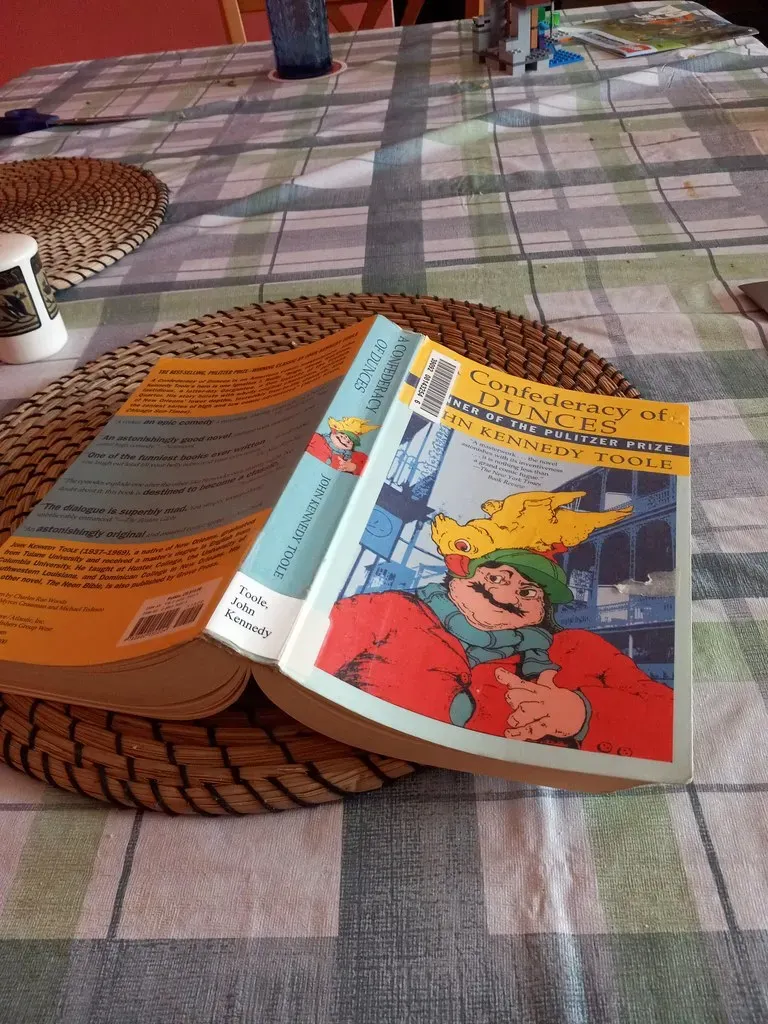
Rejected by publishers again and again, author John Kennedy Toole slipped into despair and tragically died by suicide in 1969. His mother, Thelma Toole, refused to let his legacy end in obscurity. She championed his manuscript, pushing it into the hands of novelist Walker Percy, who helped it finally get published in 1980. The novel then won the Pulitzer Prize for Fiction in 1981, a shocking twist of fate for a book once left for dead.
A carbon copy of A Confederacy of Dunces by John Kennedy Toole was found by his mother after his death in 1969. Its main character, Ignatius J. Reilly, is a hilariously eccentric antihero stumbling through New Orleans, offering biting satire on American society. The book’s journey from secret rejection to literary stardom is a testament to persistence, heartbreak, and the power of a mother’s devotion. Few comeback stories in literature are quite this stark or this bittersweet.
E.M. Forster’s Maurice: Written in 1913, Published in 1971

E.M. Forster’s novel Maurice is a story of love between two men. The first draft was written in 1913, when homosexuality was illegal in England. Homosexual acts were legalized by the Sexual Offences Act of 1967, but Forster still did not publish because “he knew the endless fuss and brouhaha it would lead to.” The novel was finally published in 1971, a few months after Forster’s death.
Forster spent nearly six decades protecting this novel from public scrutiny, revising it quietly over the years and sharing it only with a small circle of trusted friends. The manuscript existed in a kind of suspended state for most of the twentieth century, too personal and too politically dangerous to release. When it did appear, the literary world recognized it immediately as one of his finest works. Its long concealment had done nothing to dull its emotional force.
The Manuscript Found in Saragossa: Published in Fragments After Death
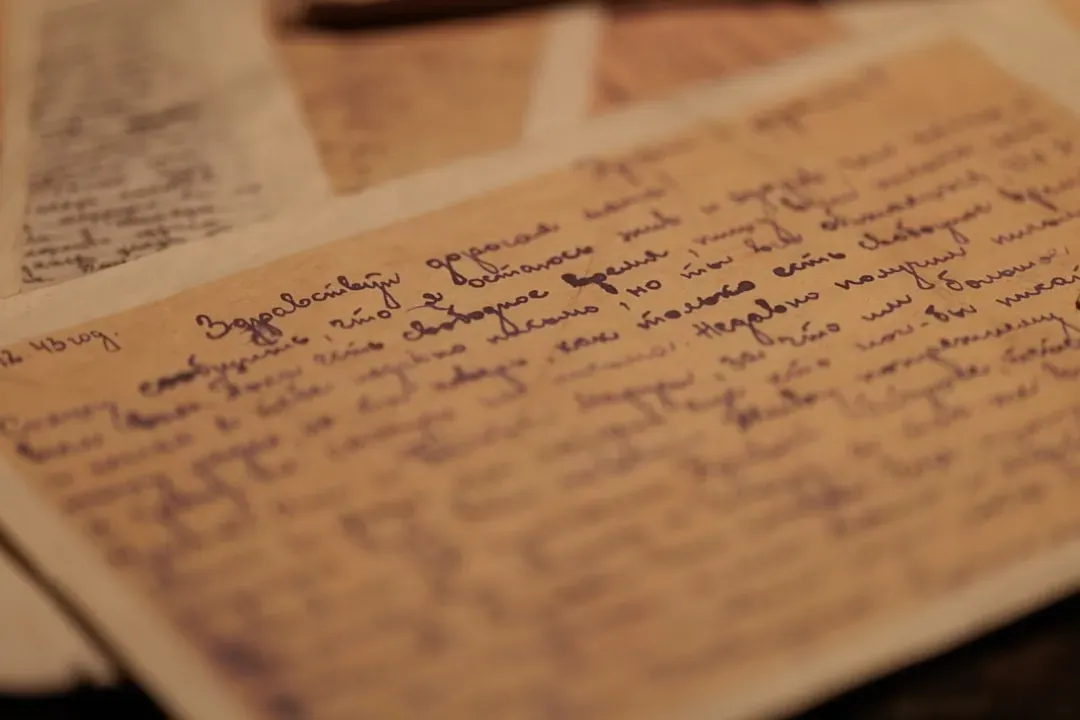
Jan Potocki’s The Manuscript Found in Saragossa is a labyrinthine novel filled with stories within stories, ghosts, and mysteries. Potocki wrote parts of it in secret, with sections only found and published after his death in 1815. The manuscript’s patchwork history makes reading it feel like piecing together a literary puzzle. Scholars still debate the order of the chapters and the meaning behind Potocki’s intricate narratives.
Its cult following has only grown over time, and the novel is now considered a masterpiece of Polish and European literature, admired for its ambition and strangeness. The book resists easy summary and easy classification, which is part of what makes it so persistently compelling. Potocki himself died before seeing it in any complete form. In a strange way, the novel’s incompleteness became one of its defining qualities.
The Ethics of Publishing What Was Never Meant to Be Read

Publishing houses tend to frame posthumous works as rare glimpses into a writer’s mind, but behind the pitch lies a financial motive. An unreleased manuscript from a famous name will generate enormous attention and sales. That pull can eclipse concerns about privacy or intent, especially when the author left no clear instructions. Ultimately, the individuals who release posthumous works dictate the writer’s legacy as much as the writing itself. Some act with care and restraint, others less so.
The editor of posthumously published works cannot receive feedback from the author. There is therefore no way of knowing what the author would have thought of the final result. In certain cases, incomplete works published after a writer’s death end up harming their reputation, which adds another layer of moral complexity to the publication of posthumous fictional works. The question of who truly owns a manuscript has never had a clean answer, and it probably never will.
When Secrecy Became the Story: What These Books Have in Common

Across these very different cases, one pattern holds. The writers who hid their work, disguised it, or asked for its destruction were not always acting out of false modesty. They were responding to real pressures: political danger, social stigma, fear of legal consequences, or the sincere belief that what they had written was not ready, or not right, for public consumption. Works may be published posthumously because the author did not wish to publish during their lifetime. The reasons vary enormously, and that variety matters.
As readers, we’re left to weigh our own curiosity against the possibility that we’re participating in something the writer never consented to. Satisfying our curiosity may entail participating in a system that prioritizes profit over consent. Still, it’s hard to wish these novels out of existence. The Trial, Suite Française, The Bell Jar, Maurice: each one is now inseparable from the literary record. The secrecy that once surrounded them is part of what gives them their particular gravity. These are books that survived despite everything, including their authors.