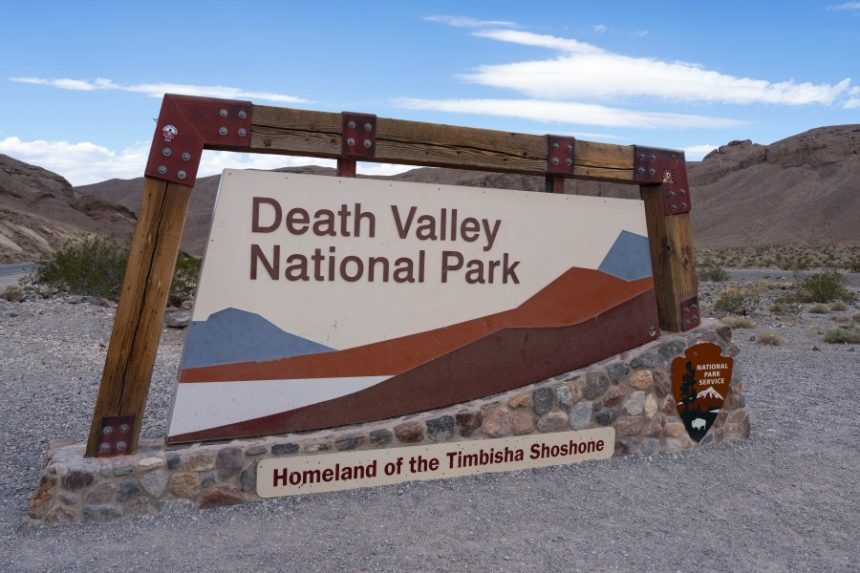
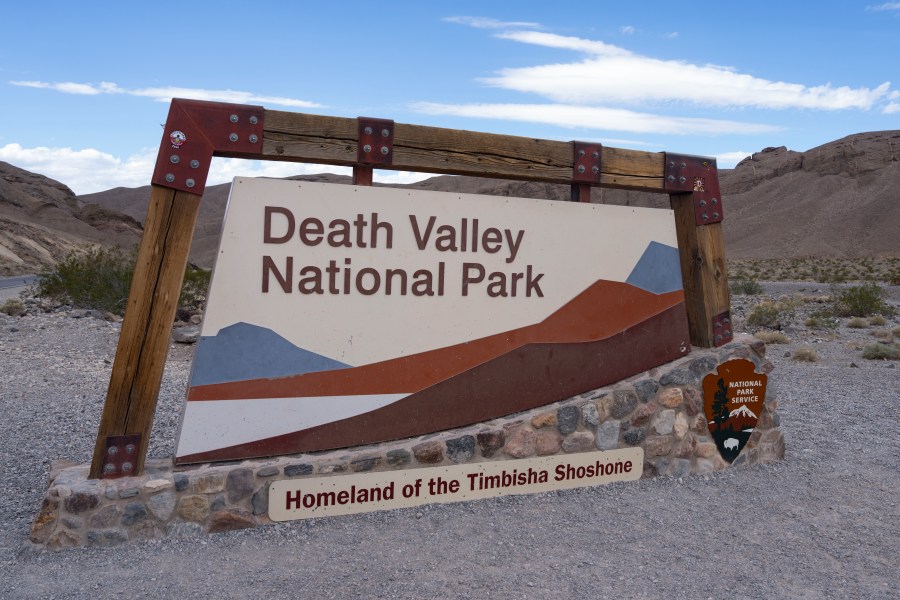
A Tribe’s Enduring Bond with an Extreme Landscape (Image Credits: 8newsnow.com)
Death Valley National Park – The Timbisha Shoshone Tribe and National Park Service officials will convene tomorrow for a public march and ceremony honoring 25 years of restored ancestral ties and shared land stewardship.[1][2]
A Tribe’s Enduring Bond with an Extreme Landscape
The Timbisha Shoshone people inhabited Death Valley, known to them as Tümpippüh, for centuries before federal protection altered their world. Park establishment in 1933 as a national monument presumed the harsh terrain uninhabited, displacing the tribe despite their deep-rooted presence.[3] Federal policies confined them to a small adobe colony at Furnace Creek, demolishing homes as late as the 1950s. Recognition as a sovereign tribe arrived only in 1983 after persistent advocacy, particularly from women leaders like Pauline Esteves.
Decades of activism culminated in renewed negotiations following a 1996 protest by elders. This effort paved the way for landmark legislation that addressed historical injustices.
The Homeland Act: Restoring Land and Rights
Congress passed the Timbisha Shoshone Homeland Act in 2000, with President Bill Clinton signing it into law on November 1. The measure placed approximately 7,754 acres into trust for the tribe, including a 314-acre parcel at Furnace Creek where their village stands today.[3] Additional non-contiguous parcels outside the park boundaries at Scotty’s Junction, Death Valley Junction, and Lida, Nevada, expanded their land base.
Beyond land transfer, the Act authorized co-management agreements with the National Park Service. These allow traditional practices such as seasonal camps at Wildrose and Hunter Mountain, mesquite harvesting near Furnace Creek, and limited economic ventures like a visitor center and desert inn – without gaming facilities inside park limits. Such provisions marked a shift toward tribes as co-stewards of public lands.
Event Highlights: A Public Invitation to Participate
Tomorrow’s festivities begin with a gathering at 9:30 a.m. at the Timbisha Village on 900 Indian Village Road. Participants will join a celebratory march to the Furnace Creek Visitor Center, emphasizing the tribe’s culture, heritage, and vision for the future.[2]
At 10 a.m., the program features a tribal blessing followed by speeches from Timbisha Shoshone Tribal Council members and park representatives. The event wraps up by noon and offers live streaming for remote viewers. Organizers welcome all attendees to witness this milestone.[1]
- 9:00-9:30 a.m.: Gather at Timbisha Village
- 9:30-10:00 a.m.: March to Furnace Creek Visitor Center
- 10:00-11:00 a.m.: Blessing, speeches, and ribbon cutting
- Live stream available online
Co-Management’s Lasting Impact
The partnership forged by the Act endures, enabling the tribe – now with 35 to 40 members residing year-round – to preserve traditions amid one of America’s most iconic parks. Cooperative plans guide activities like resource thinning and cultural protection, blending indigenous knowledge with federal oversight.
This model influences broader discussions on tribal roles in national parks, highlighting reconciliation after displacement. Recent clarifications from park officials affirm ongoing exhibits honoring Timbisha history remain untouched.[4]
Key Takeaways
- The 2000 Act granted the Timbisha Shoshone over 7,700 acres in trust, ending landlessness.
- Co-management supports traditional uses while protecting park resources.
- Tomorrow’s public event underscores 25 years of sovereignty and collaboration.
As Death Valley’s extremes mirror the tribe’s resilient history, this anniversary reaffirms shared guardianship of the land. What does this milestone mean for the future of tribal partnerships in national parks? Share your thoughts in the comments.