Why Dealers Depend on Your Generosity More Than You Think

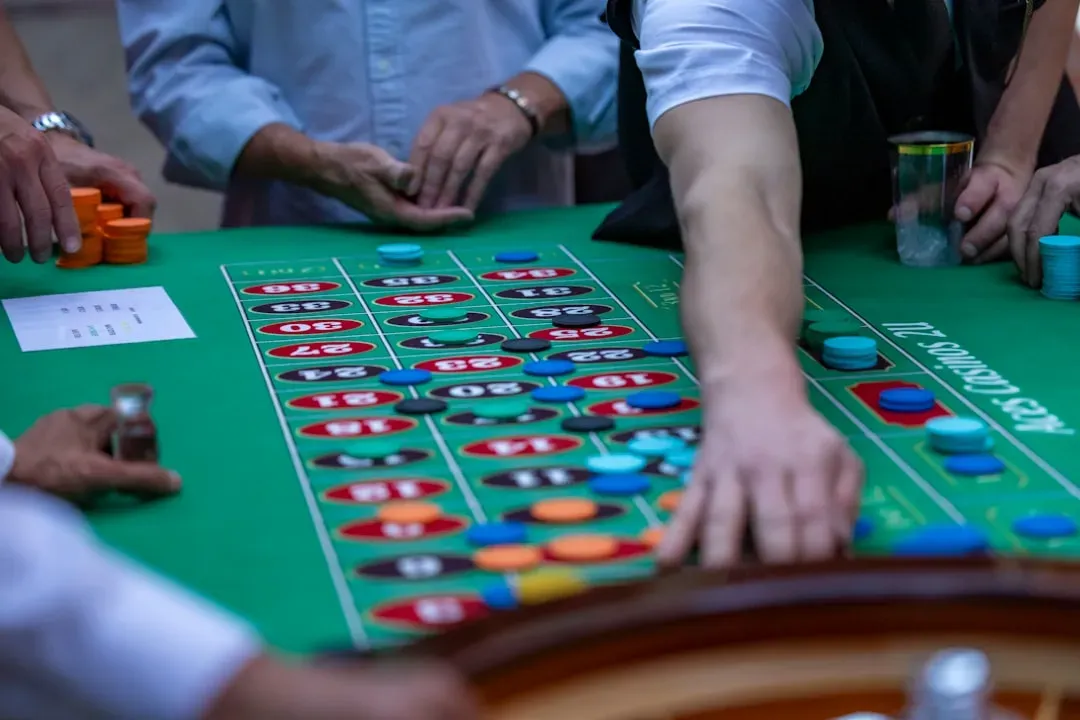
Most casual casino visitors assume dealers earn a comfortable base salary and that a tip is just a nice bonus. The reality is quite different. A lot of players fail to understand that dealers are part of the service industry and rely on tips to make a living, with base salaries typically sitting at or close to minimum wage. That foundation alone is rarely enough to build a life on, especially in expensive cities like Las Vegas.
Across the United States, casino dealers typically earn an hourly wage in the mid to high teens on average, then rely on tips to push total earnings higher. The U.S. Bureau of Labor Statistics lists a national mean hourly wage of roughly $19.25 for gambling dealers. Tips can add meaningfully to total income, but they are not guaranteed and are heavily dependent on the property, shift, game mix, and whether the casino pools tips. When you realize a dealer’s rent often hinges on how generous a particular shift turns out to be, that next chip you leave on the felt takes on a different weight.
The Mechanics of How Much to Leave


There’s no single rule carved in stone, and the absence of a fixed standard is actually where a lot of players get confused. Tipping varies depending on the game and level of play. In blackjack or poker, many players tip one to five dollars per hand or after a winning session. If the dealer has been especially helpful, friendly, or dealt a great hand, a tip goes a long way.
One of the most common questions for newcomers is: how much should you tip? The answer largely depends on the game you’re playing, the service provided, and the size of your winnings. Different games have different tipping customs, and understanding them helps you navigate casino etiquette smoothly. If you’re unsure, tipping about five percent of your total winnings or five dollars per hour of play is a reasonable guideline. That framework is simple enough to remember even after a few rounds of drinks.
Betting for the Dealer: The Art of the Toke Bet

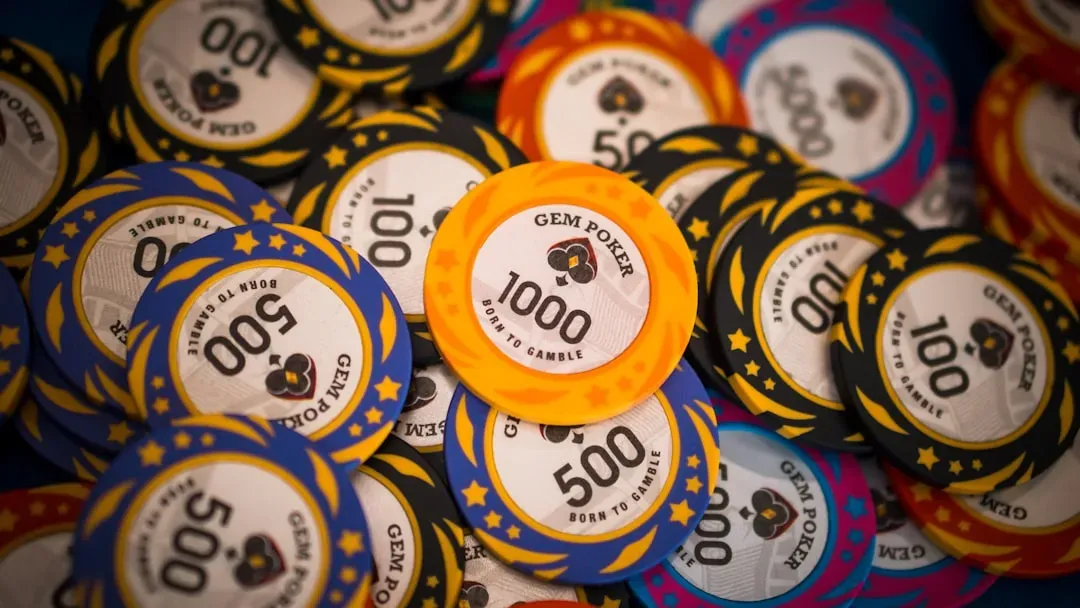
Experienced players know there’s something more satisfying than just handing over a chip. Tipping in blackjack can be done by handing chips directly to the dealer or by placing a bet in front of yours. Most players prefer to make a bet for the dealer because they feel like it keeps the dealer rooting for them and gives them a stake in the outcome. It transforms a solitary gesture into a shared moment at the table.
To do this at a blackjack table, place a chip on the layout next to your bet. It doesn’t need to be the same amount as your main bet, it can be any amount you want. Then, if you win your hand, the dealer wins too. A five dollar bet placed for them becomes a ten dollar tip. In craps, which involves a crew of dealers who can help you in various situations, if you’ve been making the same bets and forget to make one or forget to take odds on your pass line bet, they can remind you. It never hurts to make a bet for the dealers soon after you start playing. Getting them on your side early is just smart table strategy.
How Tip Pooling Actually Works Behind the Scenes


Here’s something most players don’t fully grasp: the tip you hand to your specific dealer may not stay with them. In dealer talk, tips are called tokes, and the amount dealers receive from the pool is called a toke rate. At most casinos, dealers are required to pool their tips. Pooling is when dealers combine all their tips and split the amount evenly throughout a shift, a gaming day, or even a week.
Pooling tips is a policy that makes sense for casinos. Otherwise, the dealers working at the high-limit tables would rake in huge amounts while the dealers at the low-limit tables would barely make a living. Pooling tips encourages all dealers, no matter what area of the casino they’re stationed in, to be courteous and professional. If you want to know whether your dealer gets to keep tips or has to pool them, just ask. Some players tip a bit more generously knowing the money is going directly into their dealer’s pockets. It’s a perfectly normal question, and most dealers will answer it honestly.
Winning Streaks and the Unwritten Social Contract

There’s a quiet understanding at every casino table: when the cards run your way, the people who made that experience possible deserve to feel it too. Players have been observed winning nice stacks of chips and never tipping a single dollar. There are no universally followed rules of tipping etiquette. Still, among regulars and experienced players, the expectation is clear.
Tipping doesn’t just benefit the staff. Many gamblers believe that tipping brings good luck, creating a positive energy at the table. Whether or not you’re superstitious, tipping is a simple gesture that can enhance your experience and the service you receive. Tipping dealers who help make the games fun, especially when you’re winning, is simply part of how experienced players carry themselves. Think of it less as an obligation and more as the natural rhythm of a good session.
How to Tip Without Breaking Etiquette


The way you tip matters just as much as how much you tip. Casino floors have their own unspoken protocols, and violating them can create awkward moments you’d rather avoid. Once cards are dealt, keep things clean and smooth. Place your chips neatly when betting and don’t throw them or splash them in a messy pile. Avoid reaching across the table or touching anything that isn’t yours.
You should never hand the dealer cash directly on the spot. Instead, tell the dealer it’s for them by placing the tip outside the betting area. If you split or double your bet and have a bet for the dealer, it’s good form to make those bets for the dealer as well. Small gestures of awareness like these tell the whole table that you know what you’re doing. Dealers notice, and so do the players sitting next to you.
Tipping Around the World: Where the Rules Are Completely Different
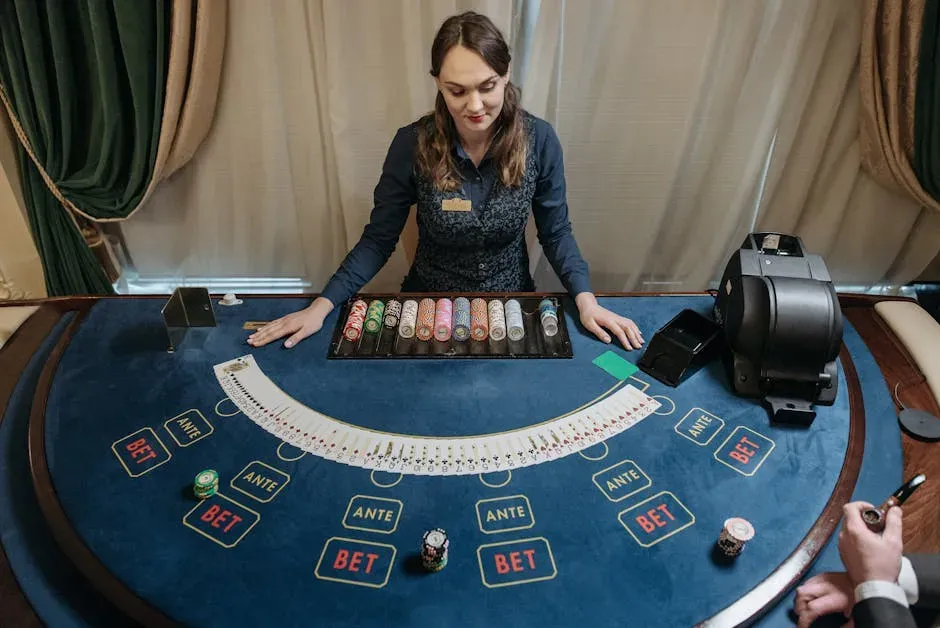
If you’re the kind of traveler who takes gambling seriously, understanding how tipping norms shift across borders can save you from a real cultural misstep. In the United States, tipping is expected and an important part of casino culture, with dealers, waitstaff, and other casino employees often relying on tips as a significant portion of their income. Step outside the U.S., though, and the landscape changes fast.
Tipping in UK casinos was illegal until quite recently. In most European casinos, tipping is still quite rare or at least discreet. Even Macau doesn’t have a tipping culture, and many of the tips are appropriated by managers. In Australia, a prohibition has been imposed when it comes to tipping gambling staff, as it is considered equivalent to bribery, which could raise questions about fairness and integrity. In Asia, tipping is generally not expected in countries like Japan and China. In Macau, however, tipping practices are more aligned with Western norms due to the influence of international casino operators. Knowing which world you’re stepping into before you sit down is simply good preparation.
The Psychology of Tipping and How It Shapes Your Table Experience

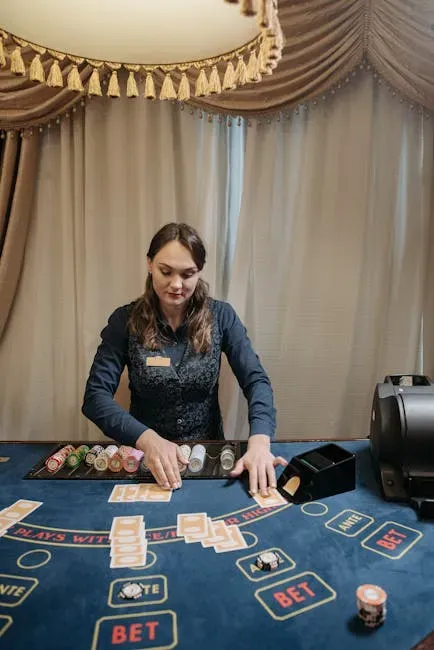
There’s something genuinely practical happening when a player tips well and tips consistently. There’s an unwritten rule in casino culture: better tips bring better service. Dealers are human beings managing sometimes chaotic table environments, and they naturally gravitate toward players who treat them well.
When you tip, you’re acknowledging the service you receive, whether it’s the dealer managing your game smoothly or a server bringing your drinks promptly. It’s also a way to build rapport with casino staff, which can sometimes lead to small perks like a friendlier atmosphere or better service throughout your visit. Casino employees are there to ensure you have a great time, and a little gratitude goes a long way. There are many different schools of thought when it comes to tipping dealers, but it really comes down to whether you are having a good time. That’s actually a pretty honest lens through which to judge the whole thing.
Tipping on Losses: The Question Everyone Avoids


Nobody loves this topic, but it comes up every time someone walks away from a cold table. A player on a losing streak tends to think the casino has gotten enough of their money and wonders why they should tip on top of it. This attitude is understandable, and dealers are used to it. It’s also why, contrary to popular belief, dealers actually want to see you win. They don’t get a cut of your losses, nor are they penalized if you win a bunch of the casino’s money.
As long as the game is being dealt in a professional, pleasant manner, it is appropriate to tip your dealer periodically regardless of whether you’re winning or losing. A small, occasional tip during a losing stretch acknowledges that the dealer is doing their job well, even when the cards are not cooperating. A dealer is an entertainer first and a dealer second. This isn’t like having someone pull your car around or bring you a drink. Tipping here isn’t about a service being provided directly, it’s about entertainment value. That reframing makes the decision a lot easier.
Responsible Tipping: Keeping It Within Your Means

Casino culture can make generosity feel contagious, and that’s not always a bad thing. The problem arises when players start tipping from money they can’t actually afford to give away. The guidance that responsible gambling experts consistently offer is straightforward: tips should come from your winnings or from a discretionary entertainment budget you’ve set aside for the night.
Dealers who work at tables for popular games such as blackjack, poker, or roulette tend to earn more in tips compared to those dealing less popular games. High-stakes tables, where the betting limits are significantly higher, often attract more affluent players who are more likely to tip generously. That doesn’t mean you need to match a high roller’s standards. Tipping is not technically required. Most casino dealers get paid minimum wage or close to it, with the expectation that tips will make up the bulk of their earnings. A modest, consistent tipper who plays within their means is doing more good than someone who tips lavishly in one session and skips it entirely the next.
Reading the Room: When and How Dealers Signal a Great Session
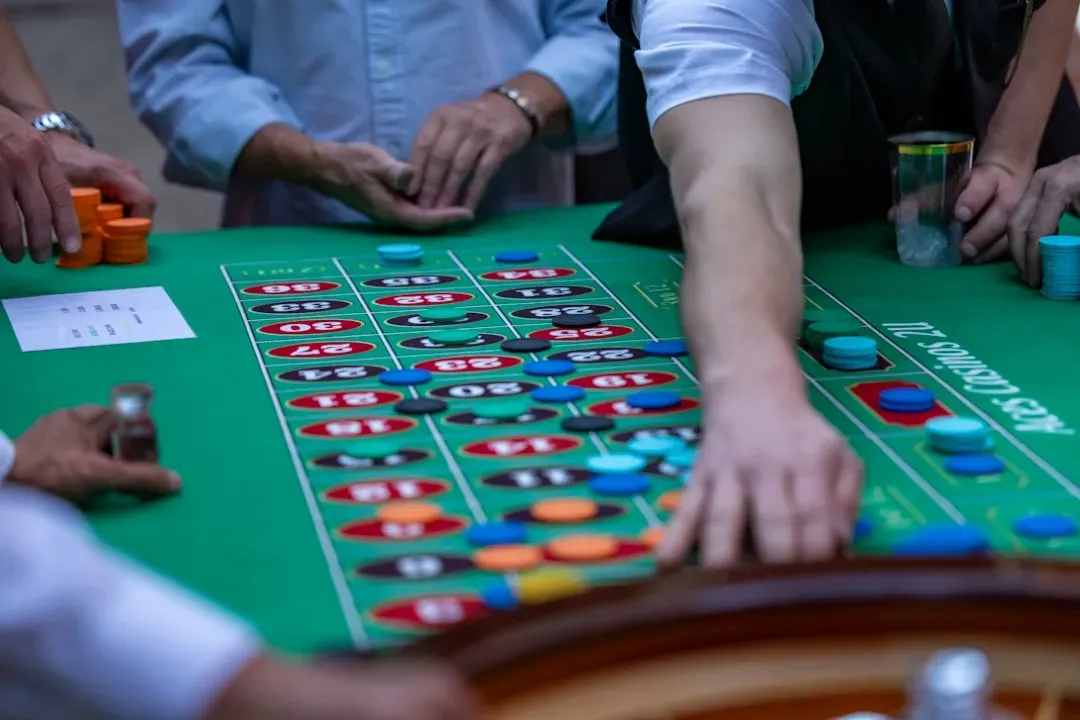
Part of being a savvy casino visitor is learning to read the subtle cues happening around you. If a dealer gives you a straight flush on Mississippi Stud or you experience a long winning roll at the dice table, you absolutely should take care of them. A dealer should always make sure you leave smiling, even if you lost. If you’ve enjoyed playing at their table, it’s time to tip the dealer. The service you are tipping for is customer service, and if they deliver that, they deserve the extra.
There are the written rules in casinos, like age limits and table minimums, but there’s also an entire world of unwritten rules most first-timers miss. From casino tipping etiquette to table etiquette, your behavior shapes not only your experience but also how others perceive and treat you. Casinos thrive on a certain rhythm and mutual respect. The dealers keep games moving, the players engage fairly, and the house ensures things stay in order. When you understand and follow proper casino etiquette, you contribute to a smoother, more enjoyable experience for everyone. Dealers, in particular, appreciate players who are respectful and follow basic norms, as it makes their job easier and keeps the table fun. That rhythm, once you feel it, is hard to unlearn.
Conclusion: The Real Currency at the Table


Casino floors are unique social environments where a small chip placed thoughtfully can shift the entire energy of your night. The mechanics are learnable: know your game, know the norms, place bets for dealers cleanly, and stay aware of where in the world you’re sitting. None of it requires a generous bankroll, only a basic understanding of how the people running your games actually make their living.
Tipping well isn’t about buying favorable cards or bribing your way to a better experience. It’s about showing up with the same level of decency you’d bring to any other service interaction, while recognizing that the person on the other side of the felt is not just part of the scenery. If you’ve ever wondered how much casino dealers make, the honest answer is that base pay is only half the story. Tips and the type of room you work in often matter more than the hourly wage on paper. That’s worth a chip or two, at the very least.