
Performing at a music festival should be one of the most exhilarating experiences in an artist’s career. Thousands of people, endless energy, lights blazing. It’s the stuff dreams are made of, honestly. Yet, despite all that excitement, one wrong move can turn a triumphant performance into a nightmare no musician wants to relive.
The festival stage is vastly different from the cozy club gigs or even arena tours. Time is tight, soundchecks are rushed, the crowd might not know your name yet, and technical hiccups lurk around every corner. One misstep can derail your entire set before you even hit that opening chorus. So what exactly separates the acts who nail their festival moment from those who leave the stage with regret?
Let’s dive into the most critical mistakes musicians make at festival performances and explore actionable ways to sidestep them.
1. Skipping or Rushing the Soundcheck

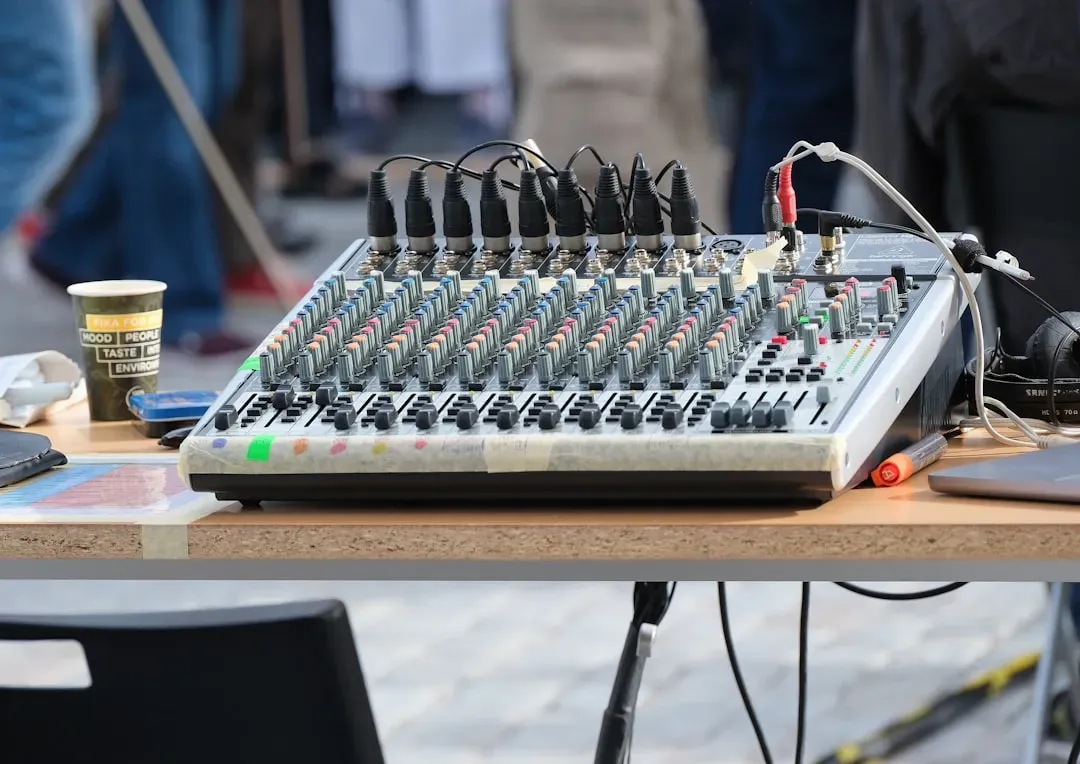
Soundchecks at festivals are often chaotic. Bands are scheduled back to back, time slots are brutally short, and you might get only minutes instead of a leisurely hour to dial in your mix. Major acts at festivals typically bring audio control packages and engineers, with headliners usually getting a linecheck or soundcheck early on show day or sometimes the night before, while acts lower on the bill typically just get a linecheck during changeover.
That’s exactly why you can’t afford to skip or phone it in. Common mistakes include neglecting to check all equipment beforehand, overlooking room acoustics, and not involving the performers early enough. Think about monitor mixes. Inadequate monitor mixes could make it difficult for the artist to hear themselves properly and can lead to delays in the sound check scheduling, and in certain cases, an artist may refuse to perform for the festival and cancel on the spot as they don’t want to damage their reputation.
Your best defense? Come prepared with a detailed tech rider weeks in advance. Show up early if possible. Be courteous to sound engineers who’ve been there all day dealing with difficult bands. Test everything meticulously, even if time is tight. The pros make it work by knowing their gear inside out and adapting quickly.
2. Ignoring the Importance of Hydration


Water bottles scattered across stages aren’t just props. Staying hydrated is legitimately one of those unsexy but crucial performance factors nobody talks about enough. Studies have found that losses of around 2% of body water can contribute to headaches, difficulty concentrating, deficits in working memory, and fatigue.
For singers especially, it’s non-negotiable. Research shows that fully hydrated vocal folds need less force to get together and vibrate, according to research by Dr. Kathrine Verdolini and others. Proper hydration directly affects your voice quality and stamina. Systemic hydration has positive outcomes on perceptual and acoustic parameters of voice quality, and the singer’s ability to sustain notes for longer and reach higher frequencies may reflect well in performances.
But here’s the catch: It can take up to 4 hours for the water to reach your vocal folds, so the water you drink on stage or in the recording booth does not have any direct effect on the voice. Gulping down water minutes before you perform does little. Start hydrating properly the day before. Skip alcohol and excessive caffeine, which dehydrate you further. Bring that water bottle everywhere, not just onstage.
3. Technical Failures Due to Lack of Preparation


Let’s be real: technology is amazing until it isn’t. Worldwide, nearly 70,000 people suffered significant injury and 232 people died at approximately 300 outdoor music concerts held over a 10-year period, one study found. While that statistic covers crowd safety and structural issues, it’s a sobering reminder that festivals involve serious logistical coordination. Technical glitches can derail even the best performances.
Problems with microphones, speakers, projectors, screens, and other AV equipment can lead to poor sound quality, blurry images, or complete AV failures, which can disrupt presentations and performances. I’ve seen acts lose entire songs because of dead batteries, faulty cables, or equipment that wasn’t properly tested. One broken pedal or a mic that cuts out mid-chorus can destroy momentum you’ll never fully recover.
Pack backups for everything critical: cables, batteries, picks, even entire instruments if you can manage it. Check your gear obsessively before you leave for the festival. Coordinate with the festival’s technical team ahead of time, clarify what equipment they provide, and what you need to bring. Leave nothing to chance.
4. Failing to Engage the Audience


Festivals present a unique challenge: a significant portion of your audience might have zero idea who you are. They’re there for the headliner or just wandering between stages. Winning them over in thirty minutes or less demands more than just playing your songs well.
During a live gig, the relationship between the artist and audience is beyond that of simply performer and observer, with huge direct interaction, both explicit and subliminal, and confidence is key, as if a band looks like they’re enjoying their music and project a sense of confidence, that will convince a crowd as much as their material will. Conversely, bands that seem uncomfortable make the crowd feel awkward too.
Simple tactics work wonders. Applaud the audience during the set and at the end of your songs and watch them return the gesture, while establishing eye contact with crowd members and projecting your energy outwards from the stage is a classic way to draw people into your performance. Ask questions. Tell quick, relatable stories. Make them feel like they’re part of something special, not just passive observers.
The festival crowd has immense power to elevate your performance or sink it. Don’t underestimate how much your stage presence and interaction matter.
5. Overcomplicated Setlists and Poor Time Management


You have twenty to forty-five minutes max at most festivals. That’s barely enough time to make an impression, let alone showcase your entire catalog. Yet bands frequently make the mistake of cramming too many songs, elaborate transitions, or slow-building tracks into their set.
Here’s the thing: festivals reward energy and brevity. Open with something that immediately grabs attention. Save your ten-minute slow-burner for the club show. Keep transitions tight. Know exactly how long each song runs and plan for the inevitable delays or equipment issues. Some acts even rehearse a “festival cut” of their set, trimming intros and outros to maximize impact per minute.
Poor time management is disrespectful too. Running over your allotted time messes with the festival schedule, annoys the organizers, and eats into the next band’s precious setup minutes. It makes you look unprofessional. Set a timer during rehearsals. Stick ruthlessly to your time slot. Leave them wanting more, not checking their watches.
6. Overlooking Weather and Environmental Factors


Outdoor festivals are gorgeous until Mother Nature decides otherwise. Open-air festivals are particularly vulnerable to abrupt weather changes, which can expose attendees to lightning, flooding, or heat-related illnesses, and communicating with the crowd is essential to give people time to prepare for incoming weather systems.
Performers often forget to prepare for the elements. Blistering heat, unexpected rain, wind that sends mic stands tumbling, dust everywhere. Each one can sabotage your performance if you’re not ready. Bring weather-appropriate clothing layers. Protect your gear from moisture and extreme temperatures. Know what the forecast says days in advance and plan accordingly.
Heat exhaustion is real. Combine that with dehydration, and you’ve got a recipe for a total meltdown onstage. Drink water constantly, find shade between sets, and pace yourself. Some festivals have medical tents for a reason. Don’t be the artist who collapses mid-performance because you ignored basic self-care.
7. Letting Nerves Sabotage Your Performance


Festival stages can be intimidating. Massive crowds, unfamiliar venues, high stakes. Nerves are natural, but letting them take over will destroy your performance faster than any technical glitch. I’ve seen incredibly talented acts freeze up, rush through songs, or make uncharacteristic mistakes purely because anxiety hijacked their brain.
Losses of around 2% of body water can contribute to headaches, difficulty concentrating, deficits in working memory, and fatigue, which compounds stress. Prepare mentally as rigorously as you prepare physically. Visualization exercises, breathing techniques, even pre-performance rituals can help calm your nerves. Remember that the audience wants you to succeed. They’re not your enemy.
Rehearse until your set is muscle memory. The more automatic your performance becomes, the less mental bandwidth anxiety can steal. Trust your preparation. Focus on the music, not the crowd size or who might be watching. Channel that nervous energy into your performance rather than letting it paralyze you.
Festivals are unforgiving, fast-paced environments where preparation and professionalism separate the amateurs from the pros. Technical issues, dehydration, poor crowd engagement, time mismanagement – each mistake can derail what should be a career-defining moment. The good news is that every single one of these pitfalls is avoidable with the right mindset and planning.
Treat every festival like the opportunity it is. Respect the crew, engage the crowd, hydrate like your career depends on it, and leave everything on that stage. Did you expect so many factors to matter beyond just playing well? What’s the one mistake you see most often at festivals?