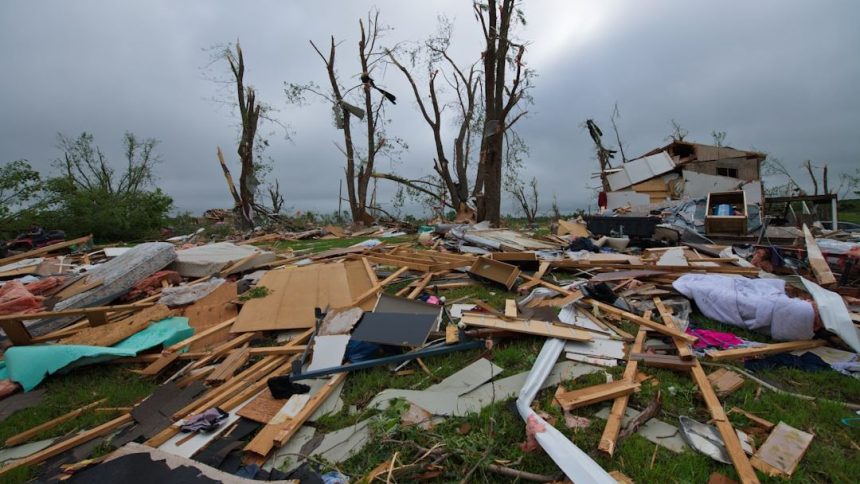


Tornadoes in Mississippi Damage More Than 1,000 Buildings – Image for illustrative purposes only (Image credits: Unsplash)
State officials moved quickly to survey the aftermath of powerful tornadoes that carved through Mississippi overnight. The storms left a wide path of destruction across the region, with preliminary counts showing more than 1,000 buildings damaged or destroyed. Emergency crews worked through the early hours to clear debris and check on residents.
While the full scope of the disaster continues to unfold, initial reports point to significant structural losses in multiple communities. The focus now shifts to recovery efforts and determining how quickly affected areas can return to normal.
Storm Strikes Without Warning
The tornadoes developed rapidly during the night, catching many residents off guard as they slept. Winds tore roofs from homes, toppled trees onto vehicles, and scattered debris across roads and fields. Power lines snapped in several spots, leaving thousands without electricity in the hours that followed.
Local emergency management teams activated response protocols immediately after the first reports came in. Crews prioritized clearing major roadways to allow access for first responders and utility workers. The sudden nature of the event underscored the challenges of nighttime severe weather in the region.
Damage Assessment Begins
Officials from state agencies started compiling damage reports at first light. Teams fanned out to inspect homes, businesses, and public facilities hit hardest by the winds. Early tallies already exceed 1,000 affected structures, though inspectors expect the final number to rise as surveys continue.
Engineers and building officials are documenting the types of damage to help prioritize repairs and insurance claims. Temporary shelters opened for residents whose homes became uninhabitable. State resources stand ready to support local governments with additional personnel and equipment as needed.
Minor Injuries Reported
At least four people sustained minor injuries during the storms, according to initial medical updates. Most cases involved cuts and bruises from flying debris or falls while seeking shelter. No fatalities have been confirmed at this stage.
Hospitals in the affected areas treated the injured and remained on alert for any additional patients. Public health officials urged residents to avoid damaged buildings until safety inspections are complete. The relatively low injury count reflects quick action by many who heeded warnings or took cover in time.
Key points so far:
- More than 1,000 buildings damaged or destroyed
- Four minor injuries confirmed
- State teams conducting damage assessments
- Recovery efforts underway across the region
Recovery will take time, yet early coordination between state and local agencies offers a clear path forward. Residents are encouraged to report damage through official channels and follow guidance from emergency management. The coming days will bring more precise counts and a clearer picture of long-term needs.