The Djembe: From West African Villages to Global Stages
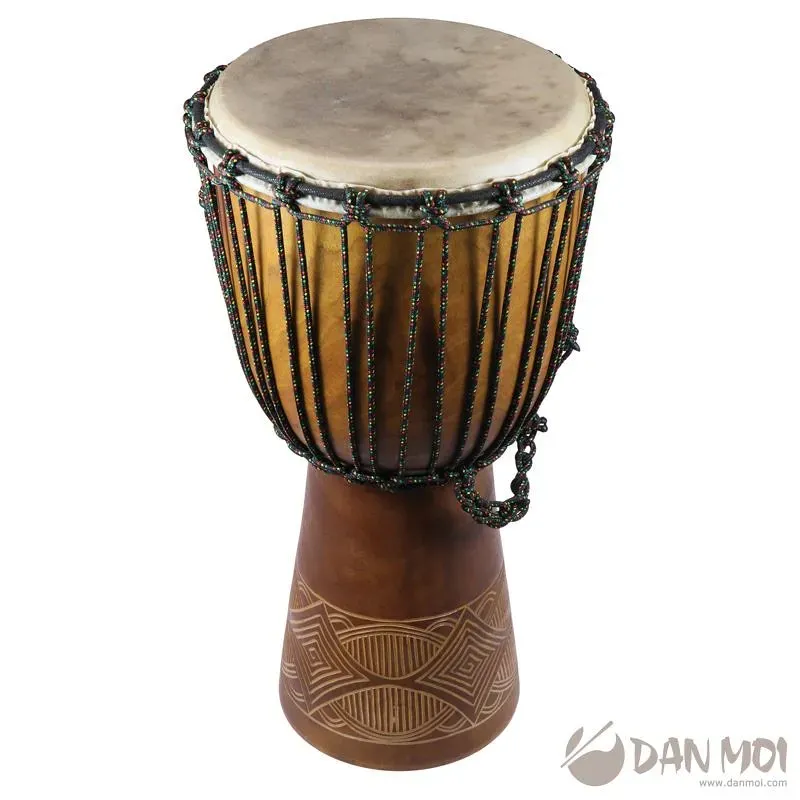
The djembe drum dates back roughly between 400 and 800 years, created during the Malian Empire by the Mandé people across regions including Senegal, Mali, Guinea, and the Ivory Coast. Picture a goblet shaped drum carved from a single piece of hardwood and you’ll get the idea. The word “djembe” itself comes from the saying “Anke djé, anke bé,” meaning “everyone gather together in peace”, which tells you something about what this instrument was always meant to do.
After West African countries gained independence, the djembe gained a new following and was used in national ballets, drawing emphasis to the djembe as a premier musical instrument and solo voice. Think about the reach this instrument has achieved now. The djembe has blended with other musical traditions from jazz to reggae, and drum circles have become commonplace in Western countries, using the djembe to foster community and therapeutic healing. From healing circles in California to fusion bands in Tokyo, it’s honestly amazing how a single drum connects so many people across continents.
Earlier versions of the djembe were generally smaller and lighter, but in the last three decades, the tonality, skin tightness, and thickness of the drums have increased significantly. The sound has evolved with modern tuning methods too. Its versatility means you’ll hear it in music therapy sessions one day and thundering through a concert hall the next.
The Kora: A 21-String Bridge Between Worlds
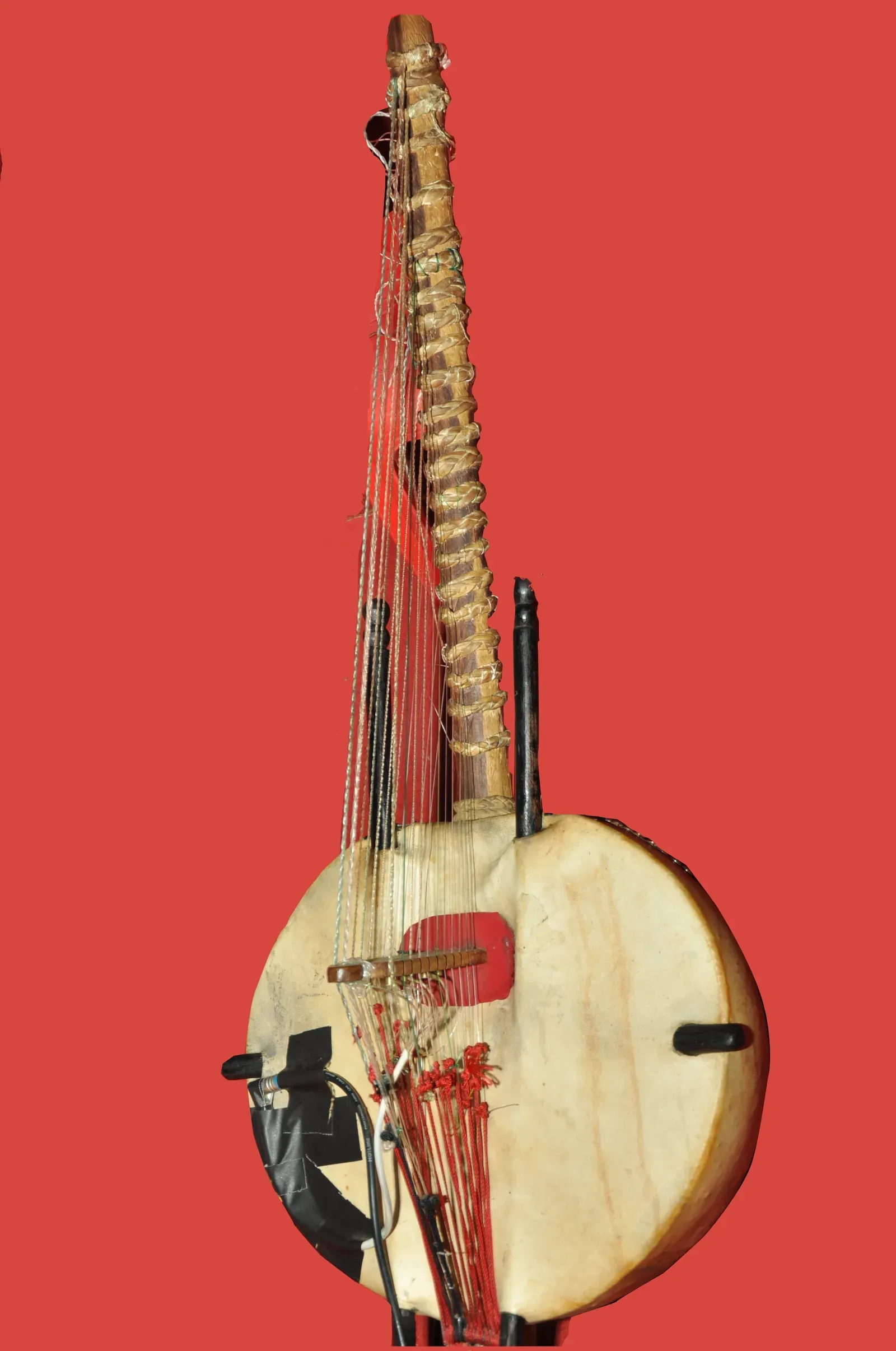
The kora is a stringed instrument used extensively in West Africa with typically 21 strings that are plucked with the fingers, built from a gourd covered with cow skin to make a resonator with a long hardwood neck. Honestly, when you first hear one being played, it’s almost otherworldly. The kora has origins in the Kaabu federation of the Senegambian Mandinka in the 1700s, though its lineage stretches back further through oral traditions.
Kora players have traditionally come from jali families who are traditional historians, genealogists and storytellers, and most West African musicians prefer the term “jali” to “griot” which means something similar to a “bard” or oral historian. These aren’t just musicians playing pretty melodies. They’re carrying centuries of history in their fingertips. The kora has won more Grammy Awards in the World/Global Music category than the sitar, proving its global appeal goes way beyond novelty.
The kora’s versatility has made it a popular choice for a wide range of musical genres from traditional Mandinka music to contemporary jazz, fusion, and world music, with kora players collaborating with musicians from diverse cultural backgrounds. An album featuring the kora with the BBC Symphonic Orchestra was released in 2023. That kind of crossover doesn’t happen by accident.
The Mbira: Zimbabwe’s Spiritual Thumb Piano
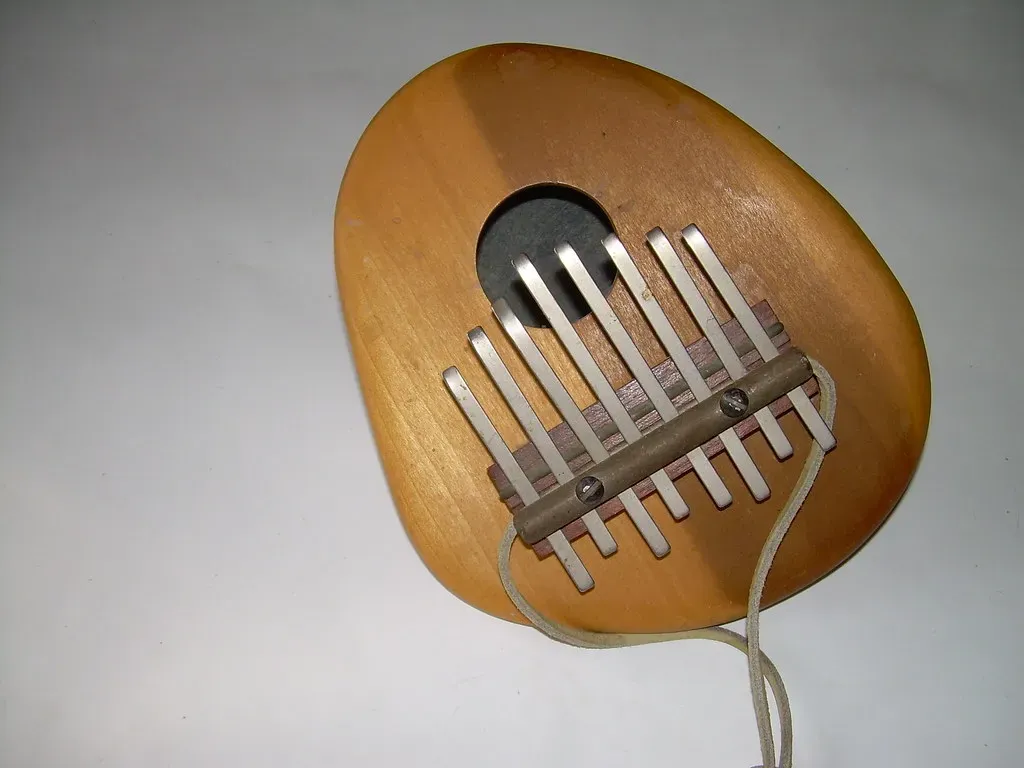
Mbira are a family of musical instruments traditional to the Shona people of Zimbabwe, consisting of a wooden board with attached staggered metal tines, played by holding the instrument in the hands and plucking the tines with the thumbs and sometimes the forefingers. Let’s be real here, calling it a thumb piano sounds almost cute, which completely undersells what this instrument can do. Its name “mbira” is often translated as voice of the ancestors and derives from the Shona language of Zimbabwe.
Traditionally crafted from wood or bamboo, metal keys were introduced approximately 1,300 years ago along the Zambezi River spanning what is now Zimbabwe and Malawi, facilitating its widespread adoption across Africa. The spiritual weight this instrument carries is massive. Mbira was used in ceremonial functions like weddings and funerals, and to call on spirits, with tribes performing religious ceremonies involving continuous singing, dancing, and playing music until the spirits appeared. Think about that level of cultural importance for a moment.
The “Art of crafting and playing Mbira/Sansi, the finger-plucking traditional musical instrument in Malawi and Zimbabwe” was added to the UNESCO Representative List of the Intangible Cultural Heritage of Humanity in 2020. World music star Thomas Mapfumo & The Blacks Unlimited popularized the sound of the mbira internationally through their albums and tours, and American musician Chris Berry pioneered an electric version of the mbira. From sacred ceremonies to electrified stages, the journey has been quite something.
The Talking Drum: The Instrument That Literally Speaks
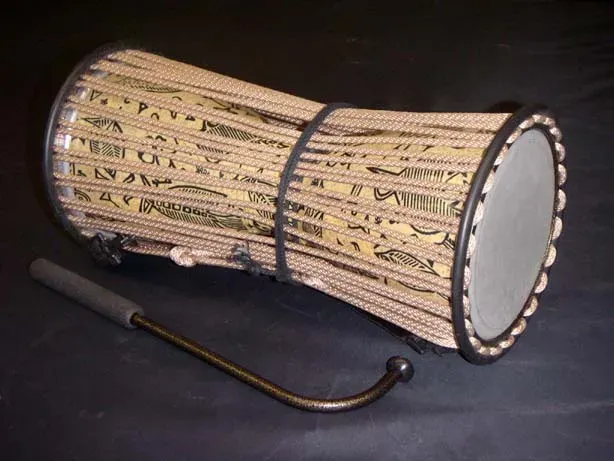
Hourglass-shaped talking drums are some of the oldest instruments used by West African griots, tracing back to the Bono people, Yoruba people, the Ghana Empire and the Hausa people, with the Yoruba and Dagomba developing a highly sophisticated genre of griot music centering on the talking drum. Here’s where things get fascinating. The pitch of the drum is varied to mimic the tone patterns of speech by varying the tension placed on the drumhead, with the waist of the drum held between the player’s arm and ribs so that when squeezed the drumhead is tightened.
Using low tones referred to as male and higher female tones, the drummer communicates through phrases and pauses which can travel upwards of 4 to 5 miles, though the process may take eight times longer than communicating a normal sentence. Imagine that kind of long distance communication system existing centuries before phones. Some varieties of Talking Drums are particularly notable for being able to transmit messages for up to 20 miles, leading to a ‘beacon’ effect where information was relayed exceedingly quickly across dozens of villages.
In the 20th century the talking drum became a part of popular music in West Africa, used in playing Mbalax music of Senegal and in Fuji and Jùjú music of Nigeria. Today, the talking drum has been woven into highlife, Afrobeat, and hip-hop, embraced by global artists like King Sunny Adé, Fela Kuti, and even jazz musicians abroad. Its voice still carries weight in modern productions, which is pretty remarkable for something initially designed just to send messages between villages.
The Balafon: Africa’s Wooden Precursor to Modern Xylophones
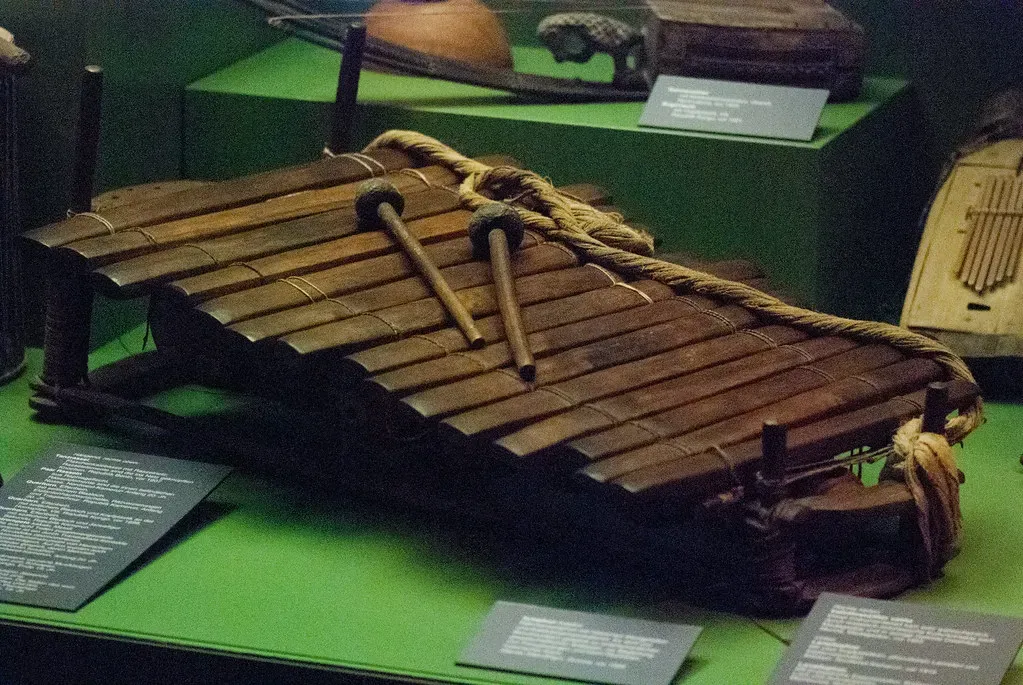
The balafon, native to Mali, Burkina Faso, and Guinea, consists of wooden slats played with mallets creating resonant tones and rhythmic patterns, and is considered a precursor to the modern marimba having significantly influenced jazz and Latin music. Think of it as the grandfather of the marimba you might see in an orchestra pit today. The wooden resonance and rhythmic possibilities this instrument offers are genuinely stunning.
The balafon’s versatility allows it to be incorporated into various musical styles from traditional ceremonies to contemporary performances, with its role in celebrations emphasizing its cultural importance in West African societies and playing a crucial part in storytelling. Ballaké Sissoko plays in a superb trio with Mahamadou Kamissoko on ngoni and Fassély Diabaté on balafon, showcasing how the instrument continues thriving in ensemble contexts.
The melodic patterns created on the balafon have influenced everything from modern jazz improvisation to Latin percussion arrangements. Its ability to bridge the melodic and percussive worlds makes it uniquely valuable in cross-cultural musical collaborations.