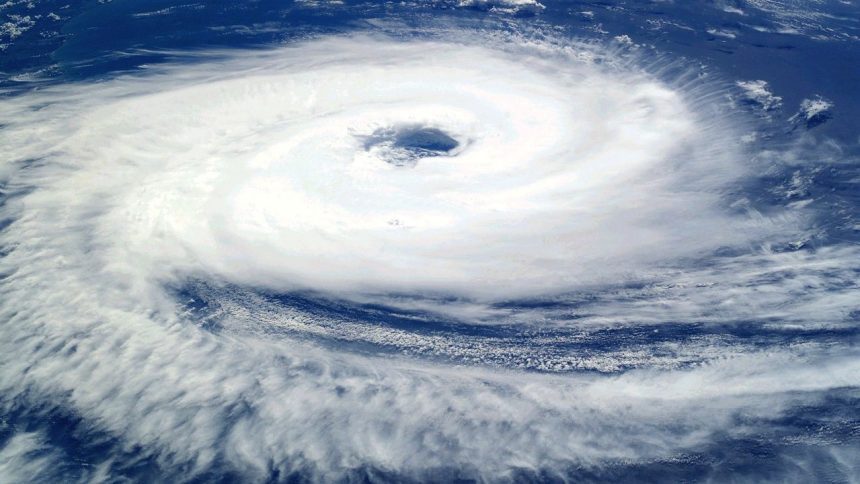

New Study: Declining Trends In 1980-2023 Tropical Cyclone Frequency, Accumulated Energy – Image for illustrative purposes only (Image credits: Pixabay)
Global records stretching from 1980 through 2023 show a clear downward trend in both the number of tropical cyclones and the total energy they release each season. The pattern emerges from a fresh review of observational data that covers every ocean basin where these storms form. Rather than an increase in storm activity, the measurements point to fewer events and lower overall intensity when measured by accumulated energy. This outcome arrives at a time when many long-range climate simulations had anticipated the opposite direction for storm behavior.
What the Records Actually Show
Tropical cyclone frequency refers to the simple count of named storms that reach at least tropical-storm strength in a given year. Accumulated cyclone energy, by contrast, adds up the sustained wind speeds of every storm across its entire lifetime, giving a single number that reflects both how many storms occur and how powerful they become. When both measures are tracked together over the full 44-year span, the combined picture is one of steady reduction rather than growth.
The decline appears across multiple independent datasets that draw on satellite observations, aircraft reconnaissance, and surface reports. Because the same downward movement shows up in both the count of storms and the energy metric, the result is harder to dismiss as an artifact of any single measurement method. At the same time, year-to-year swings remain large, so any single season can still produce an above-average number of storms even while the long-term line slopes downward.
Why Models Expected Something Different
Many earlier climate simulations linked rising global temperatures to warmer ocean surfaces and a more energetic atmosphere, conditions that on paper favor stronger and more numerous tropical cyclones. Those runs often projected increases in both frequency and intensity, especially in the later decades of the twenty-first century. The new observational summary therefore sits at odds with that earlier modeling consensus.
Partner offer
Researchers note that real-world storm formation depends on many additional factors beyond sea-surface temperature alone. Wind shear, atmospheric moisture profiles, and the timing of El Niño and La Niña events all play roles that can suppress cyclone development even when oceans are warmer. The gap between simulation output and measured trends underscores how sensitive these systems remain to influences that current models still represent imperfectly.
Remaining Questions and Next Steps
One open issue is whether the observed decline will continue, reverse, or level off in the years ahead. Another is how much of the change can be attributed to natural variability versus any long-term shift in background conditions. Because tropical cyclones are relatively rare events, even four decades of data leave room for statistical uncertainty when trying to separate signal from noise.
Future work will likely combine longer satellite records with improved reanalysis datasets and higher-resolution models that better capture the small-scale processes inside storms. Until those efforts mature, the present analysis stands as a reminder that observed storm behavior can diverge from earlier expectations without violating the broader understanding of a warming planet.
What Matters Now
The downward trend in both frequency and accumulated energy does not remove the need for preparedness in coastal regions. Even fewer storms can still produce devastating impacts when they make landfall, and sea-level rise continues to increase the reach of storm surge regardless of cyclone counts. Continued monitoring therefore remains essential for refining both forecasts and risk assessments.
At the same time, the mismatch between this record and some prior model projections highlights the value of keeping observational evidence at the center of any discussion about future storm activity. As new data arrive each season, the picture can be updated without assuming that earlier forecasts must hold unchanged.
Partner offer
Planning a trip to Vegas?
Compare hotel rates and show tickets on VEGAS.com.