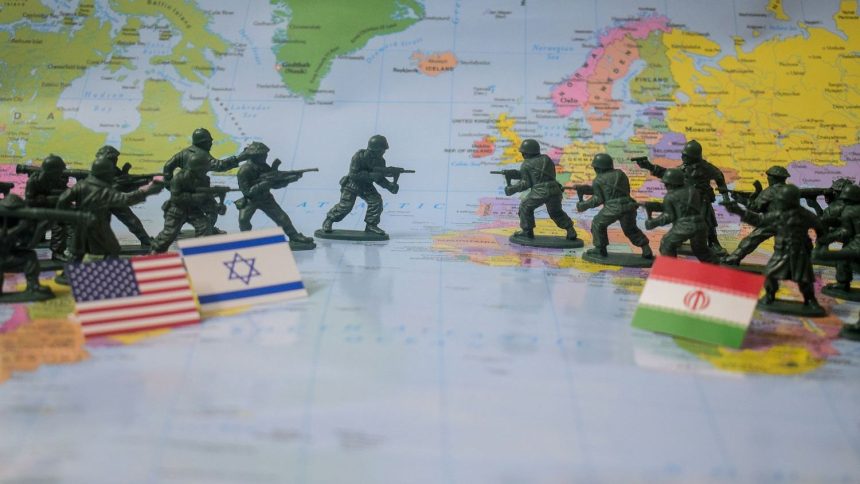

Iran’s top diplomat says a lack of trust is impeding talks to end war with the US – Image for illustrative purposes only (Image credits: Unsplash)
Nevada families with service members deployed overseas follow every development in the standoff between Washington and Tehran. The latest round of diplomacy has exposed deep divisions that make any quick resolution unlikely. Iran’s top diplomat has identified a lack of trust as the central reason talks to end the war remain frozen. President Donald Trump rejected the most recent formal offer from Iran this week in direct language.
Trust Deficit at the Heart of the Impasse
Diplomats on both sides have long acknowledged that years of broken agreements and public accusations have eroded confidence. Without a foundation of mutual reliability, even detailed proposals struggle to gain traction. The Iranian official framed the current deadlock as a direct result of this ongoing suspicion rather than any single disputed clause. Observers note that rebuilding such trust would require consistent actions over time, not just new documents.
Previous attempts at dialogue have collapsed under similar strains, leaving negotiators wary of committing resources to another round. The emphasis on trust highlights how personal and political relationships influence high-level foreign policy. Both nations continue to exchange messages through intermediaries, yet progress stays minimal.
Trump’s Direct Dismissal of the Latest Offer
The president described Iran’s most recent proposal as garbage during public remarks earlier this week. That characterization left little room for immediate follow-up discussions. Administration officials have indicated that any future talks would need to address core security concerns first. The blunt wording reflects the administration’s broader approach to negotiations with Tehran.
Partner offer
Critics argue the language reduces the chance for quiet diplomacy to succeed. Supporters see it as a clear signal that the United States will not accept terms viewed as insufficient. Either way, the exchange has shifted attention back to the underlying mistrust that both sides cite.
Effects Felt in Nevada Communities
Residents across the state track how prolonged uncertainty in the Middle East can influence daily life. Military families prepare for extended deployments or sudden changes in orders. Energy costs remain sensitive to any hint of supply disruptions in the region. Local businesses that support defense operations monitor federal budget decisions tied to the conflict.
National security briefings for state officials now include regular updates on the status of talks. Community organizations that assist veterans have reported increased questions about potential escalations. These practical concerns connect distant diplomatic exchanges to households in Las Vegas and beyond.
- Military households adjusting to deployment schedules
- Fluctuations in fuel and heating expenses
- State-level planning for emergency preparedness
- Support services for returning service members
Looking Ahead Amid Ongoing Tensions
Without a breakthrough on trust, the war continues to shape regional dynamics and domestic priorities alike. Officials in both capitals have signaled willingness to keep channels open, yet concrete steps remain elusive. The coming weeks will test whether either side can move beyond public statements toward private concessions. For communities in Nevada, the outcome will determine how long these ripple effects persist.
Partner offer
Planning a trip to Vegas?
Compare hotel rates and show tickets on VEGAS.com.