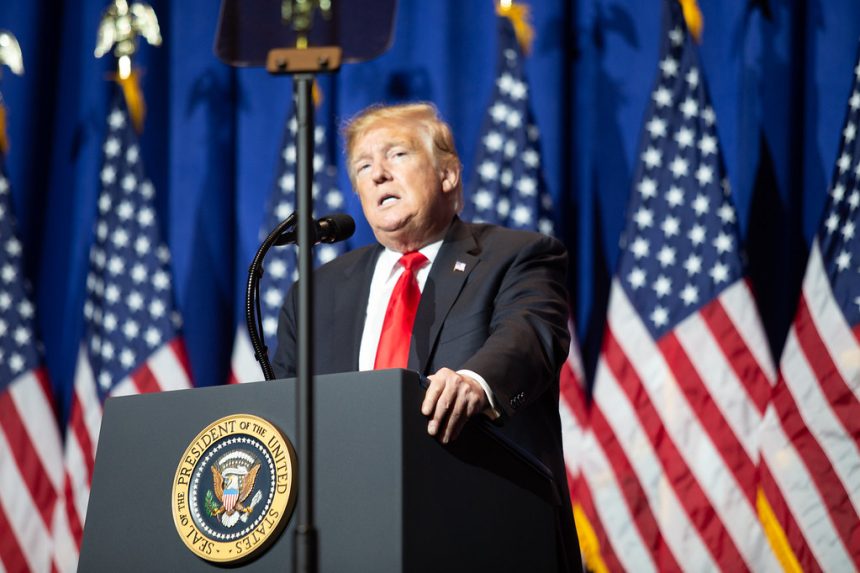
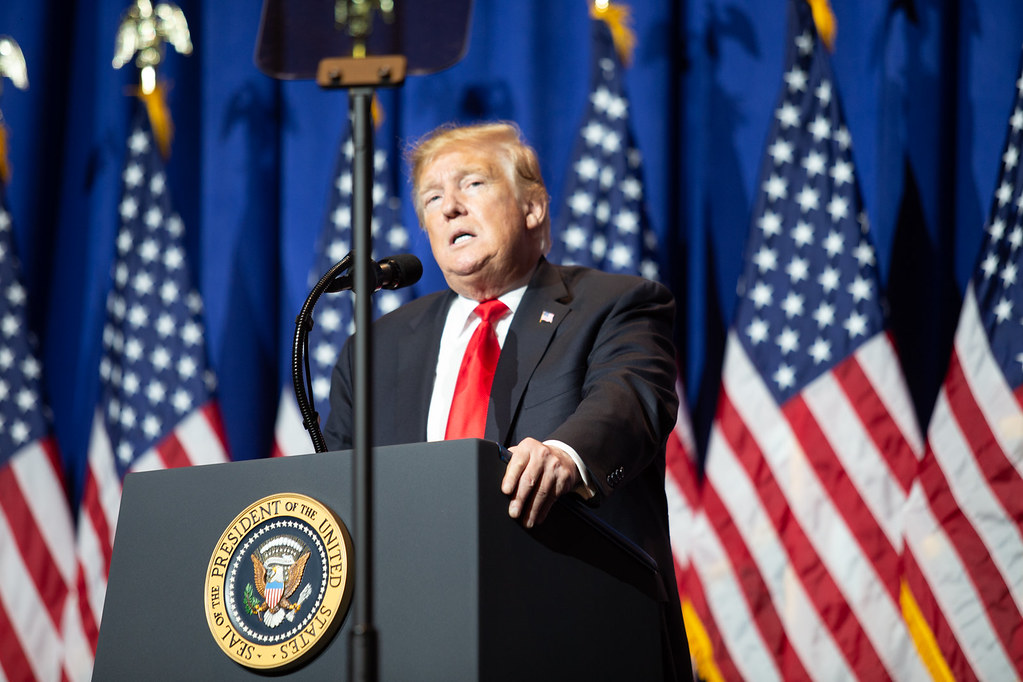

Supreme Court Rules Against Emergency Tariff Authority (Image Credits: Flickr)
Washington, D.C. – President Donald Trump vowed to impose a new 10% tariff on imports from around the world shortly after the Supreme Court invalidated his use of emergency powers for broad trade levies.[1][2]
Supreme Court Rules Against Emergency Tariff Authority
The U.S. Supreme Court delivered a 6-3 decision on Friday, striking down tariffs President Trump had imposed under the 1977 International Emergency Economic Powers Act, or IEEPA.[3] Chief Justice John Roberts authored the majority opinion, which emphasized that Congress holds exclusive power over taxation, including tariffs, and that IEEPA does not authorize such measures.[4] Justices Neil Gorsuch and Amy Coney Barrett, both Trump appointees, joined the liberals in the majority.[1]
The ruling targeted sweeping “reciprocal” tariffs introduced in April 2025, dubbed “Liberation Day,” which included up to 50% duties on goods from dozens of countries and a baseline 10% on others. Earlier levies on Canada, Mexico, China, Brazil, and India – tied to emergencies like immigration, drug trafficking, and trade deficits – also fell.[3] The Treasury had collected over $133 billion from these tariffs by December.[4] Dissenting justices Samuel Alito, Clarence Thomas, and Brett Kavanaugh argued the measures aligned with foreign affairs powers.[3]
Trump Lashes Out, Announces Immediate Workaround
In a White House press briefing, Trump described the decision as “deeply disappointing” and a “terrible, defective” ruling.[1] He called dissenting justices like Kavanaugh a “genius” while labeling majority voters “fools,” “lap dogs,” and “unpatriotic.”[2] “I am ashamed of certain members of the court,” Trump stated. “Absolutely ashamed for not having the courage to do what’s right for our country.”[1]
Trump framed the outcome as a mere technical hurdle. He cast the ruling as a technical, not permanent setback, for his trade policy, insisting that the “end result is going to get us more money.”[1] To bypass it, he pledged an executive order for a 10% global tariff under Section 122 of the 1974 Trade Act, effective immediately but limited to 150 days without congressional extension.[2] Administration officials eyed additional tools like Section 301 for unfair practices.
Partner offer

Origins and Impacts of the Challenged Tariffs
Trump’s tariff push formed a cornerstone of his “America First” agenda, aimed at shrinking trade deficits and boosting U.S. leverage.[1] The measures bypassed Congress, relying on national security and emergency declarations, but critics noted burdens on U.S. businesses and consumers.[4]
- April 2025: “Liberation Day” reciprocal tariffs up to 50% on dozens of nations.
- Baseline 10% on broad imports.
- Sector-specific duties on steel, aluminum, autos, and more under other laws – unaffected by ruling.
- $133 billion collected; potential $1.5 trillion fiscal hit over decade.
A Pew poll this month showed 60% of Americans opposing the increases, with concerns over prices amid election-year pressures.[1] Small businesses, like those importing toys or apparel, hailed the decision for restoring certainty.
Partisan Divide and Uncertain Road Ahead
Democrats rejoiced, with Sen. Elizabeth Warren demanding refunds: “The American people paid for these tariffs and the American people should get their money back.”[1] California Gov. Gavin Newsom labeled them an “illegal cash grab.”[1] Markets reacted mildly, with stocks edging up slightly.[5]
Trading partners like Mexico and the U.K. awaited details, while refunds remain unresolved, potentially sparking prolonged litigation.[3] Republicans urged focus on economic wins ahead of November.[1]
Key Takeaways:
- Supreme Court limits executive tariff power under IEEPA but leaves other avenues open.
- Trump’s new 10% levy tests Section 122 boundaries.
- Public opposition grows as economic stakes rise.
This clash highlights enduring tensions over executive authority in trade. As Trump adapts, the policy’s future – and voter response – will shape the political landscape. What do you think about the ruling’s impact? Tell us in the comments.
Partner offer
Planning a trip to Vegas?
Compare hotel rates and show tickets on VEGAS.com.