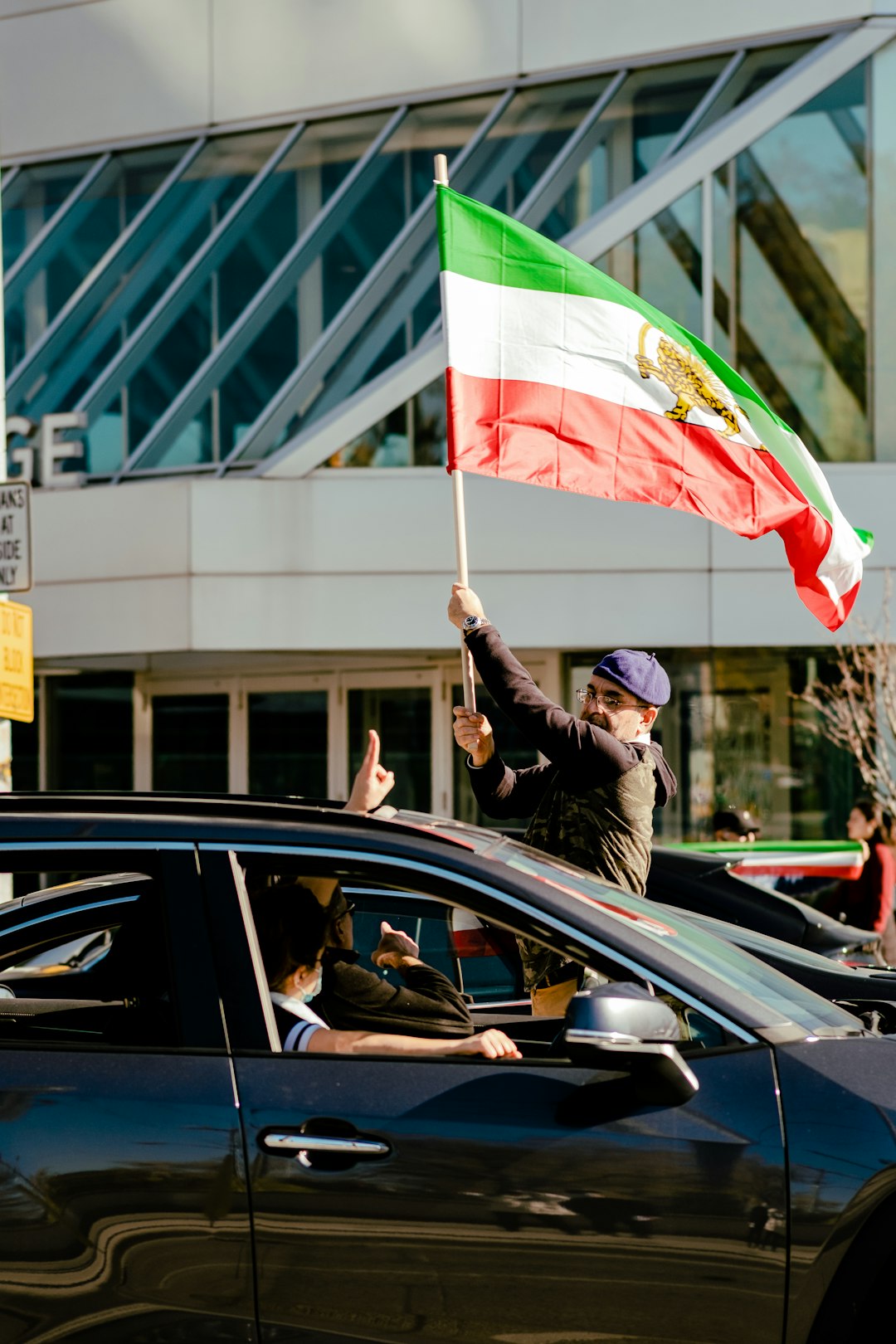
Israel Targets World’s Largest Gas Reserve (Image Credits: Unsplash)
The Persian Gulf region teetered on the brink of deeper conflict after a rapid exchange of strikes on critical energy infrastructure. Israel targeted Iran’s South Pars gas field, prompting Iranian retaliation against Qatar’s facilities.[1][2] President Donald Trump responded with a stark warning, vowing overwhelming American force if attacks on the US ally continued. Global markets shuddered as fears mounted over prolonged disruptions to vital energy supplies.[3]
Israel Targets World’s Largest Gas Reserve
Israel launched a strike on Iran’s South Pars gas field on March 18, hitting a relatively small section of the massive offshore reserve.[4] This marked the first direct assault on Iranian fossil fuel production since the US-Israel conflict with Iran began on February 28.[1] A large fire erupted at the site following the attack, underscoring the vulnerability of such strategic assets.[1]
South Pars, shared with Qatar’s adjacent North Field, holds the planet’s largest natural gas reserves and powers much of Iran’s economy, including 80 percent of its electricity generation.[4] The move represented a bold escalation, as energy sites had largely escaped targeting until now. Analysts viewed it as an expansion of the war, with potential ripple effects on civilian supplies and regional stability.[2]
Iran Fires Back at Qatar’s LNG Hub
Iran swiftly retaliated by striking Qatar’s Ras Laffan complex, the world’s largest liquefied natural gas processing site.[3] Missiles caused extensive damage and sizeable fires across several facilities, though emergency teams contained the blazes with no reported injuries.[1] Qatar halted all gas production in response, amplifying concerns over supply chains.
The assault extended beyond Qatar. Iran hit the UAE’s Habshan gas facility and Bab field, a Saudi oil refinery, and Kuwaiti gas units.[2] A vessel caught fire near the Strait of Hormuz after a projectile strike, further choking the vital waterway that carries one-fifth of global oil.[1] These actions shattered fragile trust among Gulf neighbors and drew widespread condemnation.
Trump’s Unyielding Ultimatum
President Trump took to social media to address the crisis directly. He insisted the United States “knew nothing” about Israel’s South Pars operation and emphasized Qatar’s complete noninvolvement.[4] “NO MORE ATTACKS WILL BE MADE BY ISRAEL pertaining to this extremely important and valuable South Pars Field unless Iran unwisely decides to attack the great country of Qatar again,” he wrote.[1]
Trump then delivered his core threat: “The United States of America, with or without the help or consent of Israel, will massively blow up the entirety of the South Pars Gas Field at an amount of strength and power that Iran has never seen or witnessed before.”[3] He expressed reluctance due to “long term implications that it will have on the future of Iran” but affirmed he “will not hesitate” if Qatar faced further strikes.[4] This positioned the US firmly behind its Gulf ally while attempting to curb further Israeli actions.
Markets and Militaries Brace for Impact
Energy prices skyrocketed in the aftermath. Brent crude surged 6 percent to $114 a barrel, while European natural gas leaped 23 percent.[1] Asian stocks tumbled, with Japan’s Nikkei dropping 3.4 percent, as traders eyed weeks of disruption.[1]
- Strait of Hormuz nearly closed, stranding over 20 vessels.
- Qatar’s LNG output fully suspended.
- UAE and Saudi facilities shuttered amid attacks.
- Global fertilizer production at risk from gas shortages.
- Airlines like Cathay Pacific halted regional flights.
The Pentagon requested $200 billion in additional war funding, signaling preparations for prolonged engagement.[2] US losses mounted, including six service members in an Iraq crash, while naval assets faced repairs.
Leaders Condemn Cycle of Retaliation
Qatar labeled Israel’s strike “dangerous and irresponsible” while calling Iran’s response a “brazen” threat to stability; it expelled Iranian diplomats.[3] Saudi Arabia’s foreign minister declared trust with Iran “completely shattered,” reserving military options.[2]
The UAE decried attacks on its sites as a “dangerous escalation” endangering global security. French President Emmanuel Macron urged a moratorium on civilian infrastructure strikes. Iranian President Masoud Pezeshkian warned of “consequences beyond control” engulfing the world.[3]
Key Takeaways
- Israel’s South Pars hit opened energy front in three-week war.
- Iran’s Qatar strikes caused major damage but no casualties.
- Trump’s threat aims to protect ally while deterring escalation.
As the conflict nears its third week, with over a million displaced in Lebanon and Gulf economies strained, Trump’s words hang heavy: de-escalation or devastation. The targeting of shared energy giants like South Pars risks pulling neutrals into the fray and spiking costs worldwide. What do you think – will this ultimatum hold, or fuel the fire? Tell us in the comments.