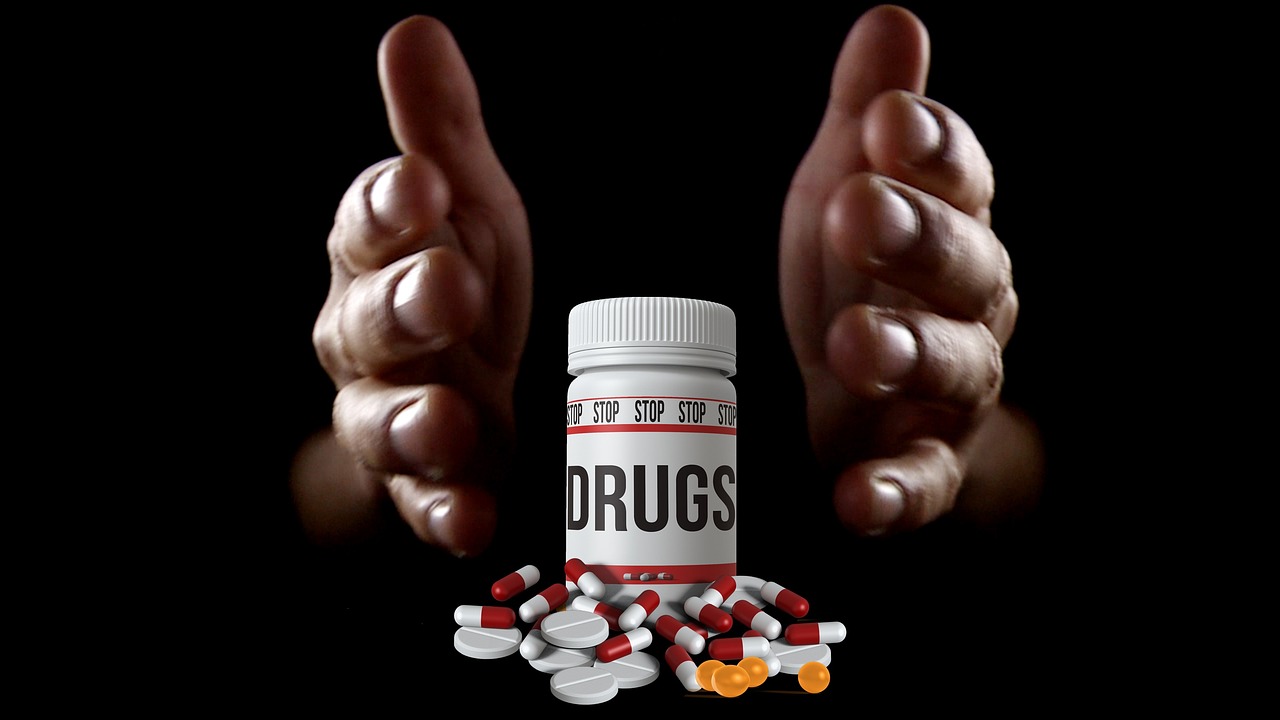

A National Crisis in Sharp Focus (Image Credits: Pixabay)
Washington – President Donald Trump signed an executive order establishing the White House Great American Recovery Initiative, a coordinated federal effort to address the pervasive crisis of substance use disorder across the United States.[1][2]
A National Crisis in Sharp Focus
Nearly 48.4 million Americans, or 16.8 percent of the population, grappled with addiction in recent years, underscoring the urgency of targeted intervention.[1] The disorder drained hundreds of billions of dollars annually through lost productivity, heightened healthcare costs, homelessness, and family disruptions. In 2024 alone, 40.7 million adults with substance use disorders failed to receive treatment, with 95.6 percent unaware of their need for it.[3]
Treatment gaps persisted despite addiction’s status as a chronic, treatable condition comparable to diabetes or hypertension in relapse rates. Fragmented recovery systems lagged behind scientific progress, prompting the administration to prioritize a unified national strategy.
The Initiative Takes Shape
Trump inked the order on January 29, 2026, in the Oval Office, declaring it a historic step. “There’s nothing more important than what we’re doing right now, in my opinion,” he stated. “Today, I’m signing a historic executive order to combat the scourge of addiction and substance abuse – big deal in this country and probably in every country.”[2]
The Great American Recovery Initiative seeks to marshal resources across government, healthcare, faith communities, and the private sector. It emphasizes evidence-based care, ongoing support, and community reintegration to foster lasting recovery.[1]
Leadership Rooted in Personal Experience
Health and Human Services Secretary Robert F. Kennedy Jr. will co-chair the effort alongside Kathryn Burgum, senior advisor for addiction recovery and wife of Interior Secretary Doug Burgum. Burgum, sober for 22 years after battling alcoholism, brings firsthand insight to the role.[4]
Partner offer

The initiative includes an executive director and members from key agencies, such as the Attorneys General, Education Secretary, Labor Secretary, and others. Co-chairs can convene hearings and gather input from experts in public health and treatment.[1]
Directives to Drive Change
Federal agencies received clear guidance to realign programs and funding. The order outlines specific duties:
- Coordinate responses, align initiatives, and deliver data-driven public updates.
- Boost awareness and treatment access while promoting a culture that celebrates recovery.
- Integrate prevention, intervention, treatment, recovery support, and reentry into public health, justice, workforce, education, housing, and social services.
- Direct grants toward prevention, treatment, and long-term resilience-building.
- Consult states, tribes, localities, faith groups, and private partners on expanding access.
Implementation remains subject to existing laws and budgets, ensuring practical execution.[3]
Building Momentum from Proven Steps
The new push builds on prior administration achievements, including the SUPPORT for Patients and Communities Act and the HALT Fentanyl Act. Earlier efforts expanded Medicaid coverage for treatment, reduced opioid prescriptions, and launched tools like FindTreatment.gov.[3]
Recent reversals on proposed cuts to mental health funding further signal commitment. Trump also highlighted progress in curbing drug inflows from abroad.[2]
Key Takeaways
- 48.4 million Americans affected by addiction, with massive untreated cases.
- Co-chairs RFK Jr. and Kathryn Burgum lead with broad agency involvement.
- Focus on grants, integration, and stakeholder consultation for holistic recovery.
This executive order positions the federal government at the forefront of a multifaceted battle against addiction, promising coordinated action to save lives and rebuild communities. For the full text, see the White House executive order and fact sheet.[1][3] As recovery pathways expand, communities stand to gain stronger families and workforces. What do you think of this approach? Tell us in the comments.
Partner offer
Planning a trip to Vegas?
Compare hotel rates and show tickets on VEGAS.com.