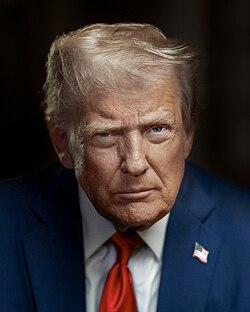
Trump Directs Full Utilization of Funds to Sustain Military Pay Amid Government Shutdown
During the ongoing federal government shutdown, former President Donald Trump has issued a decisive order to Peter Hegseth, a well-known military advocate and Fox News commentator, to deploy all accessible financial resources to guarantee uninterrupted compensation for active-duty military personnel. This directive comes as thousands of service members confront financial instability due to the lapse in government funding, emphasizing the critical need to uphold defense commitments despite political gridlock.
Trump’s instruction reflects a strategic effort to prioritize the welfare of troops, whose operational readiness remains vital amid fiscal uncertainty. The directive outlines several key financial maneuvers, including:
- Reallocating discretionary defense funds to cover active duty salaries
- Preserving hazard pay and deployment bonuses unaffected by shutdown restrictions
- Maintaining essential benefits such as healthcare and housing allowances without disruption
| Funding Category | Intended Use | Expected Outcome |
|---|---|---|
| Active Duty Payroll | Salary disbursement during shutdown | Averts payment delays |
| Hazard and Deployment Bonuses | Incentives for high-risk assignments | Supports troop morale |
| Essential Benefits | Health coverage and housing support | Secures family welfare |
Examining Funding Channels and Legal Challenges in Military Payroll Management
The directive to tap into all available funds for military payroll during the shutdown reveals a multifaceted fiscal and legal challenge. The primary financial sources include contingency operation funds, reserve accounts, and other defense budget allocations originally earmarked for specific purposes. Redirecting these funds to cover salaries represents a departure from standard budgetary procedures, highlighting the administration’s prioritization of military readiness over strict fiscal compartmentalization.
Nonetheless, this approach raises significant legal questions. Under the Anti-Deficiency Act, federal spending without explicit congressional approval is generally prohibited, exposing officials to potential legal repercussions. The following table outlines the main funding sources and their associated legal considerations:
| Funding Source | Designated Purpose | Legal Status |
|---|---|---|
| Contingency Operations Funds | Emergency military missions | Permitted with oversight |
| Defense Working Capital Funds | Operational costs excluding personnel | Restricted for payroll use |
| Reserved Budget Accounts | Future projects and special allocations | Potential violation risk |
- Transparency in fund allocation is essential to uphold congressional confidence and legal compliance.
- Heightened scrutiny from oversight bodies like the Government Accountability Office (GAO) is expected.
- Political ramifications may arise as lawmakers debate the scope of executive authority during funding crises.
Consequences for Military Families During Extended Government Shutdowns
The extended government shutdown has placed considerable strain on military families, many of whom depend on steady paychecks to meet essential living expenses. The uncertainty surrounding federal funding has heightened stress levels among service members, adversely affecting morale and operational effectiveness. While the directive to utilize all available funds provides short-term relief, concerns remain about the long-term viability of such measures if the shutdown continues.
Families have reported numerous hardships, including delayed bill payments and limited access to support services. Nonprofit organizations and community groups have increased their assistance efforts, yet several critical challenges persist:
- Childcare availability becomes inconsistent without reliable income.
- Healthcare services experience delays due to administrative slowdowns.
- Mental health and morale issues intensify amid financial uncertainty.
| Area of Impact | Primary Concern | Current Support Status |
|---|---|---|
| Financial Security | Delayed salary payments | Temporary funding measures in place |
| Family Support | Disruptions in childcare services | Limited outreach from community programs |
| Healthcare Access | Postponed medical appointments | Backlogs in scheduling |
Strategies to Guarantee Prompt Military Compensation During Future Shutdowns
To avoid payroll interruptions for military personnel in future government shutdowns, establishing dedicated contingency funding mechanisms is imperative. One viable solution is the creation of a specialized emergency reserve fund exclusively for military salaries, enabling rapid deployment of resources when standard appropriations are stalled. Coupling this with automated payment systems linked to these reserves would ensure uninterrupted salary distribution regardless of political impasses.
Moreover, fostering clear and proactive communication among military leadership, financial administrators, and government officials is vital for swift decision-making during crises. Recommended actions include:
- Conducting regular audits of emergency funds to confirm availability and adequacy.
- Formulating inter-agency agreements to expedite fund transfers during shutdowns.
- Implementing advanced monitoring systems to forecast payroll shortfalls ahead of time.
- Strengthening legal provisions to guarantee military pay irrespective of congressional deadlock.
Final Thoughts
As the government shutdown continues, former President Trump’s directive to Peter Hegseth to employ all available funds to maintain military payroll highlights ongoing efforts to shield service members from financial hardship. While this action offers immediate assistance, the broader consequences of the shutdown remain a pressing concern, underscoring the urgent necessity for a comprehensive resolution that safeguards the livelihoods of all federal employees, especially those serving in the armed forces.