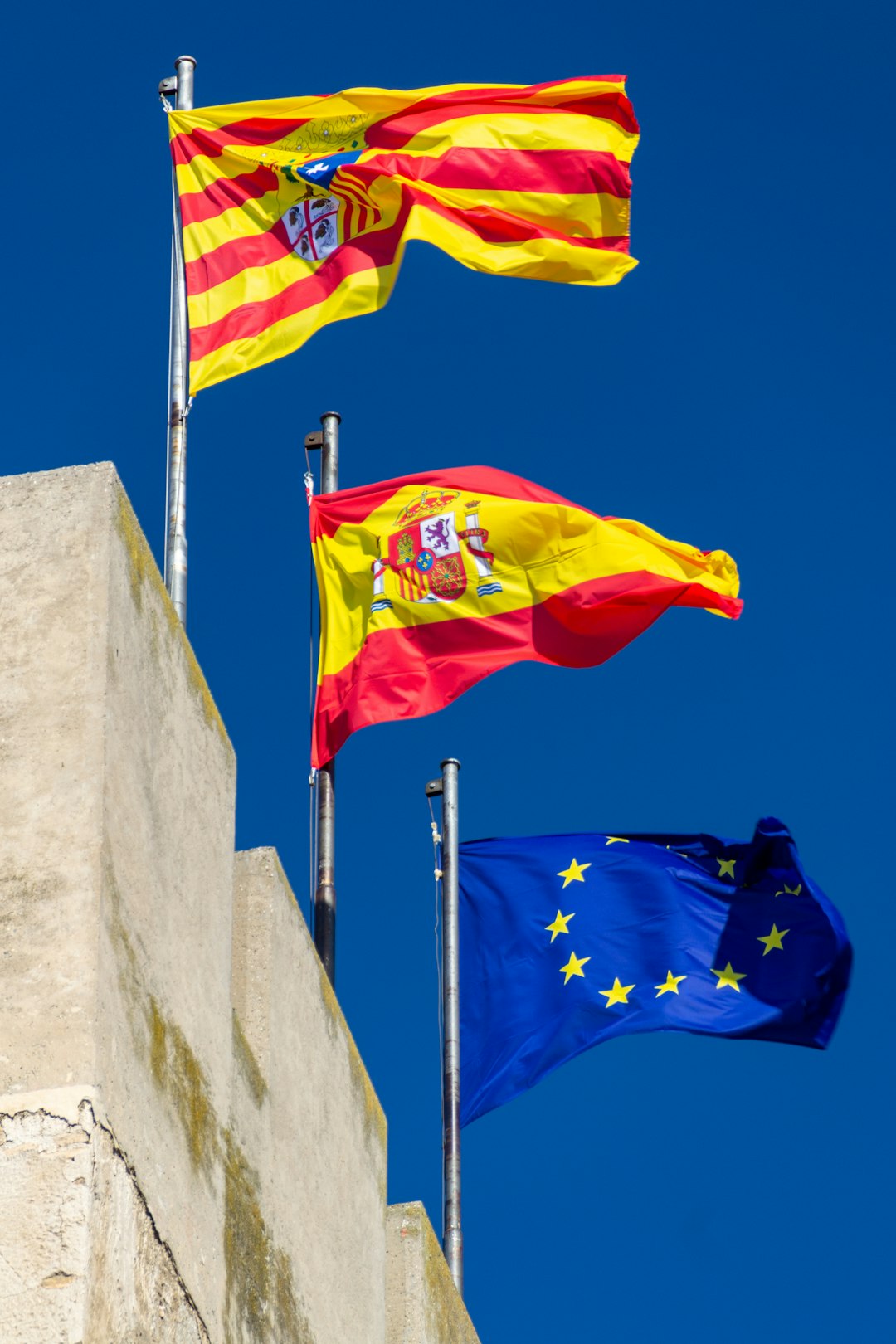
Spark of Conflict: Denial of Base Access (Image Credits: Unsplash)
Washington – President Donald Trump directed officials to halt all trade with Spain on Tuesday, intensifying a rift triggered by Madrid’s refusal to permit U.S. forces to use key military bases during recent strikes on Iran.[1][2]
Spark of Conflict: Denial of Base Access
Spain blocked American aircraft from operating out of the Rota naval base and Morón Air Base in southern Spain for missions linked to the U.S.-led attacks on Iran, now entering their fourth day. Defense Minister Margarita Robles clarified that the facilities, operated jointly but under Spanish sovereignty, could not support operations beyond international law or humanitarian needs.[2] She noted the bases played no role in Saturday’s strikes.
The U.S. responded swiftly by relocating 15 aircraft, including KC-135 refueling tankers, from the sites. Seven of those planes shifted to Ramstein Air Base in Germany, according to flight tracking data. Foreign Minister José Manuel Albares confirmed the facilities saw no involvement in the weekend actions.[1]
This decision marked a departure from positions taken by allies like France, Germany, and the United Kingdom, which allowed broader support for the operations.
Oval Office Showdown Ignites Trade Threat
During a meeting with German Chancellor Friedrich Merz, Trump lashed out at Spain’s leadership. “We’re going to cut off all trade with Spain,” he declared to reporters. “We don’t want anything to do with Spain.”[3]
The president turned to Treasury Secretary Scott Bessent, instructing him to sever dealings. Bessent affirmed the administration’s authority under the International Emergency Economic Powers Act, citing a recent Supreme Court ruling that upheld embargo powers despite striking down broader tariffs. He pledged investigations by the U.S. Trade Representative and Commerce Department.[2]
Trump dismissed concerns over base access, insisting the U.S. could utilize them unilaterally if desired. He labeled Spain “terrible” and “unfriendly,” tying the move to broader frustrations.
EU Trade Bloc Poses Major Obstacle
Spain’s membership in the 27-nation European Union complicates any unilateral cutoff, as the bloc negotiates trade collectively. A 2025 U.S. trade surplus with Spain reached $4.8 billion, with exports at $26.1 billion and imports – including olive oil, auto parts, steel, and chemicals – at $21.3 billion.[3]
Madrid emphasized its role as a reliable partner in 195 countries and urged respect for EU-U.S. agreements and private sector autonomy. A government statement asserted resources existed to mitigate impacts through diversification. The European Commission vowed to safeguard union interests.[1]
- U.S. exports to Spain: Primarily machinery, aircraft, and fuels.
- Key Spanish exports: Olive oil (world leader), automotive components, and chemicals.
- Potential fallout: Disruptions to supply chains and higher costs for consumers on both sides.
- Historical precedent: Trump issued similar threats last year over NATO but did not follow through.
NATO Spending Adds Fuel to the Fire
Trump renewed criticism of Spain’s defense contributions, demanding NATO members allocate 5 percent of GDP to military budgets. Madrid resisted, preferring around 2 percent, which Trump claimed it failed to fully meet. Prime Minister Pedro Sánchez previously deemed the Iran strikes “unjustifiable” and “dangerous,” calling for de-escalation.[4]
Chancellor Merz acknowledged peer pressure on Spain to align with 3-3.5 percent targets agreed in NATO. Senator Lindsey Graham decried Sánchez’s government as emblematic of weak European leadership. These frictions echoed prior clashes, including over Gaza.
Key Takeaways
- Spain prioritized sovereignty and UN compliance in denying base use, prompting U.S. aircraft relocation.
- Trump’s trade threat hinges on embargo powers but faces EU-wide barriers.
- Ongoing NATO spending debates underscore alliance strains amid the Iran crisis.
This episode highlights fragile transatlantic bonds tested by the Iran conflict. As investigations proceed, markets watch closely for economic ripples. What do you think of this U.S.-Spain standoff? Tell us in the comments.