


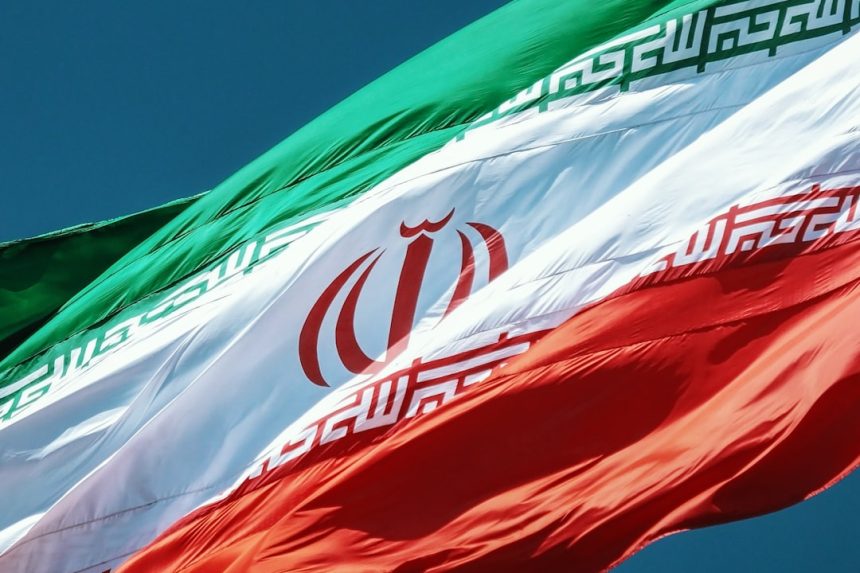

A Blockade Fuels Crisis in the Strait of Hormuz (Image Credits: Unsplash)
Dubai – President Donald Trump revealed Monday that U.S. envoys held discussions with a senior Iranian figure, leading him to delay planned military action against Iran’s energy infrastructure.[1][2] The announcement came as a tense 48-hour ultimatum neared its end, offering a potential off-ramp in a conflict that has disrupted global energy supplies and claimed thousands of lives. Markets reacted swiftly, with oil prices dropping sharply after weeks of volatility.[3]
A Blockade Fuels Crisis in the Strait of Hormuz
The current standoff traces back to Iran’s effective closure of the Strait of Hormuz, a vital chokepoint for one-fifth of the world’s traded oil.[3] This move followed U.S. and Israeli strikes that ignited the war on February 28, prompting Iranian missile and drone responses across the region. Oil prices surged as a result, exacerbating shortages and driving up costs for consumers worldwide.
Trump responded over the weekend with a stark warning. He demanded Iran reopen the strait within 48 hours or face the destruction of its power plants, a step that could have left millions without electricity and crippled desalination facilities essential for Gulf water supplies.[2] Such targets raised alarms about humanitarian fallout and risks to nearby nuclear sites.
Trump’s Pivot: Extension Tied to Dialogue
Hours before the deadline expired late Monday in Washington, Trump shifted course. He instructed the military to hold off on strikes for five days, conditioning the pause on progress in ongoing discussions.[3] Speaking to reporters, he described the exchanges as “very good and productive,” adding that Iran wants “to make a deal.”[1][2]
The president outlined a path forward. A potential agreement would require Iran to surrender its enriched uranium stockpile, effectively curbing its nuclear ambitions. Trump emphasized no tolerance for Iranian nuclear weapons, stating the U.S. would handle the removal itself if terms were met.[4] He expressed optimism but cautioned that success remained uncertain.
Envoys Lead Backchannel Efforts
At the center of Trump’s claims stood two familiar figures. Middle East special envoy Steve Witkoff and Jared Kushner, the president’s son-in-law, reportedly met with a “respected” Iranian leader Sunday evening.[1] Trump clarified the counterpart was not Supreme Leader Ayatollah Mojtaba Khamenei.
Partner offer

Regional mediators bolstered these channels. Turkey’s Foreign Minister Hakan Fidan conferred with Iranian, Qatari, Saudi, Pakistani, Egyptian, EU, and U.S. officials. Egypt’s President Abdel-Fattah el-Sissi delivered de-escalation messages to Tehran, while Pakistan prepared to host higher-level meetings potentially involving Vice President JD Vance.[5] These efforts marked the first coordinated push by key players to halt the fighting.
Iran Rejects Claims, Issues Stern Warnings
Tehran swiftly contradicted the narrative. Parliament Speaker Mohammad Bagher Qalibaf labeled the reports “fake news” designed to manipulate oil markets and extricate the U.S. and Israel from difficulties.[2] Foreign Ministry officials echoed this, viewing Trump’s words as a ploy to lower energy prices before renewed attacks.
- Iran’s Revolutionary Guard vowed to strike power plants serving U.S. bases and American-linked energy sites.
- Parliament identified regional desalination plants and even the UAE’s nuclear facility as potential targets.
- The Defense Council threatened to mine Gulf shipping lanes against any coastal assault.
- Tasnim news agency affirmed continued defense until full deterrence, dismissing psychological tactics.
Despite denials, indirect messaging persisted through allies, signaling Iran’s openness to guarantees against future aggression but no shift on core demands.[3]
Wider War Claims Heavy Toll
The four-week conflict extended beyond the strait. Israel conducted wide-scale strikes on Tehran infrastructure Monday, while Iran targeted Israel’s Dimona site over the weekend without reported damage.[1] Hezbollah exchanges with Israel in Lebanon killed over 1,000 there, including strikes on Beirut apartments and bridges.
Casualties mounted rapidly. Iran’s Health Ministry reported more than 1,500 deaths domestically, with overall figures exceeding 2,000 across fronts. At least 13 U.S. service members perished, alongside 15 Israelis and dozens of civilians in the West Bank and Gulf states. Over 1 million Lebanese faced displacement.[1]
U.N. officials warned of no military resolution, as energy shocks rippled to developing nations. The International Energy Agency chief described the crisis as surpassing past oil shocks in severity.[3]
Key Takeaways
- Trump paused strikes for five days pending talks’ success.
- U.S. envoys Witkoff and Kushner engaged an unnamed Iranian leader.
- Iran denied direct contact but hinted at mediator roles.
- Global oil markets plunged, easing prior spikes.
This fragile pause offers a glimmer of de-escalation in a war that has upended economies and lives. Will negotiations yield lasting peace, or merely delay the next flashpoint? Share your thoughts in the comments.
Partner offer
Planning a trip to Vegas?
Compare hotel rates and show tickets on VEGAS.com.


