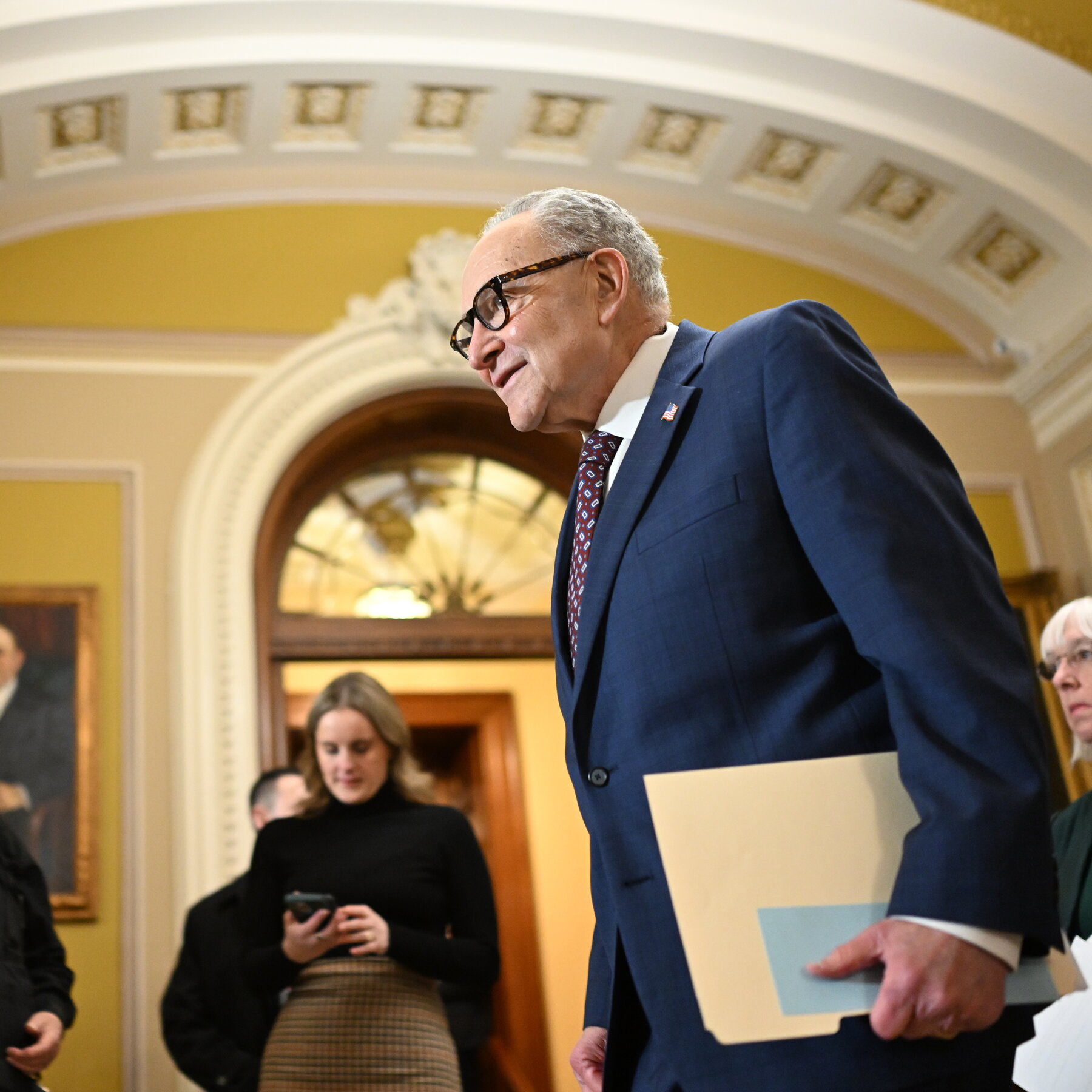

Fatal Shootings Ignite Calls for Change (Image Credits: Static01.nyt.com)
Washington – President Donald Trump and Senate Minority Leader Chuck Schumer held promising talks late Wednesday to craft a deal that could prevent a partial government shutdown set to begin early Saturday.
Fatal Shootings Ignite Calls for Change
Two deadly incidents involving federal immigration agents in Minneapolis galvanized Democrats and heightened pressure on Congress. Federal agents fatally shot U.S. citizens, including Alex Pretti last Saturday, during enforcement operations tied to President Trump’s mass deportation push.[1][2]
These events unfolded amid widespread criticism of Immigration and Customs Enforcement tactics. Lawmakers responded swiftly, with Senate Democrats refusing to back funding bills without reforms. The shootings amplified concerns over agent accountability and excessive force. President Trump dispatched border czar Tom Homan to Minneapolis to address the unrest. Homan planned a news conference Thursday morning.
Democrats’ Demands Target Agent Tactics
Senate Democrats outlined concrete reforms they want attached to Department of Homeland Security funding. Their proposal called for agents to remove masks, wear body cameras, and display identification at all times.[2]
Additional measures included ending roving patrols and random sweeps, requiring judicial warrants for arrests and searches, and adhering to local police use-of-force standards with independent probes into violence. “No more anonymous agents, no more secret operatives,” Schumer declared. “These are common sense reforms, ones that Americans know and expect from law enforcement. If Republicans refuse to support them, they are choosing chaos over order.”[2]
Partner offer

- Remove face masks and coverings
- Mandate body cameras and visible ID
- Prohibit warrantless arrests and random sweeps
- Follow local use-of-force policies
- Conduct independent investigations of incidents
Funding Split Offers Path Forward
Negotiators eyed a strategy to separate homeland security funding from a larger six-bill spending package. The Senate would advance bills covering military, health programs, and other agencies by Friday’s midnight deadline. A short-term extension would sustain DHS operations, including the Transportation Security Administration, Coast Guard, and Federal Emergency Management Agency.[1][3]
This approach would buy time for bipartisan talks on a revised DHS bill incorporating Democratic priorities. Last year, Republicans approved a sweeping law that boosted ICE funding to unprecedented levels – $75 billion extra over four years atop its $8 billion annual budget – without strict oversight, creating what critics called a slush fund.[4] The current House-passed measure allocated $10 billion for ICE, flat from prior levels, plus $20 million for body cameras.
Senate Test Vote Looms Amid Cautious Optimism
A procedural vote on the spending package loomed Thursday morning, testing the fragile progress. Senate Majority Leader John Thune initially resisted splitting the bills but urged Schumer to pursue an administration deal. Appropriations Committee Chairwoman Susan Collins noted positive developments: “It appears that the White House and the Senate are making good progress to avoid a shutdown.”[1]
Challenges persisted, as the White House offered no immediate comment and multiple obstacles remained. Failure to secure 60 votes could derail the effort. The impasse highlighted ongoing clashes over Trump’s immigration enforcement amid record DHS allocations totaling $190 billion over four years.
Key Takeaways
- Trump and Schumer discussed splitting DHS funding to pass other bills and extend talks.
- Democratic reforms focus on agent transparency and accountability post-Minneapolis shootings.
- Shutdown risks agencies like TSA and Coast Guard if no deal by Friday.
As Thursday unfolded, the bipartisan momentum offered a glimmer of hope in Washington’s divided landscape. Lawmakers raced against the clock to protect essential services and address public outrage over immigration tactics. What steps will Congress take next to bridge the divide?
Partner offer
Planning a trip to Vegas?
Compare hotel rates and show tickets on VEGAS.com.