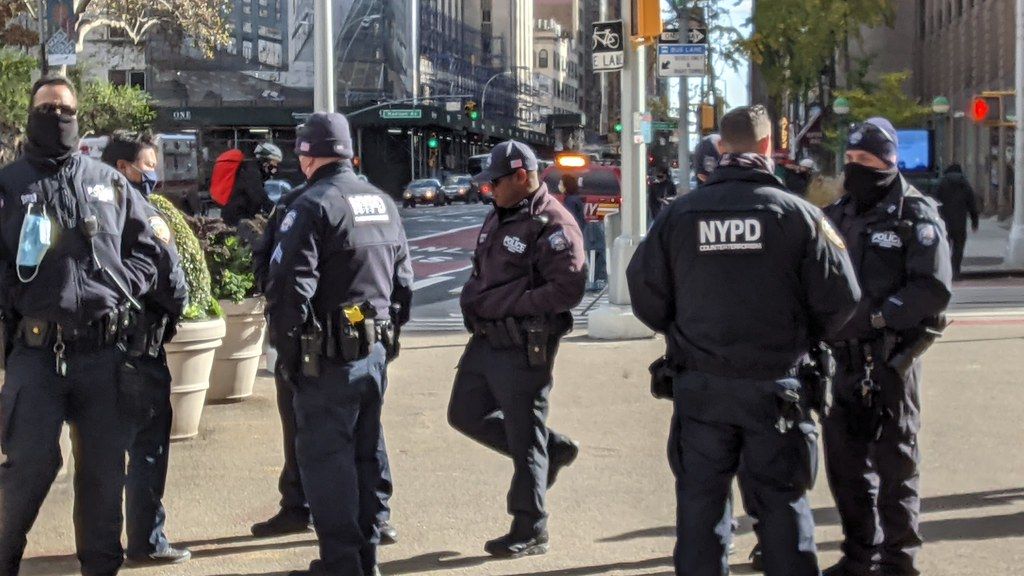
How Trump’s New Counterterrorism Strategy Puts You at Risk – Image for illustrative purposes only (Image credits: Flickr)
The Trump administration released its 2026 Counterterrorism Strategy last week, a 16-page document that outlines a revised set of priorities for U.S. national security efforts. The plan identifies three primary categories of threats and signals a departure from previous approaches that centered more narrowly on foreign Islamist networks. Officials described the update as a return to practical assessments of current risks, while critics argued it broadens the scope of counterterrorism tools in ways that could affect domestic political activity.
Updated Threat Categories and Policy Shifts
The strategy lists legacy Islamist terrorist organizations, narcoterrorists and transnational gangs, and violent left-wing extremists as the main areas of concern. It places groups such as Al Qaeda and the Islamic State alongside drug cartels like the Sinaloa and Jalisco New Generation organizations. The document also includes references to individuals described as anti-American, radically pro-transgender, or anarchist, which officials linked to broader efforts against perceived domestic challenges.
This framework marks a change from earlier national strategies issued after the September 11 attacks. Those documents focused primarily on dismantling foreign networks. The new version incorporates domestic elements that previous administrations had addressed through separate law enforcement channels rather than the full counterterrorism apparatus. National Security Council official Sebastian Gorka stated that the approach relies on reality rather than fabricated dangers and avoids using security tools for political purposes.
Domestic Focus and Legal Boundaries
The plan draws attention to activities that fall outside traditional terrorism definitions under U.S. law. No statute currently creates a formal domestic terrorism designation, and material support prosecutions have historically applied to foreign groups. The document nevertheless frames certain ideological positions, including opposition to capitalism or traditional views on family and religion, as potential indicators of threat.
Partner offer
Democratic lawmakers, including Rep. Valerie Foushee of North Carolina, described the strategy as an outline for actions against left-leaning activists. They noted that antifascist movements lack the organizational structure of designated terrorist entities. Experts such as Brian Finucane of the International Crisis Group observed that the administration has applied terrorism language to both alleged drug networks and domestic political opponents.
Key elements of the 2026 strategy include:
- Legacy Islamist networks as a continuing foreign priority
- Drug trafficking groups reclassified under counterterrorism authorities
- Domestic ideological categories tied to left-wing activism
- Absence of explicit references to right-wing extremism despite prior government data
International Operations and Regional Consequences
The strategy supports continued military actions against suspected drug vessels in the Caribbean Sea and Eastern Pacific Ocean. Reports indicate more than 190 civilian deaths from 58 strikes conducted since September 2025. Administration statements claim substantial reductions in maritime smuggling, though independent reviews and Pentagon figures have shown more modest declines.
In Africa, the document endorses expanded operations in countries such as Somalia and Nigeria. It highlights violence against Christian communities while downplaying land disputes and other drivers of conflict identified by independent monitors. Historians and policy analysts noted that the approach echoes earlier Monroe Doctrine principles but applies them through counterterrorism justifications rather than explicit new legal authorities.
Expert Assessments and Forward Outlook
Analysts from organizations including the Center for Strategic and International Studies have pointed to data showing right-wing extremism as responsible for the majority of domestic attack fatalities in recent years. The strategy omits detailed discussion of those patterns. Public Religion Research Institute president Robert P. Jones described the emphasis on certain ideologies as a potential constraint on protected speech and thought.
Implementation will depend on coordination among the Justice Department, intelligence agencies, and military commands. The document positions these efforts as essential for restoring national confidence, yet it leaves open questions about oversight and the distinction between criminal activity and protected expression. Officials continue to promote the plan through media appearances, while congressional oversight hearings are expected in the coming months.
Partner offer
Planning a trip to Vegas?
Compare hotel rates and show tickets on VEGAS.com.