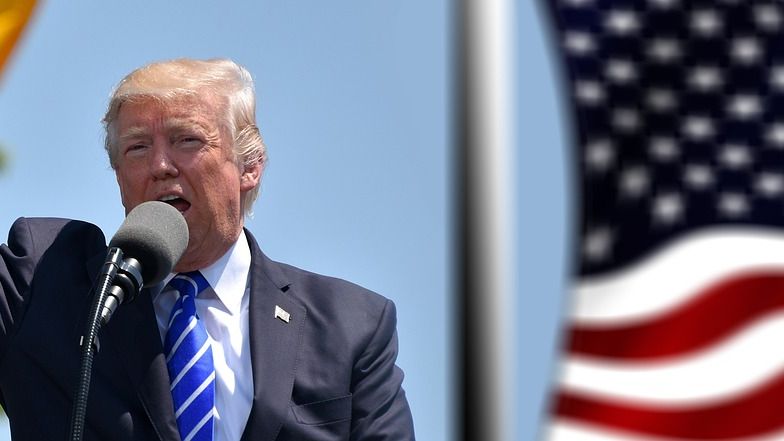
Trump’s new counterterrorism strategy makes targeting Western Hemisphere cartels the top priority – Image for illustrative purposes only (Image credits: Pixabay)
Washington – President Donald Trump approved a revised U.S. counterterrorism strategy that designates the eradication of drug cartels across the Western Hemisphere as the government’s foremost objective. The White House unveiled the document on Wednesday, building on an earlier national security update that positioned the region at the center of American priorities. This move underscores a deliberate pivot toward threats originating closer to home.
Background of the Strategic Shift
The administration had already intensified its regional footprint through high-profile interventions. Officials facilitated the removal of Nicolás Maduro from Venezuela’s presidency and ramped up pressure on Cuba’s leadership. Dozens of U.S. military operations targeted suspected cartel-operated vessels carrying drugs, resulting in at least 191 fatalities since operations began in early September.
These actions formed the groundwork for the new strategy, led by Sebastian Gorka, the White House’s counterterrorism director. Gorka emphasized during a media briefing that the policy reflects stark realities about threats to American lives. He noted that cartel-driven drug flows have claimed more U.S. victims than military casualties worldwide since World War II.
Core Focus: Confronting Cartel Operations
At the heart of the plan lies a commitment to dismantle cartel networks through multiple avenues. Authorities aim to disrupt financial pipelines that sustain these groups and monitor maritime routes used for smuggling. Gorka stated bluntly, “Whether it is strangling their illicit funds, whether it is tracking their drug boats, we will not permit them to kill Americans on a massive scale.”
Trump has also urged Latin American governments to join the effort more robustly. He described cartels and associated transnational gangs as an existential risk to hemispheric stability, calling for partner nations to deploy their own forces against traffickers. This approach seeks to foster collective action while maintaining U.S. leadership.
Key Elements of the Cartel Priority:
- Financial interdiction to cut funding sources
- Naval tracking and strikes on drug vessels
- Diplomatic pressure on regional governments
- Regional military cooperation against gangs
Other Priorities and Global Coordination
Beyond cartels, the strategy outlines additional fronts. It calls for neutralizing Islamist militant organizations capable of striking U.S. soil and dismantling secular extremist factions deemed anti-American, including those with anarchist leanings or radical ideological stances. Efforts to block nonstate actors from acquiring weapons of mass destruction round out the list.
Administration representatives planned discussions with international partners later that week to align counterterrorism measures. Gorka conveyed a firm expectation: “As the president made very clear, we will measure your seriousness as a partner and ally by how much you bring to the table. So we expect more – from our partners in the Middle East, as well as elsewhere.” This signals a broader recalibration of alliances based on tangible contributions.
Implications for U.S. Policy and the Hemisphere
The strategy reinforces the administration’s dedication to Western Hemisphere issues amid global distractions. Stakeholders ranging from U.S. border communities to Latin American leaders now face heightened expectations for collaboration. Practical outcomes could include expanded joint operations and stricter financial oversight on cartel assets.
Over time, success will hinge on sustained enforcement and partner buy-in. The focus promises to reshape counterterrorism resources, channeling them toward immediate dangers at America’s doorstep while keeping overseas risks in view.