



EPA Targets Obama-Era Foundation (Image Credits: Unsplash)
The Trump administration revoked a cornerstone environmental ruling last week, compelling lawmakers to take the lead on future climate and energy decisions.
EPA Targets Obama-Era Foundation
Environmental Protection Agency Administrator Lee Zeldin joined President Donald Trump on February 12, 2026, to announce the repeal of the 2009 Greenhouse Gas Endangerment Finding.[1][2]
Officials described the action as the largest deregulatory step in U.S. history. The finding had determined that six greenhouse gases endangered public health and welfare under the Clean Air Act. Zeldin emphasized that Congress never authorized such mandates, stating, “If Congress didn’t authorize it, EPA shouldn’t be doing it.”[1]
The repeal eliminates the EPA’s primary authority to impose federal greenhouse gas standards. Trump called the original policy “disastrous,” arguing it enabled executive overreach.[3]
Roots in Supreme Court Precedent
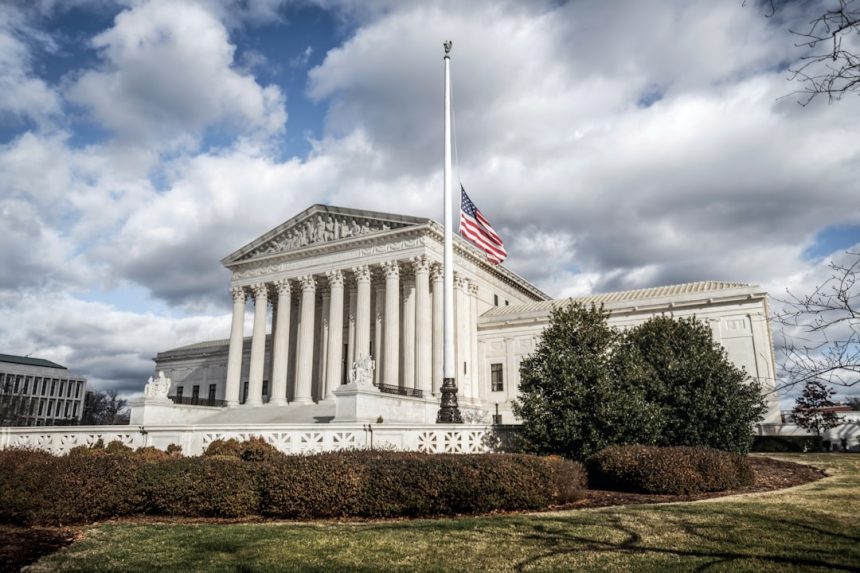
The endangerment finding stemmed from a 2007 Supreme Court decision in Massachusetts v. EPA. That ruling classified greenhouse gases as air pollutants subject to Clean Air Act oversight. EPA Administrator Lisa Jackson formalized the finding two years later amid congressional gridlock on climate legislation.
Regulators then used it to justify emissions controls on vehicles, power plants, and other sources.[4] The Clean Air Act, originally aimed at local pollutants like smog, became the vehicle for broader climate efforts. Critics contended this stretched the law beyond its intent.
Partner offer

Projected Savings and Market Shifts
The White House projected over $1.3 trillion in taxpayer savings from ending compliance requirements. New vehicle prices could drop by about $2,400 on average, as manufacturers shed emissions reporting burdens.[1][2]
Supporters highlighted benefits for energy reliability. Coal, which generates about 20 percent of U.S. electricity, faces retirement of over 55,000 megawatts in coming years amid rising demand.[1] The move halts forced shifts to electric vehicles and related credits.
- Eliminates federal vehicle emissions standards for model years 2012-2027 and beyond.
- Removes off-cycle credits, including for start-stop engine technology.
- Reduces regulatory costs for trucks and manufacturing.
- Supports continued use of reliable baseload power sources.
- Ends EPA oversight of greenhouse gas reporting.
Reactions Divide Along Familiar Lines
Industry leaders praised the repeal for refocusing the EPA on core missions. Michelle Bloodworth of America’s Power warned that prior rules threatened grid stability by accelerating coal plant closures. Daren Bakst of the Competitive Enterprise Institute viewed it as curbing government overreach in economic planning.[1]
Environmental groups decried the decision. The Sierra Club accused the administration of reversing progress and exposing companies to new lawsuits. States and nonprofits prepared court challenges, arguing the science remains settled.[3]
Courts Likely to Decide Final Fate
Litigation from opponents appeared inevitable. Challenges could test whether agencies can reinterpret foundational science without congressional input. The issue echoes the 2007 Supreme Court case that started it all.
Analysts predicted the dispute might reach the high court again. A favorable ruling for the administration would cement congressional primacy on major policies. Uncertainty persists as industries adjust to the new landscape.[4]
This repeal marks a pivotal turn, prioritizing elected lawmakers over regulators in shaping America’s energy future. It underscores ongoing tensions between executive action and legislative duty. What implications do you see for energy costs and reliability? Share your thoughts in the comments.
Key Takeaways
- Repeal saves $1.3 trillion and lowers vehicle costs by $2,400.
- Forces Congress to legislate climate rules explicitly.
- Sparks lawsuits likely headed to the Supreme Court.
Partner offer
Planning a trip to Vegas?
Compare hotel rates and show tickets on VEGAS.com.


