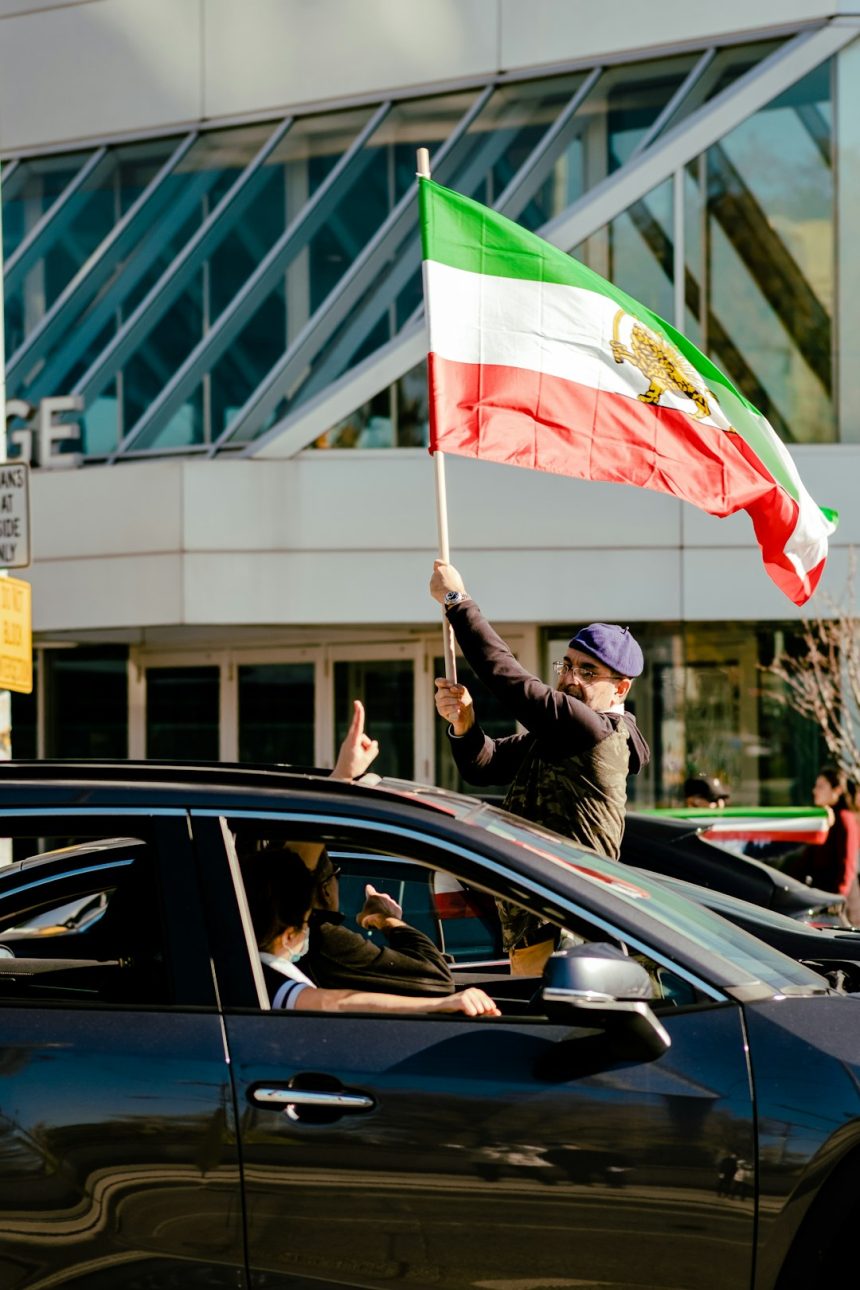

1,000 Troops from Elite Units Bolster U.S. Presence (Image Credits: Unsplash)
The Trump administration delivered a comprehensive 15-point ceasefire proposal to Iran via Pakistani intermediaries, aiming to pause hostilities in a conflict that has gripped the Middle East since late February.[1][2] This diplomatic overture arrived as the U.S. military accelerated deployments to the region, blending negotiation with reinforced military readiness. Global markets reacted swiftly, with oil prices fluctuating amid hopes for de-escalation.[3]
1,000 Troops from Elite Units Bolster U.S. Presence
The Pentagon announced plans to dispatch at least 1,000 soldiers from the 82nd Airborne Division, an elite emergency response force skilled in parachute insertions into contested areas.[1] These troops will join roughly 50,000 American service members already stationed across the Middle East. In parallel, two Marine Expeditionary Units – totaling about 5,000 Marines and several thousand sailors – are steaming toward the theater aboard naval vessels.
Officials described these movements as providing President Trump with maximum operational flexibility. Speculation swirled around possible U.S. intentions to secure Iran’s Kharg Island, a critical hub in Tehran’s oil export network that sustained damage from earlier airstrikes but retained key infrastructure. Iran warned it would mine the Persian Gulf should American forces attempt a landing.[2]
Diplomatic Channels Open Through Pakistan
Pakistan emerged as a pivotal mediator, with Prime Minister Shehbaz Sharif publicly pledging to host “meaningful and conclusive talks” between Washington and Tehran. Intermediaries from Islamabad conveyed the U.S. proposal, which sources described as outlining contours for a temporary halt in fighting.[1] Pakistani officials, alongside Egyptian and Gulf diplomats, confirmed the U.S. had agreed in principle to participate, potentially as early as next week.
U.S. negotiators could include special envoy Steve Witkoff and Jared Kushner, Trump’s son-in-law, alongside Secretary of State Marco Rubio and Vice President JD Vance. Initial efforts centered on building trust: establishing a fighting pause, safeguarding energy infrastructure from attacks, and devising a framework for Iran to reopen the Strait of Hormuz – a chokepoint it had sealed, disrupting shipping and spiking fuel costs worldwide.[3]
- Pakistan hosts potential talks, excluding Israel.
- Focus on Strait of Hormuz reopening.
- Prevention of strikes on oil and power facilities.
- Trust-building measures to enable broader negotiations.
- U.S. envoys: Witkoff, Kushner, Rubio, Vance.
Conflict’s Toll Mounts Despite Outreach
The war ignited on February 28 with U.S. airstrikes on Iranian targets, prompting retaliatory missile and drone barrages from Tehran against Israel and Gulf positions. Israel responded with strikes on Iranian production facilities and Hezbollah strongholds in Beirut’s suburbs, where attacks killed at least eight people, including a young child, and displaced over a million Lebanese.[2] Casualties mounted steadily: more than 1,500 dead in Iran, over 1,000 in Lebanon, 16 in Israel, at least 13 U.S. troops, and dozens of civilians across the West Bank and Gulf states.
Brent crude oil surpassed $100 per barrel, a nearly 40% surge since hostilities began, hammering economies reliant on stable energy supplies. Brief news of talks trimmed prices temporarily and lifted stock markets, but fresh strikes – including Iranian missiles wounding civilians in Israel and blasts in Tehran – underscored the fragility of progress.[1]
Iran Rejects Overture, Vows Continued Fight
Tehran swiftly dismissed the proposal. Iranian officials, including Parliament Speaker Mohammad Bagher Qalibaf, denied any direct negotiations. Foreign Minister Abbas Araghchi’s office acknowledged discussions with counterparts but stopped short of confirming U.S. talks.
Military spokesmen struck a defiant tone. Maj. Gen. Ali Abdollahi Aliabadi declared on state television, “Iran’s powerful armed forces are proud, victorious and steadfast in defending Iran’s integrity, and this path will continue until complete victory.”[2] Another officer mocked the U.S. effort, questioning American resolve. President Trump countered optimistically, stating, “We have a number of people doing it. And the other side, I can tell you, they’d like to make a deal.”[1] He postponed threats to target Iranian power stations, extending a deadline on the Strait of Hormuz to nurture diplomacy.
Uncertain Road Ahead
Israeli leaders expressed surprise at the U.S. initiative, having urged sustained pressure on Iran. Lebanon’s government escalated tensions by declaring Iran’s ambassador persona non grata and banning its flights over fears of arms transfers to Hezbollah. An AP-NORC poll indicated growing American unease, with most viewing military involvement as excessive.[2]
Though specifics of the 15 points remain closely held, the proposal represents Trump’s signature blend of pressure and deal-making. Success hinges on Iran’s willingness to engage amid battlefield momentum and domestic politics.
Key Takeaways:
- U.S. deploys 1,000+ airborne troops and 5,000 Marines for flexibility.
- Pakistan mediates; talks may start soon, focusing on Hormuz Strait.
- Iran denies talks, pledges victory; Trump sees deal potential.
This pivotal moment could reshape the Middle East – or prolong the chaos. What do you think about the ceasefire prospects? Tell us in the comments.