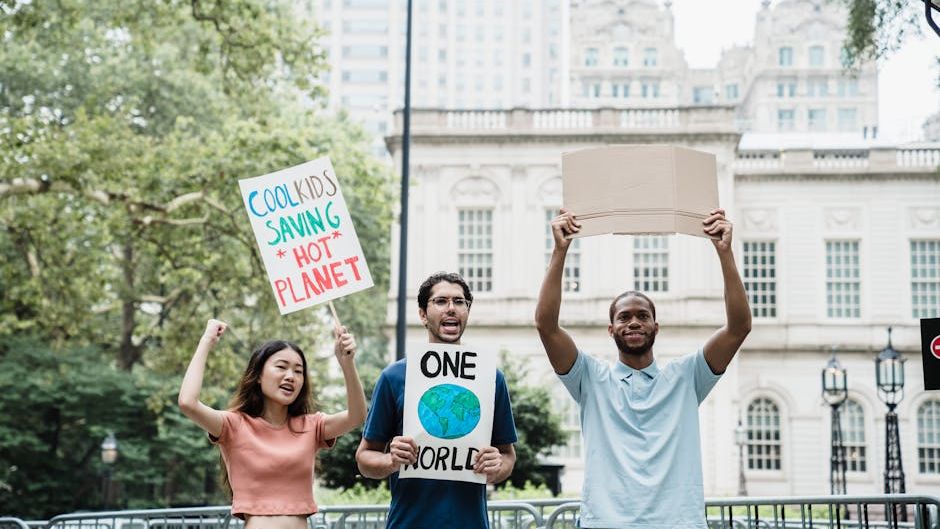

Alarmist Fussing at NYT Climate Reporting – Image for illustrative purposes only (Image credits: Pexels)
Political changes in Washington have altered the tone of national debates over energy and climate policy. Observers note that former President Trump’s emphasis on practical outcomes rather than strict emission targets has placed traditional advocates on the defensive. This adjustment appears to have encouraged media outlets to present a wider range of viewpoints in their reporting.
Political Realignment Reshapes the Debate
The return of a more pragmatic approach to energy issues has coincided with noticeable adjustments in how major publications cover climate topics. Where earlier coverage often highlighted worst-case scenarios, recent stories have included discussions of adaptation measures and economic trade-offs. This evolution reflects broader public sentiment that favors balanced analysis over one-sided alarm.
Analysts attribute the change to sustained policy signals that prioritize affordability and reliability alongside environmental goals. As a result, outlets like The New York Times have faced questions about whether their framing still aligns with the current political mainstream. The shift has prompted internal discussions within advocacy circles about how to respond effectively.
Critics React to Perceived Balance in Reporting
Some longtime climate commentators have expressed frustration with stories that acknowledge both risks and practical constraints. They argue that any departure from urgent warnings risks undermining public support for aggressive action. These reactions have surfaced in online commentary and opinion pieces that question the motives behind more measured coverage.
The tension stems from a recognition that two-sided reporting can highlight uncertainties in long-term projections. Supporters of the new tone contend that such balance better serves readers by presenting available evidence without exaggeration. This dynamic has left certain advocacy groups adjusting their messaging strategies in real time.
Implications for Future Coverage
Media organizations now operate under greater pressure to weigh scientific findings against policy realities. The result is a reporting environment that includes economic impacts, technological feasibility, and regional differences more prominently than before. This approach aligns with audience demand for context rather than repeated emphasis on catastrophe.
Over time, the pattern suggests climate stories will continue to evolve alongside political developments. Outlets that adapt by incorporating multiple perspectives may maintain credibility across a wider spectrum of readers. Those that resist risk appearing disconnected from the prevailing conversation.
Key points emerging from the shift:
- Greater inclusion of adaptation and cost considerations in climate stories
- Increased scrutiny of one-sided framing in major outlets
- Recognition that political changes influence media tone and public reception