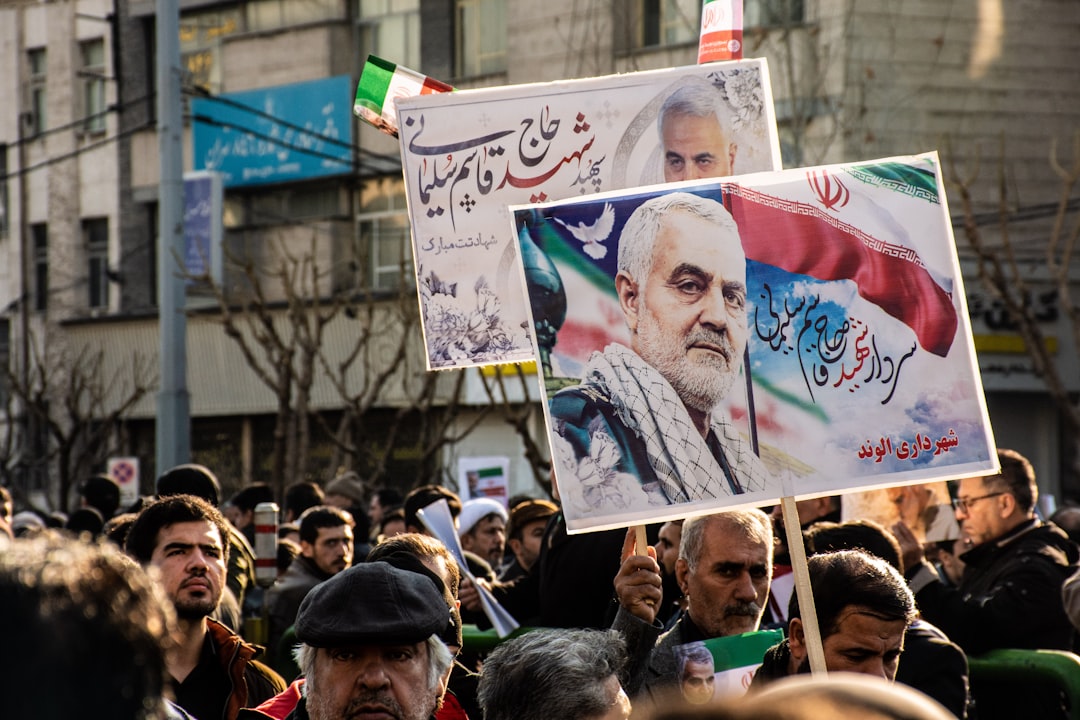

A President’s Doomsday Rhetoric Shocks the World (Image Credits: Unsplash)
President Donald Trump heightened tensions in the ongoing conflict with Iran on Tuesday by posting a dire warning on Truth Social. He declared that a “whole civilization will die tonight, never to be brought back again” unless Tehran agrees to reopen the Strait of Hormuz by 8 p.m. ET.[1][2] The threat arrived hours after U.S. forces struck military targets on Kharg Island, Iran’s key oil export facility, sparing vital energy infrastructure.[1][3] Iranian officials responded by rallying civilians to protect power plants, signaling fears of broader assaults.
A President’s Doomsday Rhetoric Shocks the World
Trump’s message cut through global discourse like a thunderbolt. He emphasized reluctance yet inevitability: “I don’t want that to happen, but it probably will,” while hinting at a slim chance for “something revolutionarily wonderful.”[1] This marked the latest in a series of self-imposed deadlines, previously extended, now portrayed as final. Vice President JD Vance expressed confidence in Iran’s capitulation, underscoring U.S. leverage in negotiations.[2]
The post followed reports of intensified airstrikes across Iran, including on bridges and rail lines. Trump dismissed concerns over potential war crimes, telling reporters he felt “not at all” worried about targeting infrastructure like power plants and bridges.[4] Such statements drew sharp rebukes from world leaders, who invoked international law prohibiting civilian infrastructure attacks.
U.S. Precision Strikes Target Kharg Island Strongholds
Overnight operations delivered a punishing blow to Iranian military assets on Kharg Island, the hub handling 90 percent of Tehran’s oil exports. U.S. Central Command confirmed strikes on more than 90 targets, including air defenses, radar sites, an airport, and a hovercraft base – marking the second assault on the facility.[3] An anonymous White House official verified the actions spared oil facilities, focusing solely on defensive capabilities.[1]
These hits compounded earlier barrages on Tehran residential zones, Khorramabad Airport, and provinces like Alborz, where state media reported 18 deaths. Israel contributed with strikes on a Shiraz petrochemical complex and rail infrastructure used by Revolutionary Guards. Casualties mounted, with over 1,900 lives lost in Iran alone since hostilities erupted on February 28.[1]
Iran Mobilizes in Defiance as Missiles Fly
Tehran refused to yield. President Masoud Pezeshkian announced that 14 million citizens, including himself, volunteered to fight, vowing personal sacrifice for the nation.[2] Officials like Alireza Rahimi called on youth, athletes, and students to form human chains around power plants, bracing for Trump’s threatened onslaught.
Partner offer

- Revolutionary Guards warned of severing regional oil and gas supplies “for years” in retaliation.
- Seven ballistic missiles targeted Saudi Arabia, briefly shuttering the King Fahd Causeway.
- Additional launches struck near Tel Aviv and Eilat in Israel.
- Strikes wounded over a dozen in the UAE and damaged sites in Lebanon.
Ordinary Iranians voiced despair amid blackouts and shortages. One Tehran teacher lamented a potential return to the “Stone Age” without electricity, water, or internet.[1]
Oil Shockwaves and Diplomatic Strains Grip the Globe
The Strait of Hormuz closure, vital for one-fifth of world oil, propelled Brent crude above $108 per barrel – a 50 percent surge since late February. U.S. gasoline averaged $4.14 per gallon, up 39 percent, straining households from Las Vegas to Europe.[3] France reported nearly one in five fuel stations dry, while Italy rationed jet fuel.
| Impact Area | Effect |
|---|---|
| U.S. Gasoline | $4.14/gal (+39% since Feb) |
| Brent Crude | >$108/barrel (+50%) |
| U.S. Stocks | S&P 500 down 0.5% |
| Europe Fuel | Stations short; resupply trucks deployed |
Indirect talks via Pakistan, Egypt, and Turkey persisted, with Iran demanding a permanent ceasefire and sanctions relief – particularly on oil – in exchange for reopening the strait. Russia and China vetoed a U.N. resolution urging access. French and Canadian leaders pleaded for restraint to avert catastrophe.[2]
Uncertain Path Forward as Midnight Approaches
The war has claimed thousands: over 3,400 across the Middle East, including 13 U.S. service members and widespread displacement in Lebanon. Netanyahu hailed a shift in regional power balances, while mediators raced against the clock.
Trump’s gamble pits military might against economic chokeholds, but escalation risks profound fallout. As the deadline looms, the world holds its breath for signs of de-escalation or devastation.
Key Takeaways
- U.S. prioritizes military targets but eyes infrastructure if unmet demands persist.
- Iran’s human shield tactics and missile volleys underscore resolve amid civilian tolls.
- Global energy crisis deepens, with diplomacy offering the sole off-ramp.
Resolution hangs by a thread – what outcome do you foresee? Share your thoughts in the comments.
Partner offer
Planning a trip to Vegas?
Compare hotel rates and show tickets on VEGAS.com.