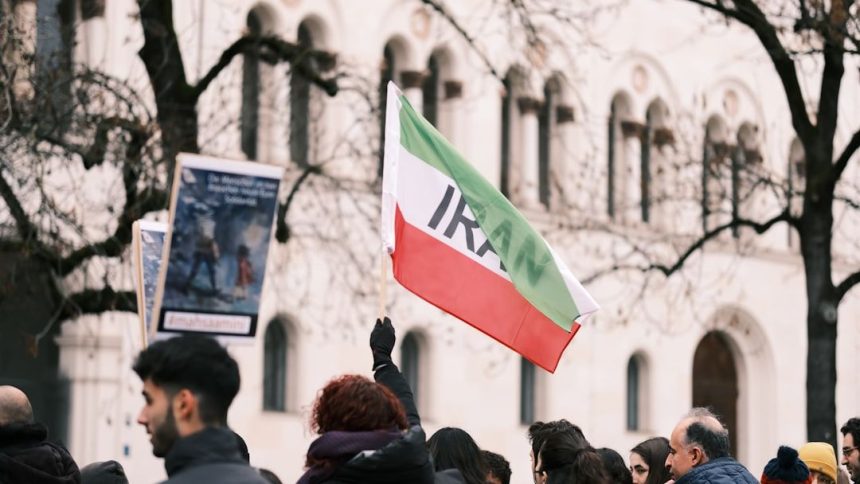
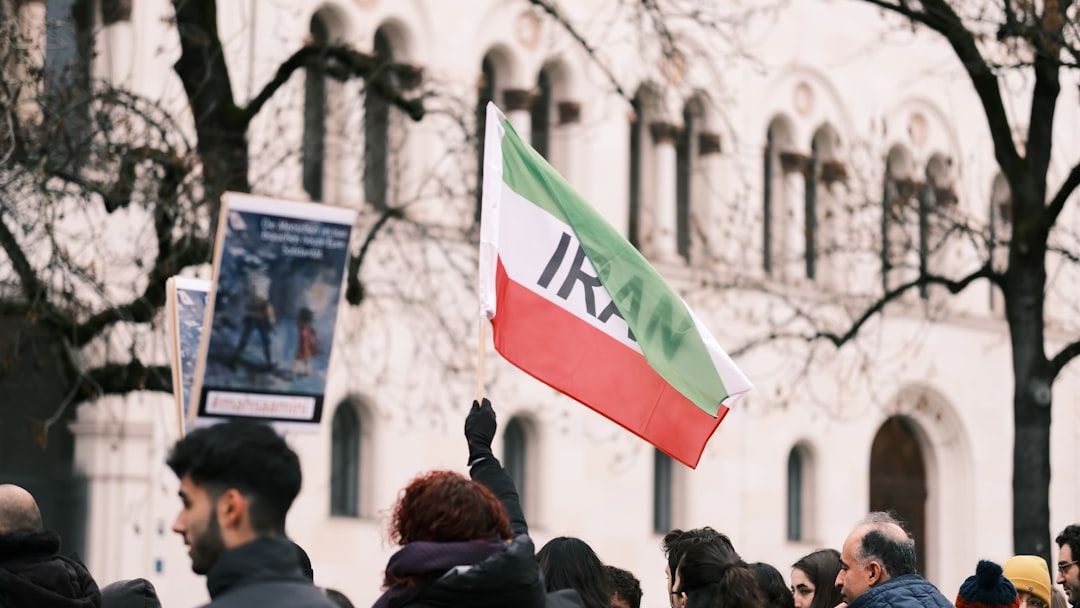
Trump threatens Iran strikes, says it's too soon for new direct talks – Image for illustrative purposes only (Image credits: Unsplash)
President Donald Trump delivered a direct warning to Iran amid fragile diplomatic efforts to end a war that has gripped the Middle East for over two months. He threatened bombing at a “much higher level and intensity” should Tehran reject a proposed peace memorandum, even as reports highlighted progress in indirect negotiations. The statement coincided with a temporary halt to a U.S. military escort mission in the Strait of Hormuz, signaling cautious optimism tempered by firm resolve.[1][2]
A Clear Line in the Sand
Trump laid out his position in a post on Truth Social, framing the choice starkly for Iranian leaders. “If they don’t agree, the bombing starts, and it will be, sadly, at a much higher level and intensity than it was before,” he wrote.[1] This followed the U.S.-led campaign known as Operation Epic Fury, which targeted Iranian positions and contributed to disruptions in vital sea lanes.
The threat underscored the high stakes after initial strikes disrupted global energy flows. U.S. officials described the prior phase of military action as effective but now potentially expandable. Iran faced pressure not only from Washington but also from economic strains caused by the conflict.
Diplomatic Channels Show Promise
Negotiators from the United States and Iran edged closer to a one-page memorandum of understanding designed to halt hostilities and outline future nuclear discussions. Pakistan served as the key intermediary, with Tehran currently reviewing the American proposal before relaying feedback through Islamabad.[2] A senior Iranian lawmaker characterized the document as resembling a U.S. “wish list,” hinting at sticking points yet to resolve.
Trump addressed the pace of engagement in an interview with the New York Post, declaring it “too soon” for face-to-face discussions. This stance reflected a strategy of leveraging indirect talks while maintaining leverage through military posture. Pakistani Prime Minister Shehbaz Sharif expressed hope that the momentum could yield a durable accord.
“Assuming Iran agrees to give what has been agreed to, which is perhaps a big assumption, the already legendary Epic Fury will be at an end.”[1]
Project Freedom Paused Amid Hope
The U.S. suspended Project Freedom, its operation to guide commercial vessels through the blockaded Strait of Hormuz, for at least one day. Secretary of State Marco Rubio noted that the move came “by mutual agreement” to foster negotiations, shifting focus from active escort duties to defensive measures protecting stranded crews.[2] This pause affected ships carrying civilians from 87 nations, totaling around 23,000 people.
Partner offer
Earlier, the mission aimed to counter Iranian restrictions on passage, which had stranded vessels and heightened risks in the waterway. Iran’s Revolutionary Guards Navy indicated that safe transit could resume under new protocols if threats subsided. The decision highlighted a delicate balance between de-escalation and readiness.
Oil Markets React Sharply
Global crude prices tumbled on news of potential resolution, with Brent falling 9.3 percent to $99.64 per barrel and West Texas Intermediate dropping 10.7 percent to $91.33. Later updates showed further declines to around $89.76, reflecting investor bets on restored flows through the strait.[1][2]
The war’s toll extended beyond energy, sparking a jet fuel shortage in Europe that prompted Israel to supply Germany. Airlines curtailed flights, and a recent attack on the French container ship San Antonio in the strait injured crew members and damaged the vessel. These disruptions rippled through supply chains worldwide.
- Stranded ships: Dozens awaiting safe passage, impacting trade from multiple nations.
- Oil supply: Weeks of upheaval driving year-over-year price gains despite recent drop.
- Regional allies: France deploying its Charles de Gaulle carrier group alongside Britain for navigation security.
Broader Regional Shadows
Israel, a key U.S. partner, continued strikes against Hezbollah in Lebanon, issuing evacuation orders and preparing for possible wider operations without apparent knowledge of the deal’s proximity. China called for a full ceasefire and backed Iran’s push for a post-war security framework. Iraq received U.S. urging to curb pro-Iran militias.
These dynamics illustrated the conflict’s expansive reach, from Gulf waters to Lebanese borders. While the pause offered breathing room, unresolved tensions with proxies and neighbors loomed large. Stakeholders watched closely as mediators bridged gaps between competing demands.
The coming days will test whether Trump’s blend of carrot and stick propels a breakthrough or reignites confrontation. With oil markets volatile and shipping lanes in limbo, the path to stability hinges on Iran’s response to the proposal.
Partner offer
Planning a trip to Vegas?
Compare hotel rates and show tickets on VEGAS.com.