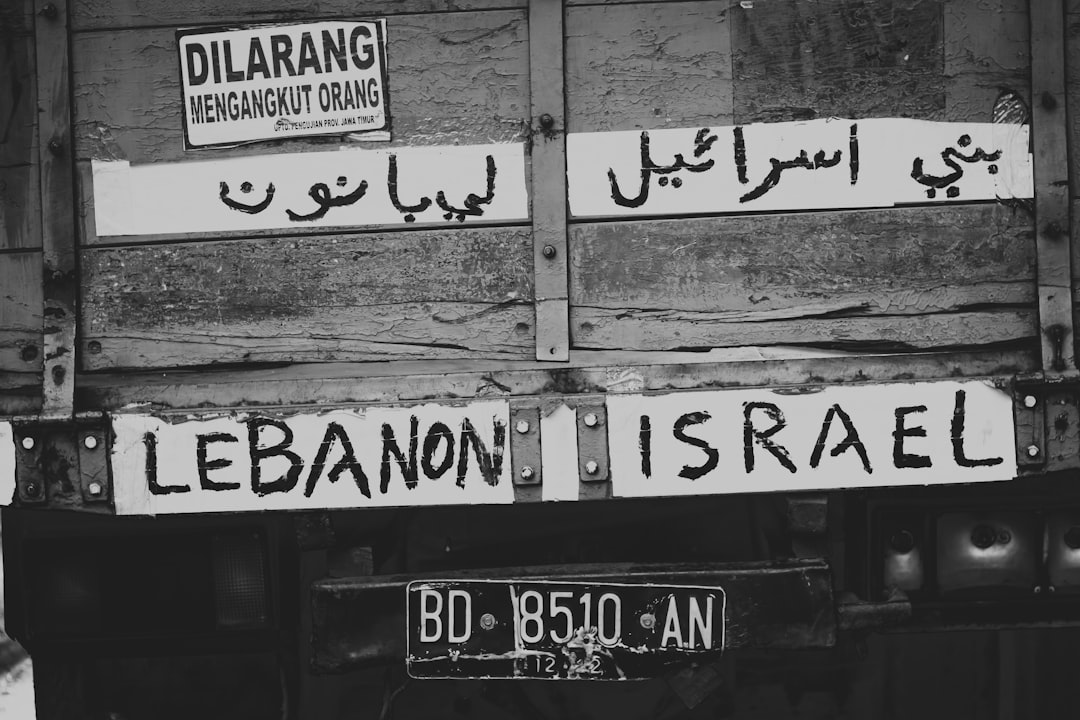

Trump Closes Door on Diplomacy (Image Credits: Unsplash)
U.S. President Donald Trump issued a stark demand for Iran’s unconditional surrender amid escalating Israeli airstrikes across Lebanon.[1][2]
Trump Closes Door on Diplomacy
President Trump appeared to eliminate any prospect of immediate talks with Iran through a forceful post on Truth Social. He stated unequivocally that no agreement would proceed without the nation’s full capitulation. This position emerged on the seventh day of intensified conflict in the region. Trump also addressed the Iranian populace directly, encouraging them to reclaim their country while promising immunity from repercussions.[3]
The declaration marked a significant hardening of U.S. policy. Trump envisioned a post-surrender scenario where new leadership, deemed acceptable by Washington and its allies, could steer Iran toward economic recovery. Such rhetoric underscored a preference for regime change over compromise. Observers noted the post’s timing, just as mediation efforts surfaced from various quarters.[4]
Israel’s Strikes Intensify in Lebanon
Israeli warplanes conducted some of the most severe bombardments in Lebanon since a 2024 ceasefire halted the previous clash with Hezbollah. Targets included areas in Beirut, linked to the Iran-backed militia. These actions represented the heaviest since that fragile truce took effect. Military officials justified the operations as responses to ongoing violations.[1][5]
Partner offer

The strikes extended beyond Lebanon, reaching Tehran as well. Iran countered with retaliatory attacks on Israel and sites in Gulf states. Casualties mounted across the affected zones, straining humanitarian responses. The cycle of escalation tested the limits of prior agreements.[6]
Roots in 2024 Hezbollah Conflict
The current flare-up traced back to the 2024 war between Israel and Hezbollah, which concluded with a ceasefire. That agreement aimed to curb Hezbollah’s presence south of the Litani River. Yet, persistent violations eroded its stability over time. Recent exchanges reignited full-scale operations.
- Hezbollah maintained armed positions in violation of truce terms.
- Israel cited drone facilities and rocket sites as primary targets.
- Ceasefire held unevenly, with sporadic incidents preceding this surge.
- Iran’s support for Hezbollah fueled the proxy dynamic.
- Broader regional tensions amplified the risks.
Broader Regional Fallout
The conflict disrupted oil markets and prompted evacuations of foreign nationals. Gulf nations braced for spillover effects from Iranian reprisals. U.S. strikes contributed to depleted munitions stockpiles, spurring domestic production pushes. Allies weighed their roles amid the uncertainty.
| Key Belligerents | Actions Taken |
|---|---|
| Israel | Airstrikes on Beirut, Tehran |
| Iran | Retaliatory launches on Israel, Gulf |
| U.S. | Strikes supporting Israel; diplomatic hardline |
International calls for restraint competed with Trump’s resolute tone. Mediation proposals gained little traction. The war entered its critical phase with no clear de-escalation path.
- Trump’s demand prioritizes surrender over negotiation.
- Lebanon strikes mark peak intensity post-2024 truce.
- Conflict risks wider involvement across Middle East.
As the seventh day closed, Trump’s ultimatum and Israel’s operations signaled a protracted standoff. The demand for unconditional surrender reshaped expectations for resolution. Regional stability hung in the balance. What do you think about this escalation? Tell us in the comments.
Partner offer
Planning a trip to Vegas?
Compare hotel rates and show tickets on VEGAS.com.