Some of television’s most beloved shows didn’t exactly burst out of the gates. They stumbled, they struggled, they tested viewers’ patience in those early episodes. Maybe the tone felt off, or the characters hadn’t quite clicked yet. Perhaps the premise seemed too dense, too slow, or just plain confusing. Whatever the reason, these series needed time to find themselves – time that modern streaming executives rarely grant anymore. Yet the ones that survived that awkward phase? They became cultural touchstones, shows that people still talk about years after the final credits rolled.
The Wire

Despite achieving critical acclaim that would cement its legacy, The Wire’s fifth season averaged less than a million viewers. In the UK, the series opener on FX attracted just 38,000 viewers. The show’s intricate portrayal of Baltimore’s institutions demanded serious attention from audiences, which honestly made it a tough sell in the early 2000s when people were used to more conventional cop procedurals. The Wire presented an incredibly dense piece of storytelling that had no easy resolutions by the end of episodes, or even the end of the show itself.
Still, the sprawling cop show developed an extraordinary afterlife, gathering adoration through massive DVD sales and internet viewings. Barack Obama named the show his favourite, an alarmingly candid confession given The Wire’s brutal depiction of politics and corruption. Today it’s widely considered one of the greatest dramas ever made, which is pretty remarkable for a show that nearly didn’t get renewed multiple times due to its shockingly low broadcast numbers.
Parks and Recreation
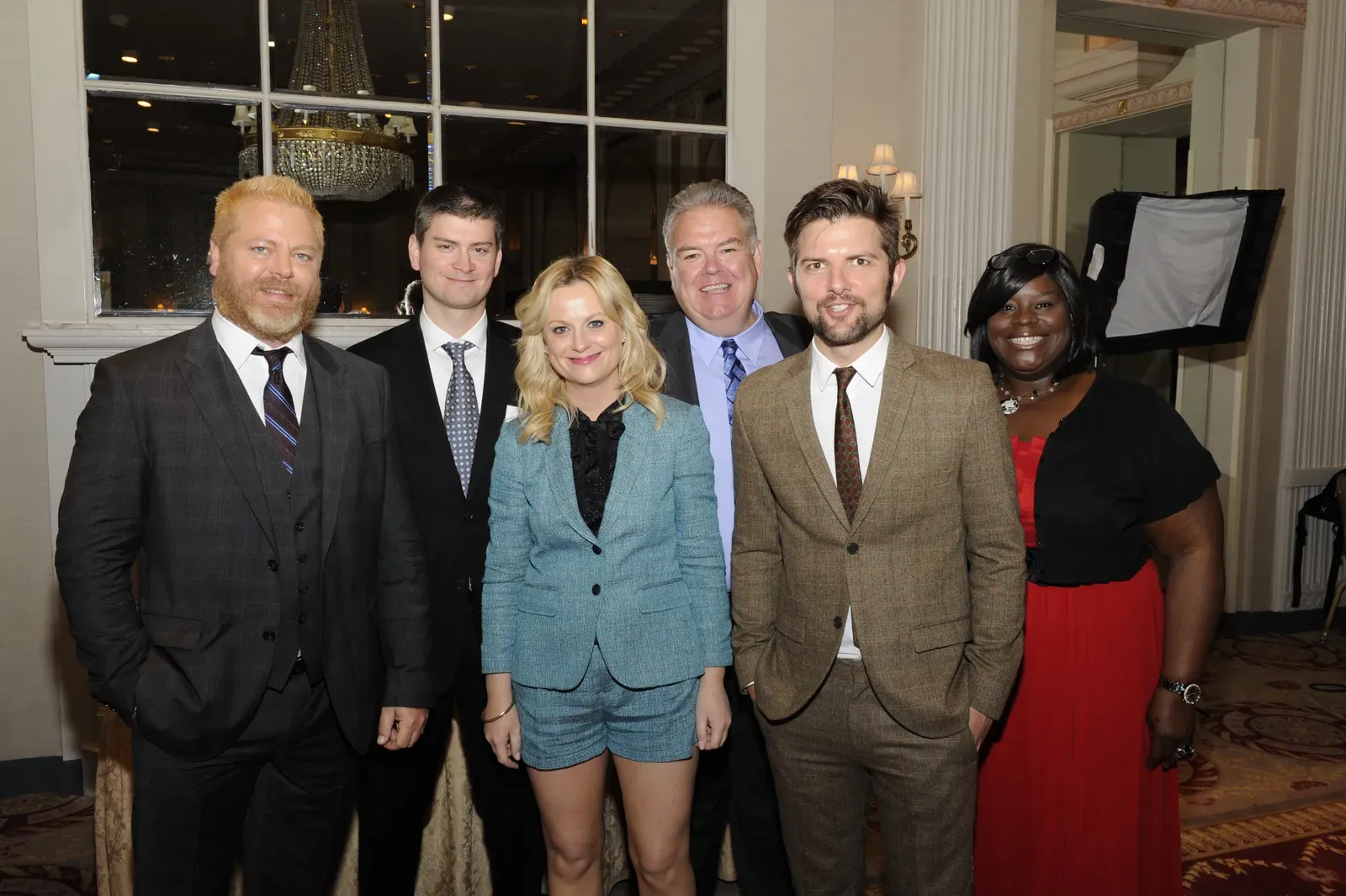
Season one is widely regarded as the weakest of Parks & Recreation’s repertoire, with the show finding its footing only in the last few episodes of the first season. Leslie Knope was too intense initially, to the point where audiences found her unintelligent and silly – changes in season two made her less intense but still passionate, showing a more human side. The show was rushed into production and it showed. Many fans actually encourage newcomers to skip the first season entirely or watch it after season two.
After very mixed reviews on season one, the team redeveloped the show’s tone and format, which basically saved the show. The addition of characters like Ben and Chris transformed the dynamics completely. Season three is now considered the show’s ultimate sweet spot, where everything finally clicked. The transformation from awkward Office clone to beloved comfort watch with its own distinct identity remains one of the most impressive course corrections in sitcom history.
Breaking Bad
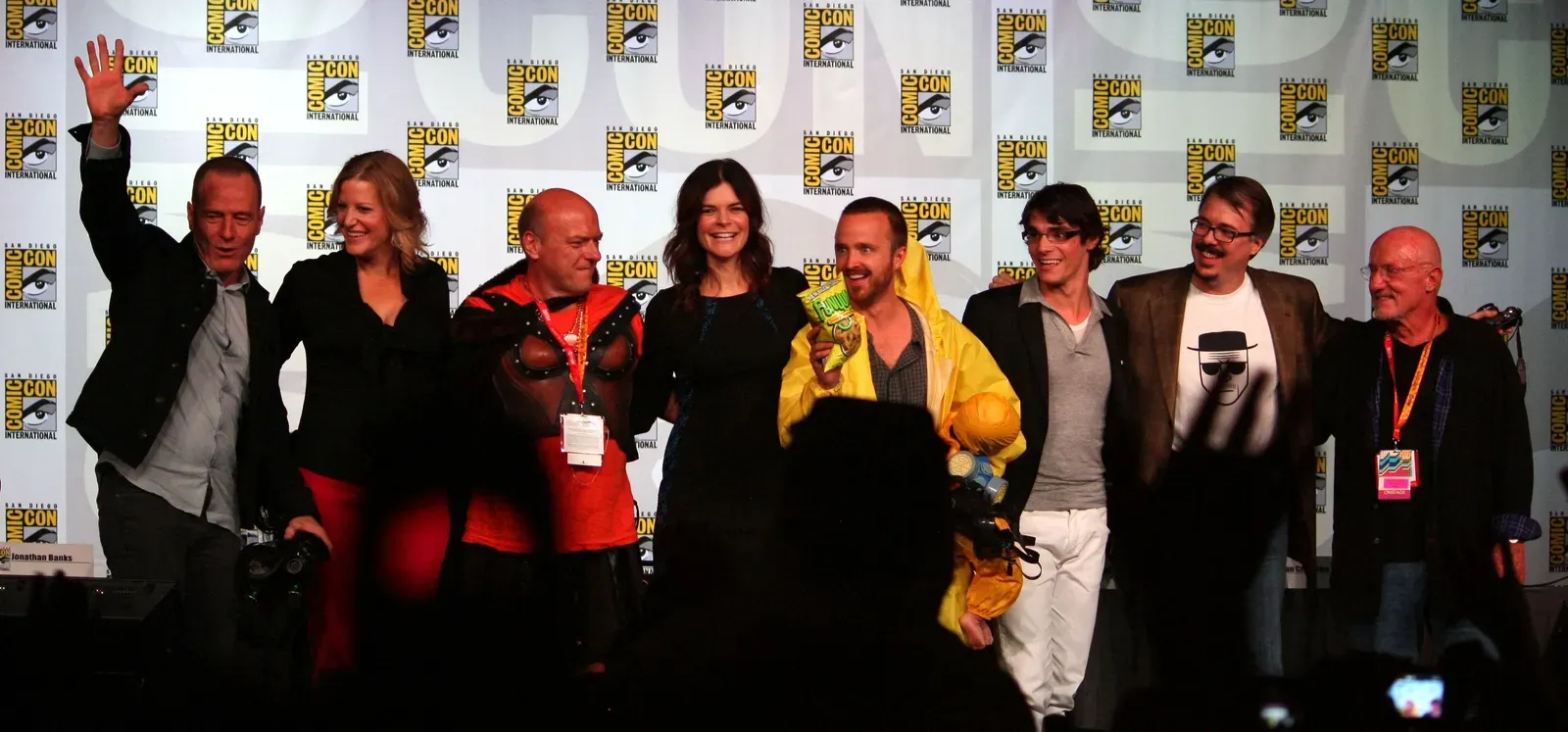
Here’s the thing about Breaking Bad: ratings for the final episode were up 300% over the previous year’s finale, demonstrating the remarkable growth of this iconic series. The series finale delivered a record 10.3 million viewers, including 6.7 million adults aged 18-49. Think about that trajectory for a second. Most successful veteran series peak in their third or fourth season, but Breaking Bad is a clear exception.
When Breaking Bad returned for the first of its final eight episodes on August 11, 2013, it drew 5.9 million viewers, up 102 percent over its season five premiere the previous year. The show built momentum slowly, methodically, letting Walter White’s transformation unfold at a pace that initially frustrated some viewers but ultimately paid off spectacularly. Word of mouth kept building, and by the time that finale aired, it had become a genuine cultural phenomenon.
Seinfeld

It sounds absurd now, considering how Seinfeld became a comedy juggernaut that defined an entire era, yet the show barely survived its first season. NBC executives weren’t convinced America wanted a show about nothing. The pilot tested poorly with focus groups who found the characters too cynical and unlikable. The network ordered only four additional episodes after the pilot, hardly a vote of confidence.
The show’s unconventional structure – no hugging, no learning, as Larry David famously put it – took time for audiences to grasp. Early ratings were mediocre at best. Yet something shifted as viewers began to appreciate the show’s distinct rhythm and absurdist humor. By its later seasons, Seinfeld dominated Thursday nights, and its finale in 1998 attracted over 76 million viewers, making it one of the most-watched television events in history.
Severance

After a three-year hiatus, Severance returned with a highly anticipated resolution to one of television’s most stressful cliffhangers, delivering a second season packed with unexpected twists and deepening Lumon’s many mysteries. With its slow-burn tension and layered storytelling, Andor has become a favorite for fans who crave depth and realism in their galaxy far, far away. The first season didn’t immediately grab massive viewership, but this enigmatic Apple TV+ series presents a stark dichotomy between a torturous workplace and serene personal existence, with the slow-burning narrative unfurling like a blackened rose, revealing thorny secrets.
The dystopian workplace thriller requires patience and attention. Its deliberately paced mysteries and unsettling atmosphere aren’t designed for casual viewing. Yet those who stuck with it became obsessed, dissecting every detail and theory online. The three-year wait between seasons only intensified the fanbase’s devotion, turning what started as a niche sci-fi drama into one of the most discussed shows on Apple TV+.
Stranger Things
Stranger Things debuted in 2016 but was able to keep building momentum so that when season four dropped six years later, it was popular – third-most-watched-season-ever-on-Netflix popular. The show didn’t start as an instant megahit. Netflix dropped it in summer 2016 without much fanfare, and it took weeks for viewership to build through word of mouth and social media buzz.
The nostalgic 1980s aesthetic and compelling child performances gradually won over audiences. Parents recommended it to friends. Teens discovered it independently. In 2021, the number of shows on Netflix that spent at least 10 weeks in the Nielsen top 10 for the service in a given year was a solid 19 – nineteen series had a long tail, finding a way into viewers’ queues week after week. Stranger Things exemplified this slow-build phenomenon perfectly, eventually becoming one of Netflix’s most valuable properties and spawning countless Halloween costumes and Eggo waffle memes.