


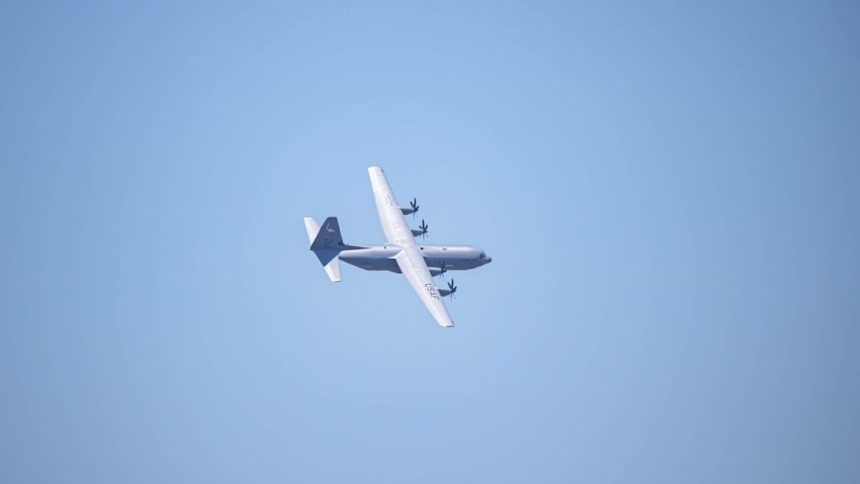


A Surge of U.S. Spy Planes Over Cuba, and Retailers’ $20 Billion Bet on Physical Stores – Image for illustrative purposes only (Image credits: Unsplash)
Recent weeks have brought a noticeable uptick in U.S. military reconnaissance operations around Cuba, with surveillance aircraft and drones operating closer to the island than in prior periods. At the same time, the nation’s largest retailers have announced plans to spend at least $20 billion renovating thousands of existing stores through the end of the decade. These parallel developments highlight shifting priorities in both national security posture and consumer retail strategy.
Surveillance Operations Expand in the Caribbean
Since early February, U.S. Navy and Air Force units have carried out at least 25 intelligence-gathering flights near Cuban shores, according to aviation tracking data. Most missions have focused on areas around Havana and Santiago de Cuba, with some aircraft approaching within 40 miles of the coastline.
The aircraft involved include P-8A Poseidon maritime patrol planes for broad surveillance, RC-135V Rivet Joint jets specialized in signals intelligence, and MQ-4C Triton high-altitude drones. Officials describe the increased activity as a visible signal to Cuban authorities that monitoring remains active.
The pattern echoes earlier buildups observed before U.S. operations in other regions, though no specific new mission has been announced. The flights form part of a wider military presence expected to grow in the Caribbean in coming weeks.
Partner offer

Retail Chains Invest Heavily in Physical Locations
Leading retailers such as Walmart, Target, and Dollar General are directing billions toward store renovations aimed at improving the in-person shopping experience. The collective effort covers more than 12,000 locations across the country.
Upgrades include brighter lighting, wider aisles, and updated layouts designed to increase efficiency for both customers and staff. Companies are proceeding even as online sales continue to grow, betting that refreshed physical stores can recapture spending and build loyalty.
Industry analysts note that these renovations represent a long-term commitment rather than a short-term response, with spending spread across the decade. The move comes as retailers seek to differentiate their outlets from purely digital competitors.
Connecting Security Signals and Consumer Trends
While the two stories operate in separate domains, they both illustrate how established institutions are adapting to evolving conditions. Heightened aerial activity near Cuba underscores ongoing attention to regional stability, whereas retail investments reflect a calculated response to changing shopper habits.
Observers point out that such developments often receive attention together in weekly news roundups because they capture distinct yet timely facets of American policy and economic life. The Friday news quiz that accompanies coverage of these topics typically tests recall of the week’s key events across multiple categories.
What matters now is how these investments and operations unfold in the months ahead, shaping both diplomatic messaging and everyday retail landscapes.
Partner offer
Planning a trip to Vegas?
Compare hotel rates and show tickets on VEGAS.com.


