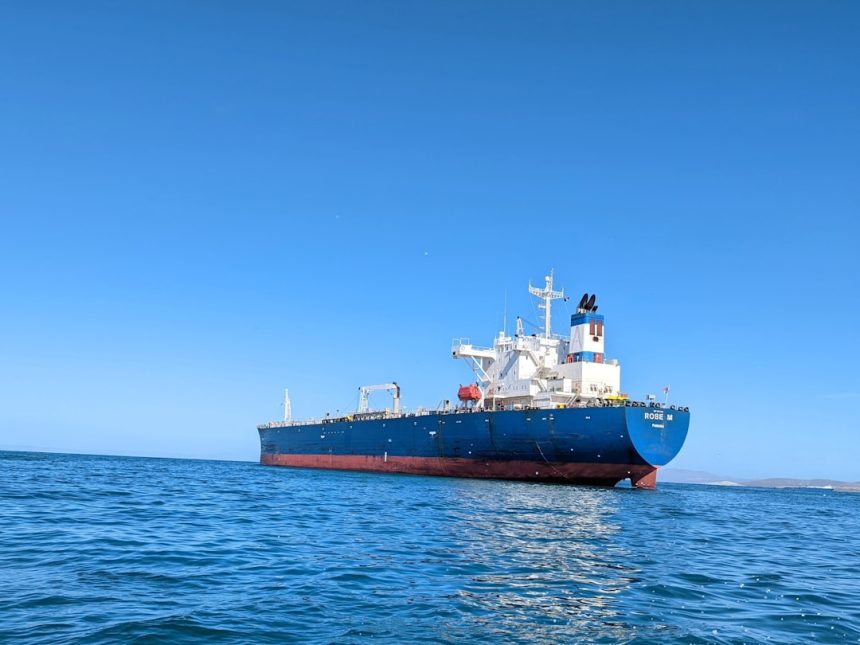
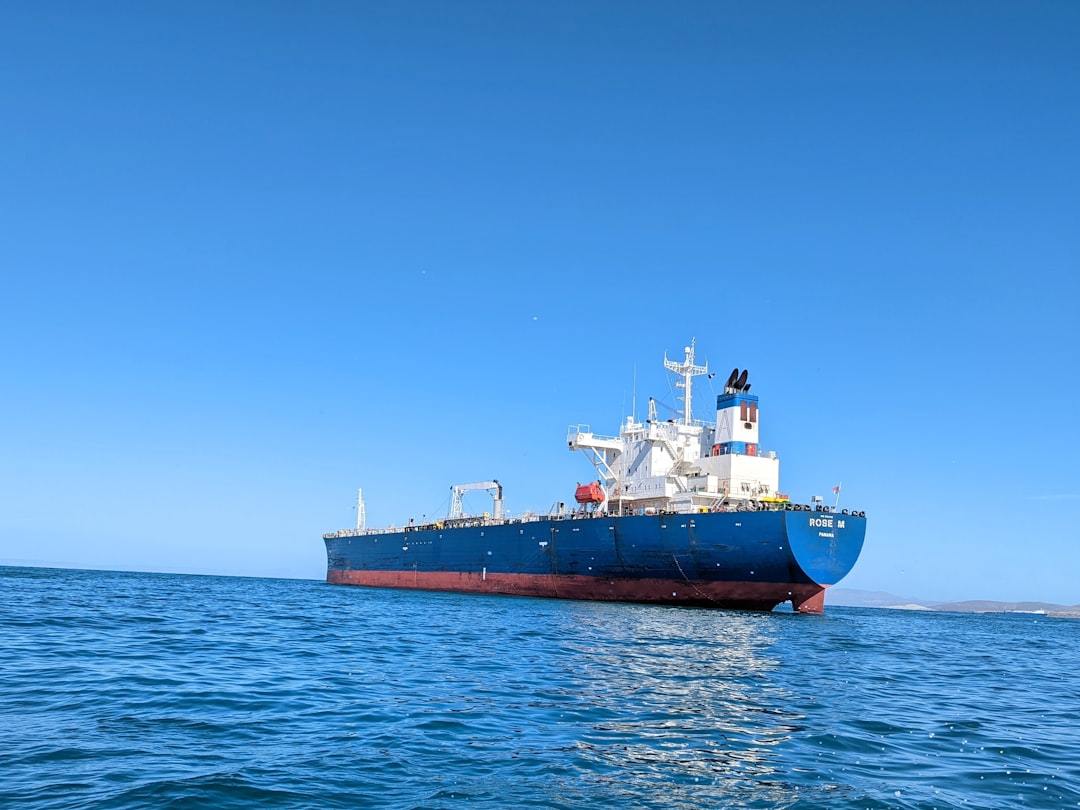

Unlocking Cargoes in Transit (Image Credits: Unsplash)
Washington – U.S. Treasury Secretary Scott Bessent revealed a 30-day exemption from sanctions targeting specific Russian oil shipments already at sea, a measure designed to steady turbulent global energy markets.[1][2]
Unlocking Cargoes in Transit
The Treasury Department issued a general license late Thursday, March 12, authorizing the delivery and sale of Russian crude oil and petroleum products loaded onto vessels before 12:01 a.m. Eastern time that day.[2] This waiver extends through midnight on April 11, providing a narrow window for buyers to access these commodities without violating U.S. restrictions.
Bessent described the action as a “narrowly tailored, short-term measure” that targets oil already in transit, emphasizing it would deliver limited financial gains to Moscow since most Russian energy revenues derive from extraction taxes.[1] Roughly 124 million barrels across about 30 tankers worldwide stood to benefit, equivalent to five or six days of global supply.[1]
Potential buyers, particularly in Asia, gained a quick supply option for refineries facing shortages. Thailand’s deputy prime minister indicated readiness to procure such cargoes.[2]
Surging Prices Spark the Decision
Oil benchmarks rocketed above $100 per barrel this week, with Brent crude settling just over that mark on Thursday after touching nearly $120 earlier.[1] The spike stemmed from escalating conflict in the Middle East, where strikes disrupted shipping through the Strait of Hormuz, Iran’s new leadership vowed to maintain closures, and the International Energy Agency labeled it the largest oil supply shock in history.[2]
Bessent framed the waiver as essential to counter these disruptions before they inflicted broader damage on U.S. businesses and consumers ahead of midterm elections. He argued the short-term price elevation would yield long-term economic advantages.[1]
- Strait of Hormuz blockade threatens massive daily flows.
- Benchmark prices surged over 50% in recent weeks.[3]
- Global refineries scramble for alternatives.
- U.S. production hits record highs under current policies.[4]
Persistent High Costs Despite Relief
Markets showed muted response to the announcement. Brent hovered above $100 into Friday, while West Texas Intermediate traded near $99 per barrel on March 13.[3][5] Analysts noted the waiver’s limited scope failed to flood supply sufficiently against Middle East shortfalls.
This marked the second such U.S. rollback in a week, following a March 5 exemption tailored for Indian refiners struggling with stranded vessels.[2] Yet crude remained firm, underscoring the waiver’s temporary nature and the dominance of geopolitical risks.
Reactions and Long-Term Outlook
The move drew mixed global feedback. European allies and Ukraine expressed concerns over easing pressure on Russia, while the UK confirmed it would uphold its sanctions.[6] Democrats called for congressional probes into the policy shift.[7]
These waivers build on 2022 sanctions post-Ukraine invasion, including a G7 price cap, U.S. import bans, and EU phase-outs by 2027. Bessent stressed no intent for permanent changes, positioning the step as a pragmatic response to acute market stress.[1]
Key Takeaways
- Waiver covers oil loaded by March 12, expires April 11.
- Aims to stabilize markets without major Russian gains.
- Oil prices persist near $100 amid Iran tensions.
As energy markets navigate war-driven volatility, this U.S. maneuver highlights the delicate balance between security goals and economic stability. Will further waivers follow, or will prices ease on their own? Share your thoughts in the comments.