Picture two writers at the height of their careers, locked in what the public perceives as a bitter feud. Critics pit them against each other. Fans choose sides. Publishers fuel the rivalry. Then something shifts. A shared crisis, a chance encounter, or perhaps just the exhaustion of pretending to hate someone you secretly admire. What happens next? Sometimes, the most powerful creative partnerships emerge from the most unlikely places.
Literary history is packed with rivalries that grabbed headlines. Yet buried beneath those competitive narratives are friendships that quietly reshaped how we read, write, and think about storytelling. These connections didn’t just soften egos or mend bruised feelings. They sparked movements, transformed genres, and left permanent marks on the literary landscape. Let’s explore the surprising bonds that changed everything.
C.S. Lewis and J.R.R. Tolkien: Fantasy’s Founding Fathers
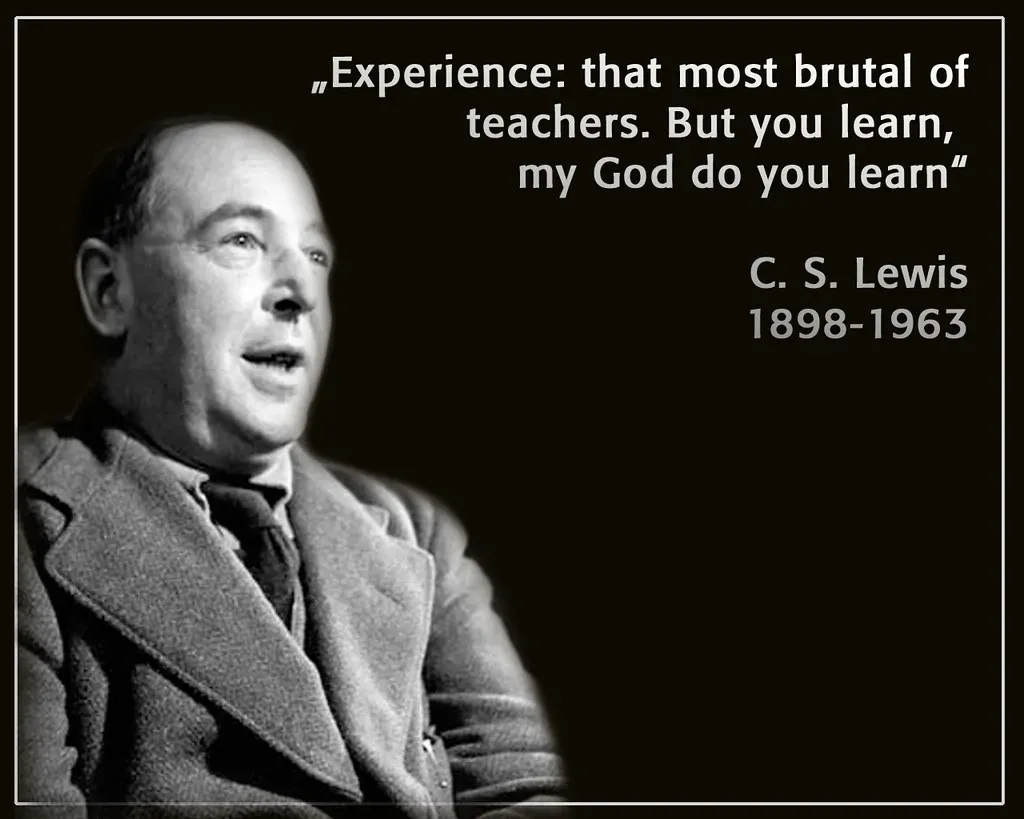
When these two Oxford professors first met in 1926, they didn’t exactly click. Lewis found Tolkien stuffy. Tolkien thought Lewis was too flashy with his ideas. Both were working on massive fantasy projects in secret, terrified the academic world would mock them for writing “children’s stories.”
Their writing group, the Inklings, became the testing ground where Middle-earth and Narnia took shape. Every Thursday night, they’d gather at a pub called The Eagle and Child to read drafts aloud. Tolkien pushed Lewis toward deeper mythology. Lewis urged Tolkien to actually finish something instead of endlessly revising.
Without Tolkien’s encouragement, Lewis might never have published The Chronicles of Narnia. Without Lewis’s prodding, The Lord of the Rings could have remained an unpublished manuscript. Their friendship didn’t just produce two beloved fantasy series. It legitimized an entire genre that academics had dismissed as frivolous.
They eventually drifted apart over religious differences and Lewis’s quick remarriage after his wife’s death. Still, what they built together during those Thursday nights created the template every fantasy writer since has followed. Pretty remarkable for two guys who initially couldn’t stand each other.
F. Scott Fitzgerald and Ernest Hemingway: The Competitive Companions
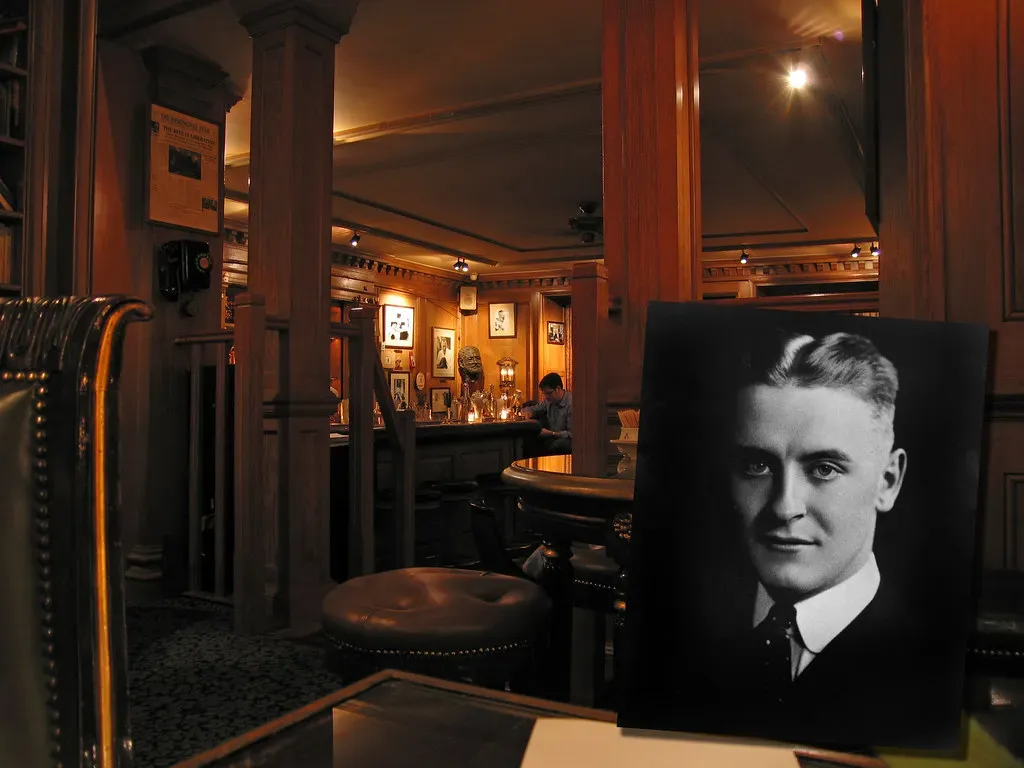
Fitzgerald practically worshipped Hemingway when they first met in Paris in 1925. He’d already achieved fame with The Great Gatsby, but he saw something raw and powerful in Hemingway’s stripped-down prose. Hemingway, meanwhile, was still struggling for recognition and resented Fitzgerald’s early success.
Their relationship swung wildly between genuine affection and toxic competition. Fitzgerald helped get Hemingway published at Scribner’s, his own publisher. Hemingway repaid him by publicly mocking Fitzgerald’s drinking and calling him weak. Yet they continued seeking each other’s approval for years.
The tension actually sharpened both writers. Fitzgerald’s later work took on more of Hemingway’s economy. Hemingway, whether he’d admit it or not, absorbed some of Fitzgerald’s lyrical sensibility. They represented two opposing approaches to American literature in the 1920s and 1930s.
When Fitzgerald died in 1940, largely forgotten and broke, Hemingway wrote one of the most cutting yet oddly tender obituaries. He called Fitzgerald’s talent “as fine as the dust on a butterfly’s wing” while also criticizing his self-destruction. Their friendship was a mess, honestly. But it pushed both of them to define what modern American literature could be.
Maya Angelou and James Baldwin: Voices of a Movement
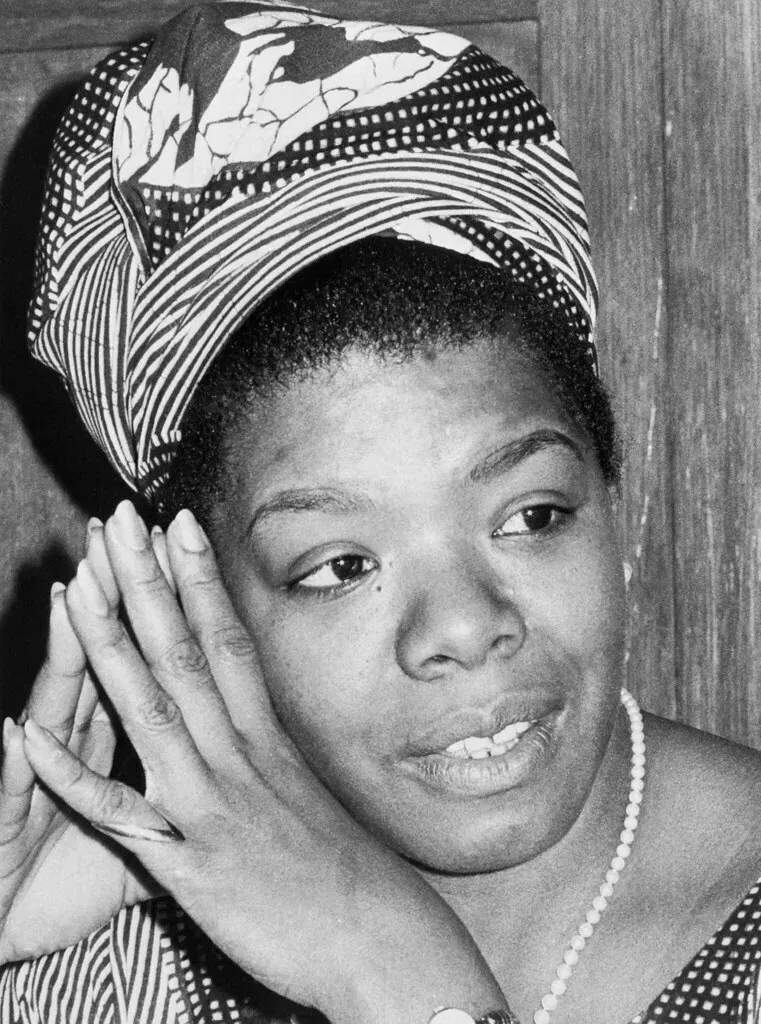
These two met in the early 1960s when both were working on civil rights activism. Baldwin was already established. Angelou was still finding her voice as a writer. They bonded over shared experiences of racism, exile, and the burden of being expected to speak for an entire community.
Baldwin encouraged Angelou to write her autobiography, which became I Know Why the Caged Bird Sings. She might never have written it without his insistence that her story mattered. In turn, Angelou provided Baldwin with emotional support during his darkest periods of depression and self-doubt.
Their friendship lasted until Baldwin’s death in 1987. They wrote to each other constantly, shared ideas, and appeared together at countless events. What made their bond special was the safety it provided. Both could drop the public personas they were forced to maintain and just be vulnerable.
Together, they shaped how Black American experiences were portrayed in literature. Baldwin’s fierce intellectualism balanced Angelou’s emotional openness. They proved that writers didn’t have to choose between political engagement and artistic excellence. Their friendship gave both of them permission to be fully human on the page.
Sylvia Plath and Anne Sexton: Confessional Poetry’s Power Duo

When Plath and Sexton met in Robert Lowell’s poetry workshop at Boston University in 1959, they recognized something familiar in each other. Both were writing about topics considered taboo for women at the time. Mental illness, motherhood, sexuality, rage. The kind of raw material that made male poets uncomfortable.
After class, they’d head to a nearby bar and talk for hours about suicide, death, and their struggles with depression. It sounds morbid, and honestly, it probably was. But they were two women giving each other permission to write about darkness without apologizing or softening the edges.
They shared drafts, critiqued each other ruthlessly, and competed for publication in the same magazines. The competition wasn’t always healthy. Plath’s journals reveal jealousy when Sexton got published. Sexton admitted feeling threatened by Plath’s technical skill. Yet they kept pushing each other toward more fearless honesty.
Both women died by suicide, Plath in 1963 and Sexton in 1974. Their deaths have sometimes overshadowed their artistic achievements, which is tragic. What they created together was confessional poetry as we know it. They made it possible for writers, especially women, to explore the darkest corners of human experience without shame.
Zadie Smith and David Foster Wallace: Cross-Generational Dialogue
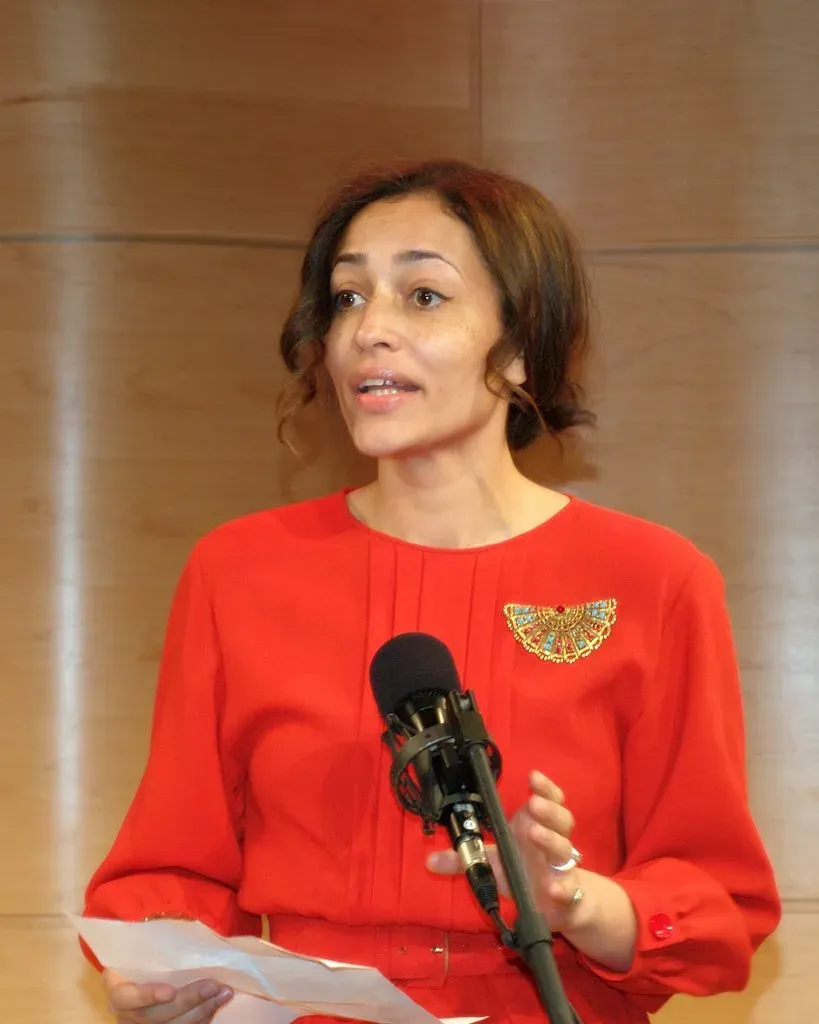
This friendship surprised people when it became known. Smith, a British writer from a multicultural background, seemed to have little in common with Wallace, the American postmodern genius struggling with addiction and depression. They connected through letters in the early 2000s, discussing craft, ambition, and the terror of literary success.
Wallace admired Smith’s debut novel White Teeth and reached out to her. She was intimidated at first. Here was one of the most celebrated writers of his generation taking interest in her work. But their correspondence revealed shared anxieties about whether their writing actually mattered.
Smith has spoken about how Wallace’s attention to granular detail influenced her later novels. He showed her that maximalism and emotional depth weren’t mutually exclusive. For Wallace, Smith represented a more hopeful approach to contemporary fiction, one less tangled in irony and self-consciousness.
After Wallace’s suicide in 2008, Smith wrote movingly about what his friendship meant to her. She described him as someone who treated writing like a moral obligation, not just an aesthetic pursuit. Their brief friendship demonstrated how writers from different backgrounds and generations can genuinely learn from each other.
Langston Hughes and Zora Neale Hurston: The Harlem Renaissance Collaboration
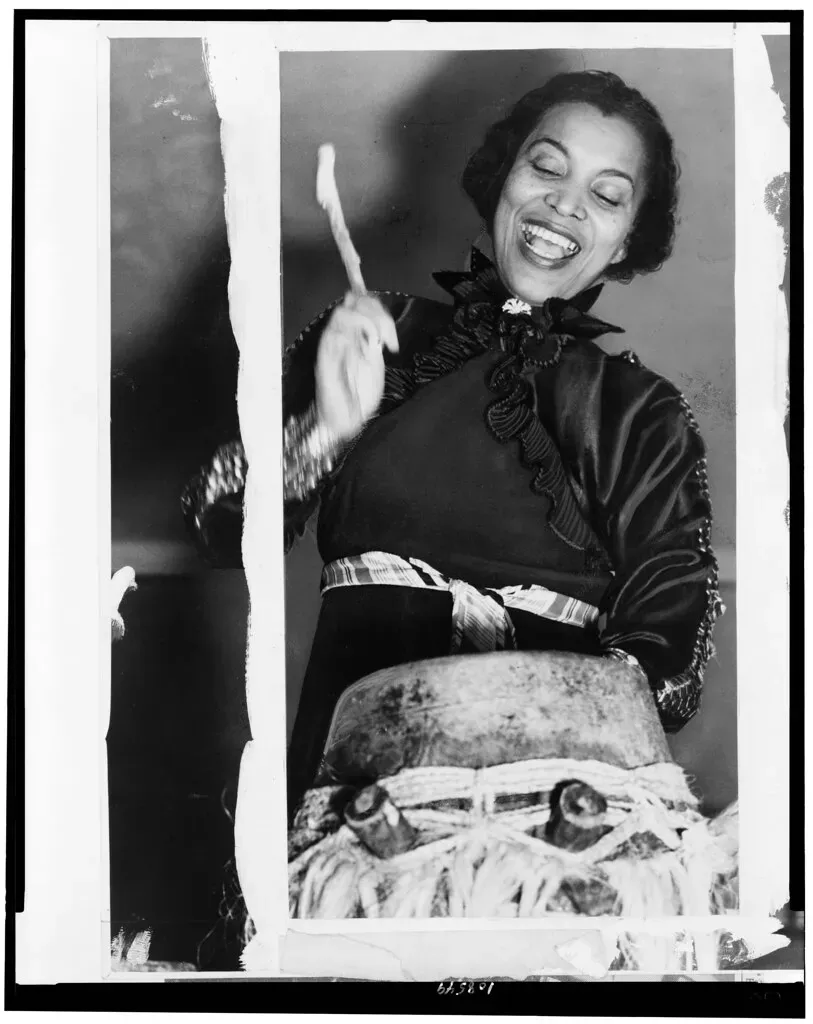
Hughes and Hurston met in the 1920s during the explosion of Black artistic expression known as the Harlem Renaissance. They immediately clicked, sharing a commitment to portraying Black life authentically rather than through the lens of white expectations. Both rejected the “talented tenth” approach that some Black intellectuals favored.
In 1930, they collaborated on a play called Mule Bone, which ended their friendship in spectacular fashion. The exact details remain disputed, but basically they fought bitterly over authorship and creative credit. The play wasn’t performed until 1991, decades after both had died.
Despite the ugly ending, their friendship during its peak years was incredibly productive. They influenced each other’s approach to dialect, folklore, and the representation of ordinary Black Americans. Hughes’s poetry became more grounded in vernacular. Hurston’s fiction gained more political edge.
What’s fascinating is how their split actually demonstrated the seriousness with which they took their work. This wasn’t a polite literary disagreement. It was a full-blown battle over artistic ownership and legacy. The intensity of their falling out revealed how much they’d meant to each other creatively.
Virginia Woolf and Katherine Mansfield: Modernist Rivals Turned Mutual Admirers
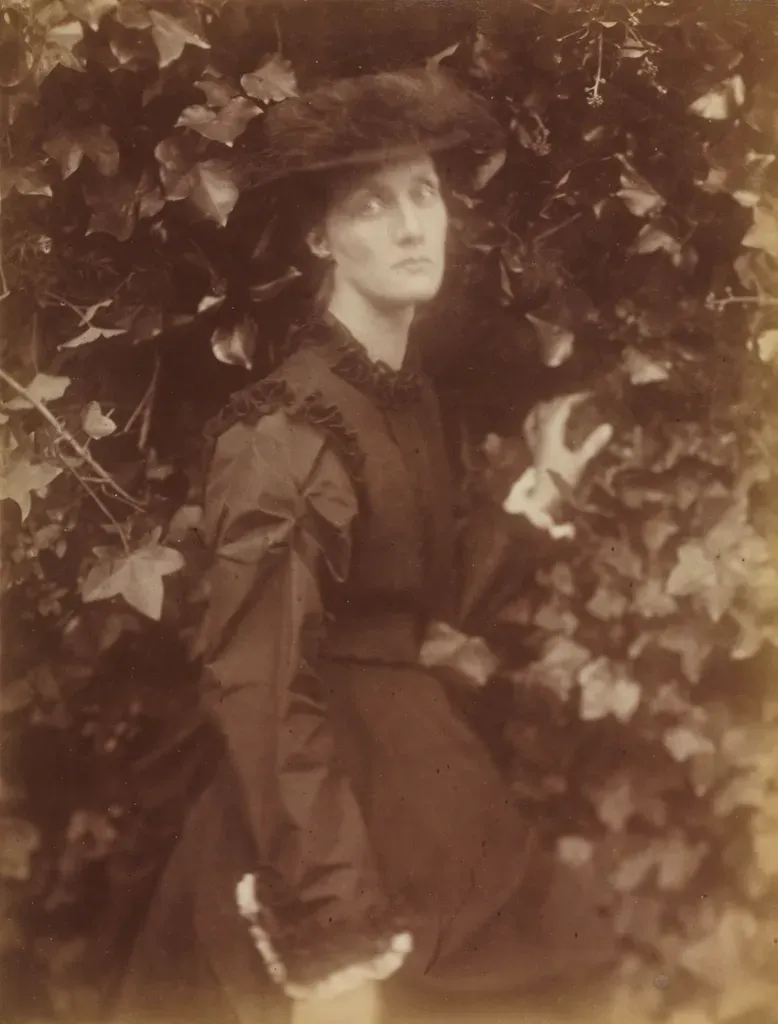
Woolf initially dismissed Mansfield as vulgar and common when they met in 1916. Mansfield thought Woolf was a privileged snob. Both were experimenting with stream-of-consciousness narrative and interior psychological landscapes, which naturally created competition. Yet slowly, grudgingly, they developed genuine respect.
Woolf’s diaries reveal her complicated feelings about Mansfield. She called her writing “cheap” one day, then “the only writing I have ever been jealous of” the next. Mansfield was equally conflicted, admiring Woolf’s intellect while resenting her financial security and social connections.
Their friendship deepened during Mansfield’s illness with tuberculosis. Woolf visited her, and they exchanged vulnerable letters about writing, death, and the struggle to capture human consciousness on the page. For perhaps the first time, they dropped their defenses and connected as artists facing similar challenges.
Mansfield died in 1923 at just 34. Woolf wrote that losing her was like losing “the only person who exactly understood what I was trying to do.” Their brief friendship showed how rivalry and admiration can coexist. They made each other better writers precisely because they competed so fiercely.
Conclusion: When Rivals Become Allies

These friendships reveal something essential about creative work. Competition and collaboration aren’t opposites. The best partnerships often involve tension, disagreement, and genuine rivalry. Writers need other writers who challenge them, refuse to let them settle, and demand their best work.
What’s remarkable is how many of these friendships emerged from initial dislike or suspicion. Literary history loves the myth of the solitary genius, but the reality is messier and more interesting. Great writing often comes from conversation, argument, and the spark that happens when two ambitious people push each other toward something neither could achieve alone.
These partnerships shaped entire genres, movements, and generations of readers. They proved that friendship in the literary world doesn’t have to mean polite mutual admiration. It can be fierce, complicated, and transformative. The writers who changed literature weren’t just talented individuals. They were people who found the right creative partner at the right moment and made something larger than themselves.
What do you think shapes these unlikely bonds between creative rivals? Tell us in the comments.