Have you ever found yourself replaying the same heartbreak anthem over and over, clinging to a song that somehow feels like it was written just for you? Maybe it’s that late-night playlist you can’t seem to escape, or a melody that drags you right back to someone who never loved you the same way. It’s a curious thing, isn’t it? We know we should move on. Yet somehow, we keep pressing play.
Music Turns Emotional Memory Into Something Permanent
Music activates the hippocampus and amygdala, brain regions that trigger emotional responses to music through memory, according to research outlined by Harvard Medical School. When participants recalled stories while listening to music, increased activity appeared in the amygdala and hippocampus, areas crucial for emotional memory processing. This neural overlap is precisely why a single song can resurrect the ghost of someone you thought you’d forgotten. It’s not just about remembering them anymore. The music physically reinforces the emotional imprint they left behind.
Unrequited Love Activates Your Brain Like an Addiction
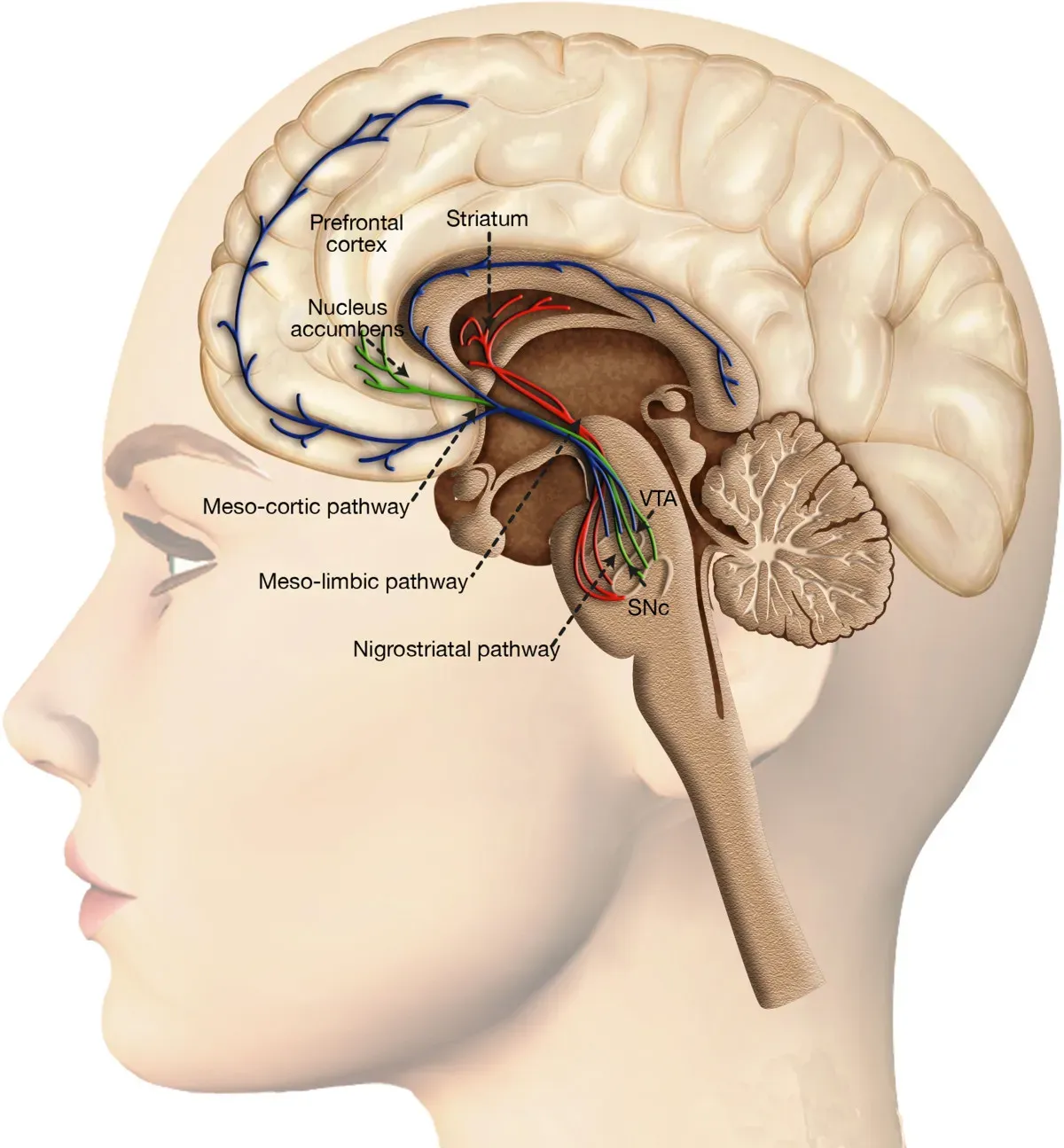
Here’s the thing about unreciprocated feelings: recently rejected lovers still spent more than roughly four fifths of their waking hours thinking of their rejector, and brain scans showed activations in dopaminergic reward system areas like the ventral tegmental area and nucleus accumbens, as reported in a 2010 study by Helen Fisher and colleagues. Being love-struck releases high levels of dopamine, making love a pleasurable experience similar to the euphoria associated with cocaine or alcohol, explains Harvard Medical School. So when you play that song linked to someone who never loved you back? You’re basically chasing a hit.
Melancholy Songs Help You Process What Hurts
Research found that individuals with tendencies for depression were more likely to prefer listening to sad music, even though this music-listening habit had a negative impact on their emotional states, according to a 2015 study by Garrido and Schubert. Still, there’s a paradox here. Sad songs allow you to feel sadness without any real-life implications, and many respondents said experiencing sadness through music made them feel better afterwards and provided an emotional boost, as described by researchers Taruffi and Koelsch. Basically, you’re using music as a safe container for all those feelings you can’t quite express anywhere else.
Lyrics Make You the Main Character of Your Own Heartbreak

The receptive aspect of musical experience enables individuals to grasp and interpret the emotional subtleties conveyed by musical elements, including rhythm, melody, harmony, and lyrics, according to research published in 2024. This is how a simple lyric becomes your autobiography. You project your entire story onto someone else’s words, filling in gaps with your own memories and longing. And once that connection is made, the song no longer belongs to the artist. It belongs to you and the person who broke your heart.
Streaming Patterns Show We’re All Stuck in Emotional Loops
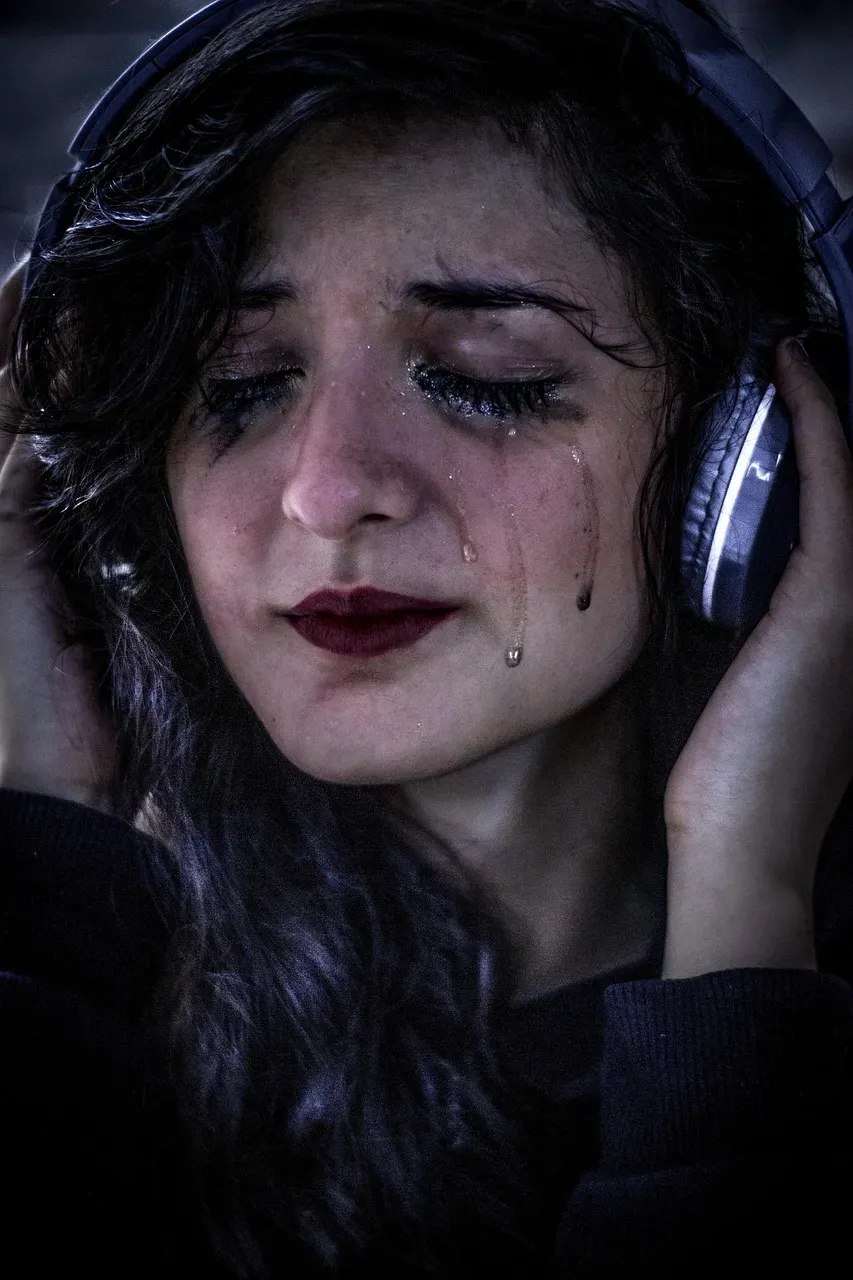
Let’s be real: we’ve all been there, stuck on repeat with the same five songs for weeks. Spotify’s own user data reveals patterns of repeated listening to breakup and longing-themed playlists long after romantic disappointment. Those carefully curated heartbreak playlists with millions of saves aren’t accidents. They’re evidence of a collective coping mechanism, proof that everyone revisits their pain through sound. It’s weirdly comforting to know you’re not the only one still playing that one song at three in the morning.
Songs Keep You Emotionally Tethered to What’s Already Gone

The brain may have an inherent mechanism to protect us from endless unrequited love, according to neuroscience research from 2024. However, music can override that protective reset. When a specific song is tied to a person, it can maintain attachment feelings even after all contact has ended. You might have blocked their number and deleted their photos, but you still have that playlist. And every time you listen, you’re choosing to keep a part of them alive inside your head, whether that’s healthy or not.
Did you find yourself nodding along to any of this? What song still haunts you, even now?