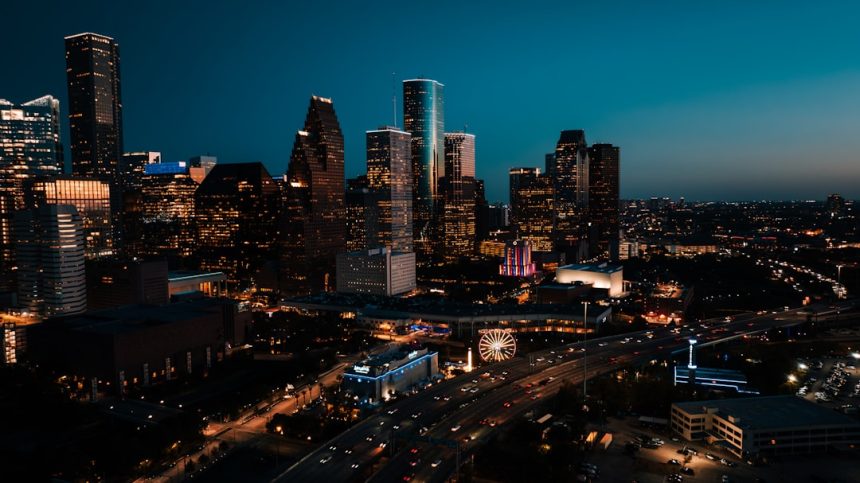
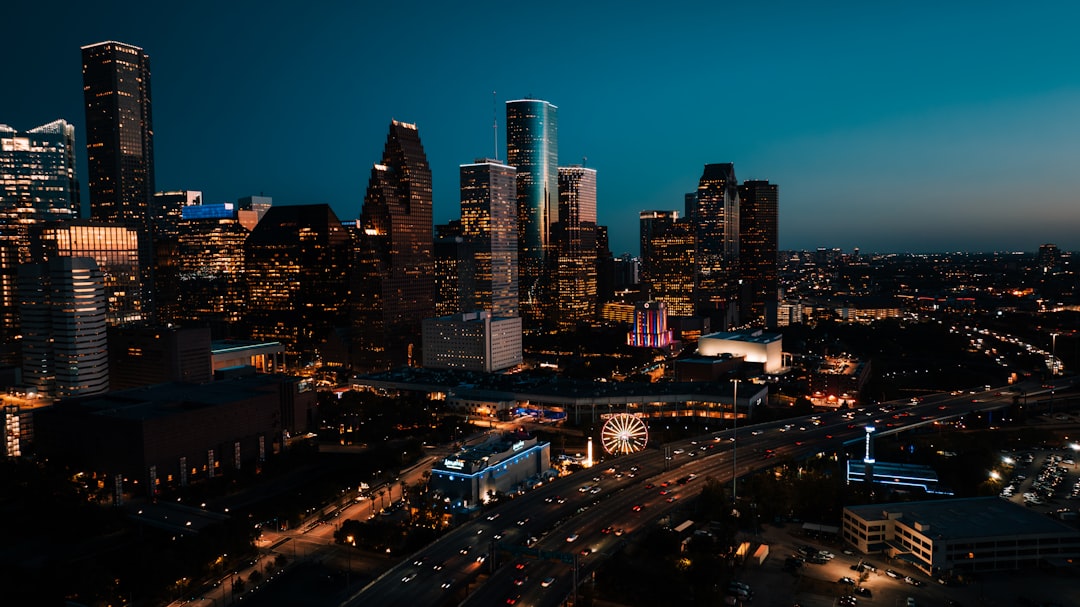
Big cities receive more drizzle than their surrounding areas – Image for illustrative purposes only (Image credits: Unsplash)
Houston now collects about 12 centimeters more rain each year than the rural land around it. Similar patterns appear in other large cities worldwide, where satellite records show urban zones acting as wet islands amid drier surroundings. Fresh analysis of two decades of observations reveals that much of this added moisture arrives not in storms but as steady light drizzle, and the effect has grown stronger since the early 2000s.
Research Tracks a Clear Urban Pattern
Mingze Ding of the Ocean University of China in Qingdao led the satellite-based study. The team examined weather data across dozens of major cities to see how extra rainfall distributes throughout the year. Instead of concentrated downpours, the additional moisture spread into frequent light events. This distribution matters because drizzle can affect daily life, infrastructure, and local water management in ways heavy storms do not.
The findings build on long-known urban heat island effects. Cities already run several degrees warmer than nearby countryside because of concrete, asphalt, and reduced vegetation. The new work shows these same surfaces also trap and recycle moisture in measurable ways.
How Cities Alter Rain Formation
Three main urban features drive the change. Tall buildings disrupt wind patterns and create turbulence that lifts moist air. Miles of pavement and rooftops absorb and release heat, warming the lower atmosphere and encouraging cloud development. Air pollution from traffic and industry supplies tiny particles that act as nuclei for water droplets to form.
Partner offer
These processes combine to increase the frequency of light rain events. The result is a steady addition to annual totals without dramatic flooding in every case. Rural areas nearby lack the same combination of heat, particles, and vertical obstacles, so they receive less of the same drizzle.
Effect Has Strengthened in Recent Years
Comparison of satellite records from the past twenty years shows the urban wet island has intensified. Cities that expanded or densified during this period recorded larger differences from their surroundings. The trend points to ongoing urban development as a continuing influence on local rainfall patterns.
Researchers note that the extra drizzle is not uniform across all cities. Coastal and industrial centers tend to show stronger signals than inland or less polluted ones. Still, the overall pattern holds across the global sample examined.
What the Trend Means Going Forward
More frequent light rain can ease some water shortages in dry seasons yet strain drainage systems designed for occasional heavy events. City planners may need to adjust stormwater designs and green infrastructure to handle the shift. The study underscores that urban climate effects extend beyond temperature to include measurable changes in precipitation.
Continued monitoring will help determine whether the pattern persists as cities grow and pollution controls evolve. For now, the data confirm that the built environment itself is reshaping how and when rain falls in and around large population centers.
Partner offer
Planning a trip to Vegas?
Compare hotel rates and show tickets on VEGAS.com.