
Blockade Begins with Clear Warnings (Image Credits: Pexels)
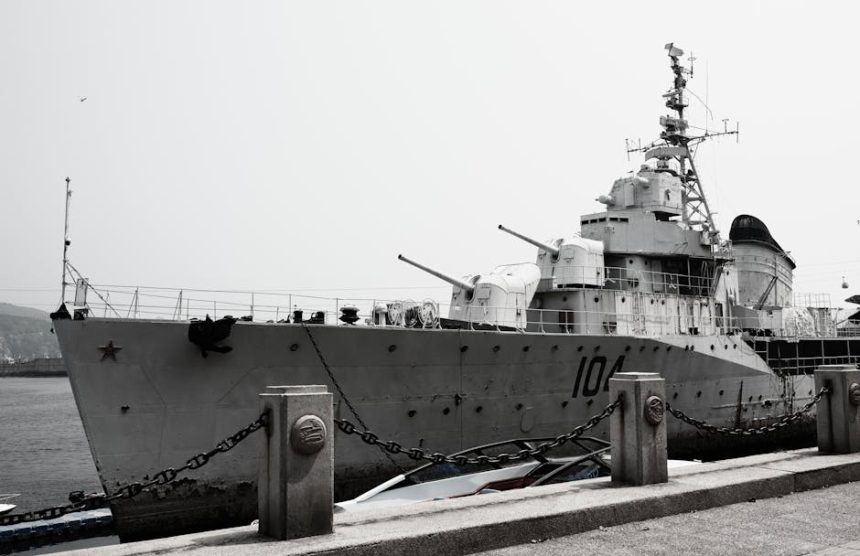
The United States military launched a naval blockade targeting all Iranian ports on Monday morning, intensifying efforts to compel Tehran to reopen the Strait of Oman. President Donald Trump described the action as a necessary response to Iran’s control over this vital shipping lane, which carries a fifth of the world’s oil in normal times. Iranian leaders countered swiftly, warning that no port in the region would remain secure.[1][2]
Blockade Begins with Clear Warnings
U.S. Central Command announced the operation shortly before it took effect at 10 a.m. EDT. Forces positioned themselves to intercept vessels of any nation heading to or from Iranian coastal areas in the Persian Gulf and Gulf of Oman. The measure spares transit through the Strait of Hormuz for ships bound to non-Iranian destinations, though naval presence there remains heavy.[1]
Trump emphasized the stakes during remarks to reporters. He claimed Iran’s navy lay “completely obliterated” at the sea bottom but cautioned that remaining fast-attack ships faced destruction. “If any of these ships come anywhere close to our BLOCKADE, they will be immediately ELIMINATED,” the president stated.[1] Officials clarified the blockade focused on ports and energy sites along Iran’s shoreline, narrowing from earlier suggestions of a full strait shutdown.
Iran Vows Retaliation Across the Gulf
Tehran’s military and Revolutionary Guard issued a stark declaration hours after the announcement. “Security in the Persian Gulf and the Sea of Oman is either for everyone or for NO ONE,” they proclaimed. “NO PORT in the region will be safe.”[2]
Parliament Speaker Mohammad Bagher Qalibaf addressed Trump directly. “If you fight, we will fight,” he declared. A parliamentary security spokesperson dismissed the U.S. action as bluffing, predicting market chaos and untapped Iranian responses. Commercial shipping in the strait halted almost immediately, with over 40 vessels that had crossed since the ceasefire now deterred.[3]
Conflict Traces Back to February Strikes
Tensions boiled over on February 28 when U.S. and Israeli forces struck Iranian targets, sparking a war now in its seventh week. A fragile ceasefire took hold last week, but talks in Pakistan collapsed over the weekend. Vice President JD Vance reported Iran rejected terms barring nuclear weapons development.[4]
U.S. demands included halting uranium enrichment, dismantling facilities, and ending support for proxies like Hezbollah and the Houthis. Iran sought sanctions relief, reparations, and recognition of its nuclear program as peaceful. The truce expires April 22, leaving little time for diplomacy. Casualties mounted across the region, with thousands dead in Iran and Lebanon alone.[2]
Oil Markets Reel from Disruptions
Brent crude surged past $100 per barrel Monday, up from $70 before the war. Gasoline and food prices climbed worldwide as supplies tightened. The strait closure already choked 12 million barrels daily, forcing stockpiles to dwindle.[4]
| Impact Area | Pre-War Daily | Current Status |
|---|---|---|
| Strait Shipments | 100-135 vessels | Near zero |
| Oil Price (Brent) | $70/barrel | $102+/barrel |
| EU Fuel Costs | Baseline | +€22 billion |
- Fertilizer shortages threaten African crops and global food yields.
- Asia faces fossil fuel gaps, boosting China’s clean energy exports.
- 20,000 seafarers stranded, including Indians low on supplies.
- Stock futures dropped 0.7-1% amid recession fears.
World Leaders Weigh In on Escalation
Israeli Prime Minister Benjamin Netanyahu backed the blockade as a firm stance. Spain’s defense minister called it senseless amid the “downward spiral.” China urged restraint, labeling the ceasefire fragile. The UK and France planned summits to secure navigation without tolls.[3]
Turkey proposed extending the truce 45-60 days. Russia warned of market shocks. A sanctioned tanker slipped through the strait, testing enforcement early on. U.S. officials hinted at ongoing contacts with Iran, eyeing another meeting before the deadline.[4]
Key Takeaways
- The blockade pressures Iran on nuclear curbs and strait access but risks broader war.
- Oil shocks hit consumers globally; food crises loom without quick resolution.
- Ceasefire hangs by a thread until April 22, with diplomacy still possible.
This high-stakes gamble could reshape Gulf security or ignite fresh conflict. Markets watch anxiously as the U.S. tests Iran’s resolve. What do you think about the blockade’s chances of success? Tell us in the comments.