
Iran’s Air Defenses Claim a Rare Victory (Image Credits: Unsplash)
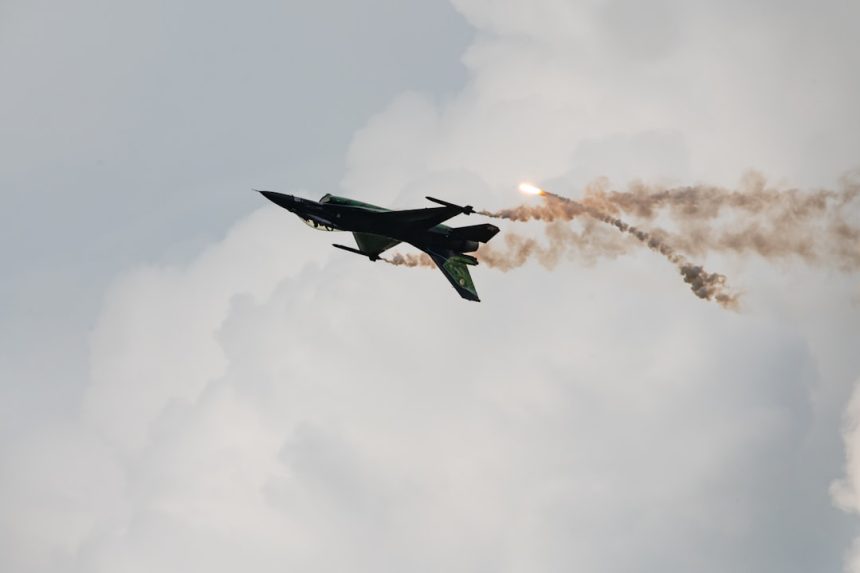
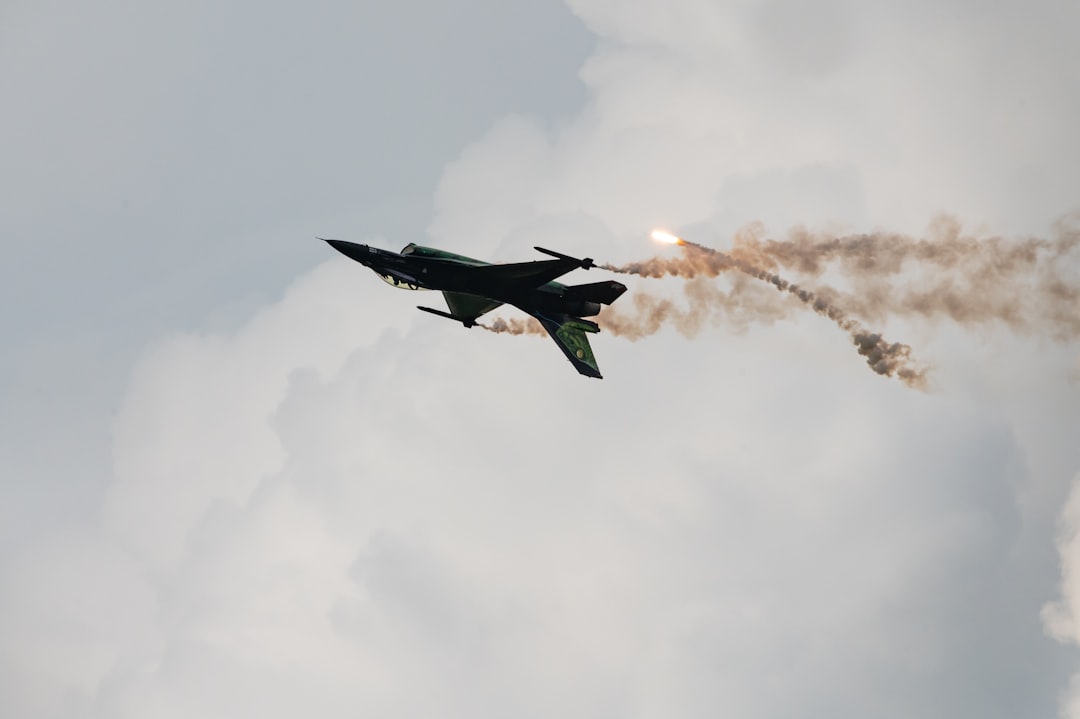
A U.S. F-15E Strike Eagle fighter jet crashed in southwestern Iran on Friday, marking the first manned American aircraft lost over enemy territory in the ongoing conflict. Iranian forces claimed responsibility for the shoot-down, prompting a tense rescue mission that succeeded in extracting one crew member while leaving the second unaccounted for. The incident highlighted vulnerabilities in U.S. air operations five weeks into a war that has already claimed thousands of lives across the region.[1][2]
Iran’s Air Defenses Claim a Rare Victory
Iranian state media announced the downing of the two-seat F-15E over the rural, mountainous Kohkilouyeh and Boyer-Ahmad province. Debris from the jet appeared in social media videos verified by outlets like the BBC, confirming the Strike Eagle’s involvement. Local TV affiliates broadcast footage of wreckage and urged citizens to hunt for ejected pilots, initially calling for them to be shot on sight before revising to capture them alive for a reward of about 10 billion tomans, or roughly $50,000.[3]
The U.S. military acknowledged the jet was shot down, a Pentagon email obtained by the Associated Press stated. This event shattered claims of near-total destruction of Iran’s air defenses. Prior to Friday, U.S. forces had asserted progress in neutralizing Iranian capabilities, yet the F-15E fell victim during what sources described as a combat mission.[4]
High-Risk Extraction Under Fire
U.S. helicopters swooped into the area for the rescue, retrieving one crew member – identified in reports as the pilot – despite small arms fire wounding helicopter crew who landed safely. A supporting A-10 Warthog took damage during the operation, forcing its pilot to eject over the Persian Gulf where recovery followed. Israel provided intelligence and halted strikes in the zone to aid the effort, while President Donald Trump received briefings from the White House.[5]
The weapons systems officer remained missing as searches extended into neighboring provinces. Iranian parliamentary speaker Mohammad Bagher Qalibaf mocked the situation on social media, posting: “This brilliant no-strategy war they started has now been downgraded from ‘regime change’ to ‘Hey! Can anyone find our pilots? Please?’” U.S. officials emphasized the operation’s success in saving one life amid intense risks.[2]
Five Weeks of Relentless Conflict
The war ignited on February 28, 2026, when U.S. and Israeli forces launched surprise airstrikes across Iran. Tensions had simmered from Iranian support for proxies like Hezbollah, which fired rockets at Israel. Casualties mounted quickly, with strikes targeting military sites, infrastructure, and nuclear facilities.[6]
Recent escalations included a U.S. strike on a bridge near Tehran that killed 13 and injured dozens, Iranian missile barrages on Gulf states hitting oil refineries and desalination plants, and Israeli operations in Lebanon claiming over 1,300 lives. U.S. Central Command’s Adm. Brad Cooper assessed earlier progress: “Now in our fifth week of the campaign, it is my operational assessment that we are making undeniable progress. We don’t see their navy sailing. We don’t see their aircraft flying, and their air and missile defense systems have largely been destroyed.” Friday’s loss challenged that narrative.[4]
- Over 1,900 deaths reported in Iran, mostly at state-linked sites.
- 13 U.S. service members killed; 16 MQ-9 drones lost.
- More than 4 million displaced regionally, including 1 million in Lebanon.
- Three prior F-15s downed by friendly fire in Kuwait, crews safe.
- Strait of Hormuz traffic down 90%, Brent crude above $109 per barrel.
Strategic Shifts and Global Fallout
The jet’s loss prompted Israel to delay attacks and coordinate with U.S. rescuers, while Iran retaliated with strikes on UAE facilities, killing one and sparking fires. Kuwait’s oil refinery and desalination plant suffered hits, threatening energy supplies. Trump told NBC News the incident would not derail negotiations, signaling intent to press on for weeks.[1]
World leaders reacted variably. France and South Korea pledged Strait of Hormuz cooperation, the WHO sought $30 billion in aid, and the Pope questioned the war’s morality. Oil prices surged over 50% since hostilities began, rippling through global markets and food costs.
| Incident | Date | Details |
|---|---|---|
| F-15E over Kuwait (friendly fire) | Early war | Three jets, six crew ejected safely |
| KC-135 tanker crash | Prior to April 3 | Six crew killed in Iraq |
| F-15E over Iran | April 3, 2026 | One rescued, one missing |
- First U.S. manned jet downed in Iran exposes persistent threats.
- Rescue success underscores allied coordination under fire.
- War’s economic toll accelerates with Gulf infrastructure hits.
This episode serves as a stark reminder of the human cost in aerial warfare, where split-second decisions determine survival. As searches continue and strikes loom, the conflict’s trajectory remains uncertain. What implications do you see for the region’s stability? Share your thoughts in the comments.