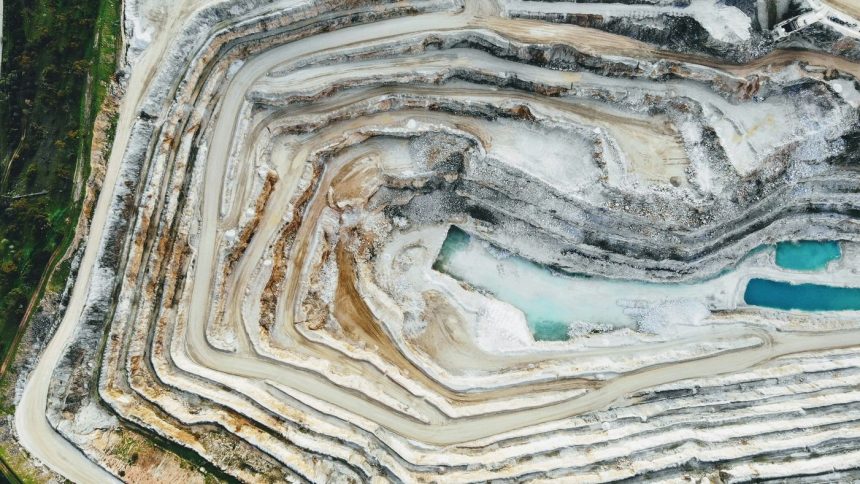
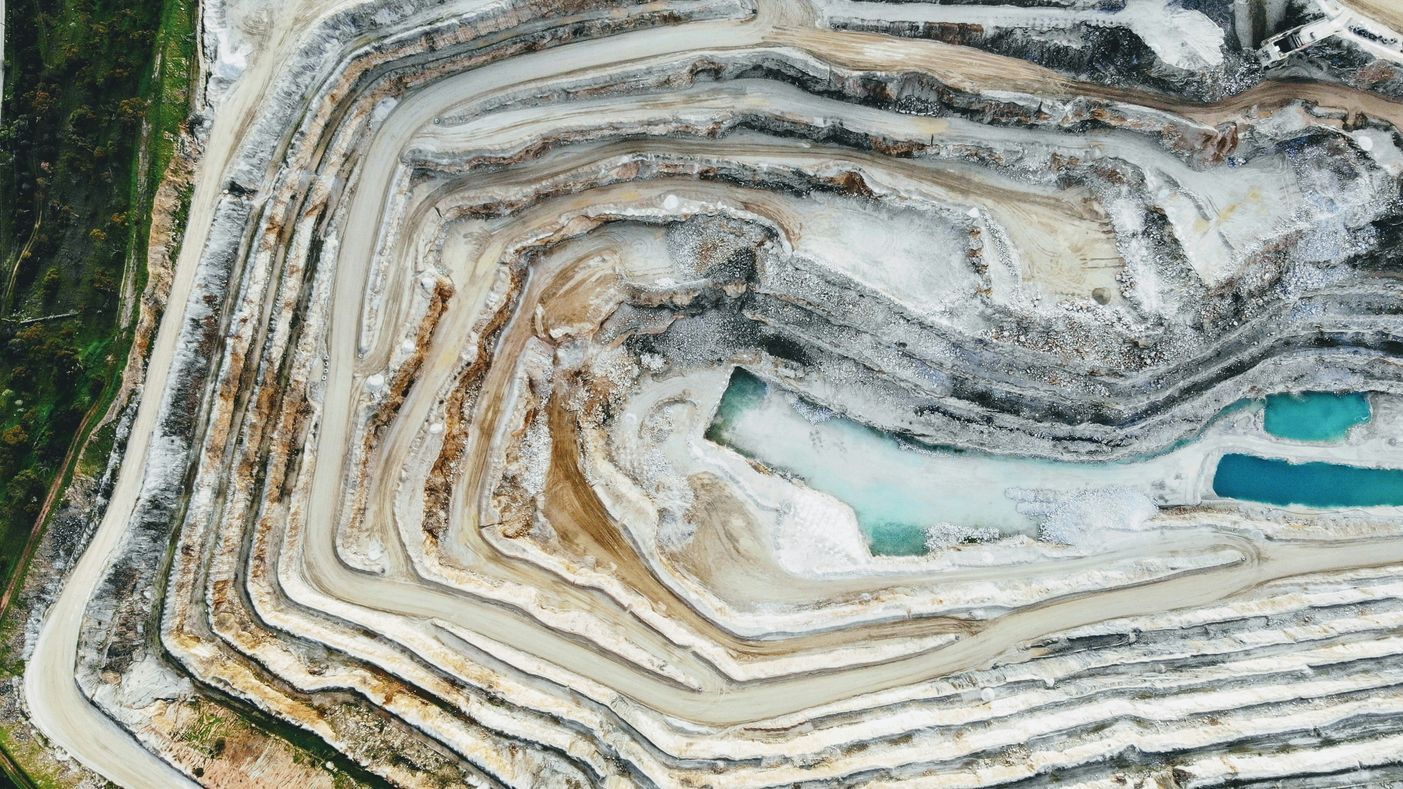

Details of the Monumental Assessment (Image Credits: Unsplash)
Beneath the weathered peaks of the Appalachian Mountains, a geological treasure long suspected by experts has taken clearer shape. The U.S. Geological Survey revealed on April 28 that the region harbors an estimated 2.3 million metric tons of undiscovered, economically recoverable lithium.[1] This vast cache, valued at around $65 billion, could replace 328 years of U.S. lithium imports based on 2025 consumption levels.[2] The findings underscore a potential turning point for American mineral independence at a moment of surging global demand.
Details of the Monumental Assessment
Researchers pinpointed concentrations in both northern and southern segments of the Appalachians. The northern area, primarily in Maine and New Hampshire, holds about 900,000 metric tons, while the southern portion centered in the Carolinas contains roughly 1.43 million metric tons of lithium oxide.[1] These estimates reflect a 50% confidence level, meaning there is an equal chance of more or less lithium present, with a 90% probability of at least 90,000 metric tons in the north alone and a 10% chance of up to 7.4 million metric tons.
The lithium resides in pegmatites, coarse-grained igneous rocks similar to granite, formed deep within the Earth’s crust. USGS scientists drew on geologic maps, geochemical data, geophysical surveys, and historical mining records to model these deposits. Their work builds on a global dataset of lithium pegmatites and appears in the journal Natural Resources Research.[1]
Geological Story Spanning Millions of Years
The Appalachians, forged around 480 million years ago during ancient tectonic clashes that assembled the supercontinent Pangea, provided ideal conditions for lithium enrichment. Intense heat and pressure from colliding plates melted lithium-rich crustal rocks, concentrating the metal into pegmatite veins over 250 million years ago.[2] Sites like North Carolina’s Kings Mountain, once the world’s leading lithium source three decades ago, hinted at this potential.
Modern assessments identified up to 18 lithium districts across the range. Minerals such as spodumene, lepidolite, and amblygonite appear in these formations, some yielding massive crystals, as seen in Maine’s Plumbago North deposit. The methodology screened median resource estimates for economic viability using international mining standards and current lithium prices.[1]
Battery Power and Energy Security Boost
This lithium bounty translates directly into real-world applications. It could supply batteries for 130 million electric vehicles, 1.6 million grid-scale storage systems, 180 billion laptops, or 500 billion cellphones – equivalent to 60 devices per person worldwide.[1] Such capacity aligns with U.S. goals under the Energy Act of 2020 and recent executive orders to accelerate domestic critical mineral production.
Partner offer

USGS Director Ned Mamula highlighted the strategic edge. “This research shows that the Appalachians contain enough lithium to help meet the nation’s growing needs – a major contribution to U.S. mineral security, at a time when global lithium demand is rising rapidly,” he stated.[3] The U.S. currently imports more than half its lithium, with China controlling much of global processing and battery manufacturing.[3]
Economic Promise and Recovery Realities
At prevailing market rates, the deposit’s $65 billion valuation reflects its scale amid fluctuating lithium prices, which have seen volatility tied to electric vehicle adoption and supply chain pressures.[2] Economic recoverability factors in global precedents, where hard-rock mining from pegmatites proves feasible, though initial investments and permitting remain hurdles. Domestic players like Albemarle Corp., which runs the nation’s sole lithium facility, stand to benefit, alongside emerging projects in Nevada.[3]
Secretary of the Interior Doug Burgum amplified the news on social media, noting the interplay of science, regulatory reforms, and investment. “USGS has found that the Appalachian region of the US contains enough lithium to replace 328 YEARS of imports!” he posted, crediting policy shifts for reviving U.S. mining prowess.[2] Projections indicate global lithium output doubling by 2029, heightening the urgency for secure domestic sources. Yet challenges persist: environmental reviews, community input, and infrastructure in rugged terrain will shape extraction timelines, potentially spanning a decade or more.
While southern assessments covering Maryland to Alabama are pending, complementary resources like Arkansas brines add to the national picture. Policymakers emphasize clean mining techniques and workforce development to balance economic gains with sustainability.
Shifting the Global Mineral Landscape
The announcement arrives as the U.S. reasserts leadership in critical minerals, once dominant but now import-dependent. Lithium’s role in EVs, renewables, and tech cements its status on the 2025 Critical Minerals List. This Appalachian find, paired with permitting streamlining, positions America to lessen vulnerabilities in supply chains dominated abroad.
Ultimately, the discovery offers a measured path forward. It promises not just raw volume but a foundation for innovation in energy storage and manufacturing resilience. As demand accelerates, these ancient mountains may well anchor the nation’s electrified future for generations.
Partner offer
Planning a trip to Vegas?
Compare hotel rates and show tickets on VEGAS.com.