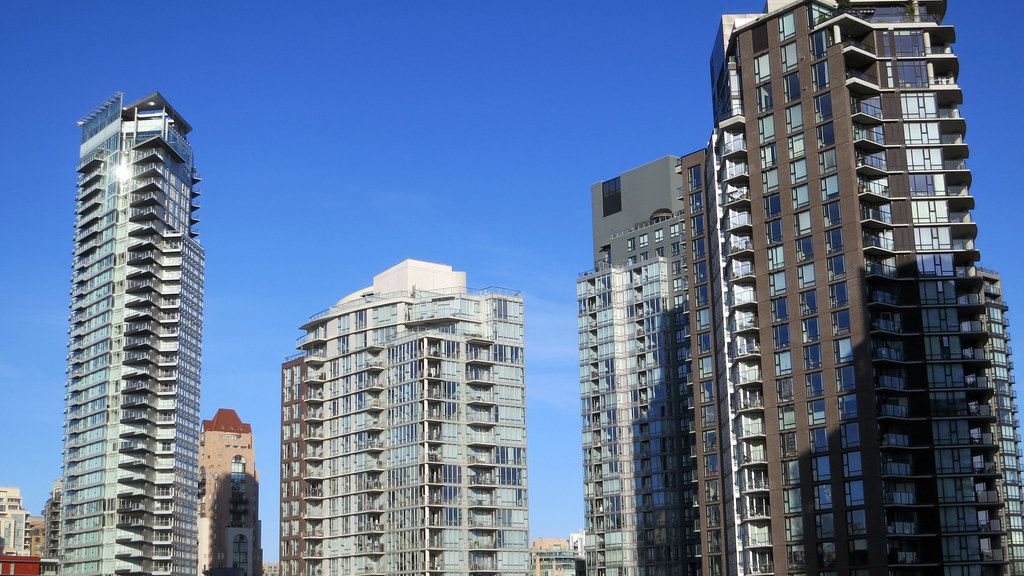

Vancouver city council cites housing affordability on motion to make it easier to build homes – Image for illustrative purposes only (Image credits: Flickr)
Vancouver city council is preparing to vote on a motion that would bring the city’s building rules closer to provincial standards. The proposal, introduced by Mayor Ken Sim, aims to speed up housing construction at a time when prices and rents remain high for many households. Supporters argue the changes would reduce barriers that currently force builders to create custom designs instead of using more efficient, standardized approaches.
Vancouver’s Unique Code Creates Extra Hurdles
Unlike other municipalities in British Columbia, Vancouver maintains its own standalone building code. This setup restricts the use of modular construction, prefabricated components, and uniform designs that work elsewhere in the province. The motion calls on staff to identify ways to align local requirements with baseline provincial rules. Any future differences would need clear justification, including details on added costs and the public benefits they deliver.
City leaders have long pointed to housing affordability as a pressing issue. Middle-income and even higher-earning residents now face prices and rents that stretch budgets thin. By reducing these regulatory differences, the proposal seeks to lower some of the practical obstacles that slow new home building.
Changes Proposed for Energy and Water Systems
The motion also directs staff to pause the Energize Vancouver program. That initiative encouraged energy-efficient upgrades and renewable options in new buildings. A key element would restore homeowners’ ability to choose replacement water heaters that fit their needs, including natural gas models. The current bylaw, set to take effect in January 2027, requires electric units when existing gas heaters are replaced in one- to three-storey homes.
Backers of the pause say the electric-only rule adds significant expense for both purchase and ongoing operation. They note that newer, efficient gas models remain a practical choice for many households facing rising costs. The change would apply to single-family homes and townhouses across the city.
Industry Groups and Health Experts Weigh In
Business and labour organizations, along with plumbing, heating, and cooling trades, have voiced support for the motion. They argue that limiting water-heater options raises costs for residents and works against affordability goals. A coalition representing restaurants, hospitality businesses, propane suppliers, and building trades has highlighted the added financial burden during a period of economic pressure.
Opposition has come from physicians and environmental health advocates. They point out that the mayor previously supported the time-of-replacement policy as recently as January 2026. Critics say reversing course now would increase emissions at a moment when climate impacts are already evident. Some builders have also questioned whether code changes alone will move the needle on affordability, citing financing, permitting delays, and land costs as larger factors.
Similar proposals last year produced a divided council vote and drew public debate. The current motion revives those discussions with fresh emphasis on aligning rules to support faster construction.
What the Vote Could Mean for Residents
If approved, the motion would set staff to work on specific code adjustments and a review of the Energize Vancouver program. Builders could gain more flexibility in material and design choices, potentially shortening project timelines. Homeowners facing water-heater replacements would keep a wider range of options rather than facing a mandated switch to electric units.
The outcome will shape how Vancouver balances housing supply goals with energy and environmental policies in the months ahead. Council members must weigh competing priorities as they decide whether to move forward with the proposed changes.