Las Vegas carries a reputation built almost entirely on its entertainment strip – the neon, the gambling, the spectacle visible from 30,000 feet. That image, though vivid, tells only a narrow slice of the story. Beneath it lives a city of roughly two million people who work, raise children, grieve together, and show up for one another in ways that rarely make the travel brochures.
The gap between Vegas’s public persona and its private civic reality is genuinely striking. Researchers in psychology have long linked tight-knit, service-oriented communities to measurable improvements in mental health and social cohesion. Las Vegas, it turns out, is a compelling case study in exactly that dynamic.
The “Sin City” Label Versus the Lived Reality
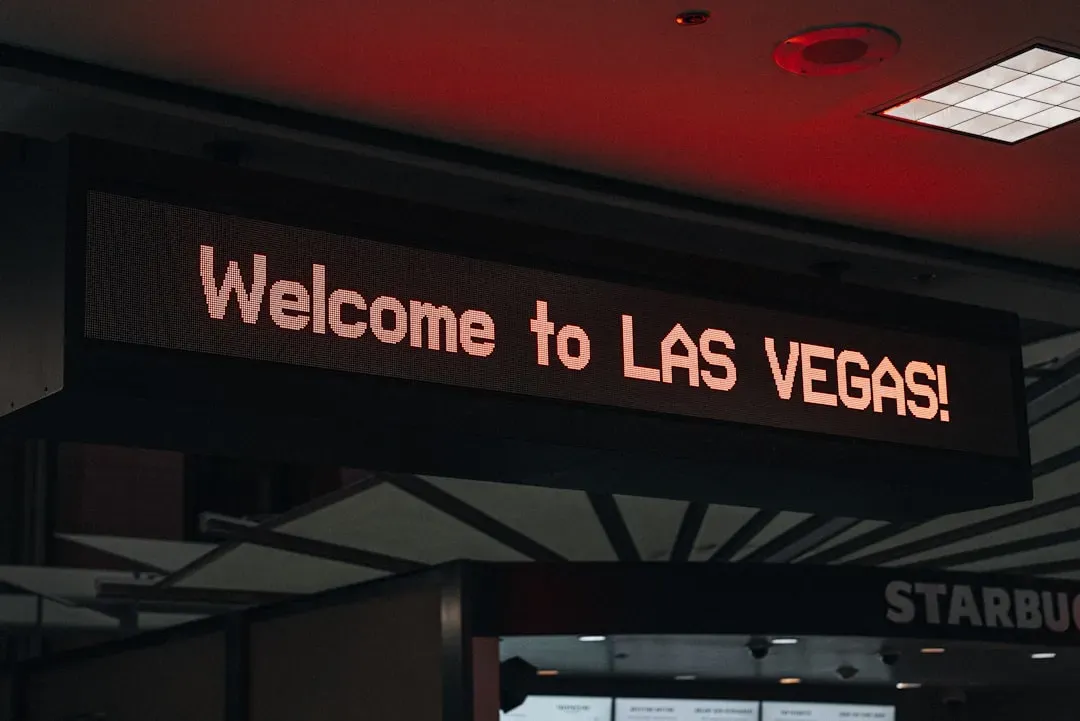
The “Sin City” nickname was never really about the people who live there. It was coined for visitors. Locals understand the distinction intuitively, and they’ve spent decades building institutional structures that quietly contradict the neon-lit mythology. The charitable infrastructure of Greater Las Vegas is broad, well-organized, and deeply embedded in everyday life.
Since 1957, United Way of Southern Nevada has partnered with businesses, nonprofits, and passionate individuals to create lasting change in Southern Nevada, supporting one life, one family, and one neighborhood at a time. That’s nearly seven decades of organized civic action running in parallel with the casino economy. The two worlds coexist, but they rarely overlap in the public imagination.
The Psychology Behind Helping: What Research Says
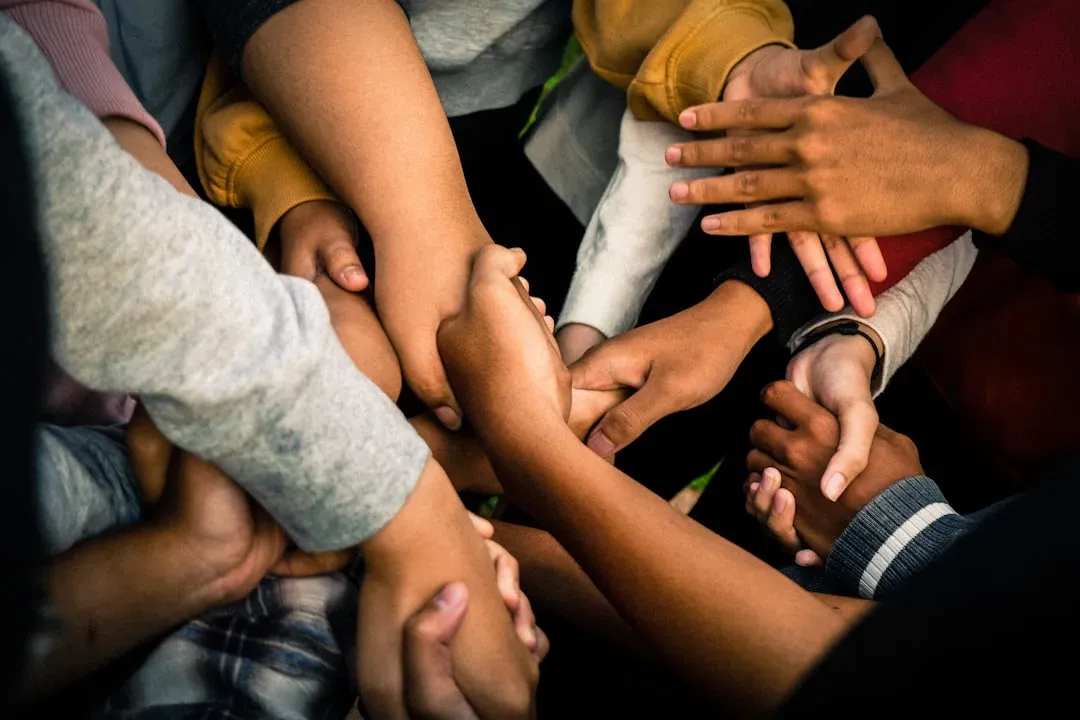
Numerous studies link altruistic acts to lower stress levels, higher life satisfaction, and longer lifespan. Helping others activates brain regions associated with pleasure (dopamine) and bonding (oxytocin), producing what researchers call the “helper’s high.” This isn’t sentiment – it’s neuroscience, and it applies regardless of geography.
The science behind good deeds suggests that altruism isn’t entirely selfless. In fact, some research suggests that helpers may gain more from their altruistic acts than recipients. For communities like Las Vegas, where the hospitality industry creates high-pressure, service-intensive work environments, voluntary community giving may serve as a genuine psychological counterbalance.
Giving is also contagious. Studies suggest that witnessing or experiencing altruistic acts increases the likelihood that others will pay it forward, strengthening social cohesion. In a dense metro area like Greater Las Vegas, that ripple effect compounds quickly.
The 1 October Tragedy and the Altruism That Followed
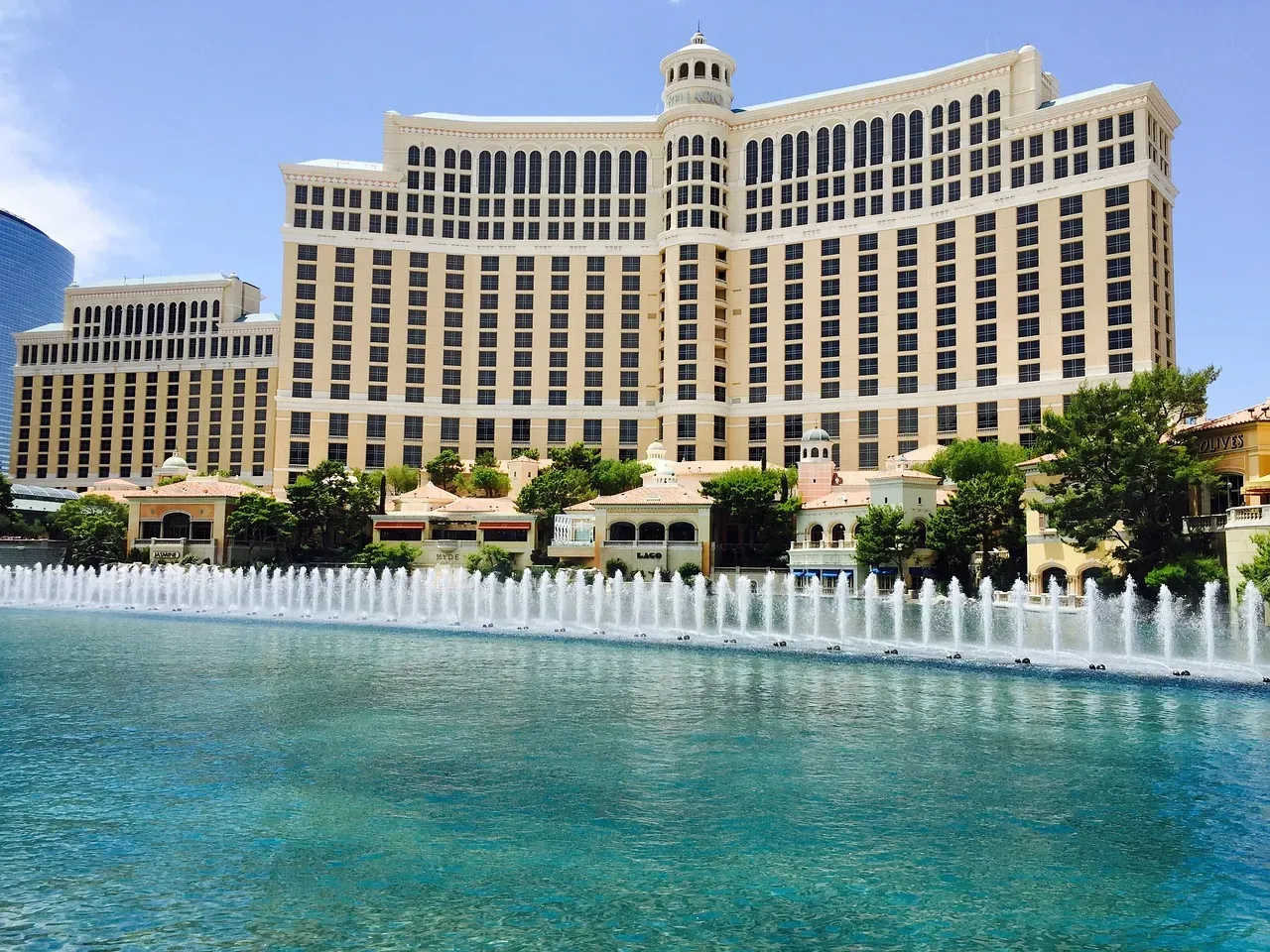
On October 1, 2017, a gunman opened fire from the 32nd floor of the Mandalay Bay Resort and Casino into the crowd of the Route 91 Harvest festival, killing 58 people and wounding more than 850. To date, the mass shooting remains the deadliest in modern U.S. history.
The entire community of Las Vegas and Clark County was devastated, and the psychological, physical, financial, and social impact of this senseless mass violence crime reverberated across Las Vegas, the nation, and around the world. What followed was not paralysis but action. Immediately and through today, #VegasStrong became much more than a hashtag.
Born from a need to give back after the mass shooting at the Route 91 Harvest festival, Route 91 Nation was created to offer scholarships to help those who also want to give back. Survivor Terri Davis, a local middle-school teacher, turned her trauma into good by being part of Route 91 Nation, a nonprofit organization that raises money to fund college scholarships and greater access to therapy in the community. Route 91 Nation has helped over a dozen students pursue higher education through scholarships made in honor of those affected by the tragedy.
Food Insecurity and the Volunteer Army Responding to It
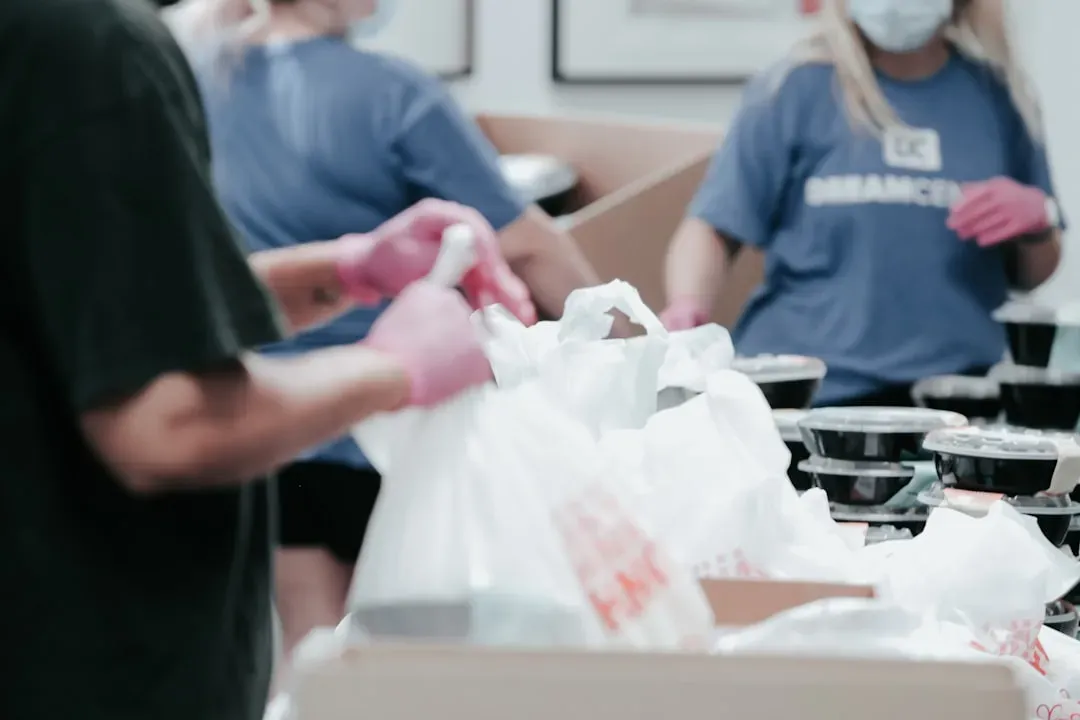
In May 2024, Three Square Food Bank announced the release of Feeding America’s Map the Meal Gap study, which showed an alarming trend throughout Southern Nevada: food insecurity is on the rise. The annual study revealed there are 341,480 – or one in seven – food-insecure individuals in Southern Nevada, an increase of over 67,000 people since the previous year.
The study also shows that roughly one in five children in Southern Nevada – equating to approximately 115,520 young people – are living in food-insecure households, up from just under one in five in 2023. These numbers contextualize what volunteers are actually walking into when they show up at a food pantry or distribution center.
Since opening in 2007, Three Square has provided more than 595 million pounds of food to hundreds of thousands of people in need and earned a reputation as one of the most efficient and effective food banks in the country. Three Square has earned a four-star rating on Charity Navigator, a reflection of operational integrity that keeps donors and volunteers returning.
United Way of Southern Nevada: Organizing the Civic Impulse
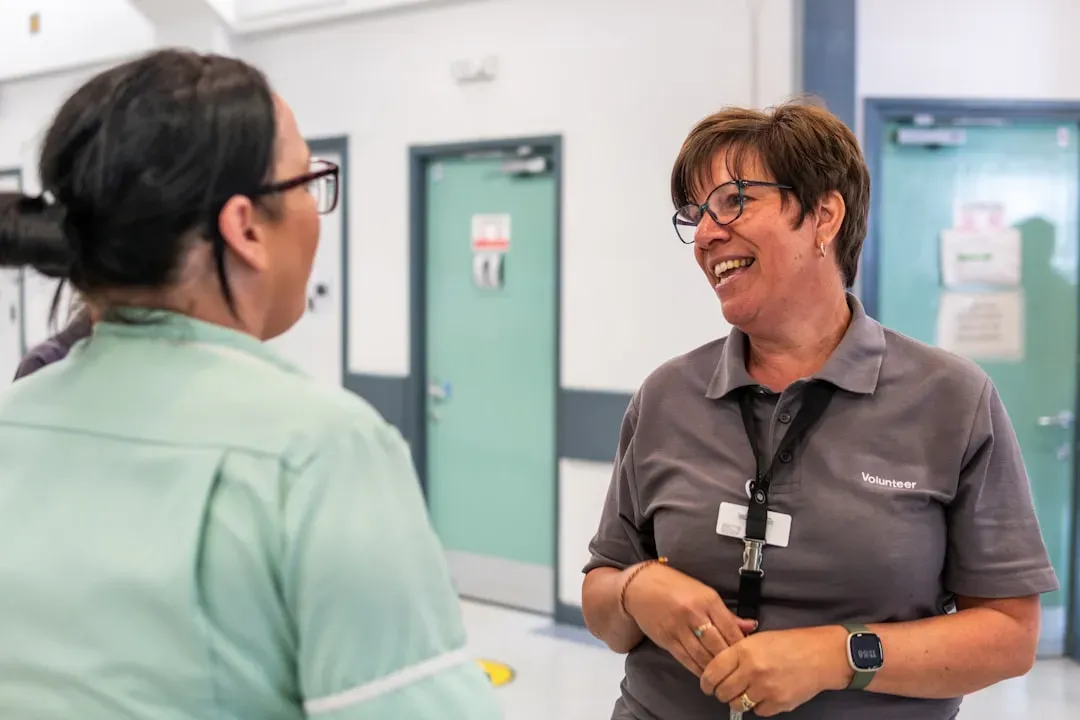
United Way of Southern Nevada focuses on four pillars: youth opportunity, financial security, healthy community, and community resiliency. By strengthening these areas, they help young people succeed, support families in achieving stability, expand access to health resources, and build resilient neighborhoods.
United Way of Southern Nevada allows volunteers to give where they live amongst numerous funded community partners that help solve many problems in the community. That localized approach matters. People are more likely to give time and energy when they can see the direct result in their own neighborhood, on their own street.
The Las Vegas Rescue Mission: Decades of Consistent Presence
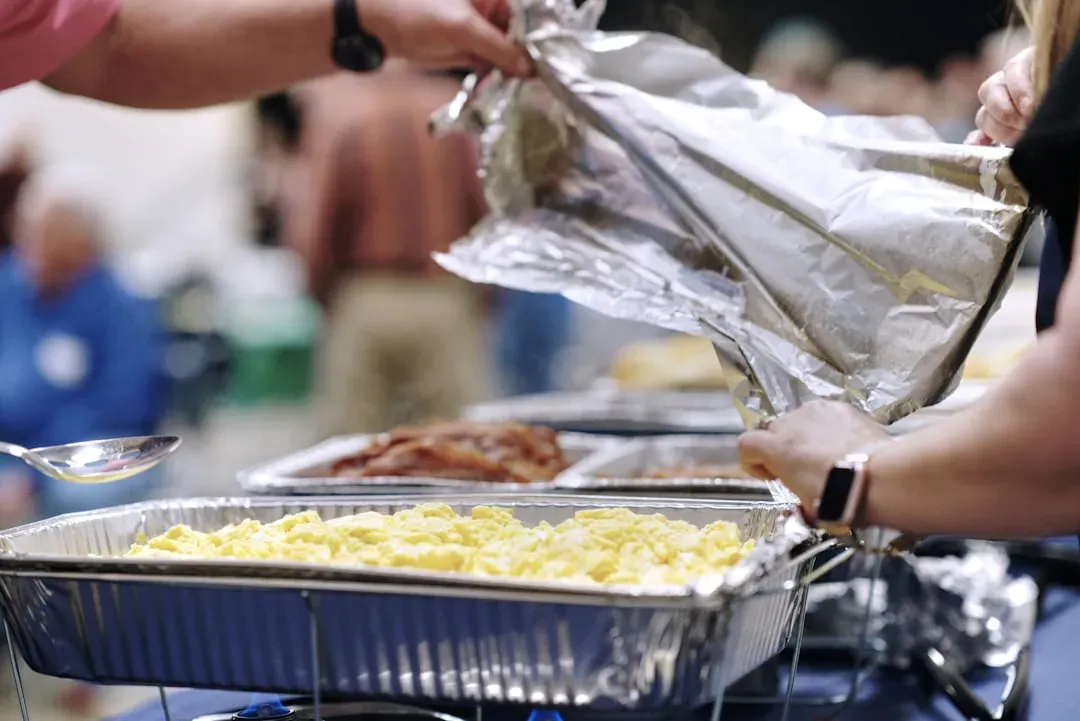
The Las Vegas Rescue Mission has been serving the greater Las Vegas community for over 50 years, originally starting as a chapel, kitchen, and small shelter. Today, the organization helps hundreds of men, women, and children with food and provides over 30,000 meals every month. Their mission reaches thousands each month and also offers spiritual guidance alongside material services.
Partner offer
The scale of that sustained presence is easy to underestimate. Thirty thousand meals a month, delivered every month, across five decades, requires not just funding but an unbroken chain of human commitment. Volunteers at Las Vegas Rescue Mission describe finding sincere human connections and a sense of community through their service, which gives them a sense of belonging and makes them feel more whole as a person.
A Philanthropic Ecosystem With Remarkable Range
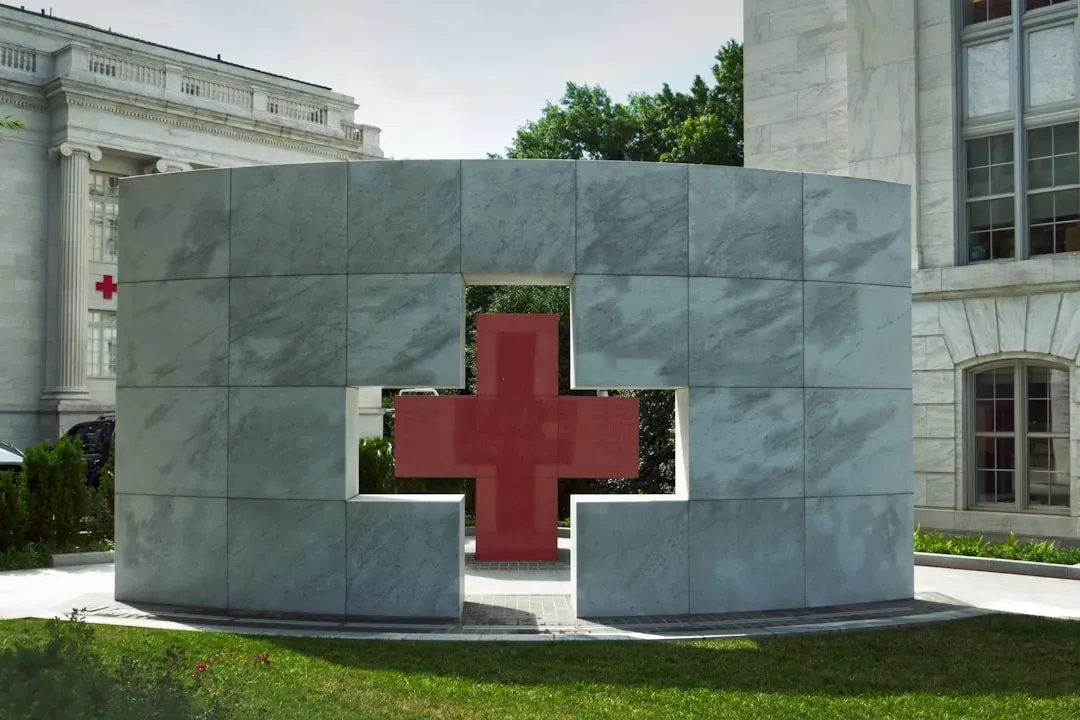
Help of Southern Nevada empowers Southern Nevadans to overcome challenges and achieve self-sufficiency, providing direct services, training, and vital connections to community resources. That mission sits alongside dozens of other organizations covering everything from childhood cancer support to disability services and animal welfare.
Since 1946, the Junior League of Las Vegas has united women with a purpose – to lead, learn, and serve. It continues its legacy of advancing women’s leadership and driving meaningful community impact through volunteerism, collaboration, and training. Organizations like this one are the connective tissue of a civic culture, linking individuals to causes over the course of decades rather than a single headline event.
Since 2000, one Las Vegas-based community fund has supported at-risk families, women, children, and veterans, raising over 30 million dollars to create opportunities for brighter, healthier lives. These numbers suggest a donor base with both depth and staying power.
Corporate Giving as a Community Anchor
The hospitality industry that defines Las Vegas’s economy also participates meaningfully in its civic life. Casino resorts and hotel groups regularly channel resources into local nonprofits, and that pattern has strengthened over time. Las Vegas Restaurant Week has become essential in the fight against hunger, and more than seven million meals have been provided for those facing food insecurity through this campaign since 2007.
Amid rising pressure on food banks, increased community support has emerged as a sustaining force. Three Square kicked off its two-month Bag Childhood Hunger campaign, where donations are matched by a group of Nevada companies. Corporate matching is not unique to Las Vegas, but the community’s willingness to respond to these campaigns at scale reflects a civic habit that has taken hold over generations.
Altruism, Belonging, and the Psychology of a Transplant City
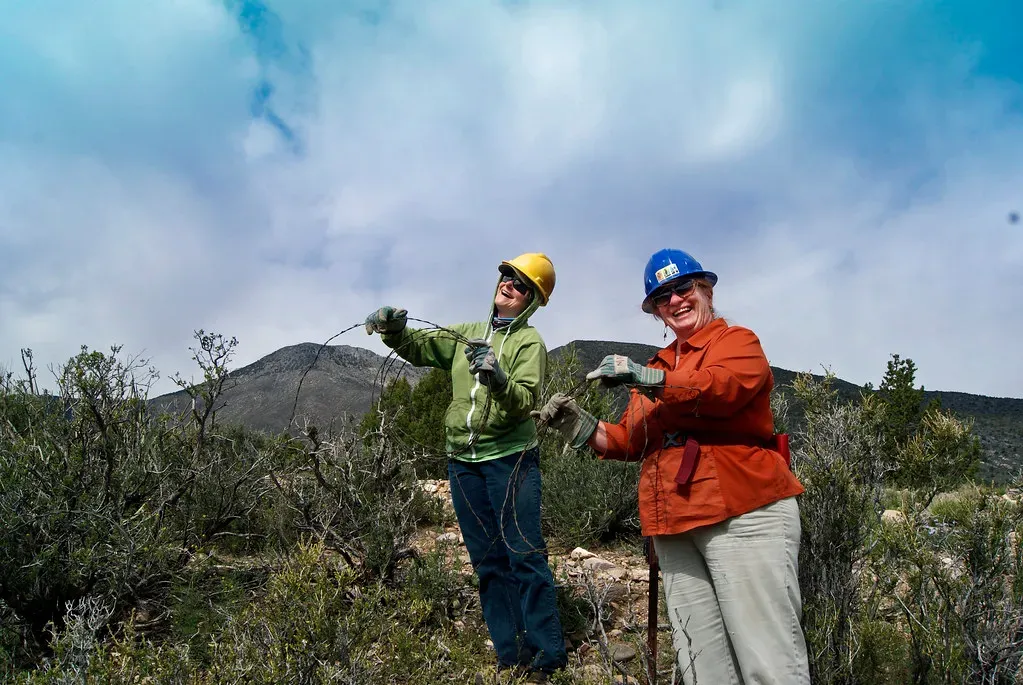
Las Vegas has long been a city of arrivals. People relocate from every corner of the country, and the familiar social scaffolding of hometown ties simply isn’t there. That absence of inherited community can, paradoxically, accelerate voluntary civic engagement. People build belonging deliberately, through the organizations they choose to join.
Research indicates that altruistic attitudes, volunteering, and informal helping behaviors make unique contributions to the maintenance of life satisfaction, positive affect, and other well-being outcomes. For residents still establishing roots, that psychological return on giving may be especially pronounced. Volunteering doesn’t just help the recipient – it manufactures the social bonds that transplants are actively seeking.
Altruism enhances a person’s sense of meaning and connection, key pillars of psychological well-being. Research shows that volunteering and community engagement increase resilience and reduce symptoms of depression. In a city with a notably high rate of shift work, irregular hours, and service-industry stress, those findings carry real practical weight.
The Road Ahead: Community Resilience Under Pressure
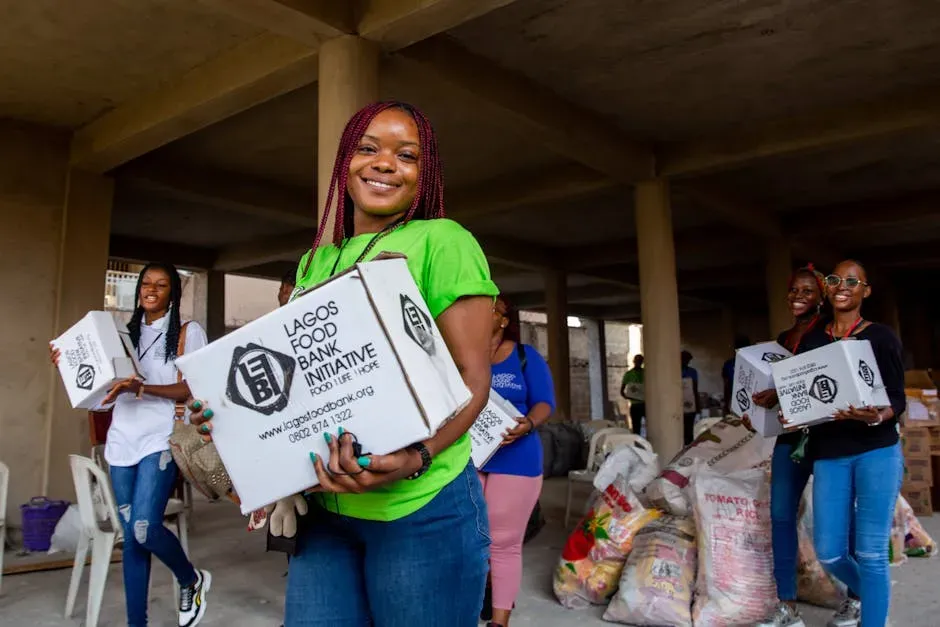
The decline in federal food support coincides with a period of rising demand for food bank services, creating a critical challenge for the region. Three Square is Southern Nevada’s lone food bank. The pressure on these organizations is not easing – it’s intensifying.
Three Square Food Bank and Feeding America released their most recent Map the Meal Gap study in 2025. The study accurately reflects who is truly hungry at the local community level by taking into consideration unemployment rates, federal food assistance eligibility, and the average cost of a meal. Key findings show that roughly 16 percent of the population in Clark County are food insecure.
Altruism can be sustained when it becomes a creative communal process that addresses past insensitivity and injustice. It can create new contexts, like a garden that needs to be groomed, to bridge the harm caused by polarization and unnecessary conflict occurring within families, communities, and government. Las Vegas, with its long practice of turning hardship into organized response, seems well-positioned to keep doing exactly that.
Conclusion: What the City’s Giving Culture Actually Tells Us
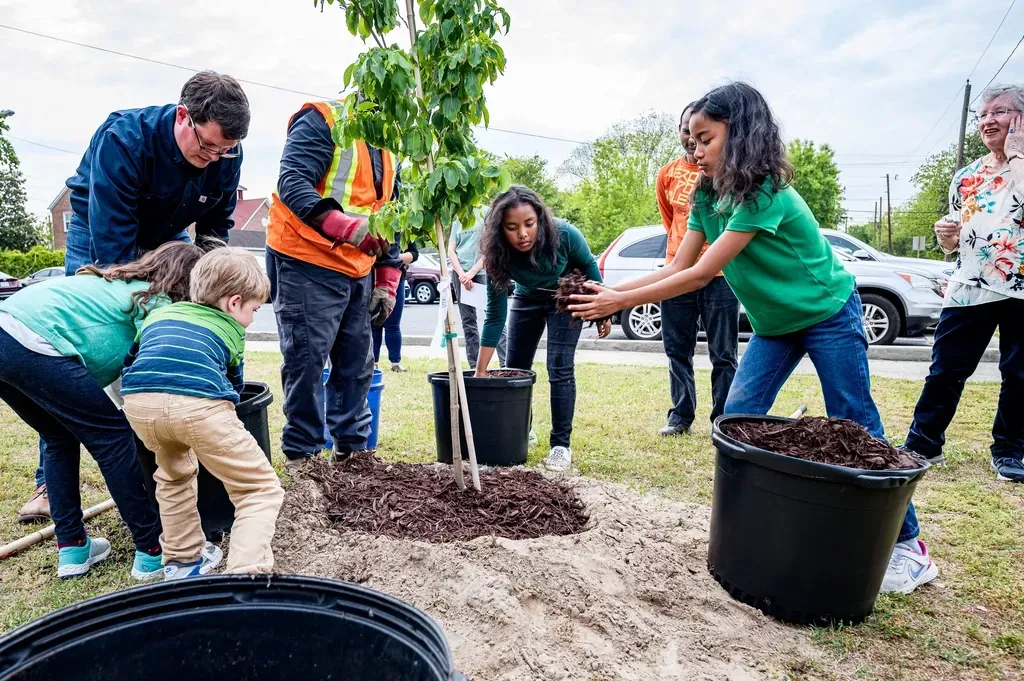
The story of Las Vegas altruism is not a feel-good counterpoint to the city’s glamorous image. It’s something more grounded than that. It’s what happens when a large, fast-growing, economically stressed community decides, repeatedly and across institutions, that showing up for neighbors is worth the time.
The psychology supports it. The positive energy from doing a good deed can act on the body in much the same way that exercise does, releasing endorphins naturally. Studies have found that volunteers tend to live longer and often have better physical health than non-volunteers. The community infrastructure sustains it. The data on food insecurity, trauma response, and organized volunteerism confirms it.
Vegas Strong was never just a slogan coined after tragedy. It turns out to be a fairly accurate description of how this city has quietly operated all along. The neon fades by morning – the community work doesn’t.
Partner offer
Planning a trip to Vegas?
Compare hotel rates and show tickets on VEGAS.com.