
Las Vegas carries a reputation built almost entirely on entertainment, but the city’s philanthropic side tells a quieter, equally compelling story. Beneath the surface of neon and jackpots is a community of donors, nonprofits, and civic-minded businesses investing seriously in Southern Nevada’s future. Understanding how to give smart, not just generously, matters more now than it has in years.
The State of Giving in Southern Nevada


Nevada corporations increased their donations to $709.3 million in 2024, up nearly 13% from the $628.1 million recorded in 2023, according to the Moonridge Group’s 2025 Nevada Corporate Giving Report. That kind of momentum reflects a broader cultural shift, one where structured, strategic giving is becoming the norm rather than the exception. As one banking executive noted in the report, charitable giving continues to be a foundational element in communities throughout the Silver State, and nonprofit organizations could be pushed to rely even more on charitable donations as federal funding for some programs is reduced.
Nevada’s Unique Tax Landscape for Donors
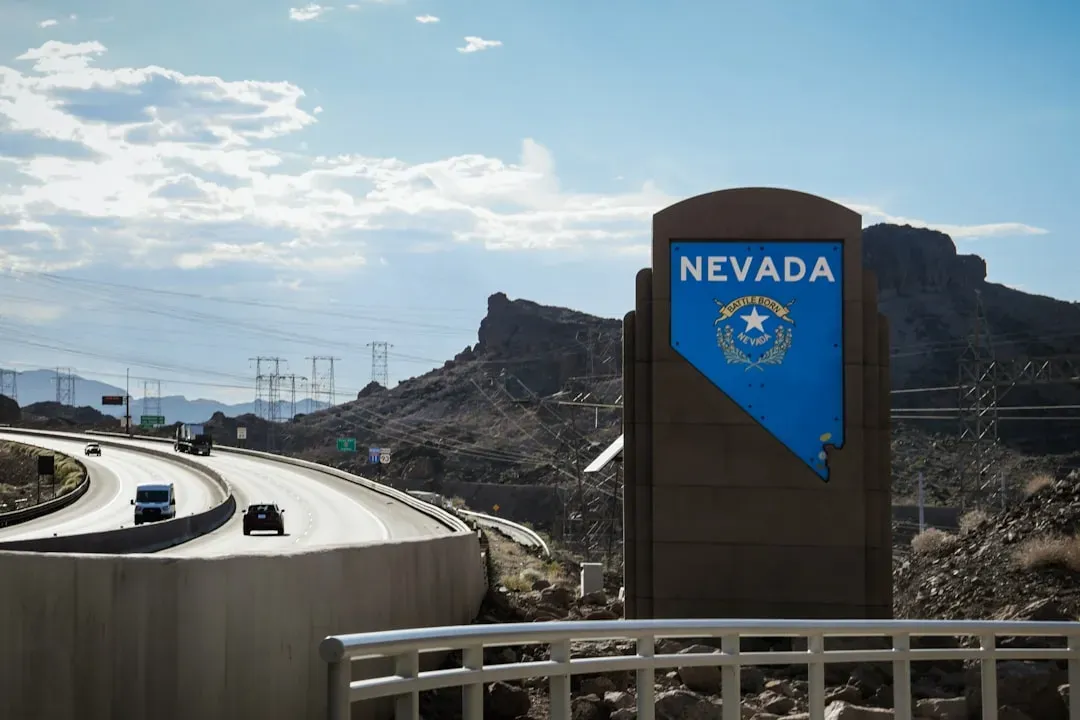
Nevada’s lack of a state income tax provides a unique advantage to its residents, simplifying their tax obligations to federal requirements. However, this benefit also necessitates diligent federal tax planning to maximize financial efficiency. For Las Vegas donors, this means the focus falls almost entirely on federal deduction strategies rather than layered state and federal calculations. Nevada imposes neither estate nor inheritance taxes, providing a double benefit. Combined with no state income tax, Nevada provides comprehensive tax advantages for wealth preservation.
The Power of Donor-Advised Funds (DAFs) Through Local Foundations


A Donor Advised Fund operates like a charitable checkbook, offering you an immediate charitable deduction with the flexibility to make grant recommendations to charities you care about whenever you’re ready. You get a charitable deduction as soon as you set up the fund, and then, whenever you’re ready, you start to make grants to the charitable causes you care about. The Nevada Community Foundation offers exactly this option locally. NCF administers more than 150 charitable funds with nearly $250 million in assets, and today is one of the 100 largest community foundations in the country, recognized as a four-star organization by Charity Navigator with a 100% trust rating.
Giving Appreciated Securities Instead of Cash

Donating appreciated securities is a straightforward and effective tax-saving strategy that can allow donors to claim a deduction based on the market value of the securities while avoiding capital gains taxes. The charity can then sell the securities and keep the full proceeds. This approach effectively doubles the benefit for many Las Vegas donors. Donating appreciated stock generally eliminates the capital gains tax that would otherwise be incurred if the donor sold the assets and donated the sale proceeds, increasing the amount available for charities by up to roughly a fifth. If the donor itemizes deductions, they may also claim a charitable deduction for the fair market value of the contributed assets.
The Bunching Strategy: Maximizing Deductions Year to Year


Bunching, or consolidating multiple years’ worth of planned donations into a single tax year, has been an effective strategy since the Tax Cuts and Jobs Act increased the standard deduction. By bunching gifts strategically, donors may be able to receive greater tax benefits before new rules take effect. The math often surprises people. A married couple taking the standard deduction across two years collects a two-year total of about $60,700 in deductions. By bunching two years of charitable giving into a single year and itemizing, the same couple could reach a two-year total of $66,500, saving meaningfully more overall.
Qualified Charitable Distributions for IRA Holders


For 2025, individuals age 70½ and older can direct up to $108,000 per year, or up to $216,000 for married couples filing jointly, from their IRAs to operating charities through a Qualified Charitable Distribution. This is one of the most efficient tools available for older donors in Las Vegas. A QCD will not count as taxable income and can also be used to satisfy an IRA’s required minimum distribution, up to the QCD limit of $108,000 in 2025 for those age 73 and older. It’s worth noting that donor-advised funds are not eligible recipients for QCDs, so the gift must go directly to an operating public charity.
Charitable Trusts: Giving That Keeps Working

Charitable planning strategies provide an avenue for reducing estate tax burdens while supporting causes you care about. Charitable remainder trusts, charitable lead trusts, donor-advised funds, and direct charitable bequests all offer tax advantages while allowing you to benefit charitable organizations. These strategies can reduce estate taxes, provide income tax deductions, and create lasting philanthropic legacies. Nevada’s legal framework gives these tools extra reach. Nevada’s statutes allow charitable trusts, such as charitable remainder and charitable lead trusts, to be designed with unmatched flexibility. Nevada leads the nation when it comes to estate planning, setting the standard for other states to follow.
New Federal Rules Shaping Giving in 2026

Starting in the 2026 tax year, the One Big Beautiful Bill reinstates an above-the-line deduction for charitable cash contributions made by non-itemizers. Single filers can deduct up to $1,000, while married couples filing jointly can deduct up to $2,000. This is welcome news for middle-income Las Vegas donors who don’t typically itemize. A third major change is the introduction of a “floor” for charitable deductions. Starting in 2026, all itemizers can only claim a tax deduction for charitable contributions that exceed 0.5% of their adjusted gross income. High earners, in particular, will need to plan carefully to stay above that threshold.
Where the Money Goes: Key Local Nonprofits Worth Supporting

Las Vegas has no shortage of well-established nonprofits doing verifiable, measurable good. Three Square is a food bank that works to provide meals to those in need in Southern Nevada, partnering with over 1,600 community organizations to distribute food. They also offer nutrition education programs and job training for individuals seeking employment in the food service industry. Catholic Charities of Southern Nevada provides a range of services to individuals and families in need, including food assistance, shelter, and job training, as well as counseling, case management, and immigration services. All of the major nonprofits operating in Southern Nevada maintain registered 501(c)(3) status, making donations tax-deductible at the federal level.
Building a Lasting Philanthropic Legacy in Las Vegas


Charitable giving can play a meaningful role in tax planning, allowing individuals and families to reduce taxable income, address estate tax concerns, and create a lasting legacy. Thoughtful planning helps align donations with financial goals while maximizing their impact. For Las Vegas families thinking across generations, Nevada’s trust laws add an extra dimension. Nevada allows trusts to last up to 365 years, permitting long-term preservation and management of wealth across multiple generations. Establishing a donor advised fund at the Nevada Community Foundation and naming children and grandchildren as successor advisors is one practical way to pass on the gift of giving and create a lasting legacy of good in a family’s name.
Giving back in Las Vegas doesn’t have to mean simply writing a check and walking away. The combination of Nevada’s favorable tax environment, well-structured federal charitable tools, and a growing network of local nonprofits means that thoughtful donors here can stretch every dollar meaningfully. The city that built its reputation on luck turns out to be a surprisingly smart place to give with intention.