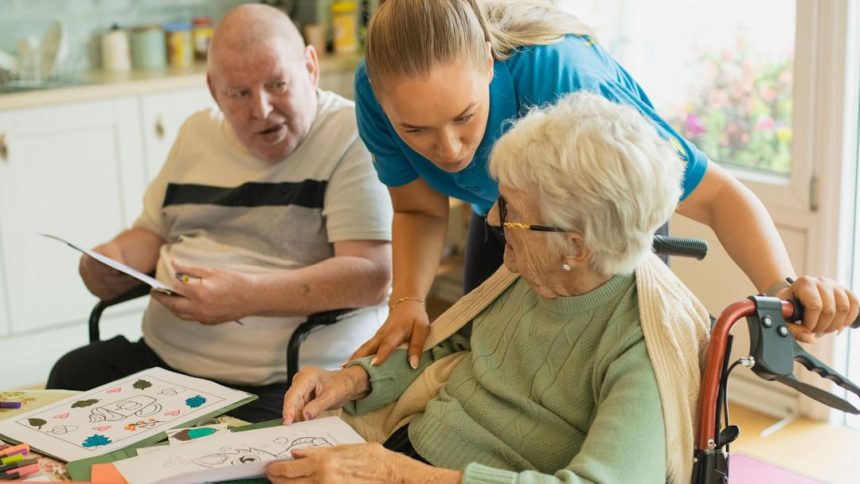
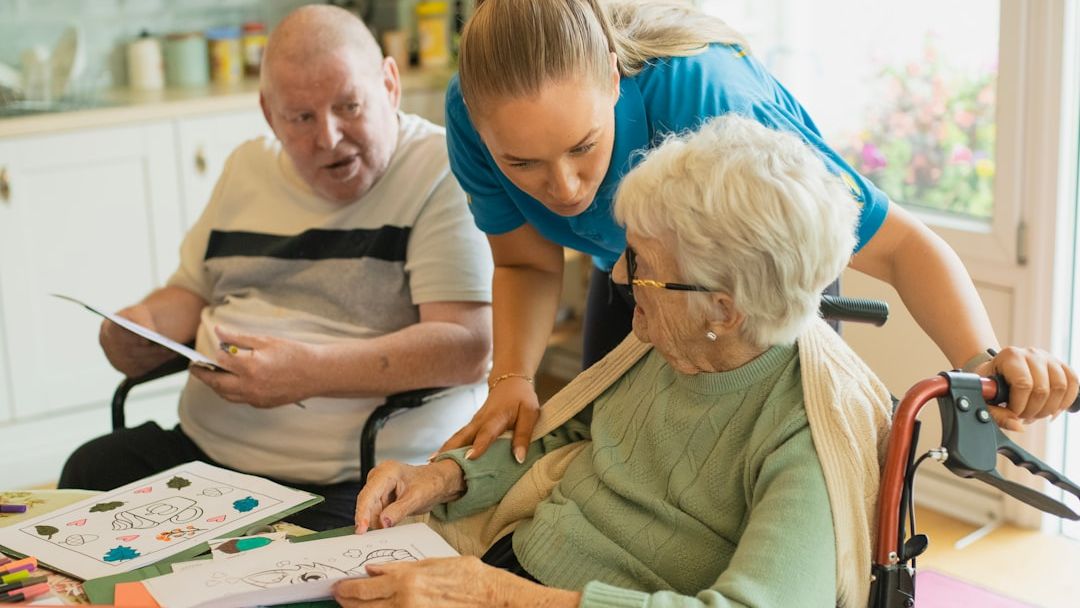
Local Charities Helping Seniors in Washington – Image for illustrative purposes only (Image credits: Unsplash)
In communities throughout Washington state, older adults often face hurdles like securing groceries, covering utility bills, or arranging medical rides. Local charities, food banks, and faith groups step in where government programs fall short, offering targeted support that keeps seniors safely at home. These resources emphasize quick connections through helplines like WA 211, neighborhood nonprofits, or nearby pantries, proving especially vital amid fluctuating needs.
Quickest Paths to Urgent Local Support
Seniors in Washington confronting immediate crises benefit most from direct calls to specialized groups rather than broad state offices. Food banks provide the swiftest entry for hunger relief, while church programs handle rent or utility pledges on short notice. Volunteer rides and legal screenings follow closely for medical or eviction issues, though waitlists and documentation requirements vary by location.
Groups advise acting promptly without perfect paperwork. For instance, pantries confirm ZIP code eligibility over the phone, and repair nonprofits outline grab bar installations during initial inquiries. This approach minimizes delays, as funding depletes rapidly in high-demand areas.
Food Banks Delivering Relief Statewide
Washington boasts over 500 food banks and pantries, coordinated by networks like Northwest Harvest and Feeding Washington. These organizations link seniors to nearby sites offering senior boxes, home delivery, or culturally tailored meals, particularly for those 60 and older. Eastern Washington’s Second Harvest runs mobile markets, while Clark County’s food bank directs to over 200 distribution points.
Practical steps include using tools like Hunger Free Washington’s finder or WA 211 to verify hours and service areas. Seattle’s ACRS Food Bank caters to Asian and Pacific Islander communities with familiar options. Many sites accommodate limited mobility by suggesting reusable bags or boxes upon arrival.
Faith Groups and Charities Tackling Rent and Utilities
Churches and organizations like St. Vincent de Paul in King and Pierce Counties assist with partial pledges for rent, utilities, gas, or clothing after reviewing notices and ledgers. Salvation Army branches evaluate local funds for similar needs, often combining efforts with partners. Hopelink in north King County prioritizes eviction prevention and repair bills through a lottery system.
Partner offer
Multi-Service Center in South King County requires leases and income proof for emergency aid, paying vendors directly. Byrd Barr Place in Seattle aids with energy assistance alongside groceries. Jewish Family Service supports Puget Sound elders with stabilization services, underscoring that full bill coverage remains rare.
Nonprofits Enabling Aging in Place Through Rides, Repairs, and Care
Specialized nonprofits address ongoing challenges that preserve independence. Sound Generations in King County operates free shuttles for those 55 and older, plus volunteer rides to health appointments for ages 60-plus, requiring advance scheduling. Eastside Friends provides Eastside rides, visits, and chores, while NEST Seattle fosters neighborhood volunteer networks.
Home safety emerges as a priority, with Sound Generations handling minor fixes like handrails and steps in select areas. Rebuilding Together South Sound offers no-cost modifications such as ramps in Pierce County and nearby cities, though applications face long waits. Catholic Charities Eastern Washington extends chore services across rural counties, covering laundry and shopping.
Caregiver relief rounds out these efforts. The Alzheimer’s Association’s local chapter runs support groups and a 24/7 helpline, alongside Jewish Family Service’s planning aid. These interventions ease isolation without replacing paid care, directing families to broader resources when needed.
Targeted Aid, Legal Clinics, and Application Tips
Community-specific groups enhance access for diverse seniors. Sea Mar assists Spanish-speaking elders in King County, GenPride serves LGBTQ+ adults in Seattle, and Tribal programs like Lower Elwha Food Bank provide commodity boxes. Legal aid via Northwest Justice Project’s CLEAR hotline screens housing and income issues for those 60-plus, while DentistLink refers to low-cost clinics like Neighborcare.
Effective outreach starts with concise scripts: state age, location, need, and partial payment ability, then request document lists. Keep IDs, bills, and income proofs handy. If denied, seek referrals, reopening dates, or partial pledges, logging calls for follow-ups through 2-1-1.
Key Steps for Success:
- Call matching your need first – food, rent, rides, or repairs.
- Ask about senior-specific options like deliveries or boxes.
- Prepare basics: ID, address proof, bills, income docs.
- Follow up with referrals if funds are low.
As Washington’s senior population grows, these local charities remain cornerstones of resilience, bridging gaps with practical, neighborly aid. Their emphasis on referrals and combined efforts ensures broader reach, reminding families that persistence unlocks tailored solutions amid limited resources.
Partner offer
Planning a trip to Vegas?
Compare hotel rates and show tickets on VEGAS.com.