There’s a quiet revolution happening in American front yards. The clipped green lawn, long a symbol of suburban life, is coming under scrutiny from lawmakers, water authorities, and climate scientists alike. For millions of homeowners, what grows in front of the house is no longer just a personal aesthetic choice.
Across several U.S. states, legislation passed between 2021 and 2024 is reshaping what you can plant, irrigate, and keep alive in your front yard. Some laws are already in effect. Others are phasing in through 2029. Understanding where your property stands now can save you from fines, unexpected costs, and a scramble to comply when deadlines close in.
How Much Water Your Lawn Really Uses
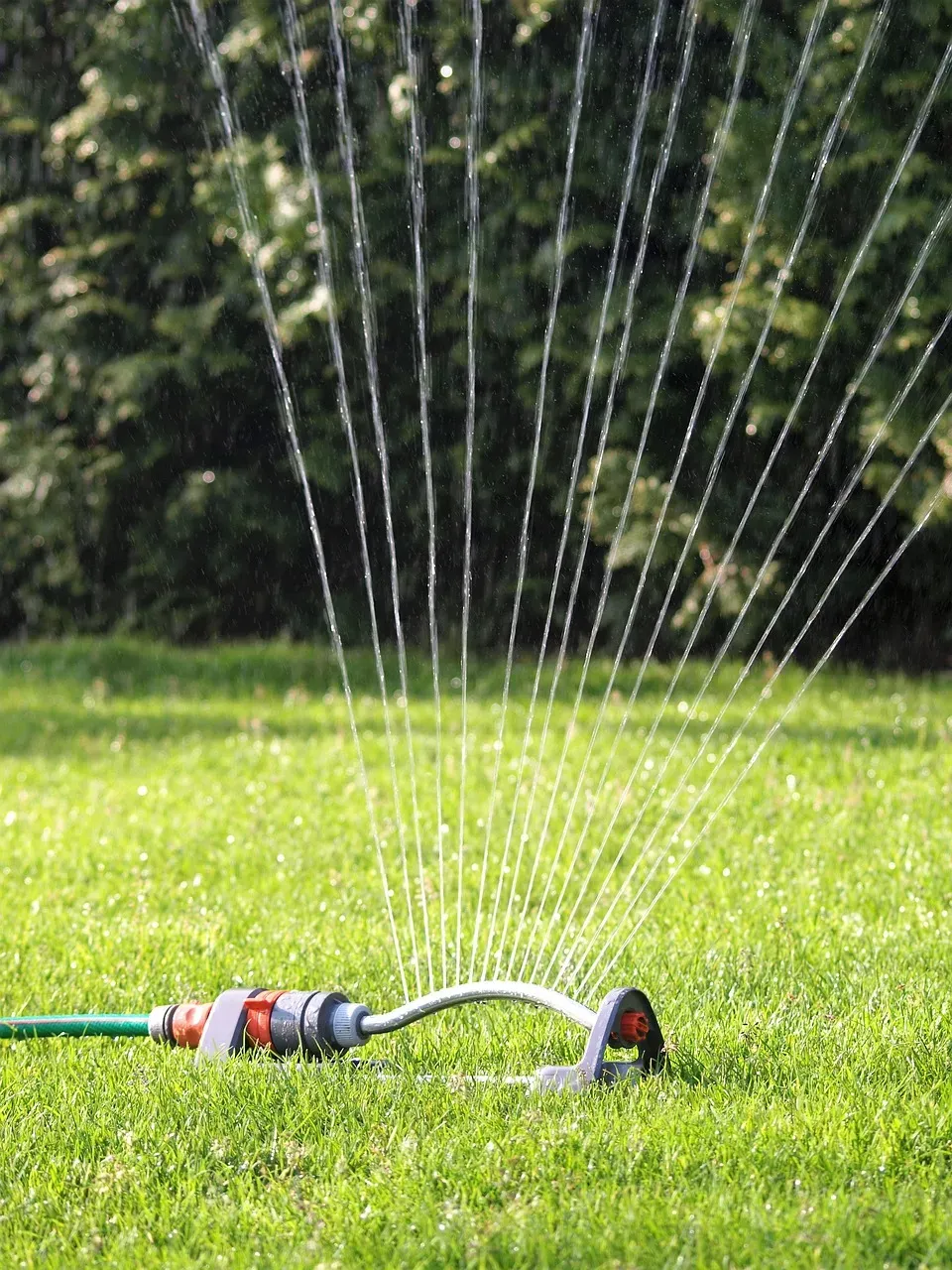
Nationally, outdoor water use accounts for roughly 30 percent of household use, yet it can be much higher in drier parts of the country and in more water-intensive landscapes. In desert regions, that share climbs well past half of total residential consumption. The front lawn, quietly running its sprinklers twice a week, is often the single largest water user on the property.
Residential outdoor water use across the United States accounts for nearly 8 billion gallons of water each day, mainly for landscape irrigation. The average U.S. household uses more water outdoors than for showering and washing clothes combined. That figure tends to surprise people who assume indoor habits are where the big savings are.
As much as 50 percent of the water used outdoors is lost due to wind, evaporation, and runoff caused by inefficient irrigation methods and systems. A household with an automatic landscape irrigation system that isn’t properly maintained and operated can waste up to 25,000 gallons of water annually. These numbers explain why policymakers have started treating front-yard irrigation as a serious policy problem, not just a personal habit.
Nevada’s Grass Ban: The Law That Sparked a Movement
Popularly known as the “grass ban,” Nevada’s AB 356 law is a landmark outdoor water conservation measure. Enacted in 2021, the law prohibits the use of Colorado River water to irrigate all nonfunctional turf by January 1, 2027. The ban does not apply to existing single-family homes. That distinction matters. Homeowners can keep their front lawns for now, but commercial properties, HOAs, and multi-family developments face a hard deadline.
According to the Southern Nevada Water Authority’s estimate, the new law will lead to the eventual removal of 3,900 to 4,000 acres of nonfunctional grass, or about 6 square miles worth of turf. That’s about 30 percent of the 13,000 acres of grass currently in the Las Vegas Valley. The scale is striking, and the deadline is close.
With the new law, the region is projected to save 7 to 10 billion gallons of water per year, which is enough to supply about 40,000 homes with sufficient water for a year. Still, implementation has been uneven. Pushback from homeowners associations looking to avoid turf removal costs and preserve their communities’ aesthetic could leave the region short of the water savings it needs.
California’s AB 1572: A Statewide Shift on Nonfunctional Turf
In response to pressing environmental challenges, California enacted AB 1572 in October 2023, a piece of legislation designed to significantly enhance water conservation efforts. This law targets a specific yet widespread form of water waste: the irrigation of nonfunctional turf with potable drinking water. The law applies to commercial properties, public agencies, and HOA common areas on a phased schedule.
Public properties owned by state and local governments must comply by January 1, 2027. Commercial, industrial, and institutional properties face a deadline of January 1, 2028. Homeowners associations must comply by January 1, 2029. Residential homeowners are not currently affected. Grass on the property of residential homes is not affected by AB 1572, and residential customers can still water their yards.
The Pacific Institute, a global water think-tank, estimates that tearing out grass and replacing it with less water-demanding plants would reduce water use across California by about 1 million to 1.5 million acre-feet per year, enough to supply about 4.5 million households. That potential savings figure has given the legislation considerable political momentum.
What Counts as “Nonfunctional” Turf Under the Law
The law introduces a statewide prohibition on the use of potable water for irrigating “nonfunctional turf” in specific settings. Nonfunctional turf is defined as grass that serves no practical purpose for human activity or recreation. This includes ornamental grass strips along roadways, expansive lawns in corporate parks, unused patches of grass in front of commercial buildings, and other similar areas not regularly used for sports, play, or social gatherings.
The law explicitly allows for the continued watering of “functional grass,” which includes turf areas that serve a legitimate purpose, such as parks and public recreational spaces and sports fields. The key question regulators and property owners are working through is exactly where the line falls for mixed-use spaces like apartment courtyards or office park commons.
The penalties for noncompliance can reach up to $500 per day of violation under California Water Code Section 1846. The state could also sue to enforce the law and collect the penalties. These aren’t trivial fines, particularly for HOA boards managing large common areas.
Rebate Programs: Turning Compliance Into a Financial Opportunity
The Southern Nevada Water Authority is encouraging residents to remove or convert turfgrass into a water-efficient landscape by offering cash rebates through the Water Smart Landscapes Rebate program. Businesses are eligible for a cash rebate of $3 per square foot through this program. The program provides $3 per square foot for the first 10,000 square feet of converted turf, and $1.50 per square foot thereafter. Upgrading 15,000 square feet of grass to drip-irrigated trees and plants saves more than 825,000 gallons of water per year.
Local rebates vary considerably depending on where you live. The average residential grass conversion saves 75,000 gallons each year, while smart controllers save about 11,000 gallons after the first year, according to data from Chandler, Arizona’s water conservation program. To encourage the replacement of water-intensive grass lawns, cities like Buckeye, Arizona provide rebate programs for residential and commercial properties, calculated as 50 percent of total removal costs or $1.75 per square foot, whichever is lower, incentivizing the conversion of grass areas to xeriscape or artificial turf.
Increased demand for rebate programs may drive up costs for plant materials and landscape installation services as deadlines near. In other words, waiting until the last moment often costs more in both time and money. Many programs also run until funds are exhausted, with no guarantee of renewal.
Smart Irrigation Technology: A Practical Upgrade for Homeowners
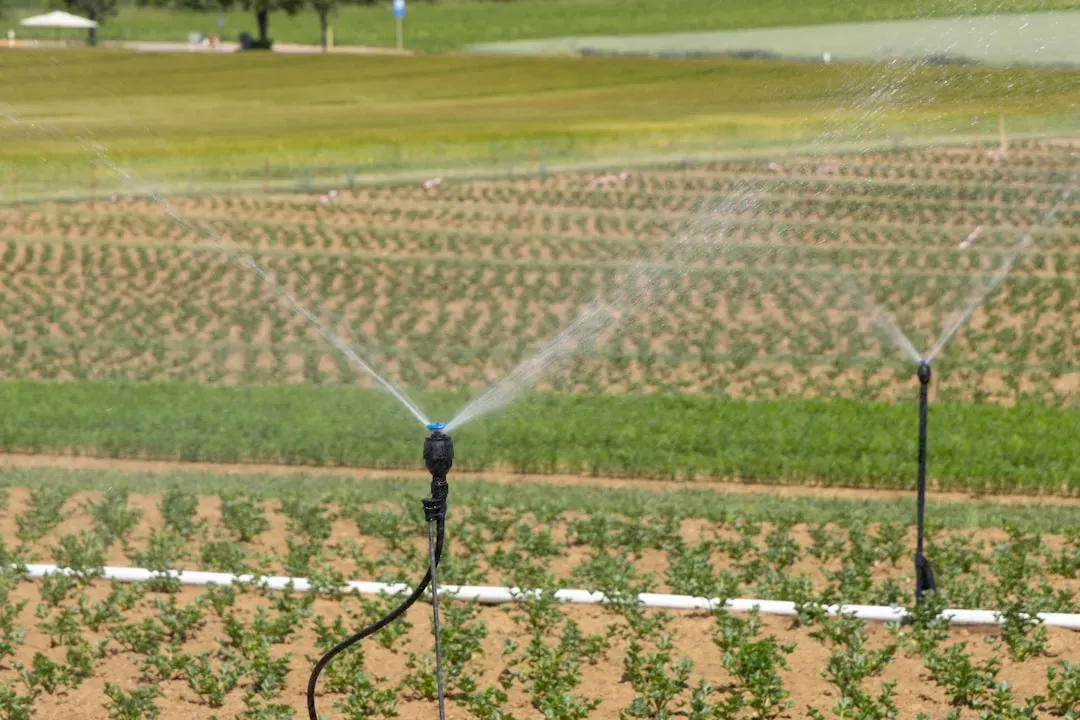
Replacing a clock-based controller with a WaterSense labeled irrigation controller can reduce an average home’s irrigation water use by up to 30 percent and can save an average home up to 15,000 gallons of water annually. These smart controllers adjust watering schedules automatically based on weather data and soil moisture, removing the guesswork that causes so much waste.
Cities like Buckeye, Arizona offer rebates of up to $100 for residential customers who purchase and install EPA WaterSense-labeled smart irrigation controllers. These controllers automatically adjust watering schedules based on real-time weather data, ensuring efficient water usage for landscape irrigation. Similar programs exist in dozens of municipalities across the Southwest and West.
For those who take pride in making their yard look good year-round but also want to save water, native plant varieties planted in hydrozones based on watering needs are a smart approach. Native plants require little supplemental watering aside from normal rainfall while still looking lush, and using hydrozones ensures plants aren’t over- or under-watered. The combination of smart tech and appropriate plants tends to deliver the most dramatic reductions in water bills.
Watering Restrictions and Local Enforcement
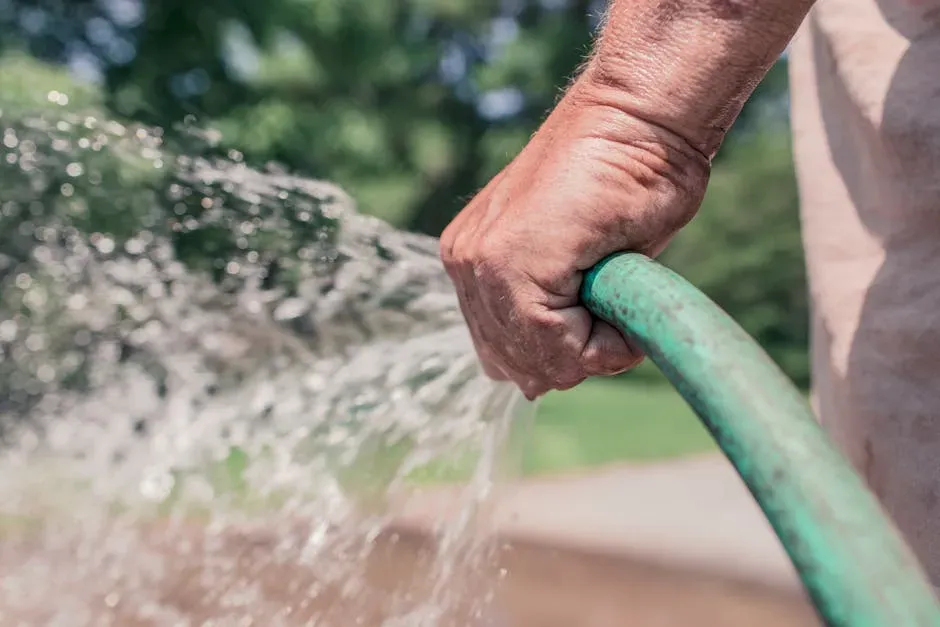
Beyond outright turf bans, many municipalities have introduced stricter rules on when and how long you can run your sprinklers. Watering day restrictions, time-of-day rules, and drought-triggered bans are increasingly common. Violations in many cities now carry fines that escalate with repeated offenses, treating overwatering as a regulatory matter rather than a neighborly nuisance.
California’s approach during its most recent drought saw Governor Newsom direct the State Water Board to ban decorative grass watering at commercial, industrial, and institutional areas. A March 2023 Executive Order retained a state of emergency for all 58 counties and maintained the ban on wasteful water uses such as watering decorative grass on commercial properties. While the emergency regulation expired in June 2024, the permanent legislation in AB 1572 now carries that intent forward into law.
Local authorities may adopt different and stricter water conservation measures beyond state rules, so checking with your local supplier about current restrictions is essential. State law sets a floor. Local ordinances can, and frequently do, go further.
What Homeowners Should Do Right Now
The most practical first step is finding out exactly which rules apply to your property type and your water district. Single-family homes are shielded from many of the current mandates, but that landscape is shifting. HOA members, landlords, and commercial property owners face active and approaching deadlines that could result in real financial penalties.
While the Las Vegas Valley’s population grew by 49 percent, the amount of water it took from the Colorado River actually shrank by 26 percent through decades of conservation work. These efforts helped halve the amount of water each resident consumed and freed up enough capacity for Clark County to add nearly 1 million people. That track record proves that aggressive conservation policy, paired with financial incentives, genuinely works at scale.
Most water utilities and many state governments offer rebates for water conservation upgrades. These rebates can dramatically shorten the payback period on water-saving investments, sometimes turning a two-year payback into a six-month payback. Checking your local utility’s website for current programs takes minutes and can yield hundreds or even thousands of dollars in savings.
The conversation about front yards and water use is no longer abstract. It’s written into state law, backed by fines, and supported by a growing network of rebate programs that make the shift more manageable than it might seem at first. The green lawn that defined a century of suburban life is not disappearing overnight. However, the rules around it have already changed, and knowing those rules is now part of being a responsible property owner.