Critical consensus can look permanent from a distance. Zoom in on the original reviews, though, and plenty of albums now treated as classics got a cold, confused, or openly hostile welcome.
Eight records from the 1960s through the 2000s show how often that happened. Some flopped commercially as well, while others sold fine and only the reviews were rough. Here’s how each one was first received and how its standing changed.
Weezer’s Pinkerton (1996)


Weezer followed their hit debut, the Blue Album, with a much darker and rawer record. Rivers Cuomo wrote it during a difficult stretch that included painful leg surgery and isolation while studying at Harvard. Its lyrics were confessional and uncomfortable, and the sound was loud and ragged.
Reviews on release were mixed, and Rolling Stone readers later voted it among the worst albums of 1996. Sales were modest compared with the debut. Over the following years, younger bands and fans adopted it as a landmark of emo and indie rock, and Cuomo himself came to embrace it.
The Velvet Underground and Nico (1967)


The album came out on Verve in March 1967 with Andy Warhol’s name attached as producer and his banana artwork on the sleeve. Its songs dealt with drug use, sadomasochism, and urban grit, far from the optimism of the era. Radio mostly ignored it, and it barely made a dent on the charts.
Critics at the time were largely unmoved or puzzled. The record’s reputation grew slowly through the influence it had on punk, art rock, and indie bands. Rolling Stone’s 500 Greatest Albums list in 2003 placed it high, a long way from its original reception.
Led Zeppelin (1969)


Led Zeppelin’s debut arrived in January 1969, and some early press treated the band as overhyped. Rolling Stone ran a notably harsh review that accused the group of copying other blues-based acts. The band’s loud, heavy approach didn’t fit what many critics wanted from rock then.
Audiences disagreed. The album climbed into the top ten on the US chart and did well in the UK as well. Its reputation among critics has since flipped, and it’s now regarded as a foundation stone of hard rock and heavy metal.
Lou Reed’s Berlin (1973)


Lou Reed’s follow up to his breakout solo album Transformer was a bleak concept record about a doomed couple, produced by Bob Ezrin. It dealt with addiction, abuse, and despair in sweeping, theatrical arrangements. Many reviewers found it too grim and overblown.
Rolling Stone’s original review was famously dismissive, and the album stalled on the US chart at a modest position. Reed played it in full on tour decades later, and a concert film directed by Julian Schnabel followed in 2007. Today it’s widely listed among his major works.
Partner offer

Neil Young’s Tonight’s the Night (1975)


Young recorded the album in 1973 in the aftermath of the deaths of his friends Danny Whitten and Bruce Berry. The performances are loose, rough, and deliberately raw, and his voice cracks throughout. His label hesitated, and it didn’t appear until June 1975.
Reception was lukewarm, and some reviewers found it unpolished or self-indulgent. Over time, critics came to see its ragged honesty as the point. It now regularly appears in lists of the best albums of the 1970s.
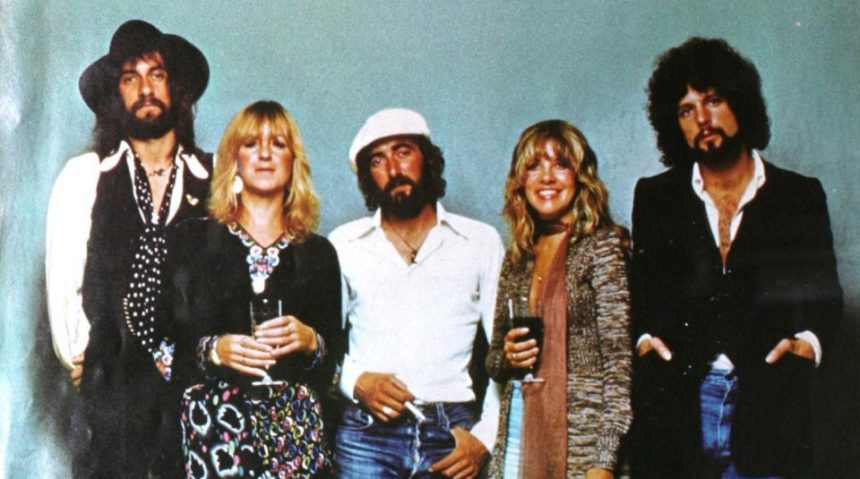
Fleetwood Mac’s Tusk (1979)


Following the enormous success of Rumours, Fleetwood Mac released a sprawling double album that leaned into experimentation. Lindsey Buckingham pushed the band toward stranger, more stripped sounds influenced by punk and new wave. It was also an expensive record to make, reportedly costing around a million dollars.
Many reviewers were unsure what to make of it, and sales fell well short of its predecessor, even though it still sold in the millions. The label and some fans saw it as a disappointment at first. Later critics have praised its adventurousness, and Buckingham’s contributions in particular are now often celebrated.
The Beach Boys’ Pet Sounds (1966)


Brian Wilson conceived Pet Sounds as a more personal, orchestrated step beyond the surf and car songs that made the group famous. In the United States, the reception was subdued, and the album sold less than earlier Beach Boys records, peaking inside the top ten. Capitol’s promotion was reportedly lukewarm, and some fans wanted the old sound.
British listeners and musicians responded much more warmly, and its reputation was built up steadily from there. Over the decades, it has become one of the most consistently cited albums on all time lists. Its slow rise is a reminder that early reaction can be uneven across countries.
Daft Punk’s Human After All (2005)


After the glossy, beloved Discovery, Daft Punk delivered a stripped down, repetitive record that was reportedly made in about six weeks. Reviewers criticized it as monotonous and underdeveloped, and many fans were disappointed. It was a sharp contrast to the praise the duo had received before.
Perception began to shift after the group’s live shows reworked the material in 2006 and 2007, as captured on the album Alive 2007. The tracks sounded bigger and more purposeful on stage. Today, many listeners treat the album as a cult favorite and an important piece of the duo’s story.
What Time Did to These Verdicts


The pattern across these eight records is fairly consistent. Each one broke from what the artist or the era seemed to expect, and early critics often responded to the surprise rather than the music. Later listeners, free of that context, judged the albums on their own terms.
In every case, influence did much of the work. Bands citing these records as inspiration pulled critical opinion along with them. Several of the albums now sit comfortably on lists of the greatest ever made.
Partner offer
Planning a trip to Vegas?
Compare hotel rates and show tickets on VEGAS.com.