Few private estates in American history have captured the public imagination quite like Neverland Ranch. Built in California’s Santa Ynez Valley and transformed by one of the most famous entertainers who ever lived, the property became a symbol of childhood fantasy, extreme wealth, and ultimately a deeply complicated legacy. For years after Michael Jackson walked away from it in 2005, the estate sat largely frozen in time, its rides silent and its zoo empty.
Today, the property carries a different name and a quieter life. The amusement park is long gone, the animals have been rehomed, and a billionaire investor now holds the deed. Yet the land itself endures, and interest in its story has recently surged again, fueled by a major Hollywood biopic and a close call with wildfire. Here is a complete look at where things stand.
The Estate Before Jackson: A Gentleman’s Ranch

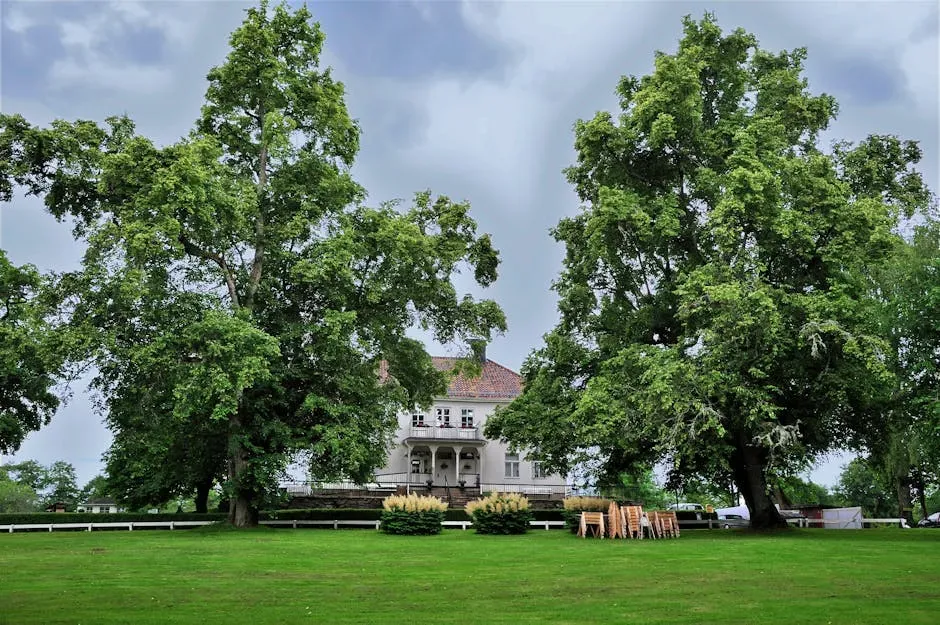
Originally named Zaca Laderas Ranch, the estate was renamed Sycamore Valley Ranch shortly after it was purchased by property developer William Bone in 1981. The result of the project was a main mansion of approximately 1,200 square meters, completed in 1982, in a style inspired by European country houses. The six-bedroom house showcased fine finishes and was surrounded by formal gardens, a four-acre ornamental lake with a waterfall, and a picturesque stone bridge.
In addition to the main residence, there were dozens of auxiliary buildings, including barns, three guest houses, sports courts, and a large swimming pool house. It was a handsome, well-considered estate, but still very much a traditional California ranch. The extraordinary transformation came only after Jackson arrived. In 1988, the ranch was sold to Jackson, who renamed it after Neverland, the fantasy island in the story of Peter Pan. Jackson had first visited the ranch when he came to see Paul McCartney, who was staying there during their filming of the “Say Say Say” music video in 1983.
Jackson’s Vision: A Private Fantasy World

At its peak, the estate was unlike anything else in private ownership anywhere in the world – a place where a Ferris wheel, a carousel, a private zoo with giraffes and chimpanzees, three railroads, a 50-seat movie theater, a dance studio, and a 12,500-square-foot French Normandy-style mansion all existed on a single private property. He added excessive amenities to his home, including a zoo with elephants and tigers, a train station, and a Ferris wheel that reportedly cost $215,000 when he bought it in 1990.
Some of the events that took place at the ranch included the wedding of Elizabeth Taylor and Larry Fortensky in 1991 and the live Oprah Winfrey interview of Jackson in 1993. Jackson would invite hundreds of children to come play at his ranch, particularly ill and underprivileged kids. The home was as much a playground for them as it was for Jackson, who had a notoriously difficult upbringing. His sister La Toya later described it as a living fairy tale that Michael created to finally have a normal childhood.
The Unraveling: From Police Raids to Foreclosure


Neverland’s decline as a home began in 2003, following police raids linked to legal investigations against the artist. Jackson left Neverland Ranch in 2005, shortly after his acquittal of child sexual abuse charges, and never returned. The psychological impact of watching his private sanctuary invaded by law enforcement proved too great to overcome, and he vowed never to go back.
On February 25, 2008, Jackson received word from Financial Title Company, the trustee, that unless he paid off more than $24.5 million by March 19, a public auction would go forward of the land, buildings, and other items such as the rides, trains, and art. On May 12, 2008, a foreclosure auction for the ranch was canceled after Colony Capital, an investment company run by billionaire Tom Barrack, purchased the outstanding debt and effectively saved the property from auction. Jackson died in June 2009 still technically connected to the estate he had abandoned.
The Long Attempt to Sell: From $100 Million to $22 Million

Over time, the rides and zoo were removed by the management firm Colony Capital to facilitate the marketing of the land. In 2017, the property regained its original name, Sycamore Valley Ranch, in an attempt to distance itself from the emotional and media burden of the “Neverland” name to attract new investors in a real estate market that was reluctant to acquire it.
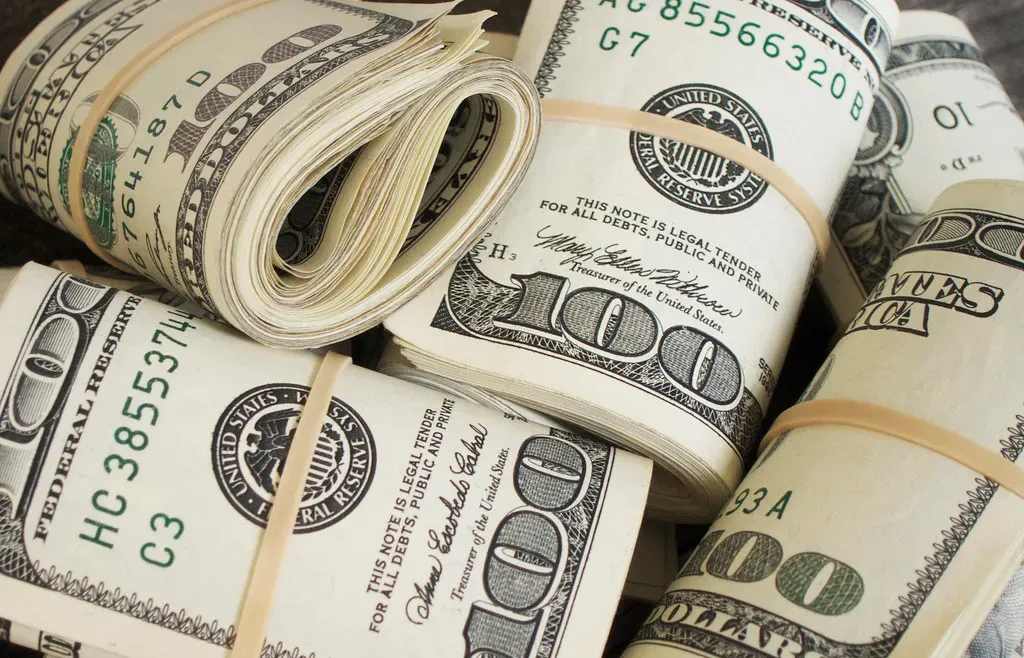
In 2014, the property was listed for sale at $100 million. It was reportedly pulled off the market in 2017 after failing to find a buyer following a price drop to $67 million, and went back on the market in 2019 for $31 million. The dramatic gap between Neverland’s asking price and its eventual sale price tells you everything about how the market viewed the property’s complexities – its remote location, its enormous maintenance costs, and the shadow of Jackson’s controversial legacy.
The Sale to Ron Burkle and What It Means Today


In December 2020, the billionaire businessman Ronald Burkle, a friend of the Jackson family, purchased the property for $22 million as a “land banking opportunity.” The 2,700-acre estate once contained 22 structures, including an amusement house and a zoo which housed elephants, a giraffe, orangutans, and Jackson’s chimp Bubbles. By the time Burkle stepped in, most of those distinctive features were already gone.
Neverland Ranch, officially known today as Sycamore Valley Ranch, is owned by Ron Burkle, a billionaire private equity investor and co-founder of Yucaipa Companies, who purchased it in 2020 for $22 million. That price was a fraction of the $100 million it was once listed for, and a reflection of how dramatically the property had fallen from its days as the most famous private estate in the world. After Jackson’s death in 2009, it sat largely empty for over a decade before Burkle quietly stepped in and gave it a new life as a private ranch and personal retreat.
The 2024 Wildfire Threat That Put It Back in the Headlines

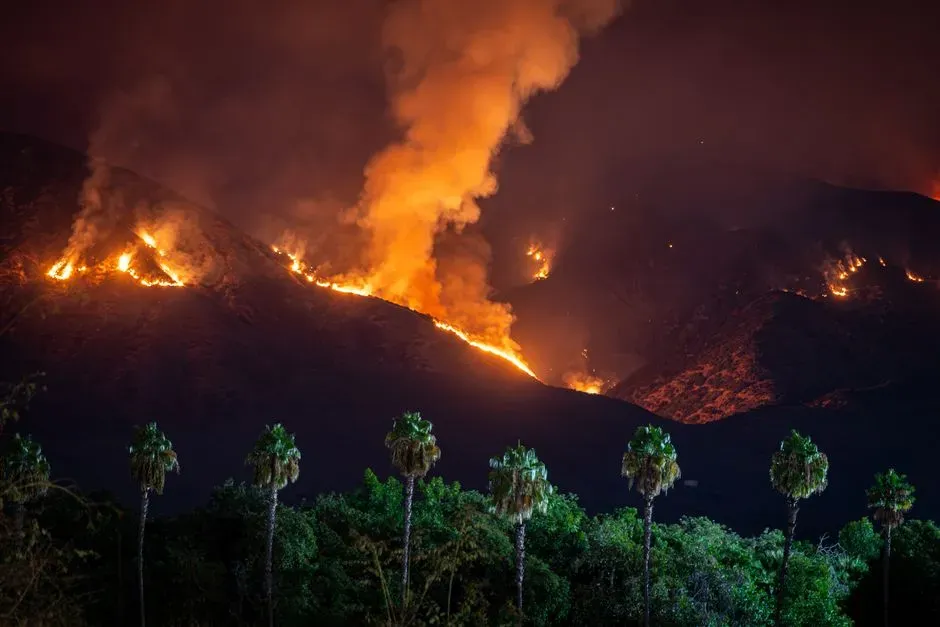
A wildfire in Santa Barbara County, California, burned more than 20,000 acres and prompted evacuation orders along the area, threatening Michael Jackson’s former Neverland Ranch. The Mercury News reported that the western edge of the Lake Fire was just one mile from the Neverland Ranch property as of Saturday night in early July 2024. Fortunately, the estate was ultimately spared.
Approximately 2,166 people were either warned or ordered to evacuate because of the fire, which began on July 5. It became the largest wildfire burning in California at that time. Six structures were damaged by the blaze, including an outbuilding on forest land and some recreational residences, but the main Neverland property came through intact. The near-miss served as a stark reminder of how exposed the estate remains to the natural forces of the region it sits within.
Neverland as a Film Set: The 2026 Biopic

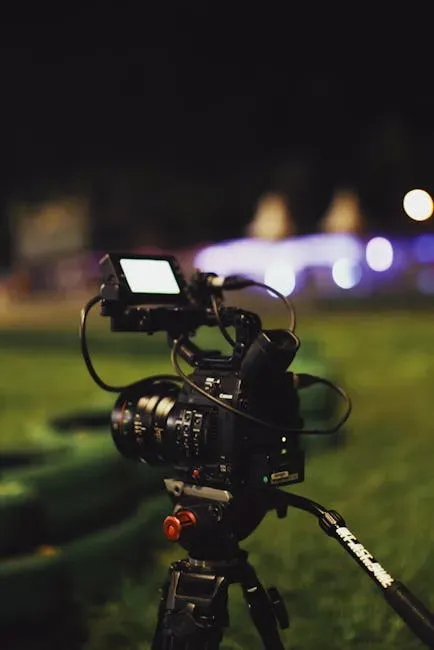
Scenes for the Michael Jackson biopic, Michael, were filmed at Neverland Ranch in April 2024, featuring dialogue, a petting zoo, helicopter shots, and a tree climbing stunt. The filming crew temporarily reconstructed some of Neverland’s iconic attractions for the scenes. The Jackson family, co-producers of the film, intentionally chose to film at the original location to lend authenticity – Michael’s nephew, Jaafar Jackson, plays the King of Pop in the film.
The movie premiered in Berlin on April 10, 2026, and was released in the US on April 24, 2026 by Lionsgate. Principal photography began in January 2024 in California after SAG-AFTRA strike delays, with reshoots in June 2025. Actor Miles Teller, who plays Jackson’s entertainment lawyer John Branca in the film, described the experience memorably. “We filmed at Neverland; it was wild,” he said. “Somebody else had bought it, but we dressed it up.”
What the Property Looks Like Now
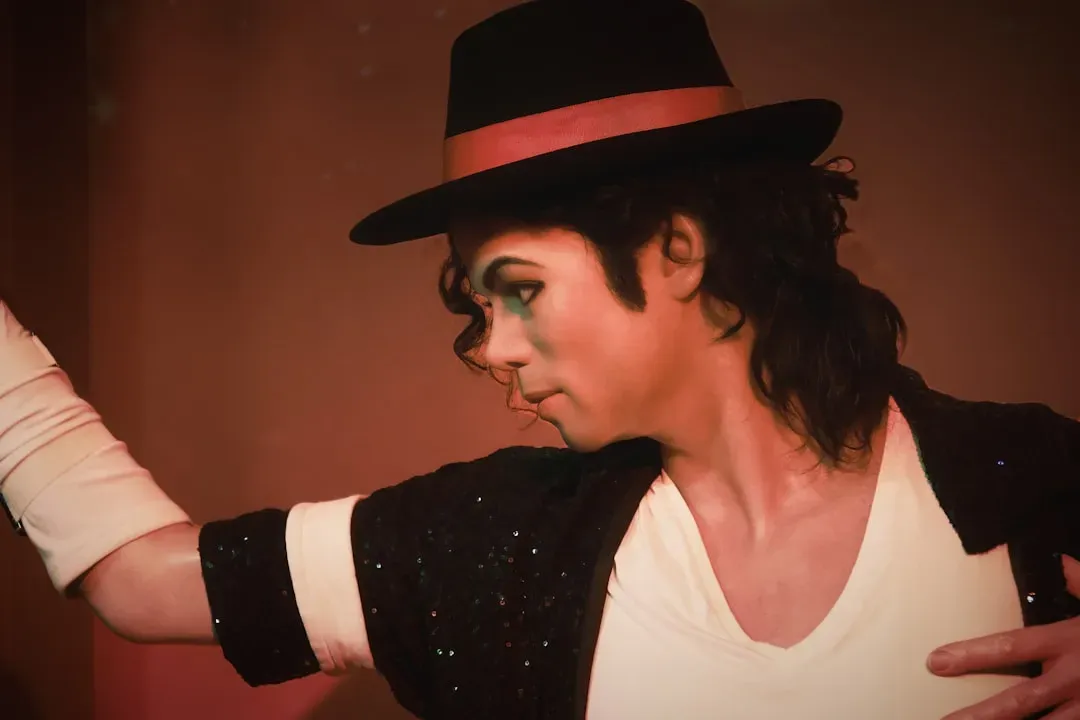
The 2,700-acre ranch includes the 12,598-square-foot six-bedroom Normandy-style mansion, a four-acre lake with a waterfall, a pool house, three guest houses, a tennis court, and a 5,500-square-foot movie theater and stage. The train station and railway tracks were also part of the listing when the estate was being sold, though the elaborate amusement park infrastructure that defined the Jackson era is no longer present.
Nearly four decades after its construction, this 2,700-acre property remains relevant, whether due to the transformations it underwent over the years or its recent rebirth under new management. The rolling hills, oak trees, and open pastures of the Santa Ynez Valley look much as they did before Jackson ever arrived. The property once housed amusement park rides, a petting zoo, and other entertainment, but it is unclear what the current owners plan to do with the multi-million-dollar property. For now, Burkle holds it quietly, with no public plans announced for development or sale.
The Enduring Weight of the Name

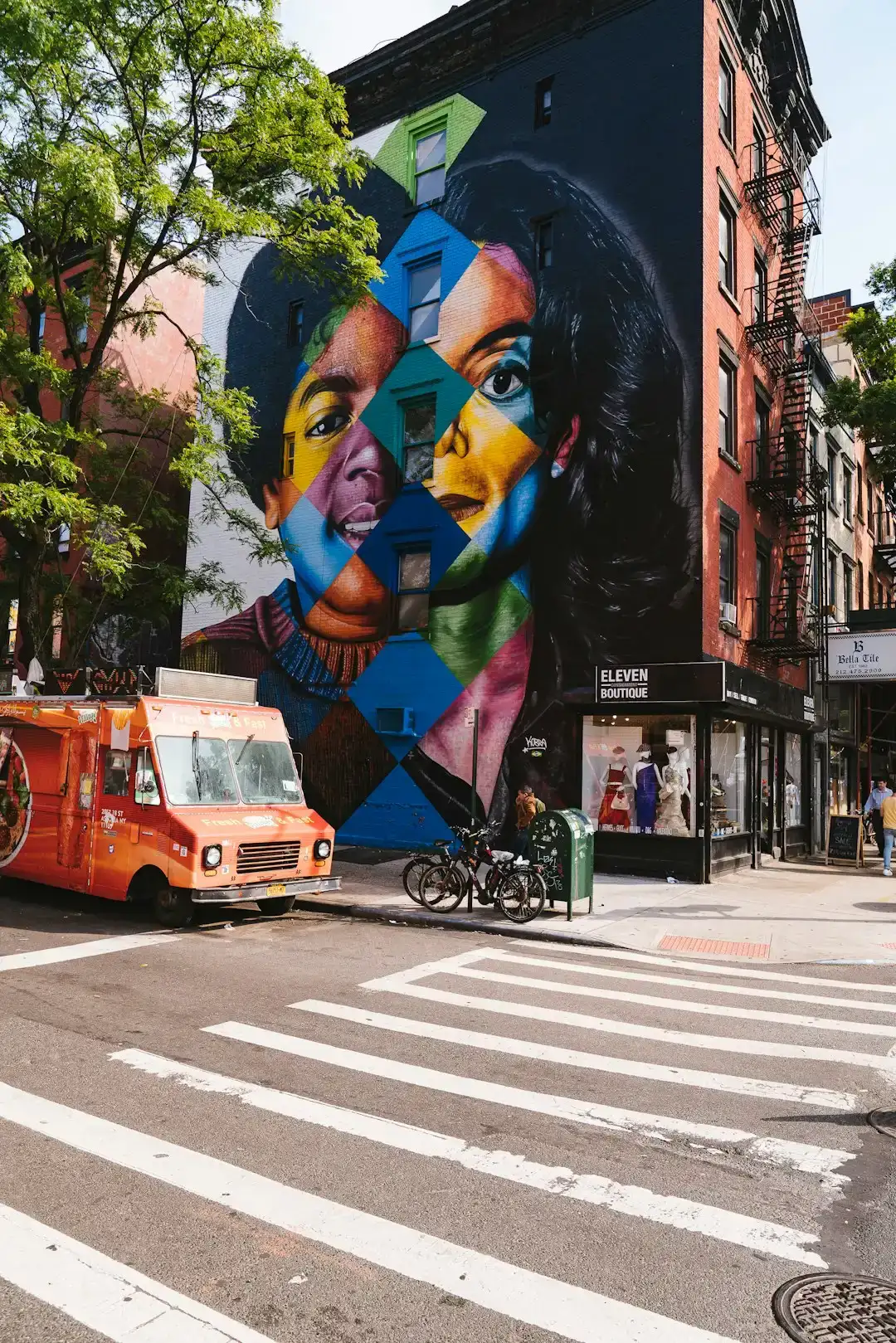
Whatever its future, Neverland Ranch will likely never fully escape the gravitational pull of its most famous chapter. The name alone carries layers of meaning that no rebranding can entirely erase. It was a place of genuine wonder for many people who visited, a retreat built on the desire to reclaim a lost childhood, and a location that eventually became inseparable from controversy and legal drama.
The estate today is calmer, quieter, and stripped of its fantastical additions. The Ferris wheel no longer turns, the zoo has been silent for many years, and the train station greets no visitors. What was once Michael Jackson’s most ambitious private retreat, designed as a “living fairy tale” to reclaim the childhood that fame took from him, is today a real estate asset that has suffered a drastic devaluation over the decades. Yet people still travel past the gates on Figueroa Mountain Road, and the world still asks what became of it. The answer, it turns out, is both simpler and more complicated than anyone might have expected.