Walk into almost any major museum and you’ll feel it instantly. That quiet sense of authority. The hushed galleries, the perfectly lit objects, the confident little labels explaining what everything means and where it came from. Museums feel like truth-tellers. Like the final word on history, culture, and human achievement. Honest, careful, and above all, complete.
Except they’re not. Not even close. The gaps in what museums choose to show, collect, and tell us are enormous. Some are accidental, shaped by the limits of old collecting practices. Others are deliberate. All of them matter deeply, because what gets left out of a museum doesn’t just disappear. It shapes what millions of people understand about the world. Let’s dig in.
The Myth of the Neutral Museum
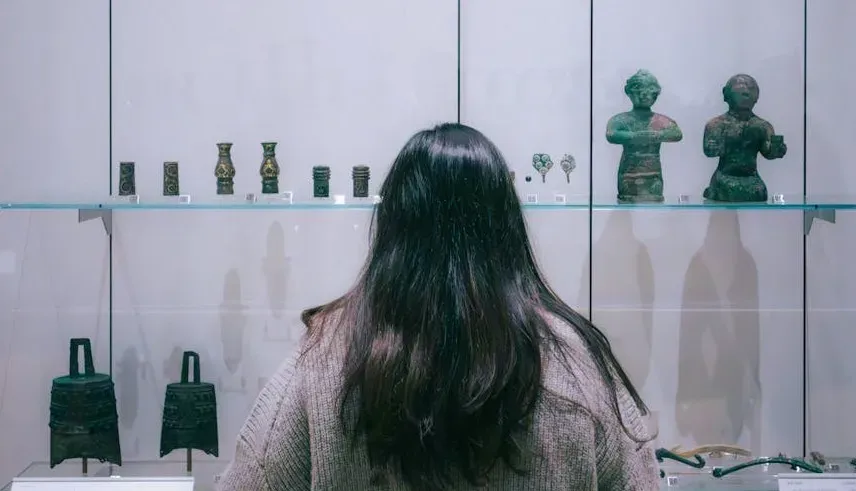
Here’s the thing a lot of visitors don’t consider: museums are not neutral institutions. They never really were. Over the past five years, conversations about biases in museums have migrated from internal staff discussions into mainstream headlines, with the public raising urgent questions about whose history is preserved, who has input in their cultural legacy, and where artifacts have been taken from. That’s a significant shift, and one that’s long overdue.
Memory institutions like museums continue to predominantly present colonial perspectives of history as fact. The voices of marginalized peoples are excluded, and museum narratives have remained biased. Think of it like a newspaper written by only one group of people covering only the stories they find interesting. The rest of reality still exists. It just doesn’t make the front page.
The Colonial Roots of “The Collection”
Most people look at a glass case holding an African ceremonial object and see culture being preserved. Rarely do they ask how it actually got there. The vast majority of items now subject to repatriation claims were acquired during periods of intense colonial expansion, conflict, or ethnographic collecting in the 19th and early 20th centuries. That’s not a footnote. That’s the whole story of how many Western collections were built.
Colonialism permeated all modern institutions, including the museum, and many collection items located in Western museums are historically and culturally sensitive. In some countries, official guidelines on how to deal with colonial collections are long overdue, and many museums seem to find that inaction is the perfect strategy. Inaction. That word should sting. It means knowing something is wrong and choosing to do nothing about it anyway.
The Staggering Scale of Missing African Heritage
Numbers have a way of cutting through polite debate. According to a 2018 report by the French government, roughly nine tenths of Africa’s cultural heritage is located in the major museum collections of the West. Let that sink in for a second. Not a small amount. Not a controversial edge case. The overwhelming majority of an entire continent’s cultural objects, sitting in someone else’s buildings.
By dispossessing people of their cultural artifacts, books, and important religious and cultural relics, you dispossess them of their knowledge, history, and philosophy. This has very concrete real-world implications. I think that’s one of the most important sentences in this entire debate. It’s not about objects in glass cases. It’s about whole communities being severed from their own intellectual and spiritual heritage.
The Benin Bronzes and the Problem That Won’t Go Away
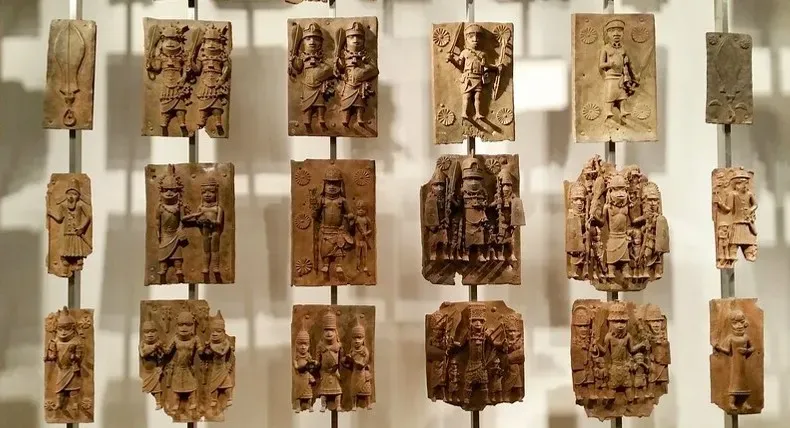
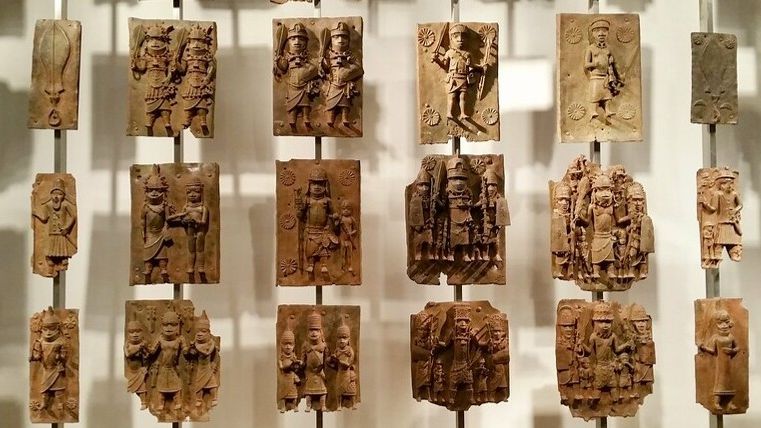
The Benin Bronzes are probably the most high-profile example of what museum silence actually looks like in practice. In 1897, British forces looted the Benin Bronzes during an attack on Benin City to expand British colonial power. The Kingdom of Benin was conquered and incorporated into the British colonial empire, and the Bronzes were eventually disseminated to more than 150 museums and an unknown number of private collections around the world. For generations, visitors saw these objects with almost no mention of that violent origin story.
In early 2024, the Fowler Museum at UCLA voluntarily returned several objects from their collection following extensive provenance research. On February 5th, 2024, the museum permanently and voluntarily returned seven royal objects to the Asante Kingdom in Ghana, marking the 150th anniversary of the looting of four of the objects, which occurred during the 1874 sacking of the Asante city of Kumasi by British colonial troops. These returns are meaningful. Still, they remain the exception rather than the rule.
What the Labels Don’t Say
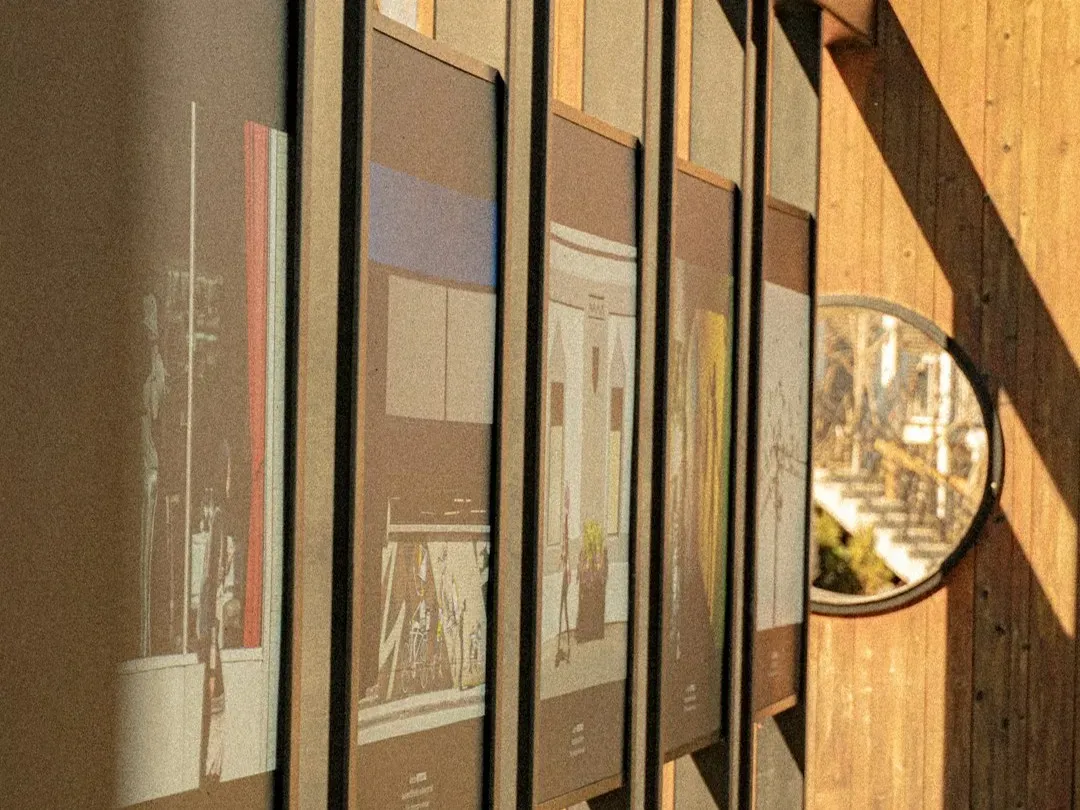
Honestly, the words on those little plaques deserve a whole article of their own. The Pitt Rivers Museum at Oxford launched a project to identify areas of improvement and to trial ways of changing public texts where derogatory and other problematic language is used, including adapting interpretation for specific cases that contain overly euphemistic or one-sided, Eurocentric text labels. That word “euphemistic” is doing a lot of heavy lifting. Describing violent looting as an “acquisition” is euphemism on an industrial scale.
As part of the broader movement to decolonize museums, the labels used to identify and describe objects in collections have attracted critical attention. In many cases, the language used on museum labels, particularly in ethnographic museums, is outdated, offensive, and inappropriate, including the labelling of particular ethnic or cultural groups. Words shape perception. When a label calls a ceremonial object “primitive,” it doesn’t just misdescribe the object. It tells visitors how to feel about the entire civilization that created it.
Indigenous Voices Reduced to Placards
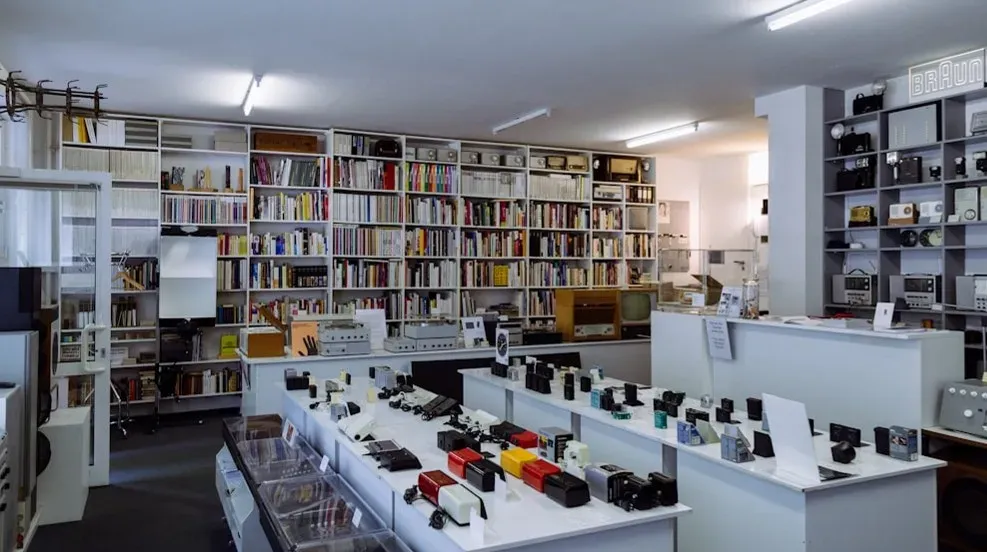
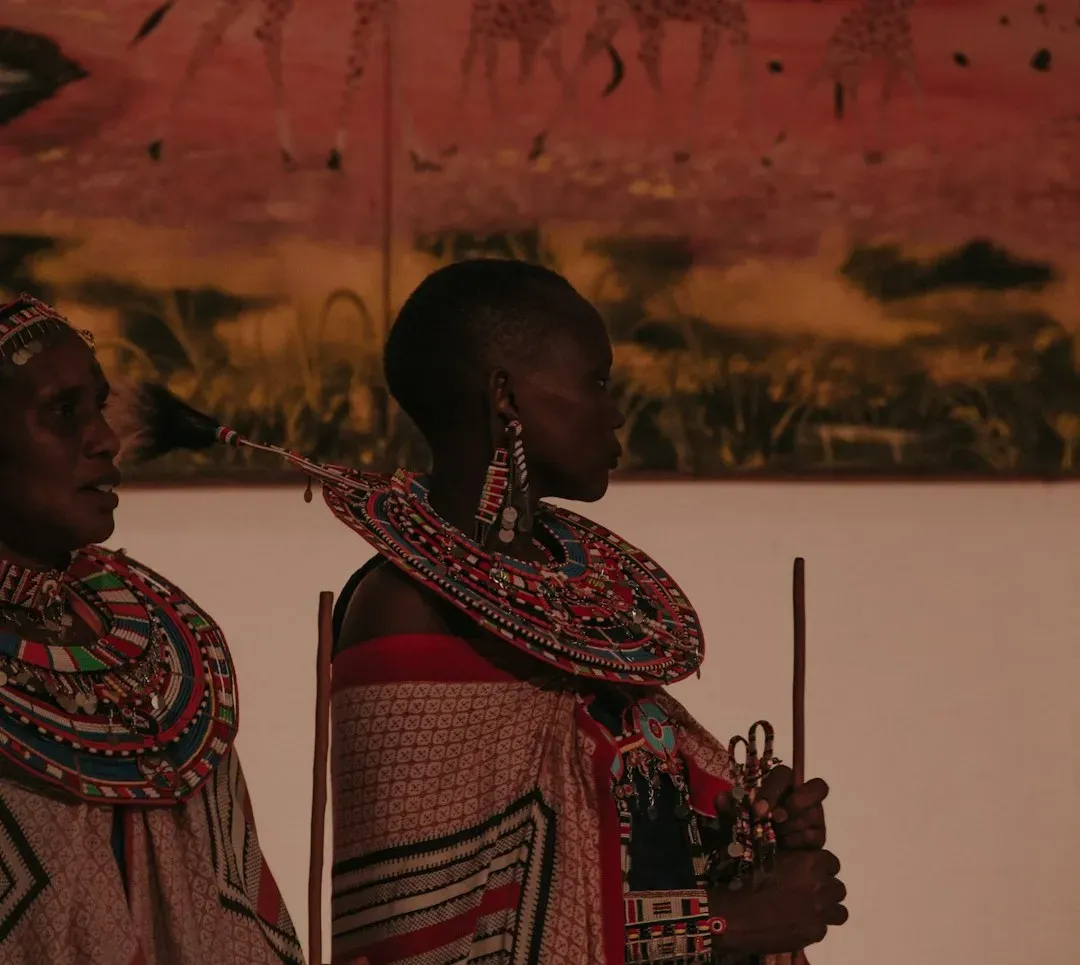
Think about what it means to have your entire culture filtered through someone else’s interpretation, then presented to strangers as definitive. Indigenous owners were often reduced to mere references on a placard, while the public’s understanding was shaped solely by Western perspectives described by the collector or curator without the inclusion of Indigenous voices. Since exhibitions were disseminated by the curatorial staff through a Western lens that catalogued, categorized, and analyzed objects before placing them behind glass cases, this approach resulted in visitors becoming separated from the cultural context of the objects, inadvertently fostering a hierarchical conceptualization.
In settler-colonial contexts, many Indigenous people who have experienced cultural domination by colonial powers have begun to request the repatriation of objects already within the same borders. Objects of Indigenous cultural heritage, such as ceremonial objects and artistic objects, have ended up in publicly and privately held collections which were often given up under economic duress, taken during assimilationist programs, or simply stolen. That last phrase deserves no softening. Simply stolen.
The Erasure of LGBTQ History
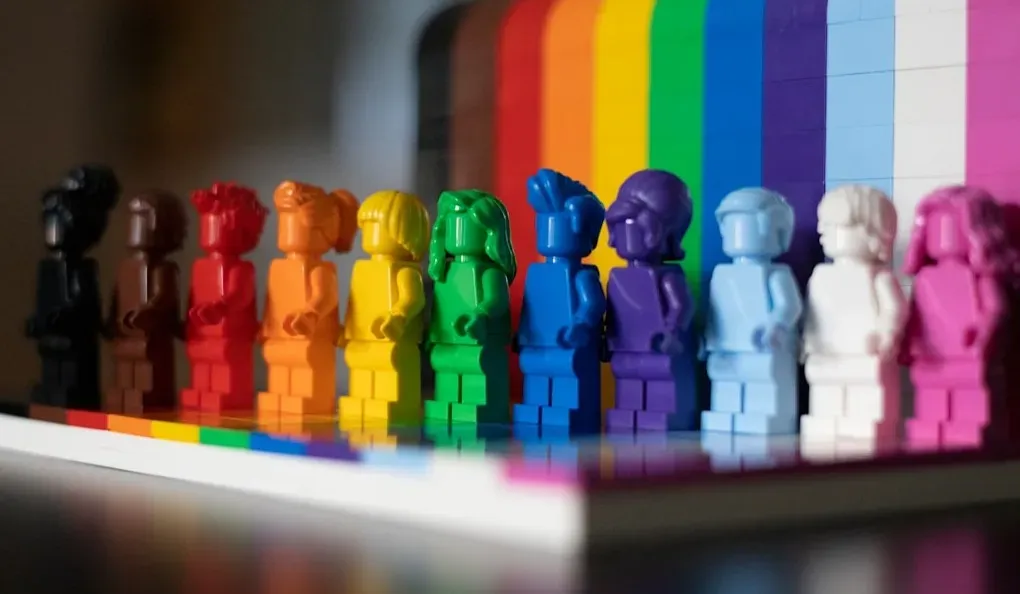
It’s not only colonial history that gets quietly edited out. LGBTQ history has been systematically absent from mainstream museum narratives for most of institutional history. By operating under the assumption that everyone is heterosexual, museums leave LGBT people out of the narrative. Even museums that want to tell these stories struggle because of heteronormative practices in the past. This isn’t a recent observation. It’s a structural problem baked into how collections were built.
Many museums struggle to find objects in their collection that they could use to represent queer history, not because those objects do not exist, but because when the museum accessioned them, they did not think to look for any relation to queer history or culture. Unless an object is explicitly linked to LGBT history, most people, and museums, will assume that its owner was heterosexual, thus erasing anything the object potentially could have said about the lives of queer people in the past. It’s a perfect example of absence becoming its own kind of lie.
Women, Working People, and the Invisible Majority

Let’s be real about who most museums were built to celebrate. Although many assume that museums reflect the values, identities, and lived experiences of the larger society in which they are embedded, museums catalogue and display a collection of artworks and artifacts that represent the ideals of a privileged cadre of gatekeepers who have cultural and economic power. Social inequality and hierarchies organized by gender, sexuality, race, and social class are evident in the context of museum collections both past and present.
Essentialist and social evolutionist thinking, such as the belief that women are inherently unsuited to be great artists or that nonwhite and non-Western people do not produce legitimate or fine works of art, demonstrates how the social construction of nature relates to the discrimination and exclusion of groups of people. The result? Galleries full of wealthy men’s portraits and kings’ armor, while working people, women, and entire non-Western traditions hover at the margins. It’s not an accident. It was a choice.
The Debate Over Returning What Was Taken
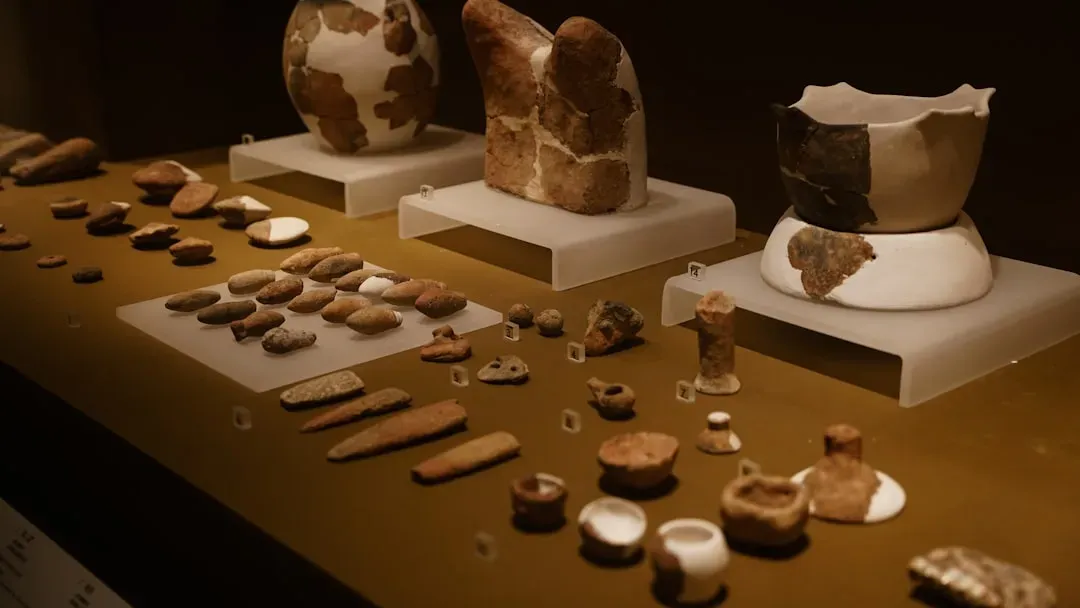
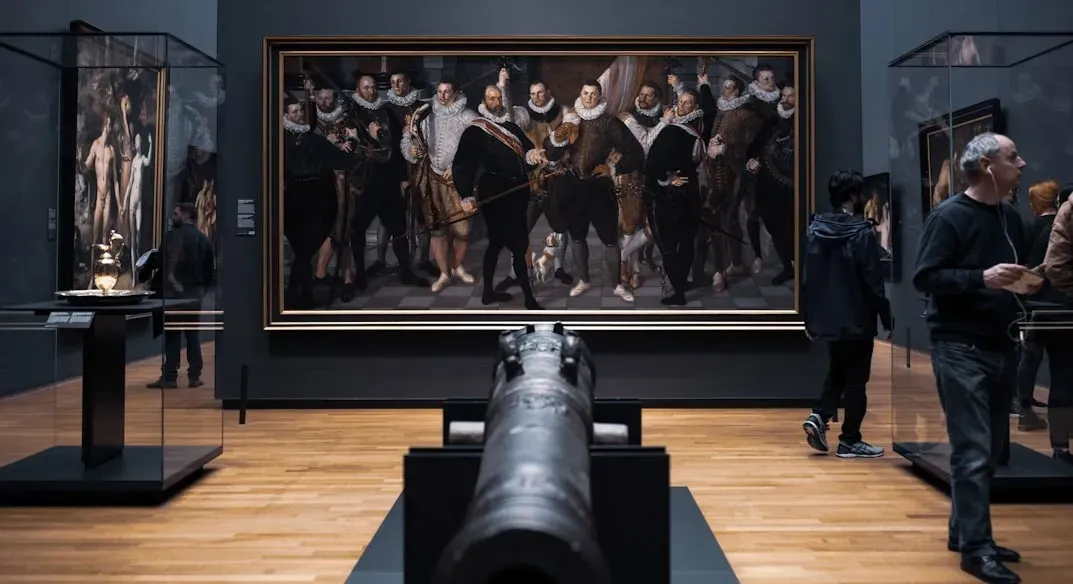
The argument museums most often use for keeping contested objects is a familiar one. Some major encyclopedic museums, like the British Museum or the Louvre, have historically argued for a “universal museum” concept, positing that their collections, gathered from across the globe, serve humanity by making diverse cultures accessible to a wide international audience in a single location, thus fostering understanding and appreciation. It sounds generous. It’s also, critics point out, a convenient argument for keeping things.
Critics argue that this concept often perpetuates a colonial mindset, ignoring the violent or unethical means of acquisition and denying source communities the right to their own heritage. They contend that genuine understanding comes from objects being in their cultural context, accessible to their rightful inheritors, and that digital reproductions can provide broader access. The “universal museum” idea is, in some ways, the intellectual equivalent of a neighbor redecorating your living room and then arguing that more people can enjoy it now.
What Happens When Museums Start to Change
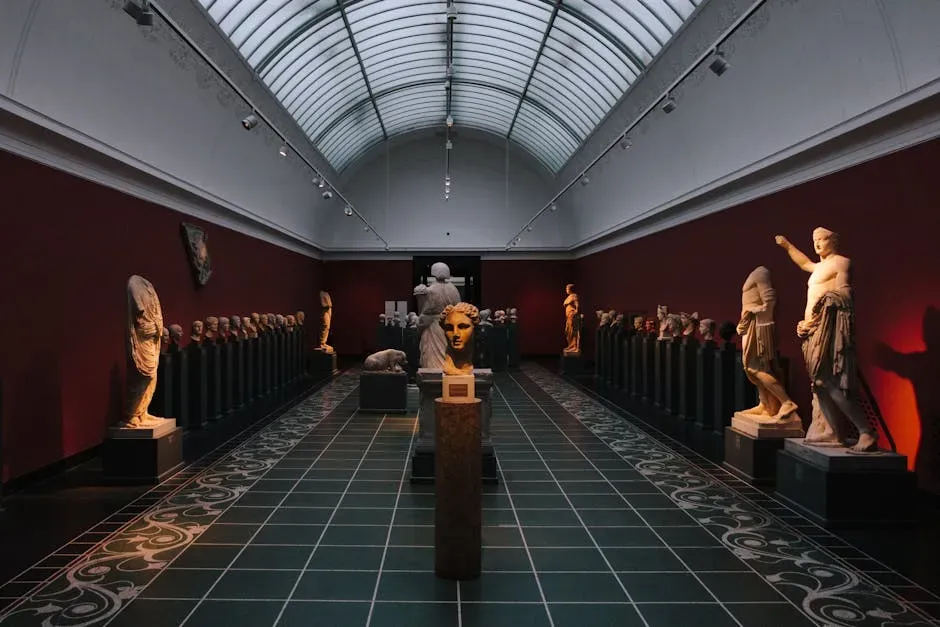
The good news is that change is genuinely happening, even if slowly. Legislative acts such as the 1989 National Museum of the American Indian Act and the Native American Graves Protection and Repatriation Act served as pivotal legal catalysts for Indigenous repatriation within the United States. In the twenty-first century, ethical repatriation policies established by museums bridge the gaps when legal frameworks may not require repatriation, but where it is morally imperative.
The public has been raising questions about whose history is preserved, who has input in their cultural legacy, and where artifacts have been taken from, and the very definition of “museum” has changed. In 2022, the International Council of Museums approved a new definition: a museum is a not-for-profit, permanent institution in the service of society that researches, collects, conserves, interprets, and exhibits tangible and intangible heritage. That redefinition matters because language sets expectations. What a museum is supposed to be for has fundamentally shifted.
Why the Gaps in Museums Still Matter Today
Someone might reasonably ask, why does any of this matter now? The collections exist, the buildings are open, and many institutions are at least making some effort. The answer is that museums carry enormous cultural authority. To speak of the ideological apparatus underlying museum practices is to speak of the relation among power, representation, and cultural identity, of how history is written and communicated, of whose history is voiced and whose is silenced. That authority doesn’t disappear just because the curators have good intentions.
The collections retain and perpetuate the stereotypical narratives Europeans had about Africans. In several western ethnological museums where colonial items are still kept, Africans continue to be depicted as warrior tribes with superstitious beliefs and homogenous and unchanging cultures. Even when museums attempt to offer an insight into the original purpose or meaning of certain artifacts, they inevitably come from a European perspective. A story told entirely by one voice, no matter how beautifully it’s framed, is still only half a story. And half a story, presented as the whole truth, is something we should all be uncomfortable with.
What would it mean to truly walk out of a museum knowing you’d seen the full picture? That question is worth sitting with the next time you stand in front of a glass case and read that little label.