
Some bands fade out slowly, trading arenas for casinos and greatest-hits tours until nobody quite remembers when the last new song came out. Others do something rarer and far more dramatic: they walk away while the lights are still blinding, while the charts still belong to them, while every interviewer is still asking what comes next. That second kind of ending tends to stick in the public memory longer than any slow decline ever could.
What actually happens to the members after that kind of split is rarely as clean as the breakup itself. Careers scatter, resentments simmer, and sometimes, decades later, the same names end up back on a stage together as if no time had passed at all. Here is a look at several bands who chose to leave at their commercial and creative peak, and where those stories eventually led.
The Beatles: four solo careers born from one ending

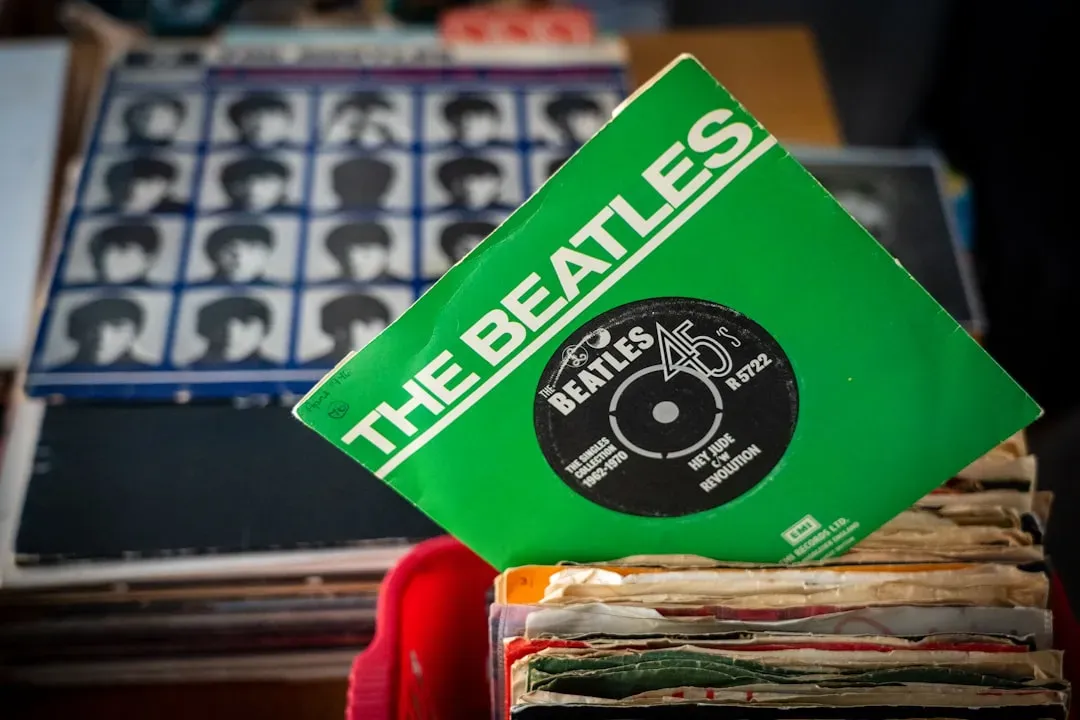
By 1970, the Beatles were arguably the most famous group on the planet, still capable of topping charts almost by default. Yet the tensions that had been building for years, business disputes over Apple Corps, creative disagreements, and the sheer exhaustion of being the Beatles, finally became too much to paper over. Paul McCartney’s announcement that he was leaving effectively confirmed what insiders already knew, and the group never recorded together again as a unit.
The aftermath turned out to be its own kind of second act. John Lennon, McCartney, George Harrison, and Ringo Starr all built substantial solo careers, with Harrison’s “All Things Must Pass” and McCartney’s Wings years proving the songwriting talent hadn’t disappeared with the band name. Lennon’s murder in 1980 closed off any possibility of a full reunion, but the surviving members did collaborate on new material in the 1990s using old Lennon demos, a reminder that even a definitive ending can leave room for one more chapter.
Cream: a supergroup that burned out in two years

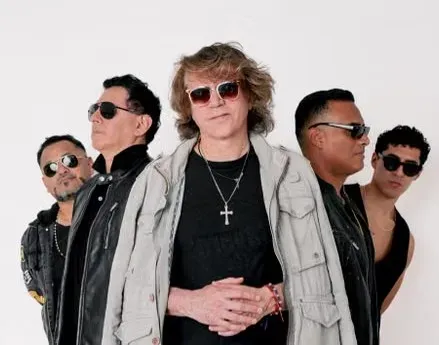
Eric Clapton, Jack Bruce, and Ginger Baker formed Cream in 1966 and were widely considered the first true rock supergroup, blending blues, psychedelia, and virtuoso musicianship into something audiences hadn’t heard before. By 1968, after just two years and a handful of albums including “Disraeli Gears” and “Wheels of Fire,” the group announced it was done. The reason was almost mundane compared to the music: the three men, all strong-willed and technically brilliant, simply could not keep functioning as a unit under the pressure of constant touring.
Clapton went on to Blind Faith, Derek and the Dominos, and eventually a decades-long solo career that made him one of rock’s most enduring guitarists. Bruce and Baker pursued jazz-inflected projects with mixed commercial success, occasionally reuniting with Clapton for one-off shows, including a short run of Royal Albert Hall concerts in 2005. Baker passed away in 2019, and Bruce in 2014, closing the door permanently on any future full reunion.
Simon & Garfunkel: friendship strained by fame

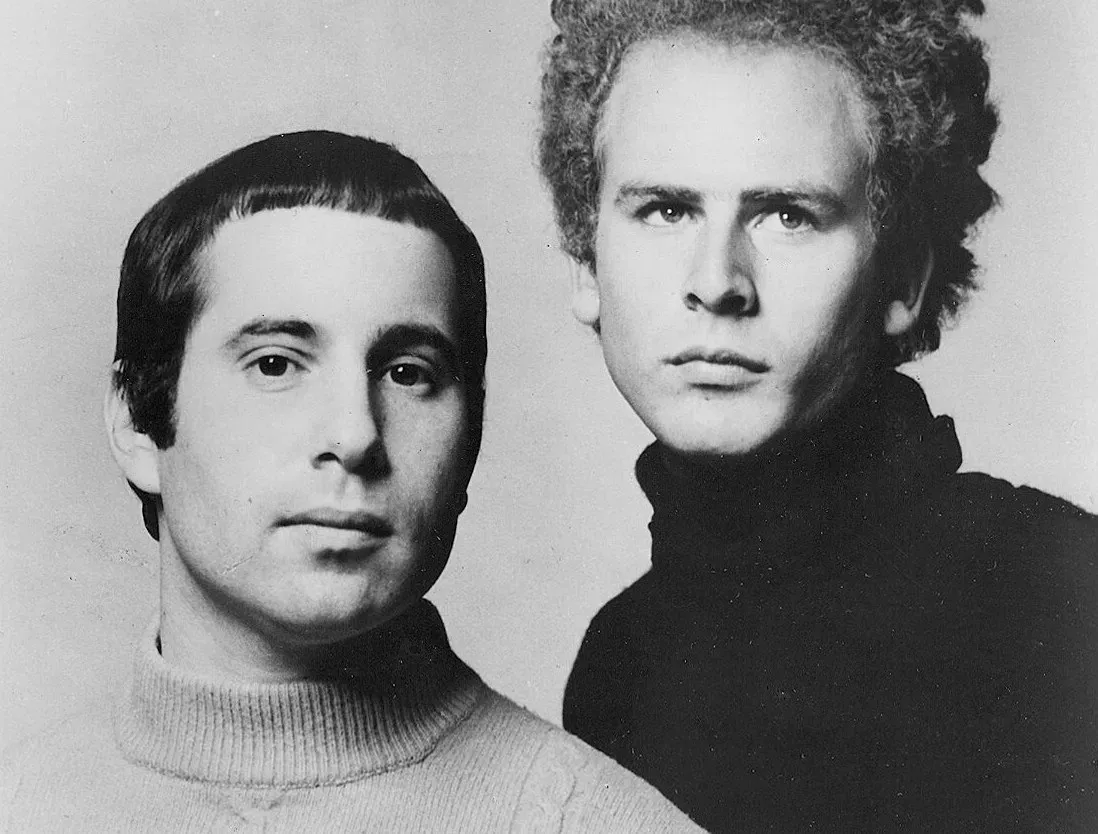
Paul Simon and Art Garfunkel had one of the biggest albums of 1970 with “Bridge Over Troubled Water,” yet that same year marked their split as a recording duo. The tension wasn’t really about the music, which remained popular and critically respected, but about creative control and the two men’s diverging personalities and goals. Simon wanted more say over arrangements and direction, and the friction eventually outweighed the commercial momentum.
Simon built one of the most respected solo catalogs in American songwriting, culminating in the 1986 album “Graceland.” Garfunkel released solo records and pursued acting, never reaching quite the same commercial heights but maintaining a loyal following. The pair have reunited periodically for concerts and tours over the decades, including a notable 1981 Central Park concert, though a permanent reconciliation never materialized.
The Smiths: gone before their fifth album

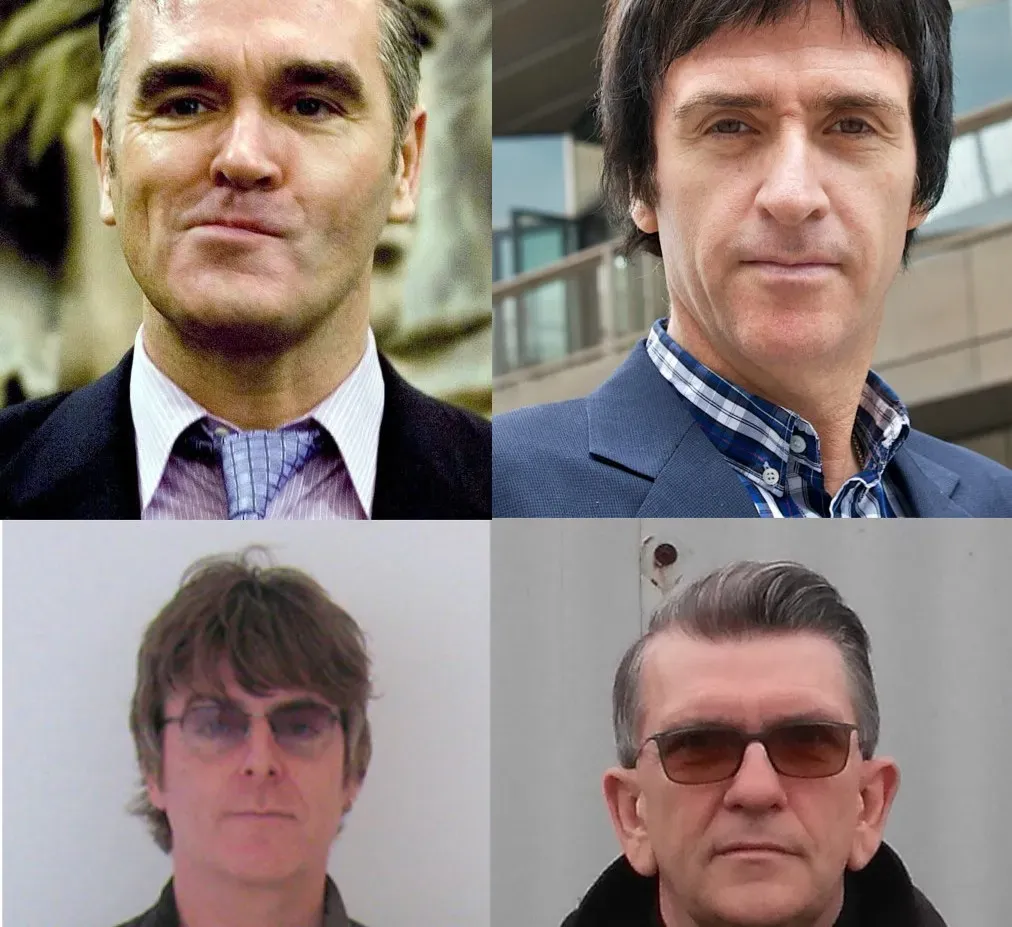
The Smiths split in 1987 at a point when their influence on British guitar music was arguably at its strongest, with Johnny Marr’s guitar work and Morrissey’s lyrics defining a distinct alternative sound. Marr left the band that year, citing exhaustion and creative frustration, and without him the group simply couldn’t continue in any meaningful form. There was no dramatic public feud at first, just a quiet unraveling that fans didn’t fully register until it was already over.
Morrissey went on to a long, often controversial solo career that kept him in headlines for reasons beyond music. Marr became one of the most sought-after guitarists in British rock, working with The Pretenders, The The, Modest Mouse, and eventually his own solo material. The relationship between Morrissey and Marr has remained famously cold, and despite enormous fan demand and lucrative reunion offers, the two have never played together again.
The Police: three albums from breaking every record


By 1983, The Police were arguably the biggest band on earth, with “Synchronicity” topping charts worldwide and Sting becoming a household name. Yet the internal dynamic between Sting, Stewart Copeland, and Andy Summers had grown increasingly strained, driven largely by creative control disputes and Sting’s desire to pursue solo work. The band effectively stopped functioning as a unit in 1986, though no formal announcement made it feel like a clean break at the time.
Sting’s solo career became enormously successful, blending jazz, world music, and pop into a sound distinct from The Police’s reggae-punk roots. Copeland moved into film scoring and various side projects, while Summers pursued photography and instrumental guitar work. The trio did reunite for a well-received worldwide tour in 2007 and 2008, proving the old chemistry hadn’t entirely disappeared even after two decades apart.
Talking Heads: art-rock pioneers who simply stopped

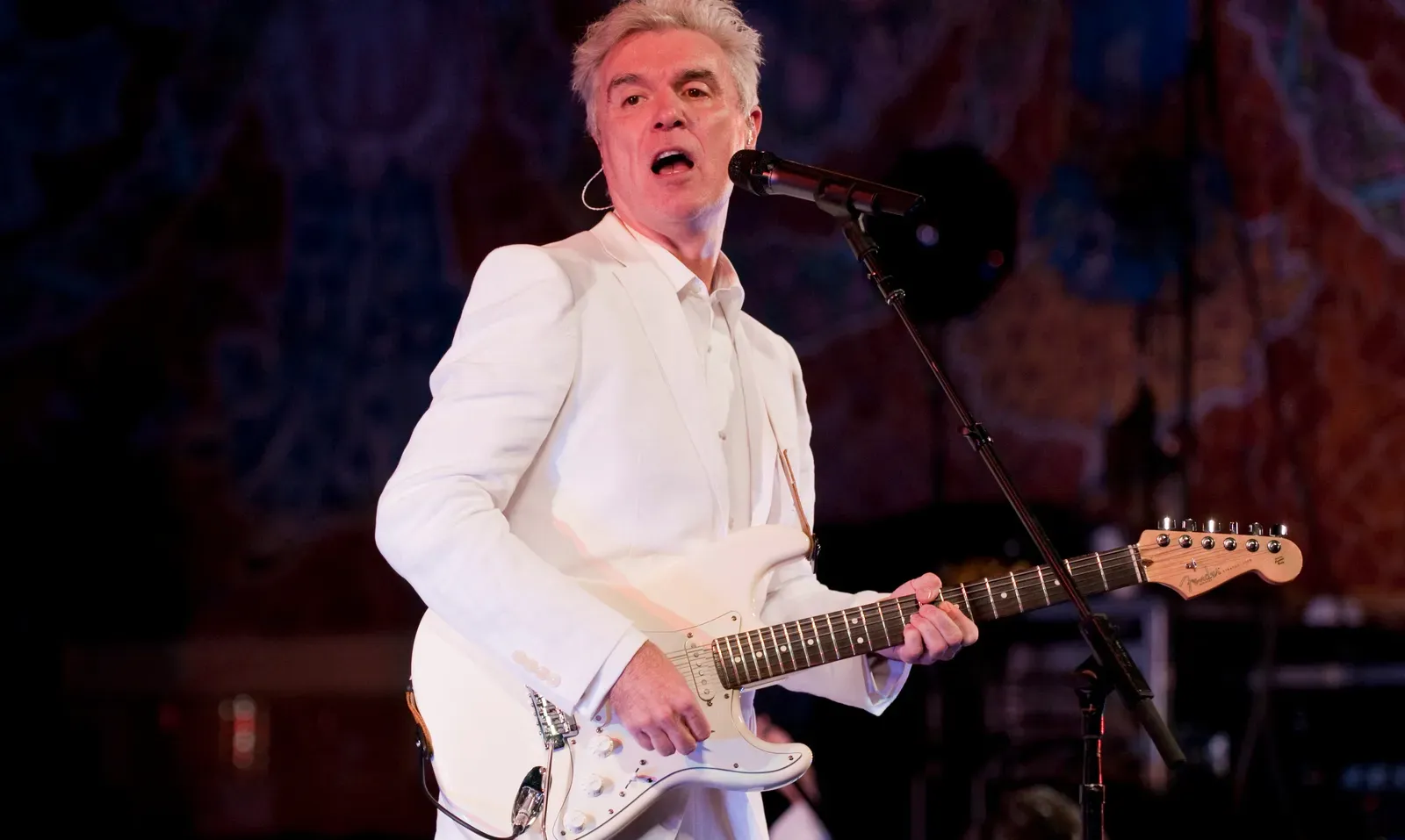
Talking Heads never had the tabloid drama of some other breakups, but their 1991 split still came while the band’s critical and commercial standing remained strong following albums like “Little Creatures” and “True Stories.” David Byrne’s growing desire for creative independence, combined with years of underlying tension among the members, made continuing untenable. The end was announced almost matter-of-factly, a contrast to the band’s famously theatrical live performances.
Byrne pursued an eclectic solo career spanning music, visual art, and eventually the Broadway hit “American Utopia.” The other three members, Tina Weymouth, Chris Frantz, and Jerry Harrison, formed Tom Tom Club and continued working together in various configurations. Reunion attempts have repeatedly stalled over disagreements between Byrne and his former bandmates, and the group’s only major joint public appearance since splitting came at their 2002 Rock and Roll Hall of Fame induction.
Rage Against the Machine: a breakup that kept repeating
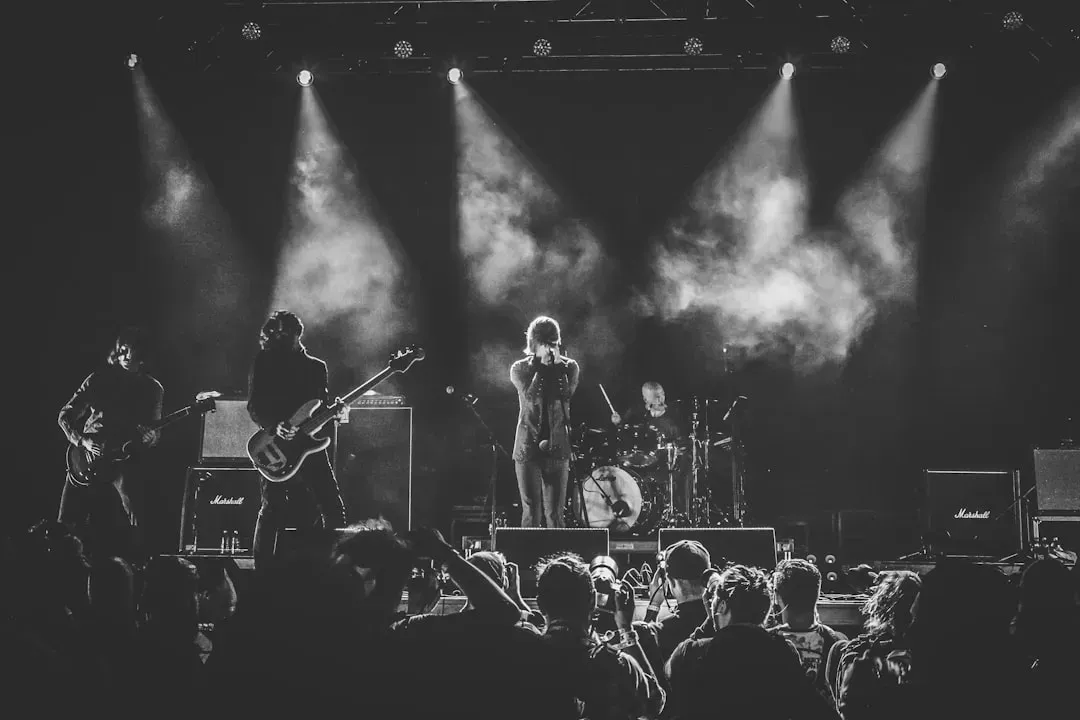
Rage Against the Machine’s story is unusual because the band has technically broken up three separate times, first in 2000, again in 2011, and most recently in early 2024. In a note to fans, drummer Brad Wilk said that the group will not be resuming their reunion tour, marking their third breakup following splits in 2000 and 2011. The final split followed a serious injury rather than a dramatic falling out: Zack de la Rocha injured his Achilles tendon at the second stop of the tour and performed the remaining dates by sitting on a road case.
The injury forced repeated cancellations, and de la Rocha revealed he had a severe tear in his left Achilles tendon with only about eight percent of the tendon left intact, and even that portion was severely compromised. Tension among the members became visible when Rage was inducted into the Rock and Roll Hall of Fame but Tom Morello was the only band member to attend. Tom Morello has continued high-profile guitar work and activism, while de la Rocha has largely stayed out of the public eye, making any future reunion look unlikely for now.
The White Stripes: minimalist rock at its commercial peak


Jack White and Meg White announced the end of The White Stripes in 2011, shortly after the band had spent years as one of the most acclaimed and commercially successful acts in garage rock revival. The announcement cited Meg White’s struggles with anxiety and the general strain of maintaining the band’s demanding touring schedule as the primary reasons. Unlike many breakups, this one came with a relatively calm, mutually respectful public statement rather than any visible feud.
Jack White went on to a prolific solo career and founded Third Man Records, becoming one of rock’s most recognizable guitarists and producers in the years since. Meg White has largely retreated from public life, rarely giving interviews or making public appearances since the split. There has been no indication of a reunion, and Jack White has generally spoken about the band’s ending as final and something he has fully accepted.
Oasis: sixteen years apart, then back on stadium stages

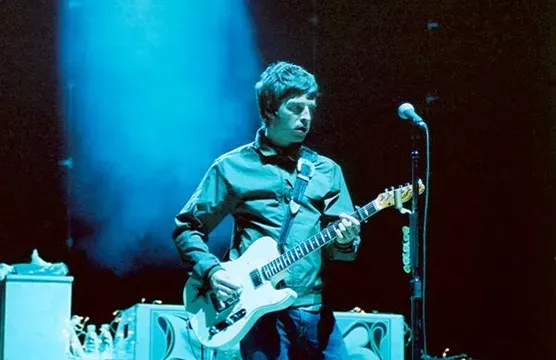
Oasis split in August 2009 following a now-famous backstage altercation between brothers Liam and Noel Gallagher, ending the band at a point when they remained one of Britain’s biggest live draws. The eventual reunion tour marked Oasis’s first live appearances since they split in August 2009. For sixteen years, both brothers dismissed reunion rumors, often bitterly, making the eventual comeback feel especially unexpected when it finally arrived.
That comeback came in 2024 and 2025, and it turned out to be one of the biggest live music stories of the decade. The Oasis Live ’25 Tour began on 4 July 2025 at the Principality Stadium in Cardiff and concluded on 23 November at Estádio do Morumbi in São Paulo, Brazil. The tour grossed over four hundred million dollars and was attended by more than two million people, making it the second highest grossing tour of 2025. As for what comes next, Liam Gallagher has confirmed that Oasis won’t be touring again until 2027 at the earliest, though speculation about a possible 2026 UK run, including a rumored return to Knebworth, has continued to circulate without official confirmation.
Final thoughts

What ties these stories together isn’t really the music, though that certainly matters, but the pattern of what happens once a band decides fame isn’t reason enough to keep going. Some members thrive on their own, some struggle to recapture what the group gave them, and a surprising number eventually find their way back to the stage, whether for one tour or a genuine second act. The Oasis reunion in particular showed that even the bitterest, most publicly declared “never again” can eventually soften with enough time and enough distance from whatever caused the split in the first place.
There’s no single lesson here beyond the obvious one: bands are made of people, and people change, forgive, or simply get tired of being apart. Whether that ends in a quiet solo career, a permanent silence, or a stadium tour three decades later seems to depend less on the size of the original fame and more on whatever was left unresolved when the doors closed.