


Las Vegas has always been a city that reinvents itself. That’s part of its charm, honestly. Over the decades, it became famous not just for the glittering resorts that lined the Strip, but for the spectacular way it said goodbye to them. Between the early nineties and late 2000s, implosion became Vegas’s calling card. These weren’t quiet teardowns. They were events, complete with fireworks, crowds in the thousands, and news cameras from around the world.
The Landmark is just one of many legendary structures that got the dynamite treatment. Some of these hotels hosted the Rat Pack, others pioneered the mega-resort model, and a few were just too outdated to survive the city’s relentless evolution. So let’s dive in and explore ten of the most unforgettable Vegas buildings that came crashing down.
The Dunes Hotel and Casino: Where It All Began

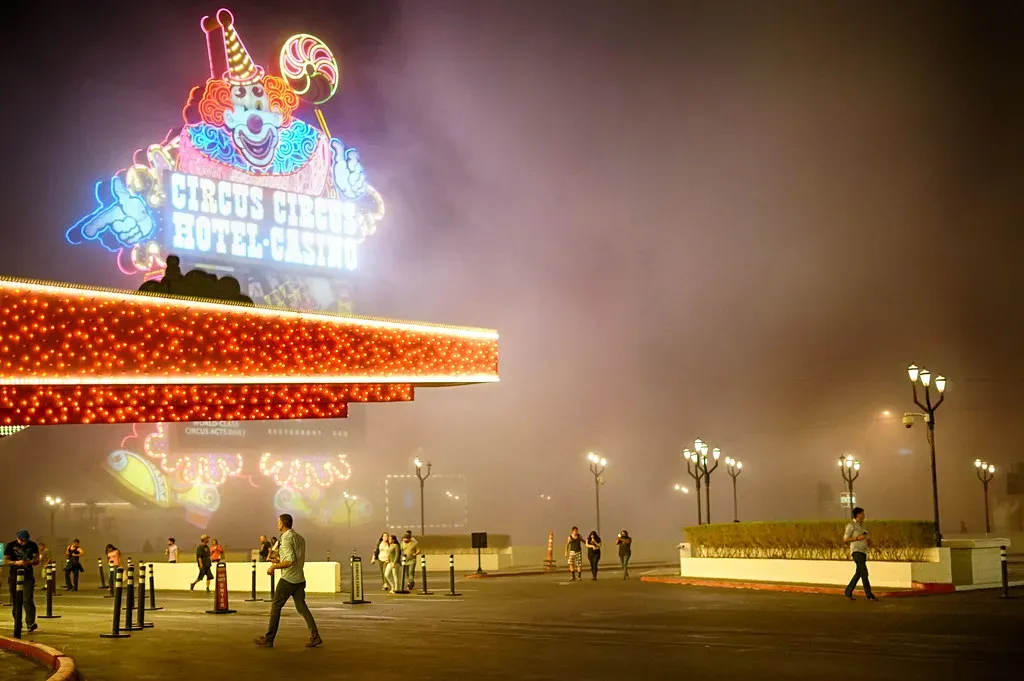
The Dunes was the first Vegas resort to truly embrace the implosion spectacle, with its North Tower brought down on October 27, 1993, in a highly publicized ceremony that drew 200,000 spectators. It was made to look as if pirate ships at Treasure Island fired on the old hotel to set off the blast. This wasn’t just a demolition. It was theater.
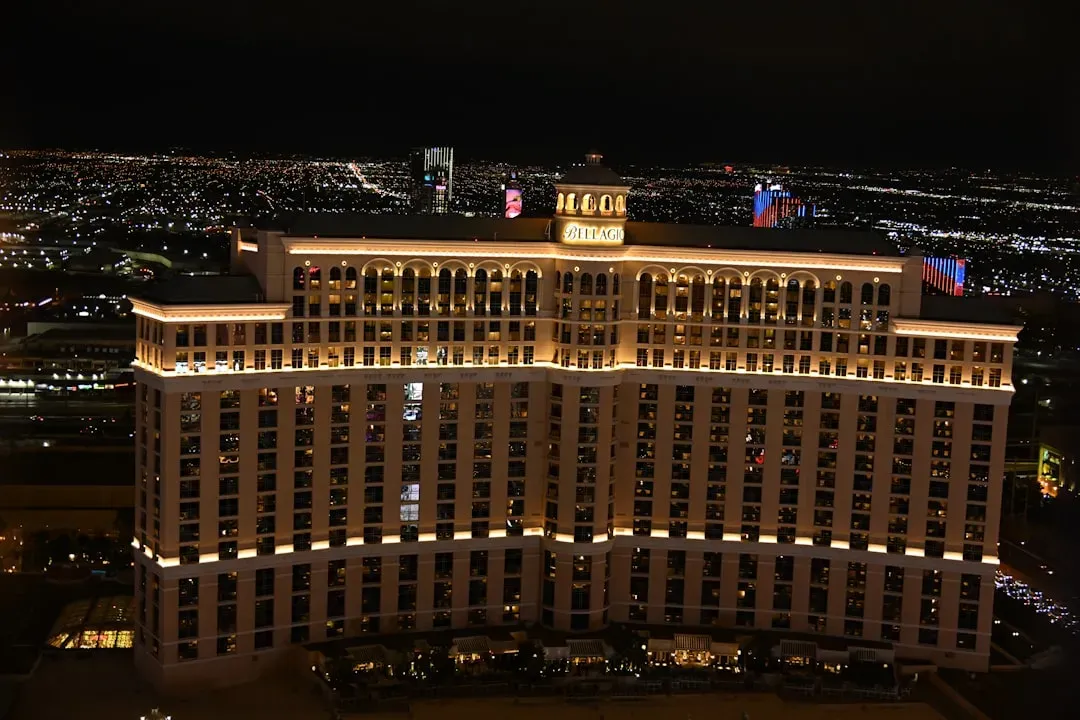
The hotel, which had opened in 1955, was demolished to make way for Steve Wynn’s Bellagio resort. At the time, the Bellagio was billed as the most expensive hotel ever built, with construction costs surpassing a billion and a half dollars. The South Tower was quietly imploded on the morning of July 20, 1994, attracting approximately 3,000 spectators without the fanfare of the first implosion. The Dunes set the tone for every implosion that followed.
The Landmark Hotel: A Space Age Icon Falls

The Landmark Hotel and casino opened on July 1, 1969, taking more than eight years to complete and was bought up by Howard Hughes six months before its completion. The upper four levels of the structure included a rotating restaurant framed in structural steel. Let’s be real, this building looked like something out of The Jetsons.
The Landmark closed on August 8, 1990, and was imploded on November 7, 1995. The Las Vegas Convention and Visitors Authority purchased the property in September 1993 and demolished the resort to add a parking lot for its convention center. The implosion was filmed for use in Tim Burton’s 1996 film “Mars Attacks!”, where the Landmark was portrayed as the fictional Galaxy Hotel destroyed by an alien spaceship. At least it went out with some Hollywood flair.
The Sands: Goodbye to the Rat Pack Era

The Sands was where legends played. During its heyday, it hosted famous entertainers including the Rat Pack and Jerry Lewis, with crime bosses acquiring shares in the hotel that attracted Frank Sinatra, who made his performing debut at Sands in October 1953. This wasn’t just a casino. It was the center of old Vegas cool.
At 2:06am on November 26, 1996, it was imploded and demolished, much to the dismay of longtime employees and sentimentalists. In place of the Sands, which was a 1950s hangout for the Rat Pack, a $1.8 billion Venetian-themed mega-resort would be built, with construction set to begin in 1997 and an anticipated grand opening in 1999. After a countdown from 10, there were seven dynamite blasts, and the 44-year-old, 17-story tower collapsed into a 30-foot-high pile of rubble in 10 seconds. You could almost hear Sinatra’s voice fading into the dust.
The Hacienda: A New Year’s Eve Spectacular


The Hacienda was imploded on December 31, 1996, with the fireworks show countdown and implosion taking place just before 9 p.m. to coincide with the East Coast celebration and was broadcast live on the Fox network. Imagine being in Vegas that night. The ultimate double celebration.
The Hacienda opened in 1956 as a 256-room motor lodge on the outskirts of town that grew to a 1,200-room resort before being imploded to make way for Mandalay Bay. Upwards of 400,000 people reportedly attended the Strip’s party that year. Mandalay Bay Resort and Casino opened on the site in March 1999. The Hacienda proved that Vegas could turn even destruction into a celebration.
The Stardust: The End of an Icon

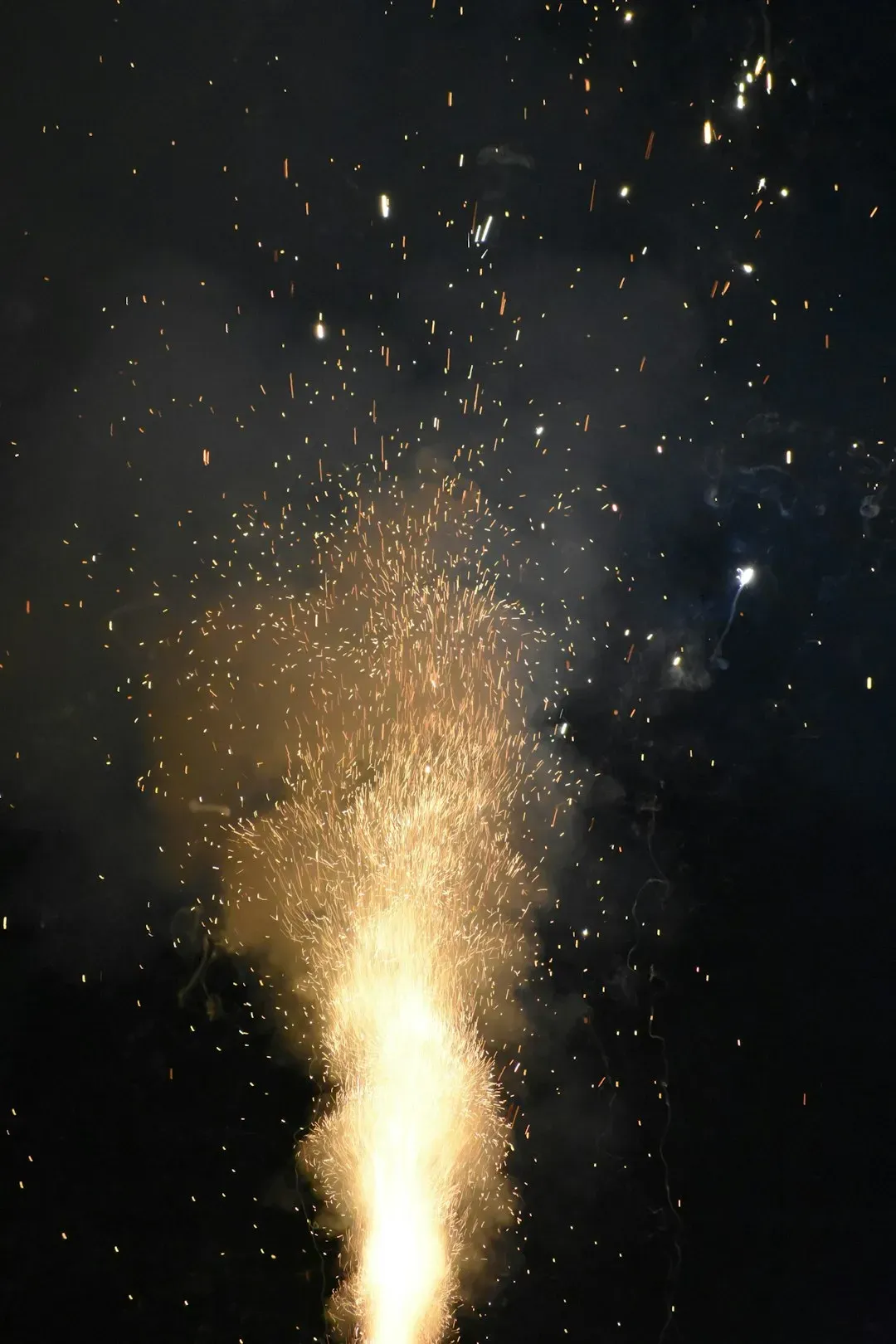
The Stardust’s two towers were imploded at 2:34 a.m. on March 13, 2007, after a four-minute fireworks show, with thousands of spectators watching as the towers contained more than 500,000 tons of concrete and steel. It was one of the most dramatic implosions the Strip had ever seen.
Boyd Gaming announced in January 2006 that it would close and demolish the aging Stardust to build Echelon Place on the site, with the resort closing on November 1, 2006. Construction on the Echelon project was halted in 2008 because of financial problems caused by the Great Recession, before Genting Group bought the project in 2013 and announced plans to finish it as Resorts World Las Vegas, which opened in 2021. Here’s the thing: even the best-laid plans can crumble, sometimes slower than the buildings themselves.
The New Frontier: The Last Hughes Casino

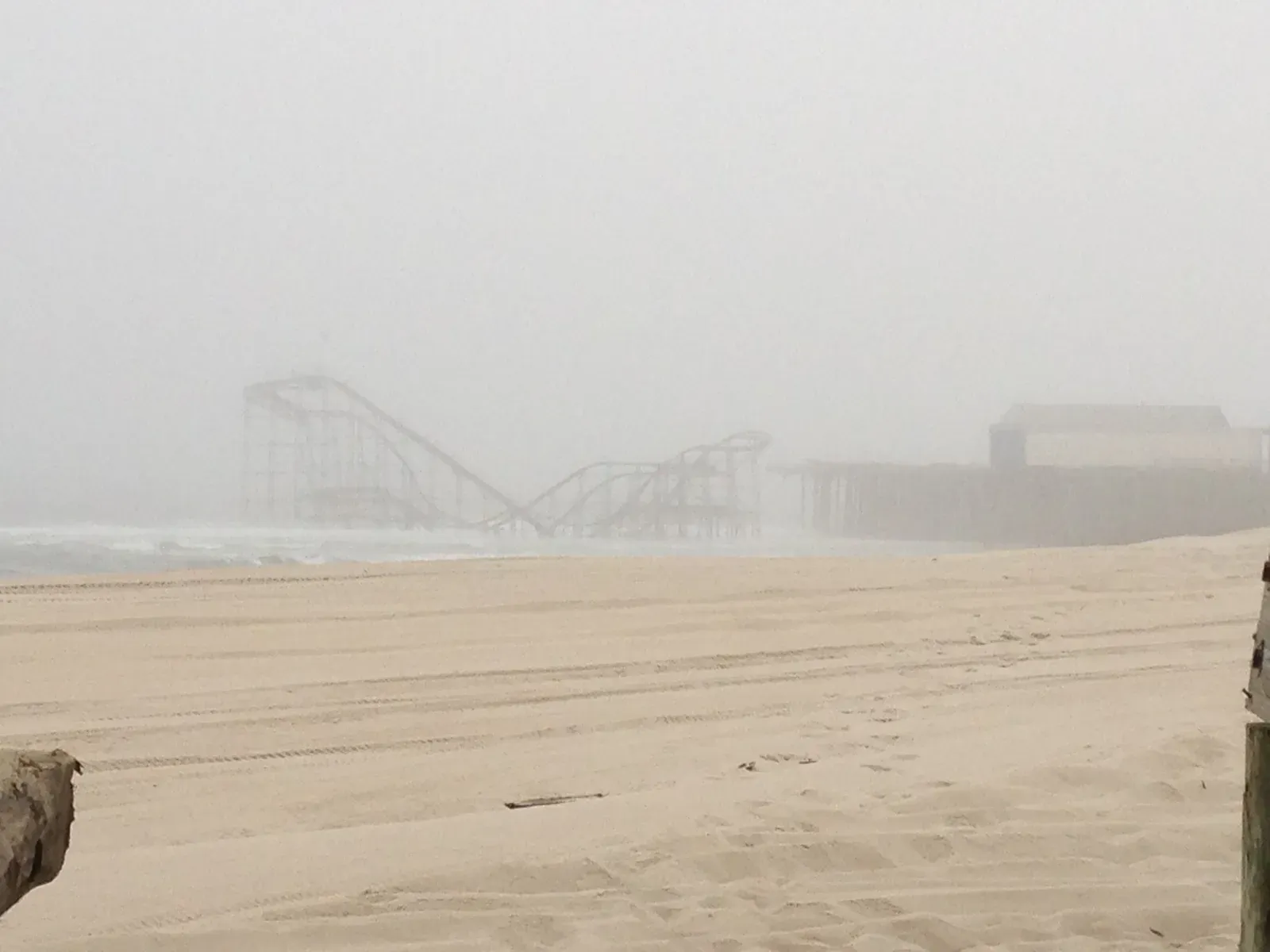
The 16-story tower was imploded on November 13, 2007, making it the last of the Hughes-era casinos to be demolished. After a five-minute fireworks show, the Atrium Tower was imploded at 2:37 a.m. to thousands of spectators, with Controlled Demolition, Inc. using 1,040 pounds of dynamite spread across 6,200 different areas of the tower.
At more than $1.2 billion, it was the most expensive real estate transaction on the Strip, with El Ad planning to demolish the New Frontier and build a $5 billion Plaza-branded resort in its place. Since then, the site of the New Frontier Hotel and Casino has sat vacant and unused. Sometimes Vegas dreams don’t pan out, leaving behind nothing but empty lots and memories of what could have been.
The Desert Inn: Wynn’s First Big Move

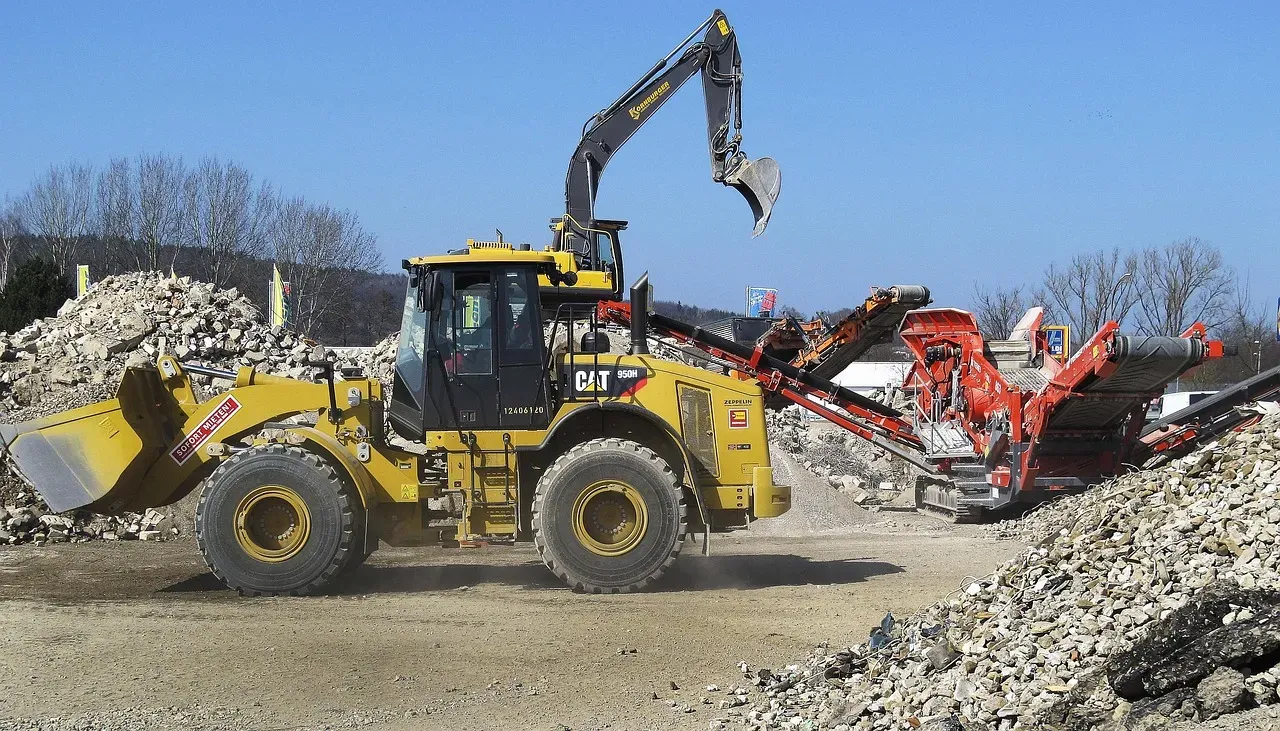
The Desert Inn, which opened in 1950, was a Las Vegas landmark known for its elegance and connections to celebrities such as Frank Sinatra, and after a successful run of over 50 years, the property was closed and imploded in phases in 2001 to make way for Wynn Las Vegas. This wasn’t a single event. It was a gradual farewell.
Controlled Demolition Inc. imploded the Desert Inn’s Augusta Tower in 2001, then three years later Wynn knocked down the St. Andrews Tower, which was housing the company’s corporate offices, before Wynn Las Vegas opened on the site in 2005. Billionaire Howard Hughes had stayed in the hotel’s penthouse in 1966, but when he was asked to leave due to an influx of incoming guests for New Year’s Eve, he bought the hotel and spent four years there, making this the first of many Las Vegas resorts Hughes purchased. Hughes’s Vegas obsession started here, and it ended decades later with the New Frontier.
The Boardwalk Hotel and Casino: A Coney Island Dream Gone Wrong

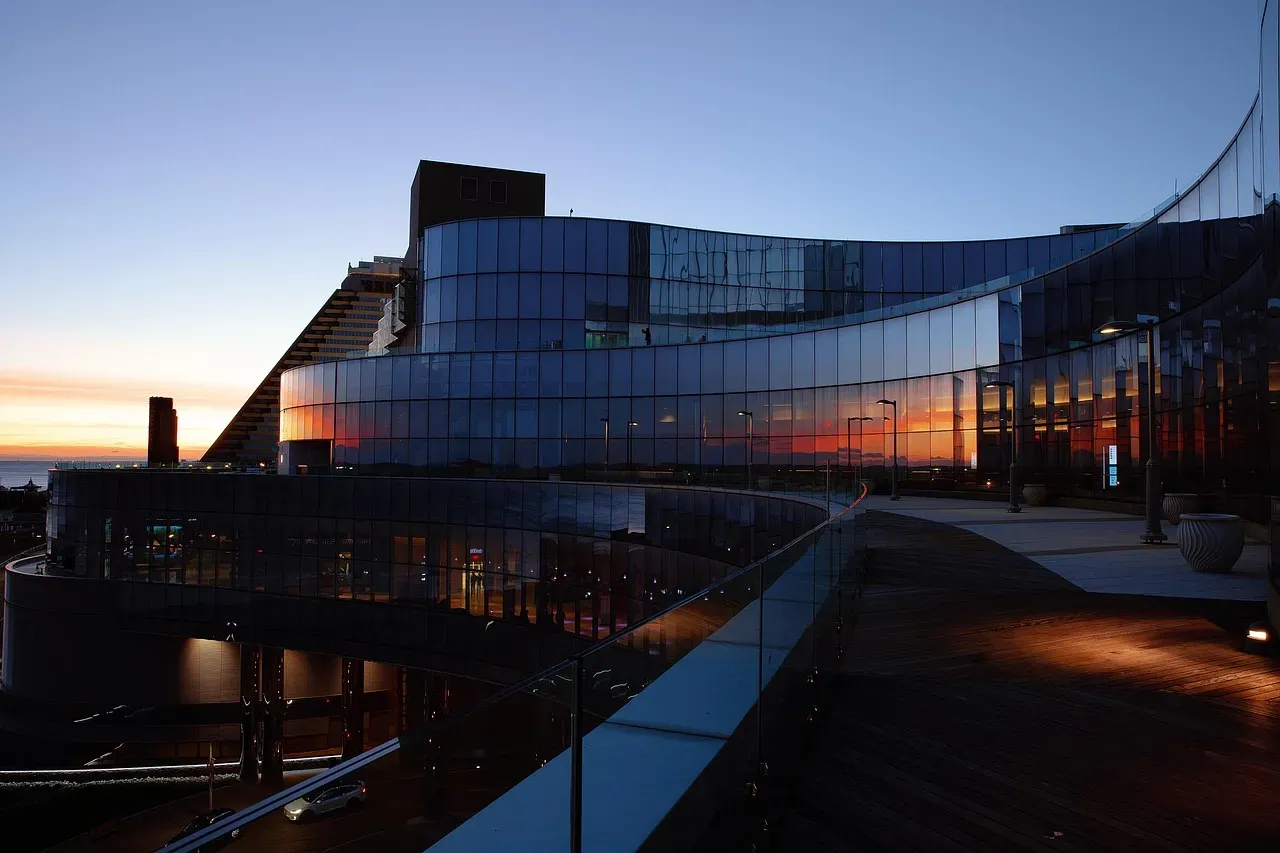
Built in 1966 and opened as a non-gaming Holiday Inn, the property eventually became the Boardwalk Hotel and Casino in 1989, located at 3750 South Las Vegas Blvd. between the current Bellagio and Park MGM. The Boardwalk had a Coney Island theme, and in 1995 a $9 million renovation was planned to include dummy rides and a casino expansion, but what was supposed to be a revitalizing effort turned out to be a visual disaster, with the additions looking tacky and the hotel unable to keep up with its more luxurious neighbors like MGM Grand, Monte Carlo, and New York-New York.
By 2000, MGM acquired the hotel, but it couldn’t overcome its financial issues, and the Boardwalk was eventually closed in 2006 and demolished. When what is now MGM Resorts International decided to pursue the City Center project, it had to close and bring down the Boardwalk in 2006, with the property now home to Las Vegas’ Waldorf Astoria. The Boardwalk learned the hard way that theme alone doesn’t guarantee survival in Vegas.
Bourbon Street Hotel and Casino: Bad Luck From the Start

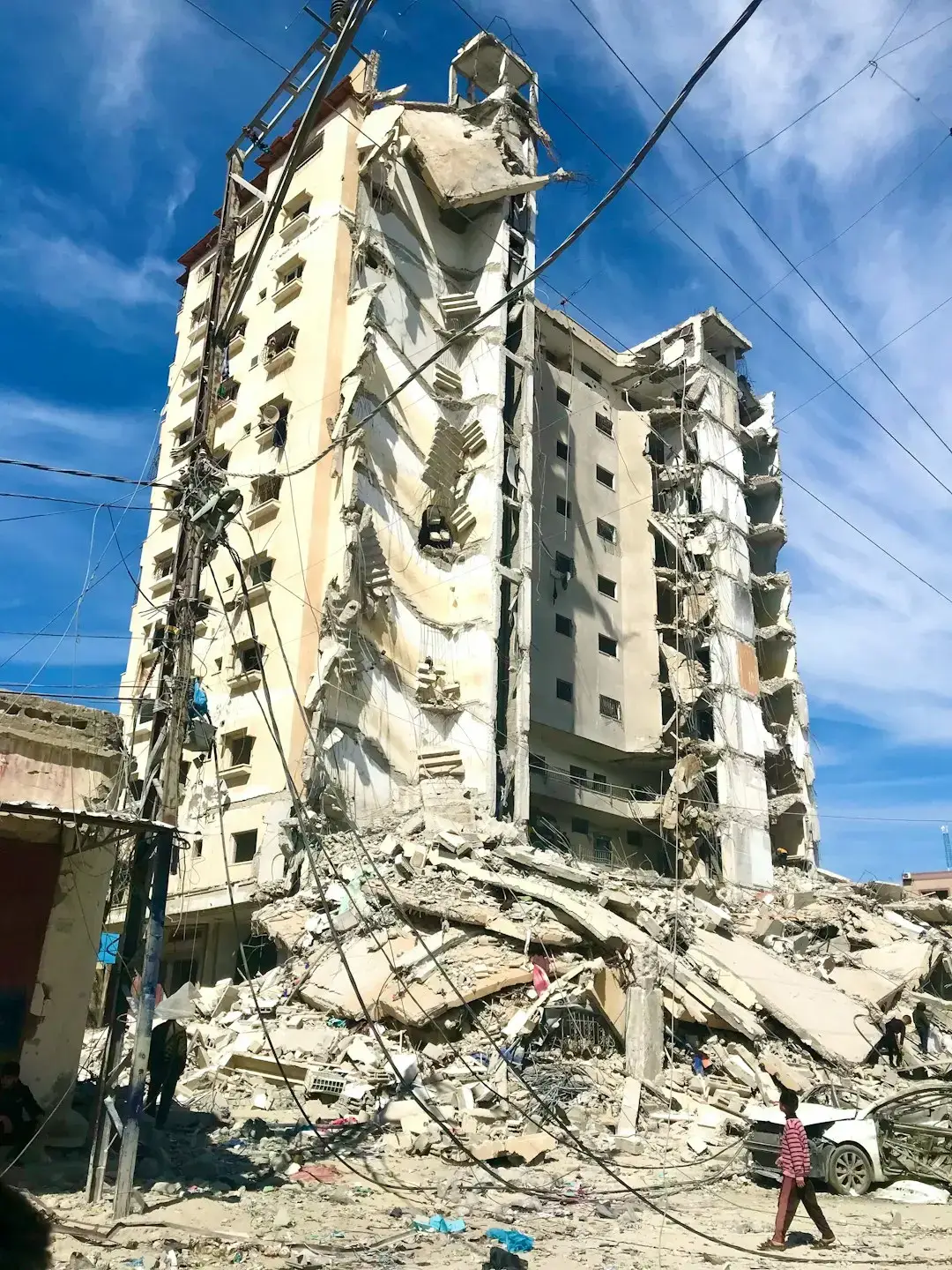
Bourbon Street Casino seemed doomed from the start, plagued by financial struggles and delays in obtaining a gaming license, originally named the Shenandoah with Wayne Newton as a partial owner, but it never lived up to expectations and filed for bankruptcy before ever fully opening. I know it sounds crazy, but some buildings just feel cursed.
It changed ownership at least six more times over the next 20 years and was eventually owned by Harrah’s Entertainment in 2005, valued at $10.55 million when it was found to be structurally compromised, with the hotel tower imploded on February 14, 2006. Controlled Demolition Inc. imploded the hotel and its parking lot on Valentine’s Day in 2006. Even the date couldn’t add any romance to this property’s sad story.
El Rancho Hotel and Casino: A Quiet Midnight Farewell
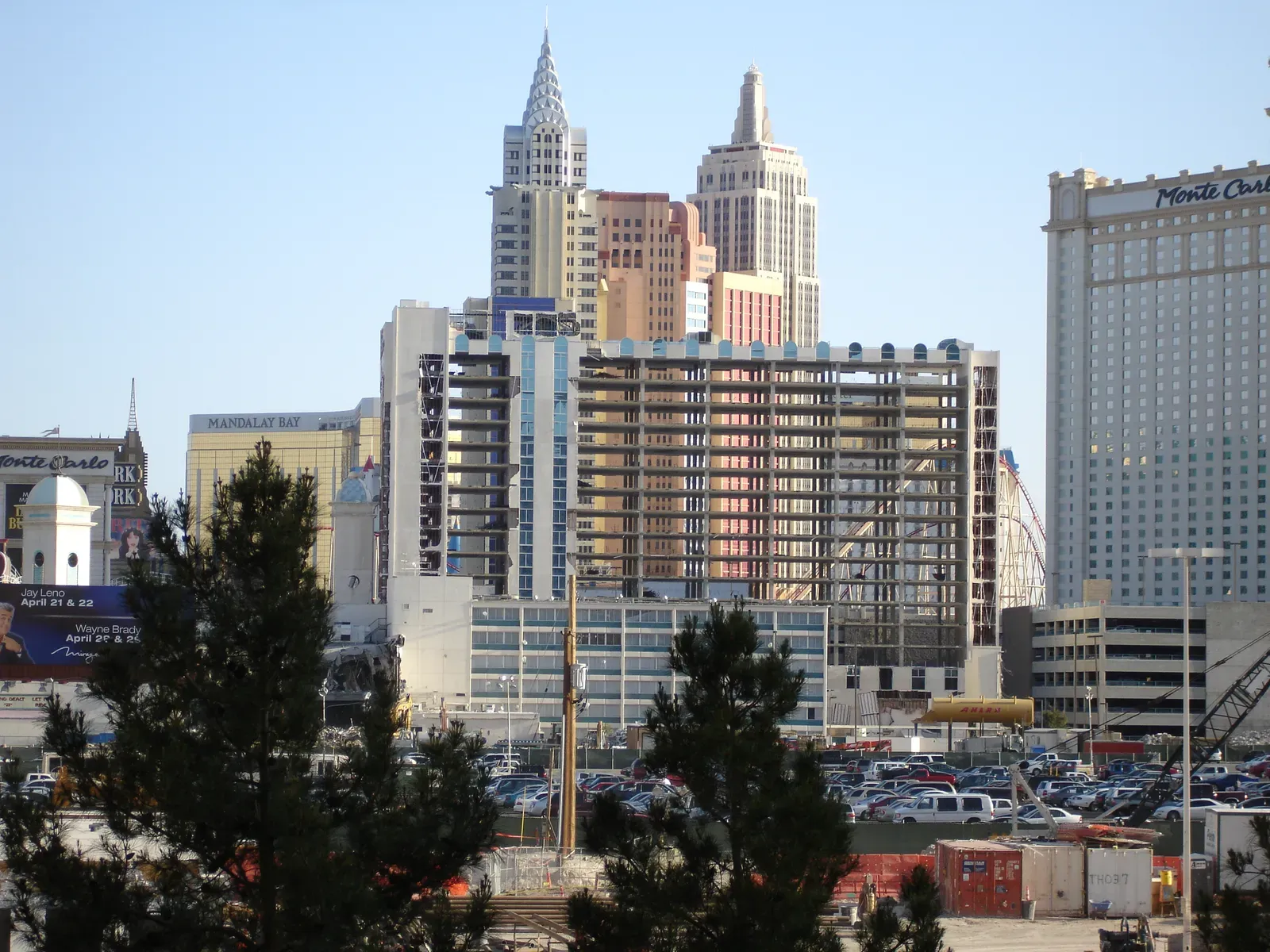
The El Rancho Hotel and Casino, which had been closed for years and considered an eyesore along Las Vegas Boulevard, was imploded in the middle of the night on October 3, 2000, with no events surrounding the implosion planned. Compared with the raucous New Year’s Eve implosion in 1997 and the Dunes’ destruction at the hands of a pirate ship, El Rancho’s demise was a subdued affair.
The building was originally the Thunderbird Hotel and later the Silverbird before becoming the El Rancho in 1982, named after an earlier El Rancho that was destroyed in a fire in 1960, with the site now where the Turnberry Towers are located. A Florida developer who was building high-end condos nearby bought the decaying resort to destroy it, improving sightlines for its incoming residents. Not every ending gets fireworks.
Conclusion: The Dust Settles, But Memories Remain
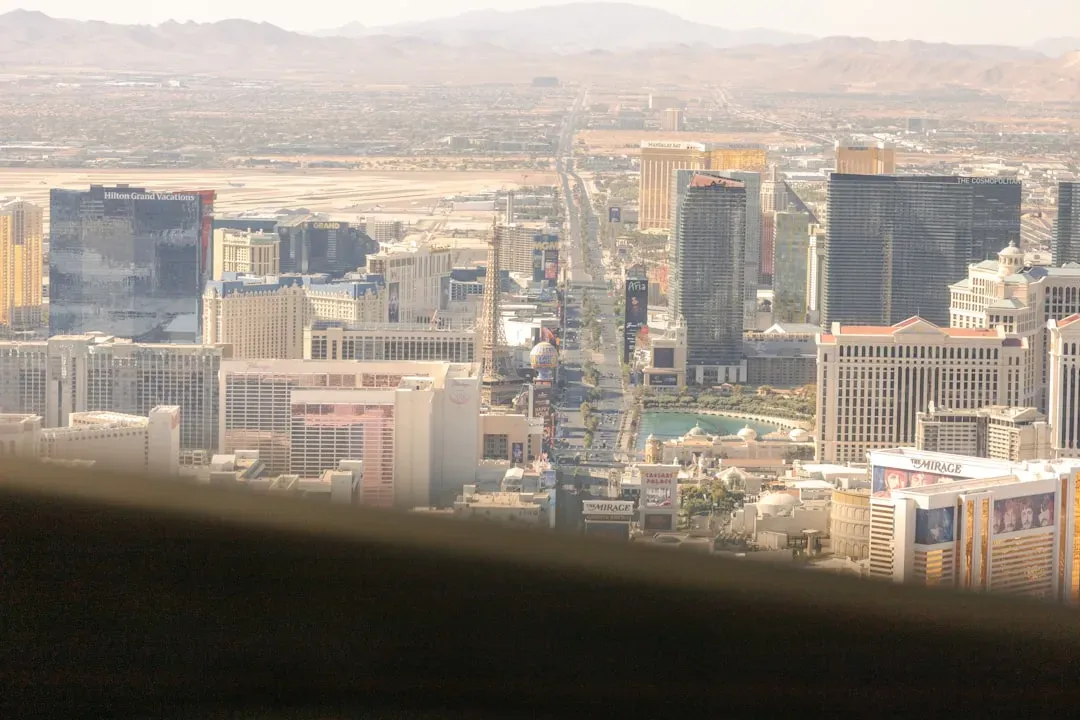
Vegas has always been about the future, even when it means blowing up the past. These ten buildings weren’t just concrete and steel. They were stages for legends, backdrops for dreams, and monuments to a particular moment in Sin City history. From the Rat Pack crooning at the Sands to Tim Burton immortalizing the Landmark in a film about Martians, each implosion marked the end of an era and the promise of something bigger.
Today, massive resorts like Bellagio, The Venetian, and Resorts World stand where these old casinos once thrived. Some sites remain empty, waiting for the next big idea or the next real estate deal to finally materialize. It’s hard to say for sure whether we’ll ever see another implosion quite like the ones from the nineties and 2000s. Maybe Vegas has moved on to subtler renovations, or maybe the next generation of buildings is just too big to fall gracefully. Either way, the spectacle of watching a Vegas icon crumble in seconds will always be part of the city’s DNA. What do you think about these legendary implosions? Did you witness any of them in person?


