There is a version of Las Vegas that no longer exists except in grainy photographs, FBI wire transcripts, and the stubborn memories of people who were actually there. A city where the carpets smelled like cigarette smoke and cash, where men in tailored suits controlled counting rooms with iron fists, and where a wrong word to the wrong person could end your night permanently. It was gritty, glamorous, and genuinely dangerous. Most of it is gone now, replaced by billion-dollar resorts, baseball stadiums, and corporate branding. Let’s find out what remains, what was demolished, and why this story still matters in 2026. Let’s dive in.
The Flamingo: Where It All Began, Sort Of

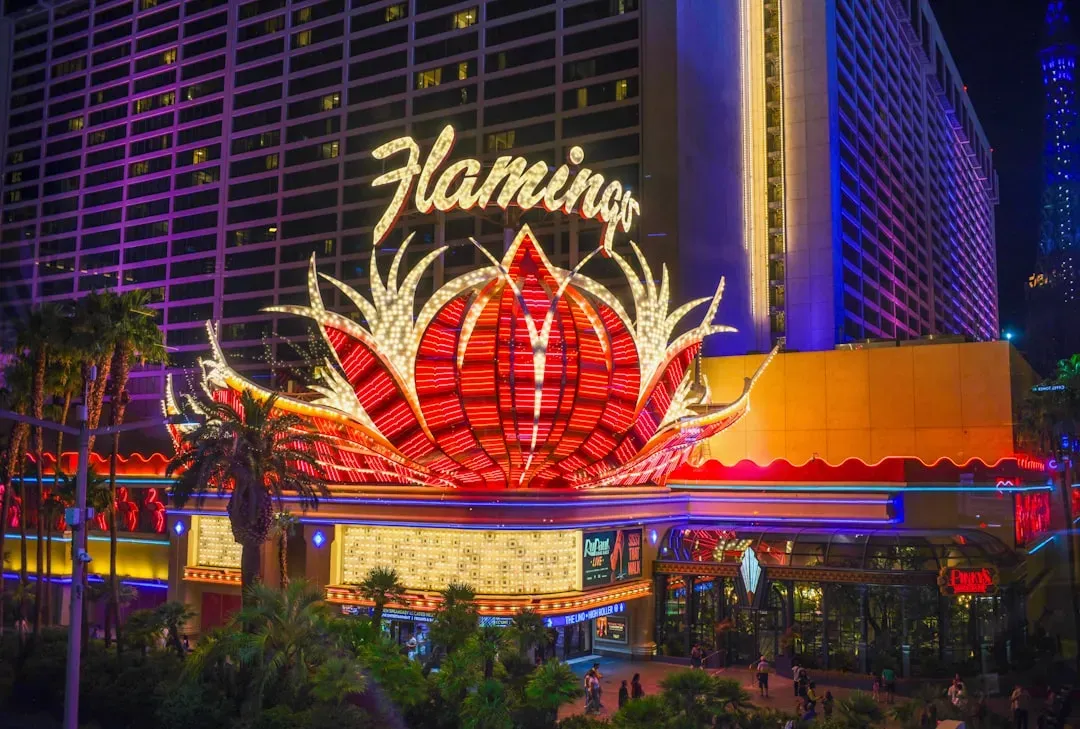
Honestly, no tour of Old Vegas mob history makes sense without starting here. The Flamingo’s casino opened on December 26, 1946, and it remains the oldest continuously operating resort on the Strip. In the early 1940s, Bugsy Siegel arrived in Las Vegas believing the city was ripe for organized crime, and as financed by East Coast gangster Meyer Lansky, Siegel and his friend Moe Sedway dominated race wire services before moving into gambling.
Construction costs rose under Siegel’s management, with a final price of $6 million. On June 20, 1947, Siegel was killed in his Beverly Hills home, a crime that to this date remains unsolved. Here’s the thing though: if you walk into the Flamingo today expecting to feel history, you won’t find it in the walls. The three-story hotel, the last remaining structure from the original Flamingo, was demolished in 1993, helping make way for a final high-rise addition.
The modern Flamingo stands on the same site, but nothing from Bugsy’s 1946 original building remains. There is a memorial garden and historical exhibit that mark the approximate location of the original structure. It’s a strange thing, standing on Bugsy’s ghost.
The Tropicana: The Last True Mob Building on the Strip, Now Rubble

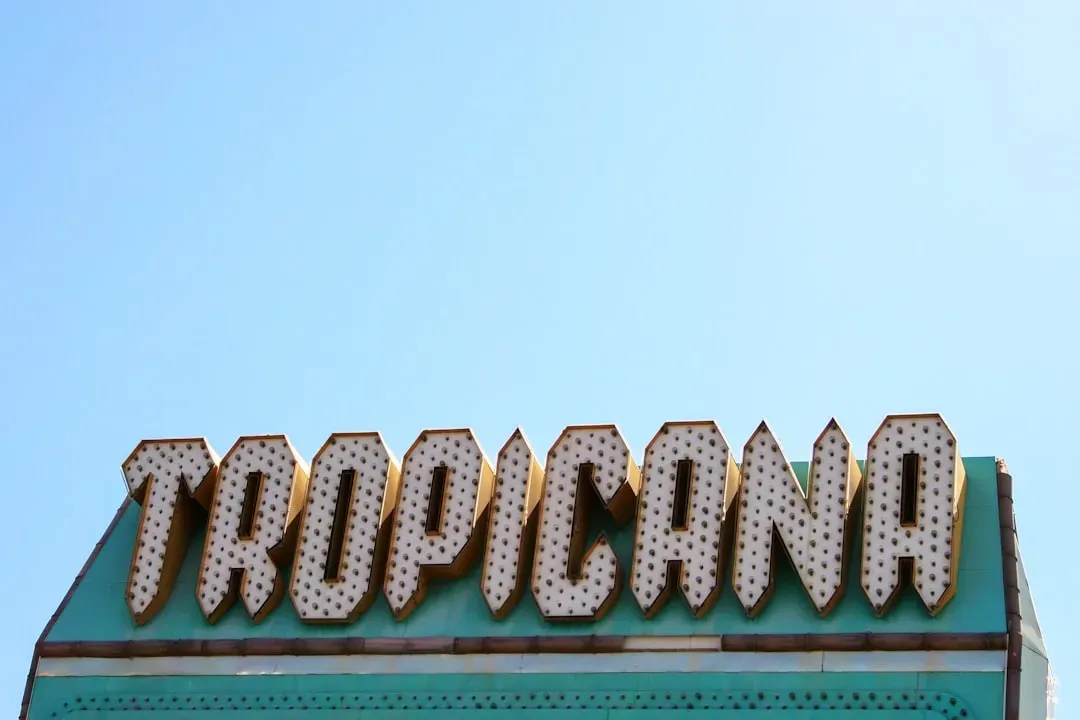
From its lavish opening in 1957 on a Las Vegas Boulevard surrounded by wide-open desert, to its sleepier years amid a boom in megaresorts, the Tropicana Las Vegas had been a familiar landmark home to colorful events in a city known for constant reinvention. Behind the scenes of the casino’s grand opening, the Tropicana had ties to the mob, largely through reputed mobster Frank Costello, according to Sin City historian Michael Green, who also serves on the board of The Mob Museum in downtown Las Vegas.
By the 1970s, federal authorities investigating mobsters in Kansas City charged more than a dozen operatives with conspiring to skim $2 million in gambling revenue from Las Vegas casinos, including the Tropicana. Charges connected to the Tropicana alone resulted in five convictions. The Tropicana’s original low-rise hotel wings survived the many renovations, making it the last true mob structure on the Strip.
Las Vegas said goodbye to one of its last mob-era landmarks, with the Tropicana reduced to rubble in a 22-second implosion, with towers crumbling in a celebration complete with fireworks, marking the city’s first major demolition in nearly a decade. Demolition was to make room for a $1.5 billion Major League Baseball stadium for the relocating Oakland Athletics, part of Las Vegas’ latest rebrand as a hub for sports entertainment. The mob era, literally, turned to dust on October 9, 2024.
The Sands, the Stardust, and the Dunes: Gone Without a Trace
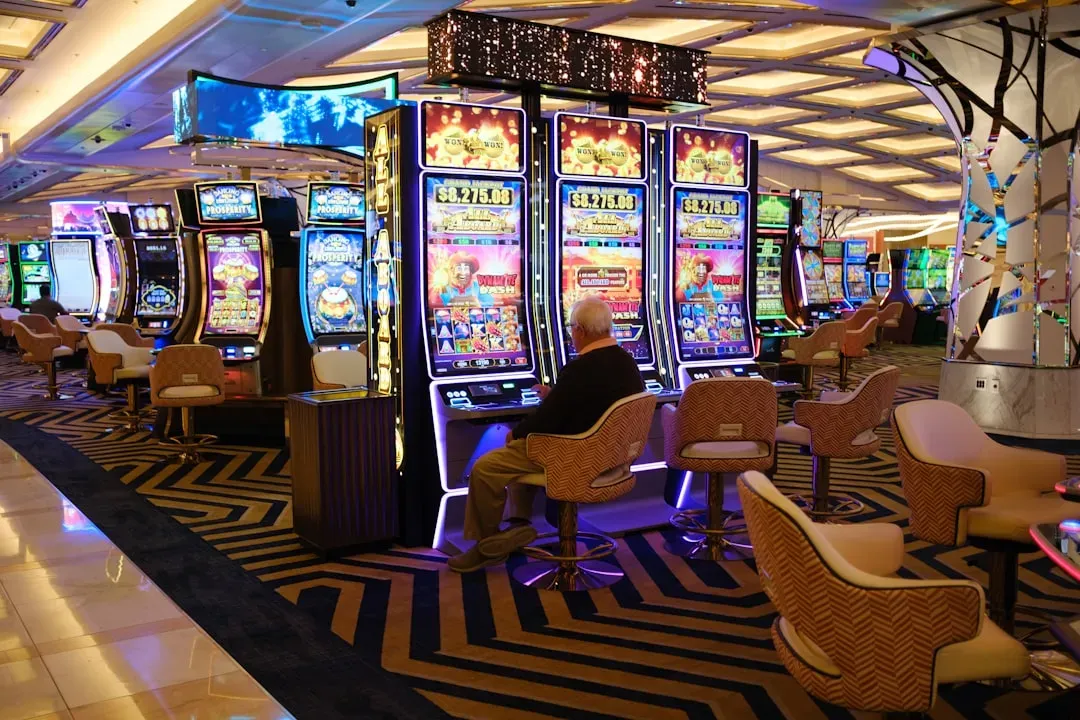
During the mob years, casinos along the Strip including the Dunes, New Frontier, Riviera, and the Sands slowly popped up thanks to money from organized crime and funds from investors. Allen Dorfman, a close associate of longtime Teamsters Union President Jimmy Hoffa and a known associate of the Chicago Outfit, took over the Teamsters Central States Pension Fund, which began lending money to Las Vegas casino owners and developers.
In the movie “Casino,” Robert De Niro and Sharon Stone portray characters based on the Rosenthals. The casino in the movie called the Tangiers is based on the Stardust, which has since been demolished. Most mob-era properties were demolished, with the Dunes, Sands, Desert Inn, and Stardust all gone by 2007. Walking past those addresses now, you’d never know the history buried beneath the concrete.
Other long-gone Las Vegas hotels include The New Frontier, The Stardust Resort and Casino, Castaways Hotel and Casino, Boardwalk Hotel and Casino, Bourbon Street Hotel and Casino, Desert Inn, El Rancho, Aladdin, Hacienda, Sands, Landmark, and The Dunes. That’s a staggering list, and it barely scratches the surface of what the city erased in its race toward reinvention.
The Mob’s Financial Machine: The Teamsters Pension Fund and the Skim

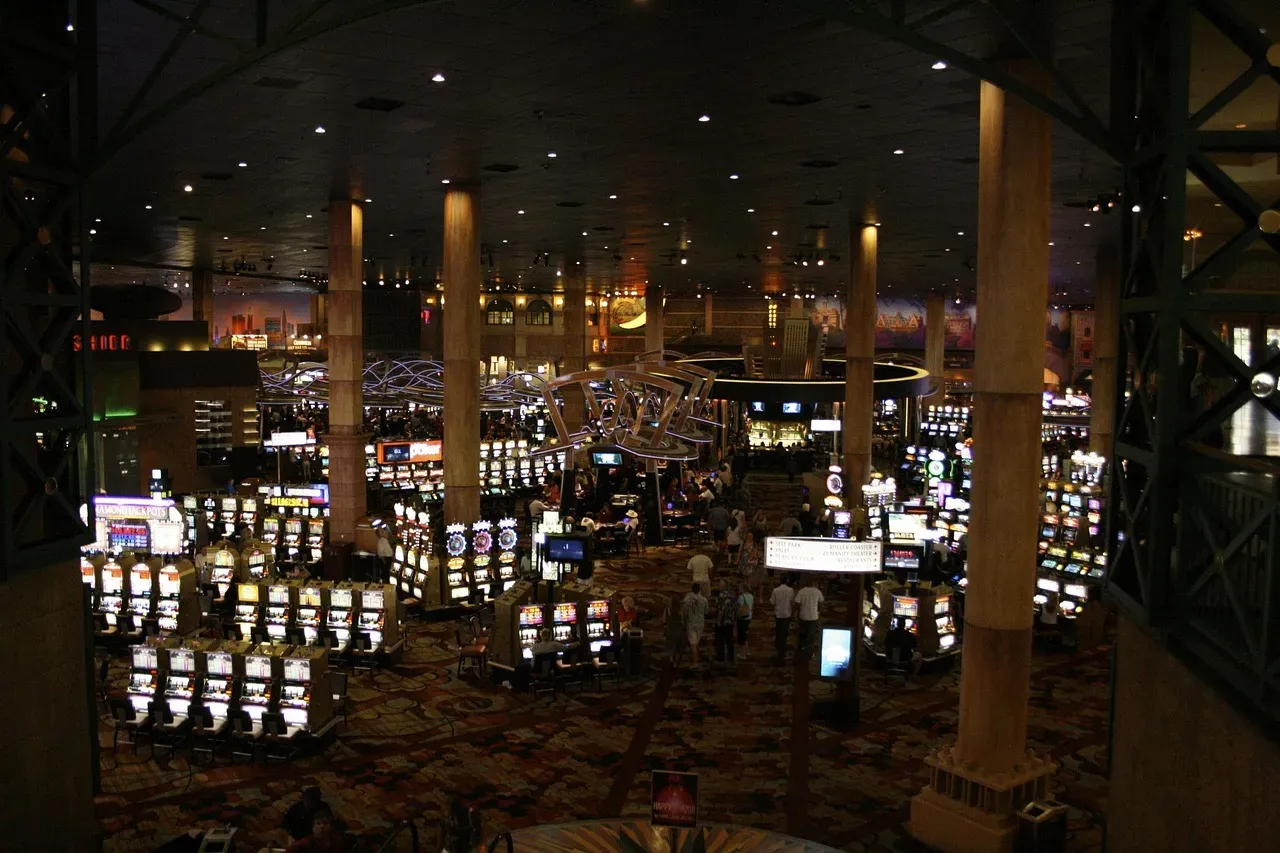
The main enforcers including Johnny Roselli, Marshall Caifano, and Tony Spilotro were from Chicago, which was taking a whopping 60% of the Vegas skim by 1958. Think about that number. Nearly two thirds of the untaxed cash flowing out of the counting rooms went straight to Chicago. Money skimmed from the Chicago Outfit’s casinos went first to Illinois and Missouri, including Chicago, St. Louis, and Kansas City, while late-coming families from Detroit and Cleveland also got a cut.
In its heyday from 1950 to the early 1980s, the mob controlled every Las Vegas Strip resort that was worth controlling, stealing untold millions of dollars in tax revenues. Moe Dalitz turned his attention to Las Vegas in the 1940s, leading a group of investors that included some of his Cleveland mob connections in financing completion of the $6.5 million Desert Inn, which equates to roughly $84.2 million in 2024 dollars.
Authorities discovered that tens of thousands of dollars in untaxed gambling revenue, the skim, unlawfully made its way monthly from Las Vegas casinos to the Civella crime family and other Mafia organizations in the Midwest. It was organized, systematic, and breathtakingly brazen. Like a company-wide embezzlement scheme, except the company was a casino and the consequences were often fatal.
The Kansas City Connection: Bugs in the Pizzeria
In reality, a surveillance bug was planted at a dinner table in a now-demolished Kansas City pizzeria, the Villa Capri. Hoping to learn about late-1970s warring mob factions, authorities instead uncovered a bombshell: Kansas City’s Civella crime family illegally controlled a money pipeline originating from inside the Las Vegas Strip’s Tropicana hotel-casino.
It was at the Marlo house in November 1978 that the Tropicana’s Carl Thomas, a then-respected member of the Las Vegas business community, explained to local mobsters how skimming operations worked inside Nevada casinos, even boasting about some of his skimming exploits. There were Kansas City operatives working at the Tropicana, the Stardust, as well as a number of other Las Vegas casinos.
As a result, mob operatives from Kansas City, Chicago, and elsewhere were imprisoned in later court convictions. The whole scheme unraveled not through brilliant detective work alone, but through a tiny microphone hidden in a restaurant booth. Sometimes history turns on the smallest things.
The Riviera: The First Skyscraper, the Last Implosion Before the Tropicana
The Riviera was the first skyscraper in the Las Vegas Valley, and the area’s tallest building until 1956. In its heyday, Liberace was paid $50,000 a week to perform there, while several other entertainers made their Vegas debut at the Riviera, including Orson Welles in 1956, Barbra Streisand in 1963, and Engelbert Humperdinck in 1969.
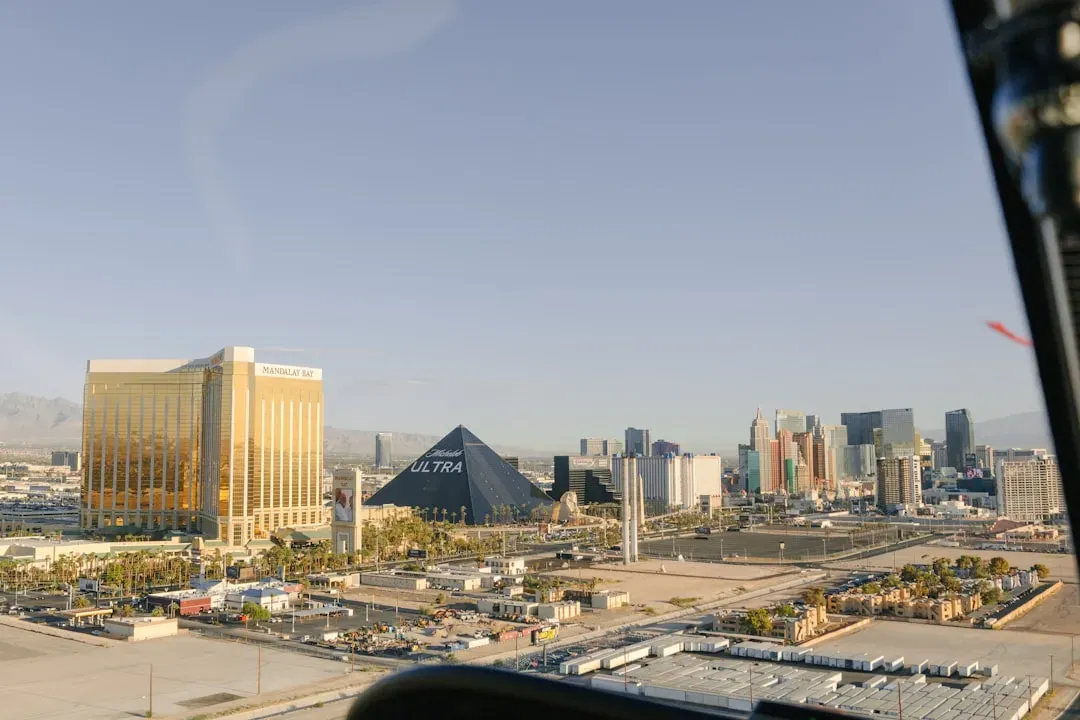
The Teamsters Central States Pension Fund provided funding to build the Sahara, the Sands, the Riviera, the Fremont, and finally the Tropicana, with three of the five, the Sands, Riviera and Tropicana, each demolished by 2024, to make room for other developments. The Las Vegas Convention and Visitors Authority purchased the 26-acre Riviera site in February 2015 at a cost of $191 million, with plans to expand the Las Vegas Convention Center, and the Riviera was imploded in 2016.
I think the Riviera’s death was particularly quiet compared to the spectacle made of the Tropicana. A convention center expansion. Not exactly a poetic ending for one of Vegas’s oldest mob-funded properties. Still, it’s gone, and another piece of old Las Vegas exists only in history books and archived photographs.
What Remains: El Cortez, Fremont Street, and Downtown Survivors

In downtown Las Vegas, some casinos once connected to the mob, such as the Fremont and El Cortez, still are in operation with original construction in place. Bugsy Siegel and his associates moved into gambling, taking over El Cortez in Downtown Las Vegas and expanding across the Strip. That makes the El Cortez, which opened in 1941, one of the most genuinely authentic surviving pieces of old Las Vegas history you can still walk into today.
Only a handful of pre-1970 properties still operate in any form: the Golden Gate from 1906, the Flamingo from 1946, the Golden Nugget from 1946, Caesars Palace from 1966, Circus Circus from 1968, and El Cortez from 1941. Everything else you see on the Strip was built after 1989. If you want authentic vintage Vegas atmosphere, the Golden Gate, El Cortez, or Circus Circus remain the last time capsules of the mob era.
With the Tropicana demolished, only a few resorts remain on the Strip once linked to the mob but with original construction still intact, including Circus Circus, Slots-A-Fun, and Caesars Palace. It’s a short list. Shorter every year.
The Mob Museum: Where the History Lives Now

Let’s be real, the most comprehensive mob hangout still standing in Las Vegas isn’t a casino at all. The Mob Museum, officially the National Museum of Organized Crime and Law Enforcement, is a history museum located in Downtown Las Vegas. Opened on February 14, 2012, it is dedicated to featuring the artifacts, stories, and history of organized crime in the United States. The museum is housed in the former Las Vegas Post Office and Courthouse, built in 1933 and listed on the National Register of Historic Places.
Since opening in 2012, The Mob Museum has welcomed more than 4 million visitors, drawn by its compelling blend of immersive storytelling, interactive exhibits and historical authenticity. A visitor can sit in a replica electric chair, listen to actual wire taps, train in a use of force training simulator, and explore an interactive crime lab exhibit related to forensic science.
The Mob Museum has accumulated numerous accolades, including being named one of Tripadvisor’s “Top 25 U.S. Museums” and a 2025, 2024, and 2023 “Travelers’ Choice” Award recipient, as well as one of U.S. News & World Report’s “Best Museums in the U.S.” In April 2018, the museum opened a fully operational speakeasy and distillery in their basement exhibit called The Underground, featuring exhibits related to the cultural history of the Prohibition era. It’s easily one of the most compelling museums in the entire American West, and I mean that without any hesitation.
How Corporate America Ended the Mob’s Vegas Reign
Federal prosecutions in the 1960s through 1980s, Nevada licensing reforms, and corporate consolidation of casinos pushed mob ownership out of mainstream casino operations. By the 1990s, most major casino owners were public corporations or legitimate investors. The arrival of Howard Hughes in 1966 did much to offset mob influence and helped turn Las Vegas into more of a family tourist center.
The government also passed laws and regulations that made it harder for the mob to operate and launder money in Las Vegas, such as the Racketeer Influenced and Corrupt Organizations Act, known as RICO, and the Corporate Gaming Act. The mob also faced competition from legitimate corporations and investors who bought out and renovated the casinos, and by the mid-1980s, the mob’s presence and power in Las Vegas had declined significantly, with many of the mobsters either killed, arrested, or forced out of the city.
When casino developer Steve Wynn opened the Mirage in 1989, it was the first new resort built on the Strip in 16 years. The gleaming resort’s golden, Y-shaped design helped reverse a slump in tourism, and the year after the Mirage first opened, tourism increased by 16%, described as one of the largest year-over-year increases in the city’s history as of 2024. The new Vegas had arrived, and it didn’t need the mob to sell itself.
What’s Left of “Old Vegas” in 2026 and Why It Still Draws Crowds

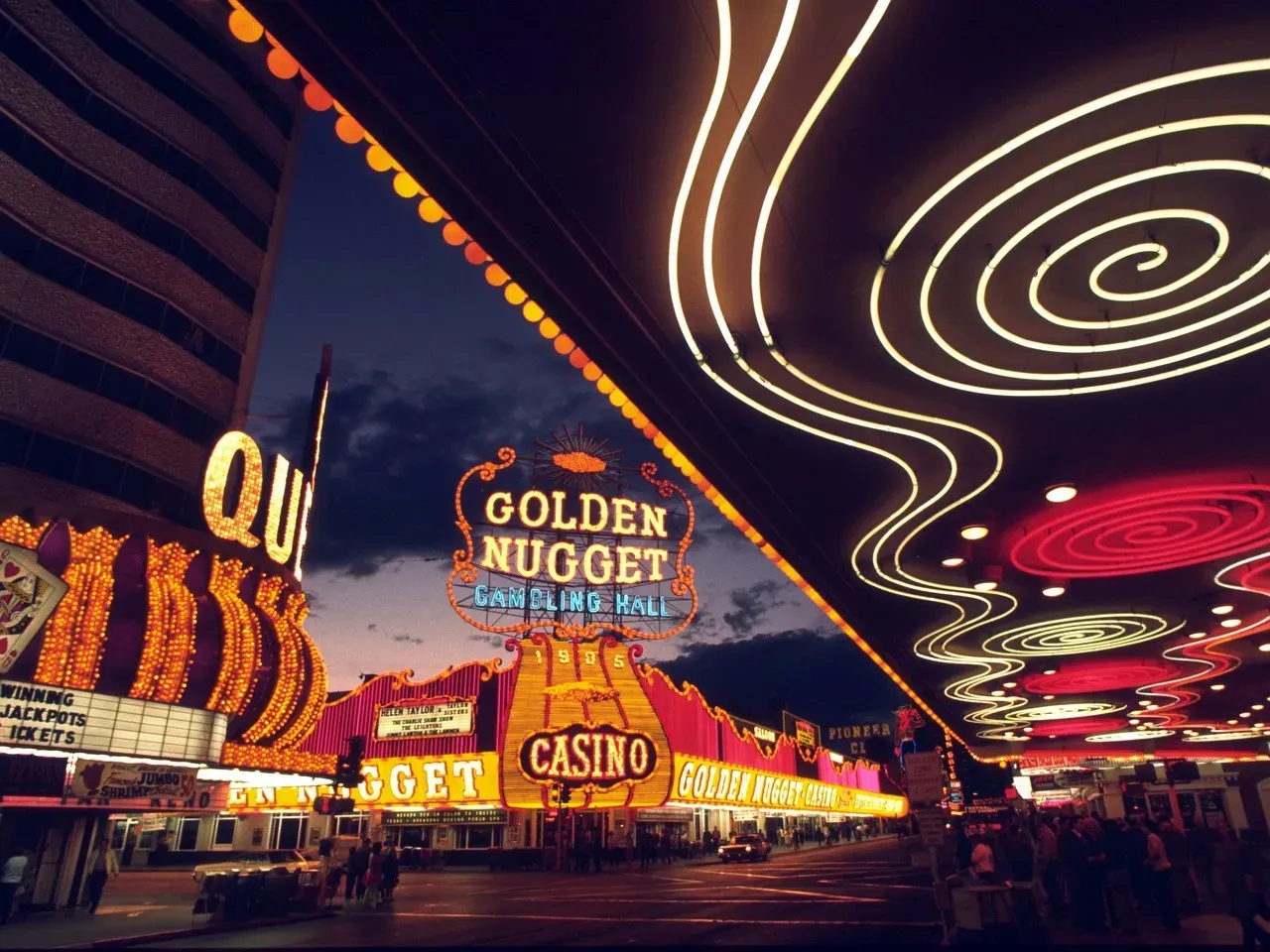
The Mafia’s early investment in Las Vegas left a lasting impact on the city’s culture. Despite a diminished presence today, early Mafia-funded resorts like the Flamingo and the Sands in the 1940s and 1950s shaped the city’s architectural landscape and entertainment standards. Depictions in the media also immortalized this Mafia-influenced era, adding to the city’s allure.
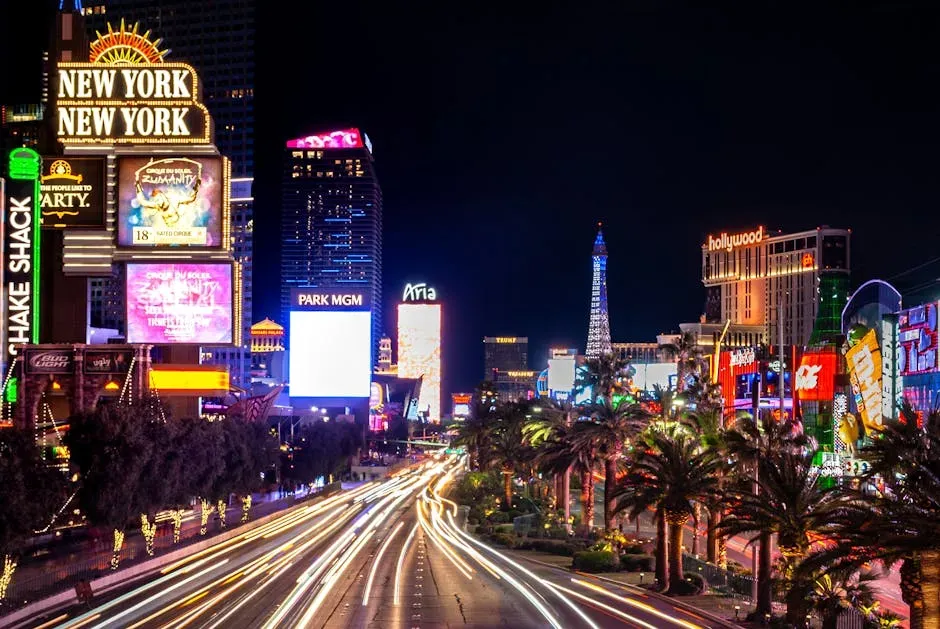
With the Tropicana demolished, that leaves only the Flamingo from the city’s mob era on the Strip, but the Flamingo’s original structures are long gone, having been completely rebuilt in the 1990s. A year after the Fremont Street project completed in 1995, the city established the Neon Museum to preserve its historic neon signage. Salvaging the signs when the buildings themselves couldn’t be saved is a very Las Vegas solution to the problem of preservation.
Two of Downtown Las Vegas’ most iconic attractions, Fremont Street Experience and The Mob Museum, have officially joined forces to deliver an unforgettable experience for visitors, with guests now able to purchase a ticket bundle offering a 20% discount combining both experiences. Old Vegas has been repackaged into a tourism product. It’s hard to say for sure whether that’s a tragedy or just the natural evolution of a city that has always reinvented itself on its own terms. What do you think? Would you have guessed that the Tropicana, the last true mob building on the Strip, came down in just 22 seconds in October 2024?