You’ve probably seen it in old movies or heard stories about the glittering Vegas of yesteryear. The place where neon ruled the skyline and every sign told a bigger, bolder story than the last. Most of those landmarks are long gone, imploded into dust or torn down for something newer and shinier. Yet their signs survived.
The Neon Museum in Las Vegas features signs from old casinos and other businesses displayed outdoors on roughly 2.27 acres. Walking through the Neon Boneyard is like stepping into Vegas history itself. These massive pieces of illuminated artwork once beckoned millions to pull up and try their luck. Now they rest here, silent but not forgotten.
The Stardust Letters: A Space-Age Icon Returns to Life
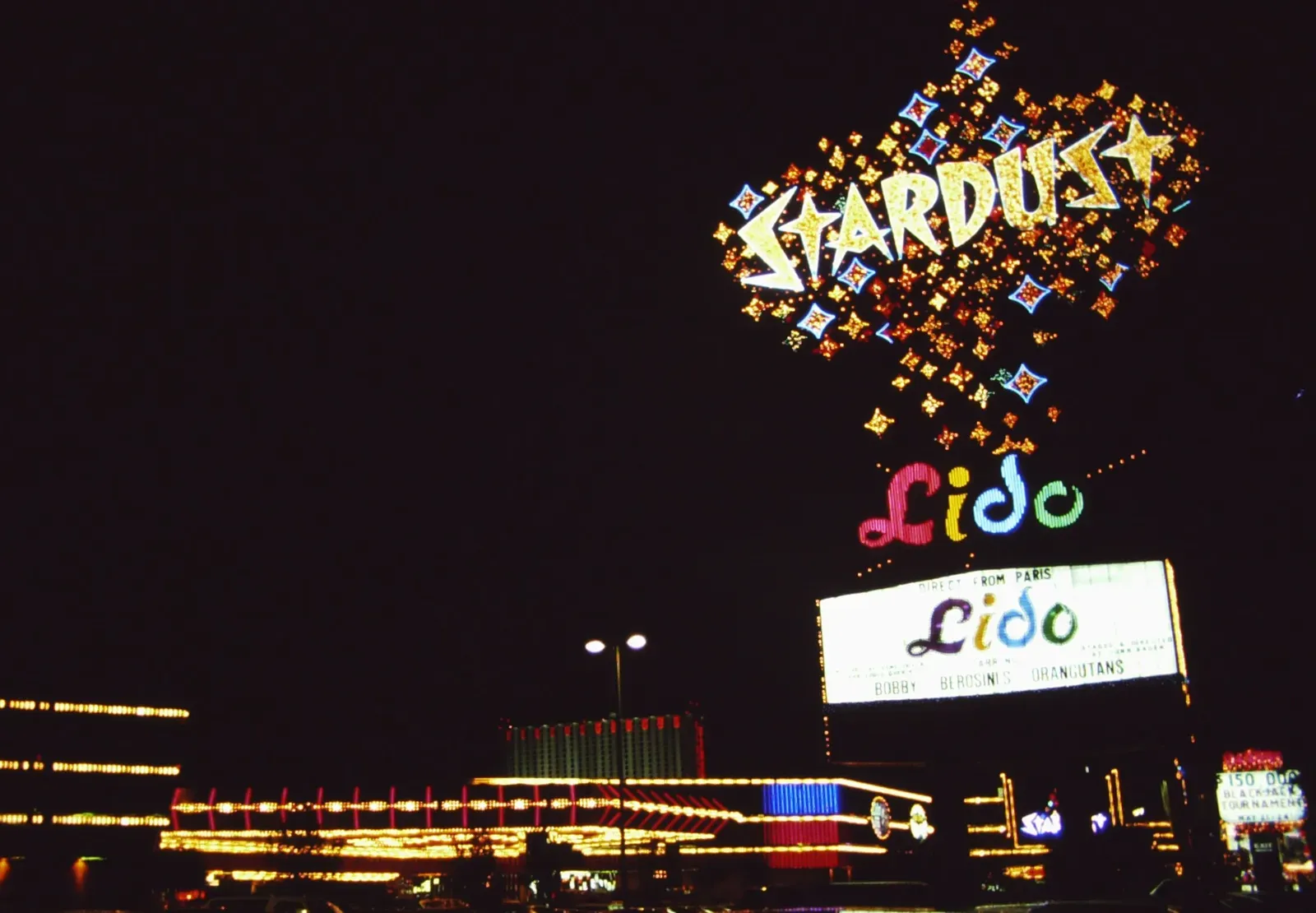
Let’s be real, the Stardust sign is the star of the show. Once called the “Queen of the Strip,” the massive sign measured 188 feet tall and 90 feet wide. First installed in 1968 and designed by Paul Miller, it captured the atomic age zeitgeist perfectly. This wasn’t just advertising. It was a monument.
The Stardust roadside sign was dismantled in February 2007, and the original lettering was given to the Neon Museum. The monumental Stardust letters have been re-lamped and are now illuminated daily, containing over 1,100 light bulbs. The original lettering was eventually refurbished in 2020. Honestly, seeing those massive letters glowing again feels like a resurrection.
The Moulin Rouge: A Civil Rights Landmark Preserved in Pink Neon
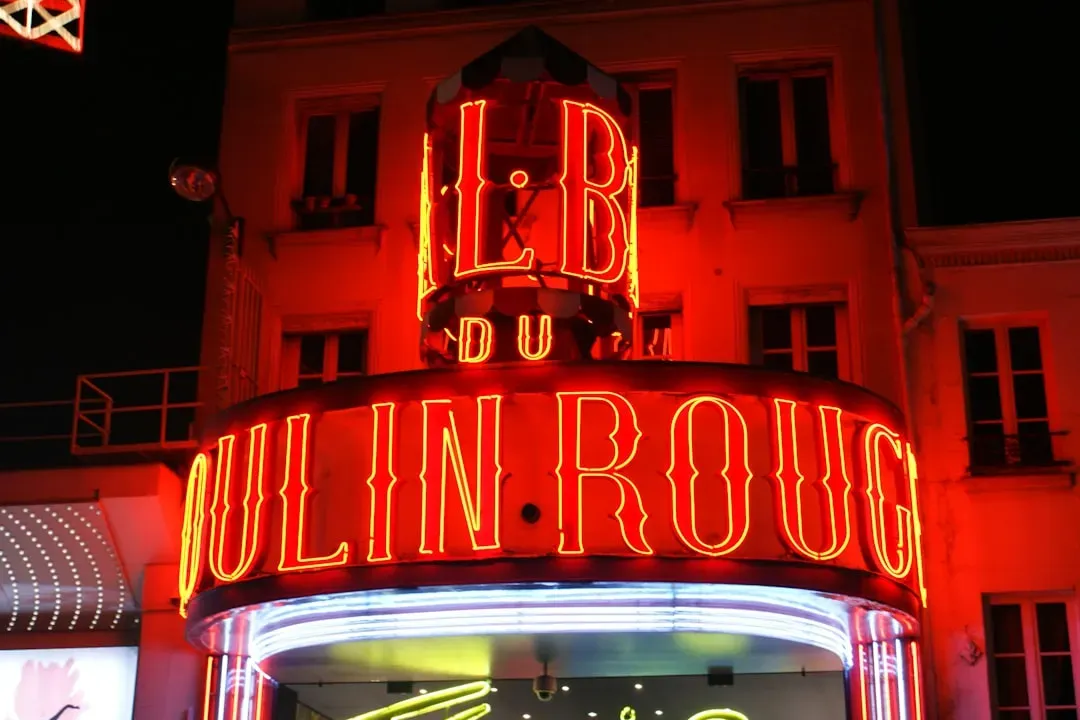
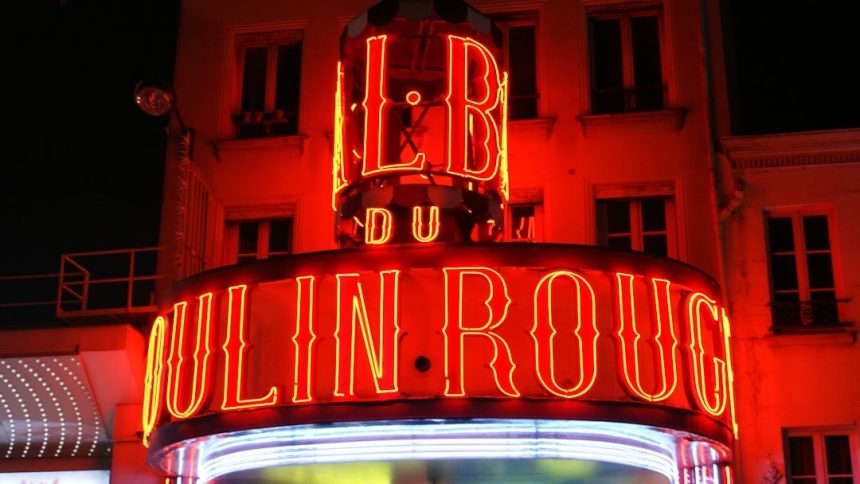
The Moulin Rouge opened in 1955 as the first integrated hotel and casino in Las Vegas. In the 1950s, segregation was so prevalent in Las Vegas, the city was called the Mississippi of the West, and African Americans couldn’t stay, gamble or attend shows in the hotels on the Strip, even legendary artists like Sammy Davis Jr. could perform but couldn’t stay. That makes this sign more than just pretty neon.
Betty Willis, who also designed the Welcome to Fabulous Las Vegas sign in 1959, designed the Moulin Rouge signage, spending time studying French-style lettering and drawing the sign by hand. The monumental Moulin Rouge letters have been rearranged and re-illuminated to accurately portray how the sign was originally displayed in 1955, with the signage re-illuminated during a lighting ceremony on September 16, 2020. To re-lamp the 11 letters, Hartlauer Signs used more than 832 feet of neon tubing, with neon gas and phosphorous blue glass used to give the neon its iconic, fluorescent pink color.
The Riviera: High-Rise Glamour from the Rat Pack Era
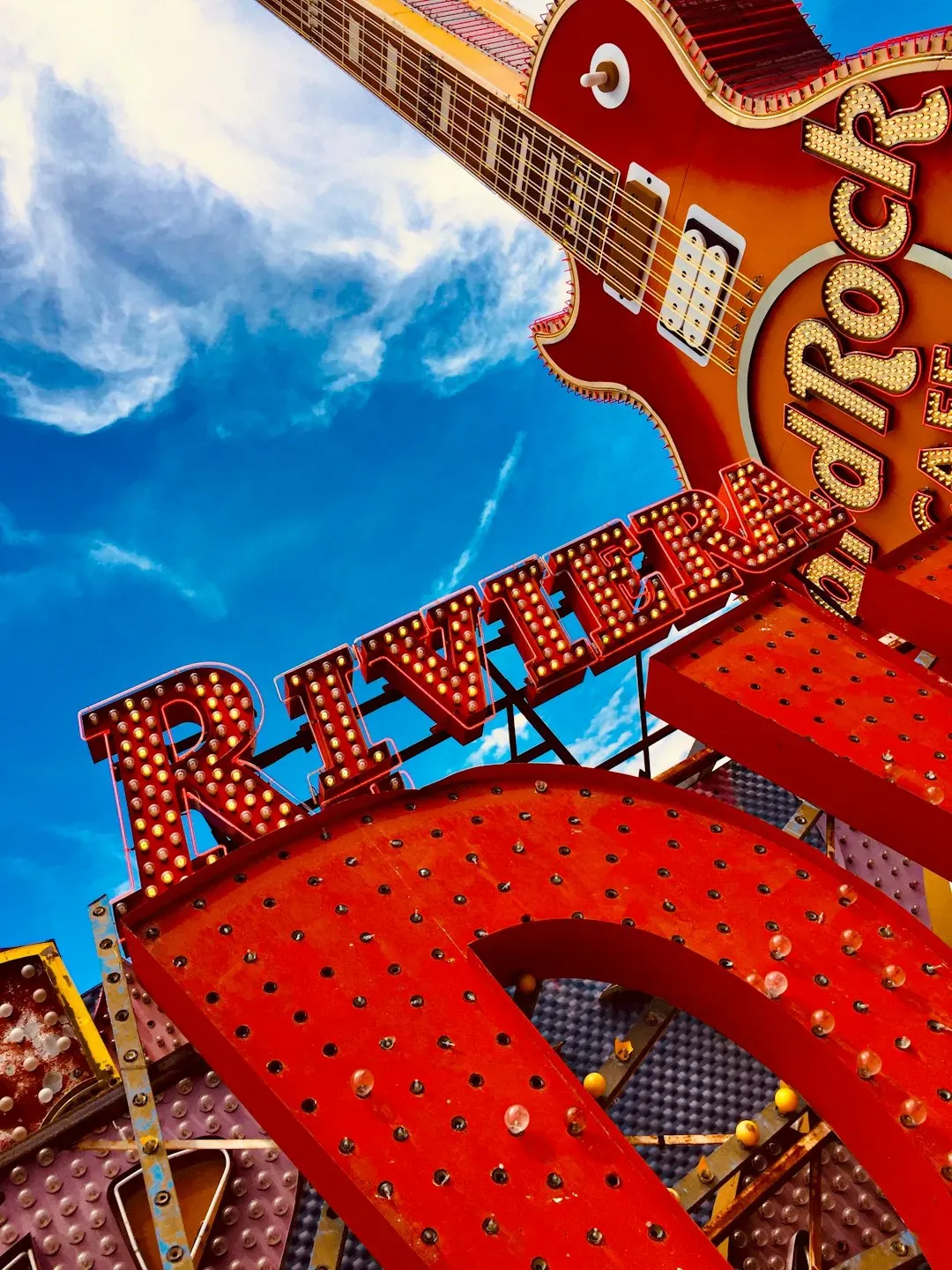
I think the Riviera deserves more recognition than it gets. The Riviera opened in April 1955 as the first high-rise on the Las Vegas Strip. Now permanently closed, the Riv operated from April 1955 to May 2015, with Liberace playing on opening night and headlining for many years, while Dean Martin often performed and even owned a stake in the business. Its elegant sign spoke to the opulence and high stakes that defined that golden era of Vegas.
The Neon Boneyard contains more than 250 unrestored signs which are illuminated with ground lighting as well as 28 restored signs which are on all the time, with the Riviera being one of two received in working condition. That’s a rare distinction. The sheer size and classic design of the Riviera’s neon lettering make it instantly recognizable even today.
The Hard Rock Café Guitar: Rock and Roll Towering Over the Boneyard
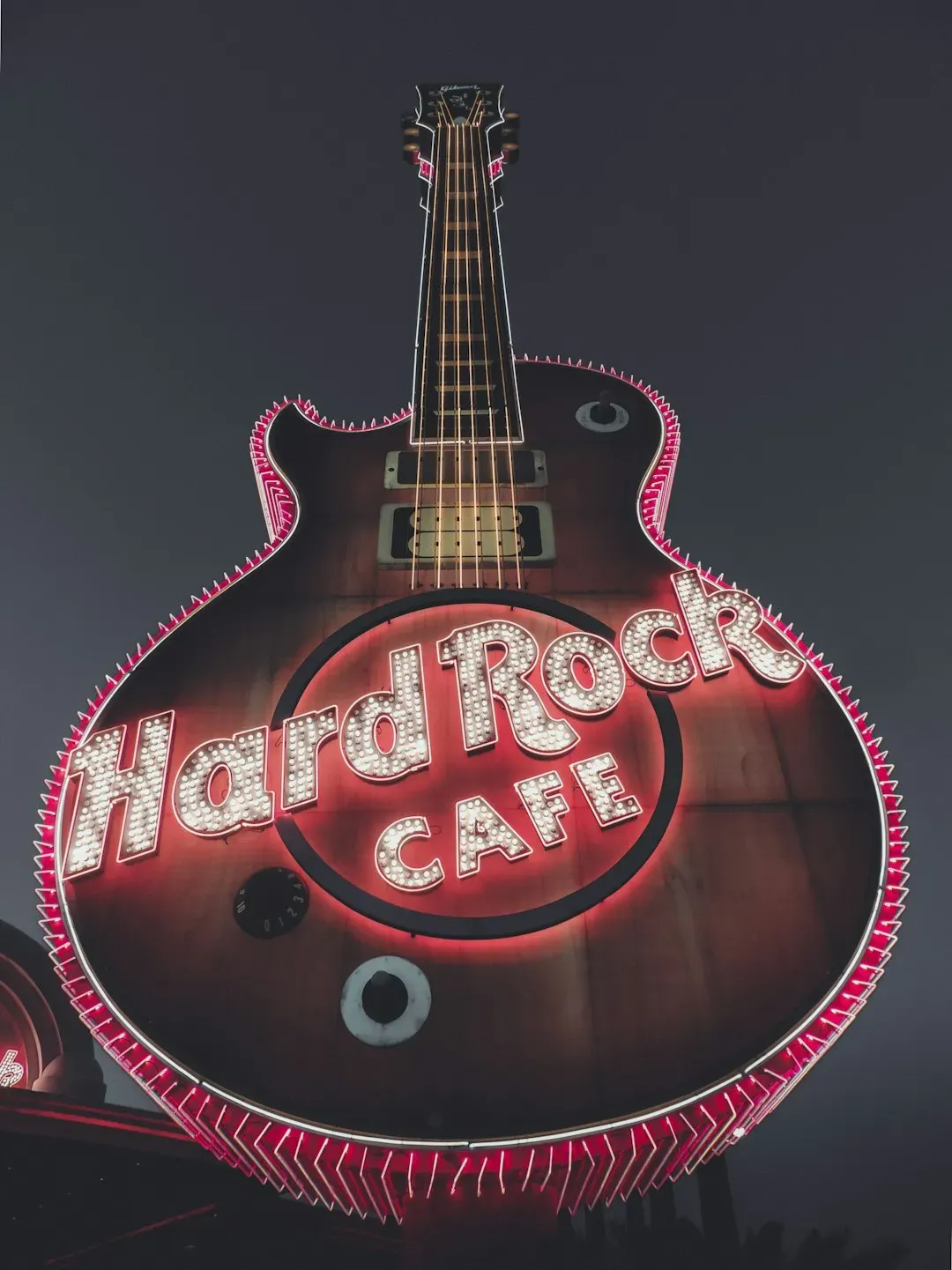
You can’t miss this one even if you tried. The Hard Rock Hotel’s giant neon guitar sign was a staple of the Las Vegas skyline from its installation in 1990 until it was taken down in 2019, standing at 82 feet tall and modeled after Pete Townsend’s Cherry Sunburst no.9 Gibson Les Paul guitar. The iconic guitar sign was preserved and donated to the Neon Museum, where it’s on display in the Neon Boneyard.
The Hard Rock Café guitar is the largest restored sign at The Neon Museum, with donors from around the world contributing toward the $350,000 goal to cover the cost of the restoration and installation and to establish a fund for regular maintenance. Standing beneath it gives you a sense of scale that Vegas always understood. Go big or don’t bother.
The Lido de Paris Sign: Showgirl Glamour Captured Forever
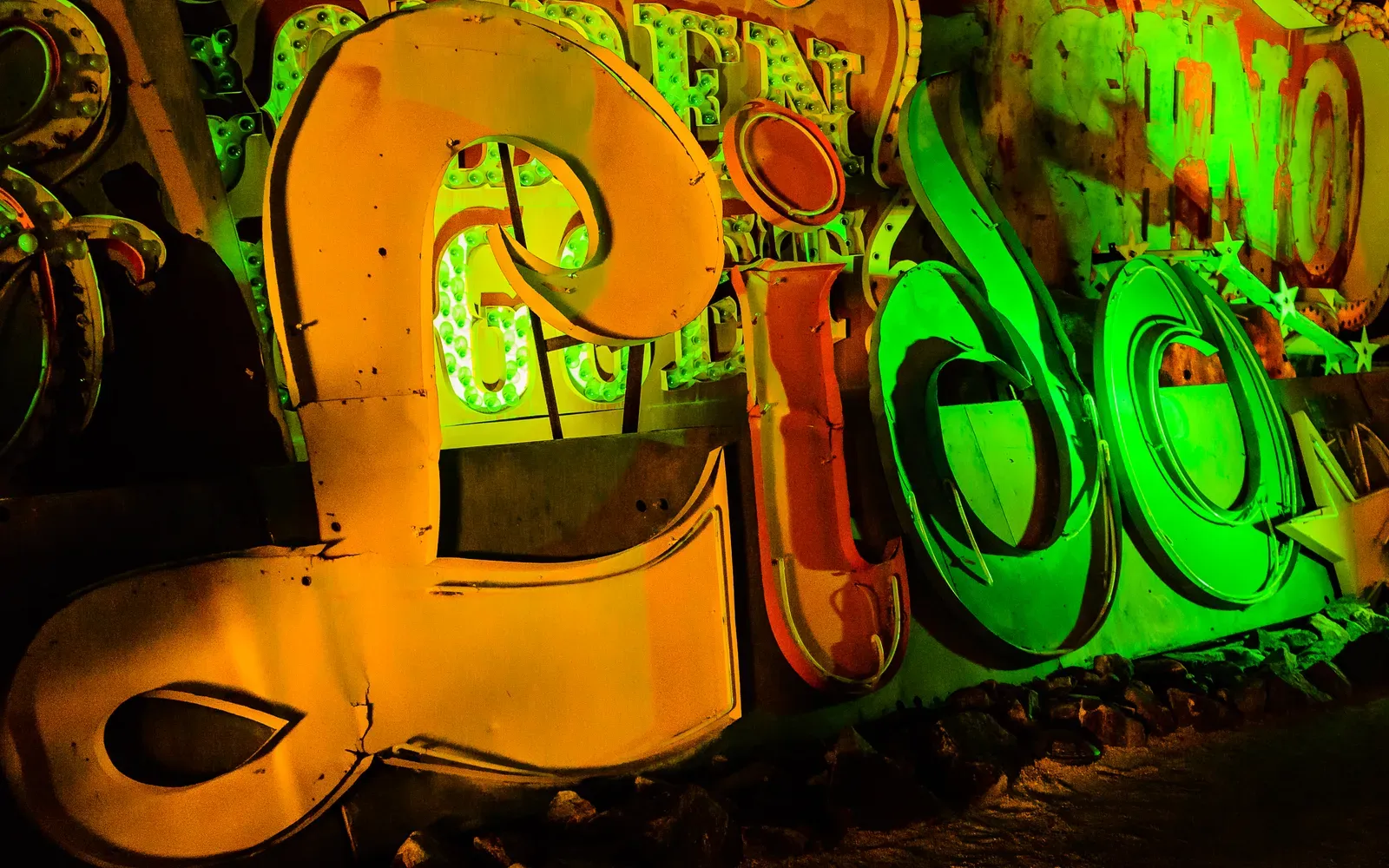
Lido de Paris was the iconic show that first appeared at the Stardust on the resort’s opening day in 1958, beginning a 32-year run that helped solidify the showgirl as a symbol of Las Vegas culture. Choreographer Donn Arden first imported French dancers to star in the show, which helped bring a bit of Paris to Las Vegas. The show was everything Vegas aspired to be: lavish, exotic, slightly scandalous.
A 56-foot-wide sign, for the property’s Lido de Paris show, was acquired by the museum and added to its tour in 2023. The elegant script and sophisticated design recall an era when Vegas entertainment meant international spectacle and sophisticated productions that drew audiences from around the globe. Here’s the thing: these signs aren’t just metal and glass. They’re physical memories of a city that constantly erases itself.
Conclusion
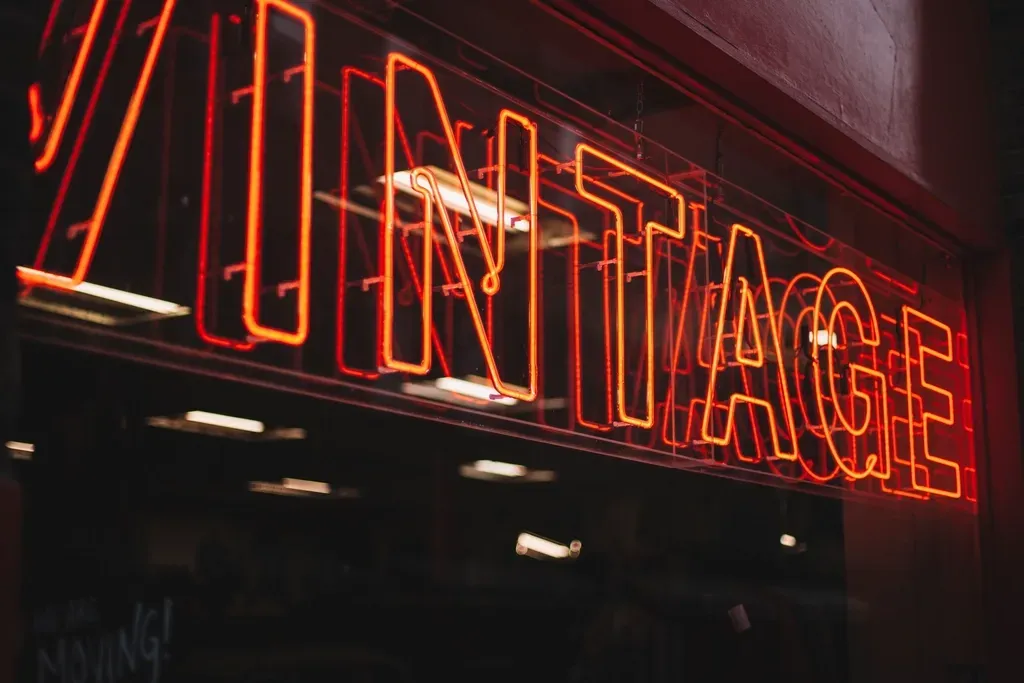
The Neon Museum does more than preserve old signs. It safeguards the stories behind them. The museum and its 2.27-acre campus shows visitors how neon has powered Vegas for decades. Every piece represents someone’s dream, their gamble on making it big in the desert.
Vegas might be famous for tearing down its past, but these signs prove some things are worth keeping. Next time you’re in town, skip the endless slot machines for an hour and wander through the Boneyard. You’ll see Vegas not as it is now, but as it was when neon ruled the night. What’s your favorite vintage Vegas sign?