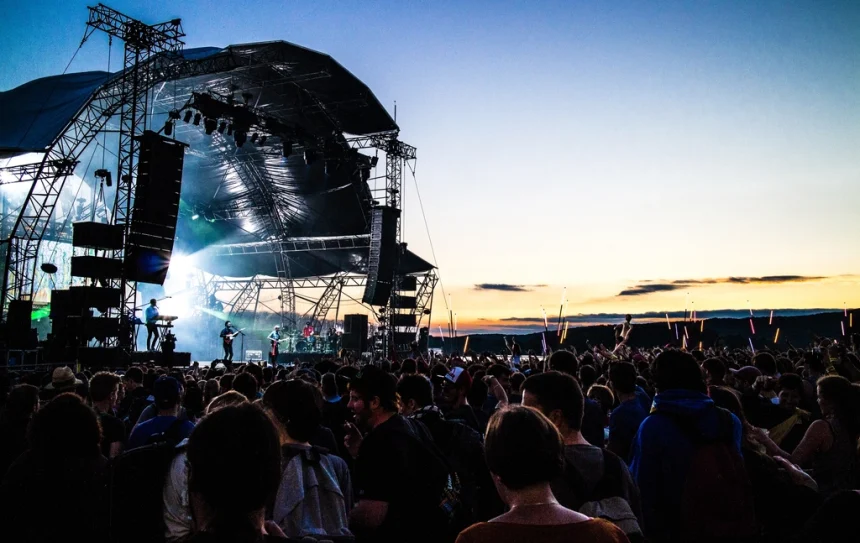
A studio album is a controlled thing, with retakes, overdubs and a producer in the room. A live album has none of that cushion. It’s a single night, a single crowd, and whatever the band managed to pull off before the tape ran out.
That’s why the debate never settles. Some records win on raw energy, others on historical weight, and a few on pure commercial force. Here are seven that keep turning up in the argument.
James Brown, Live at the Apollo
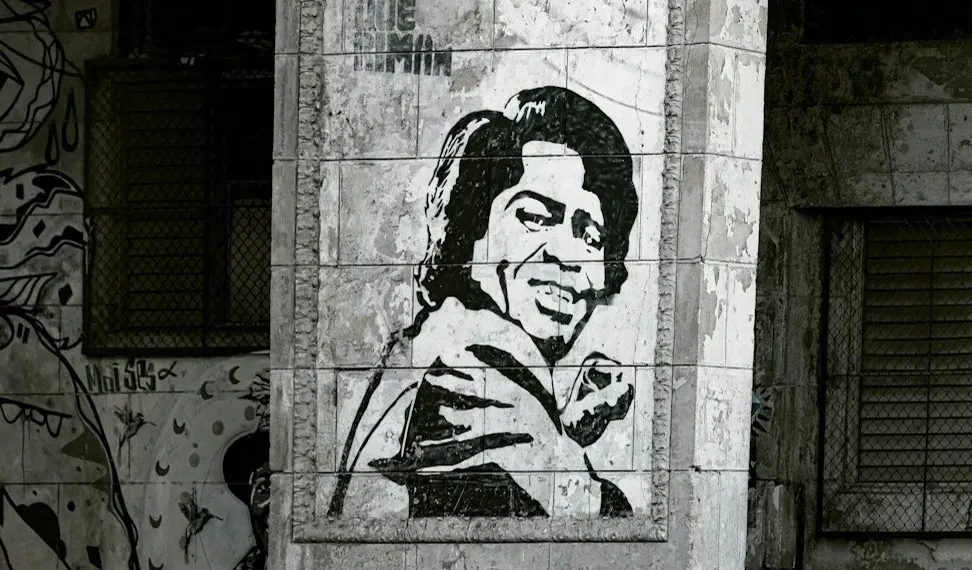
This one was recorded in October 1962 at the Apollo Theater in Harlem and released the following year. Brown reportedly paid for the recording himself because his label doubted a live record would sell. The album ran only about half an hour, which suited the pace of the show.
It peaked at number two on the Billboard 200, which was remarkable for an R&B act at the time. The Library of Congress added it to the National Recording Registry in 2004. For many listeners, it set the template for what a live record could capture.
Johnny Cash, At Folsom Prison
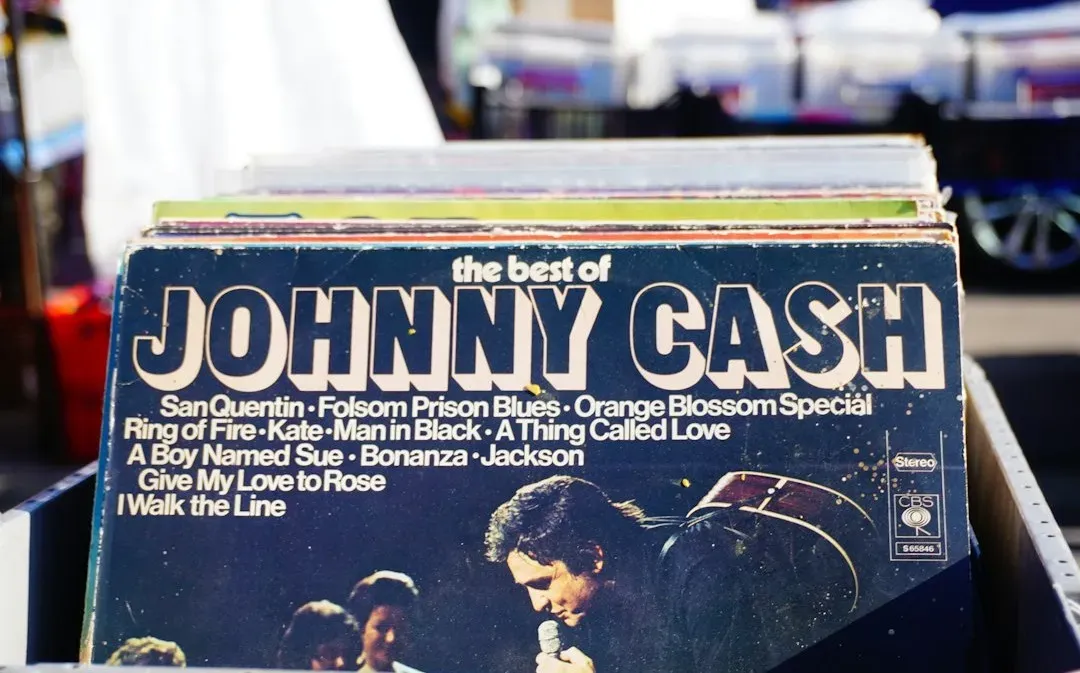
Cash recorded this album on January 13, 1968, with two shows played for inmates at Folsom State Prison in California. The audience reactions are part of the record, from the cheers to the sudden hush. You can hear a room that’s fully engaged.
Columbia released it in May 1968, and it reached the top of the country albums chart. It also helped revive a career that had been stalling. Few live albums feel so tied to their location.
The Who, Live at Leeds

The Who recorded Live at Leeds on February 14, 1970, at the University of Leeds. The original release was short, just six tracks, and it was stripped down and loud. Many fans treat it as the benchmark for a hard rock live record.
Later reissues added much more of the show, including the complete performance of the rock opera Tommy. Those expanded editions let listeners hear the whole night rather than the trimmed version. Even so, the lean original remains the one people argue about.
Peter Frampton, Frampton Comes Alive!
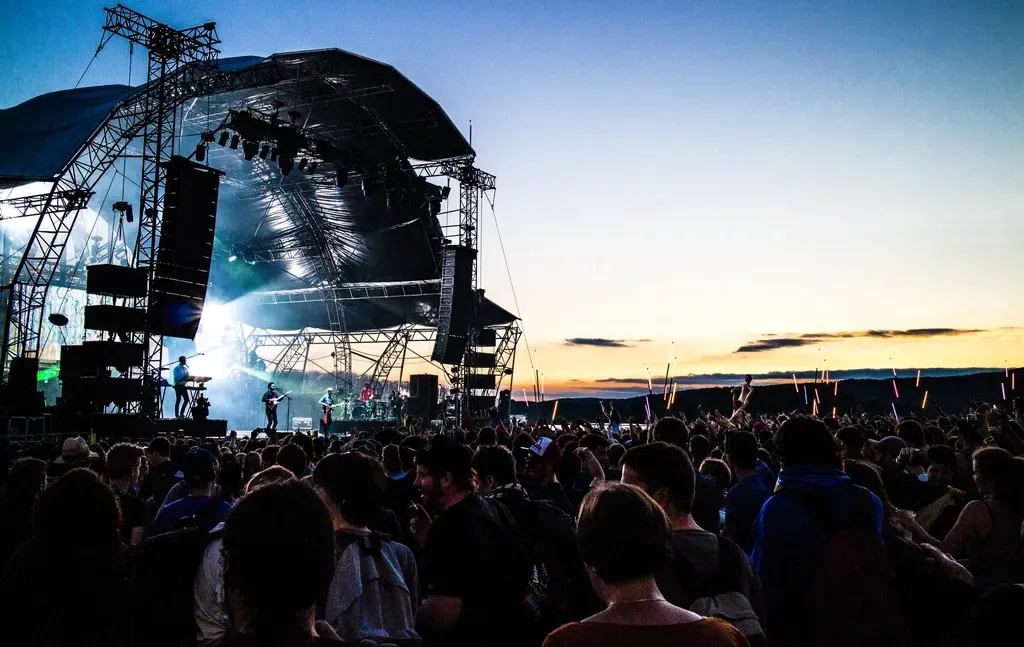
If the measure is sales, this record has a strong claim. Released in 1976, it was assembled from shows recorded the year before. It spent many weeks at number one in the United States and was the top seller of its year.
It also made the talk box guitar effect famous with a mass audience. Critics have often been less generous than record buyers. Still, few live albums have connected with so many people at once.
Sam Cooke, Live at the Harlem Square Club, 1963
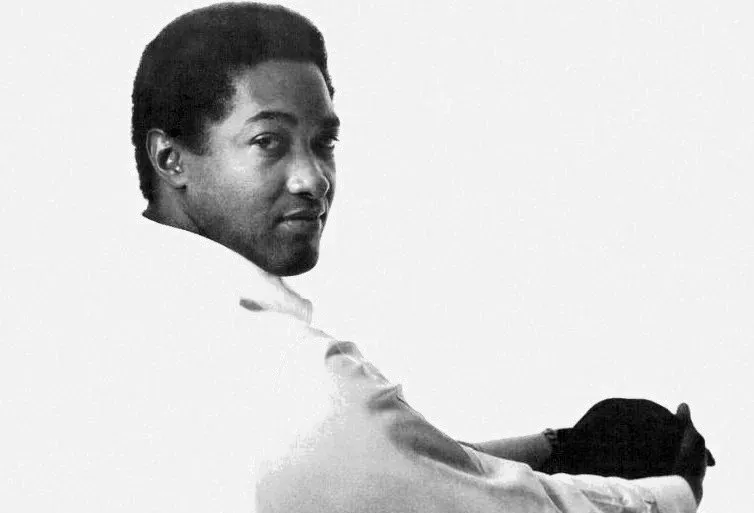
Cooke played this Miami club on January 12, 1963, and the performance is loose, loud and gritty. It sounds nothing like his polished pop singles. RCA shelved the tape, apparently worried it would clash with his smoother image.
The album wasn’t released until 1985, more than two decades after the show. When it finally appeared, many listeners heard a different side of one of soul music’s most important voices. Its late discovery is part of its appeal.
Talking Heads, Stop Making Sense
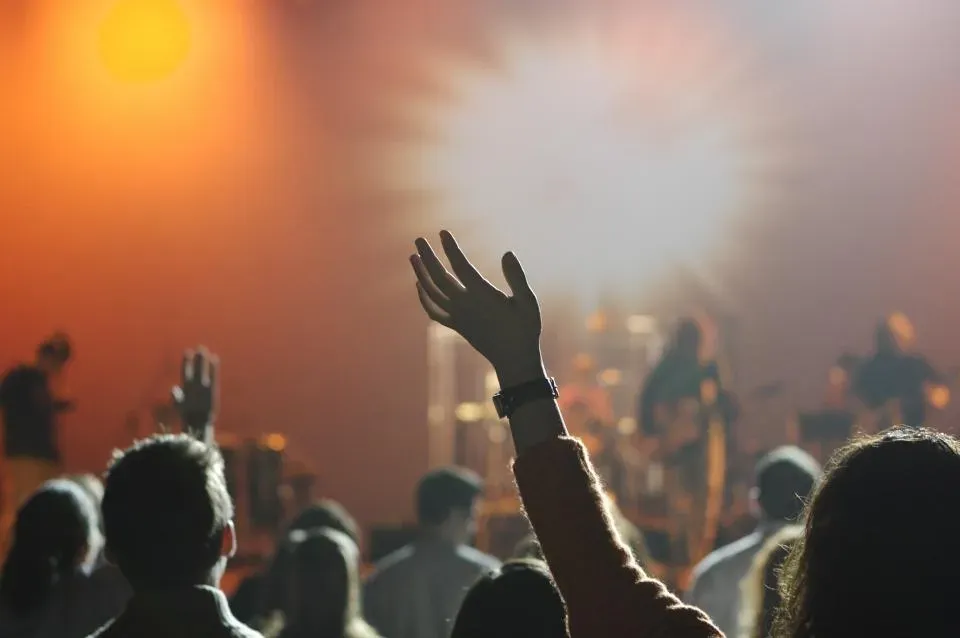
This album accompanies the concert film directed by Jonathan Demme, which was shot at the Pantages Theatre in Hollywood in December 1983. The show builds slowly, starting with one man and a boombox and adding musicians song by song. That structure carries over to the record.
The film returned to theaters in 2023 in a restored version distributed by A24, which introduced the music to a newer audience. It’s a rare case where the staging is as famous as the songs. The album works as a document of a band at its sharpest.
Nirvana, MTV Unplugged in New York
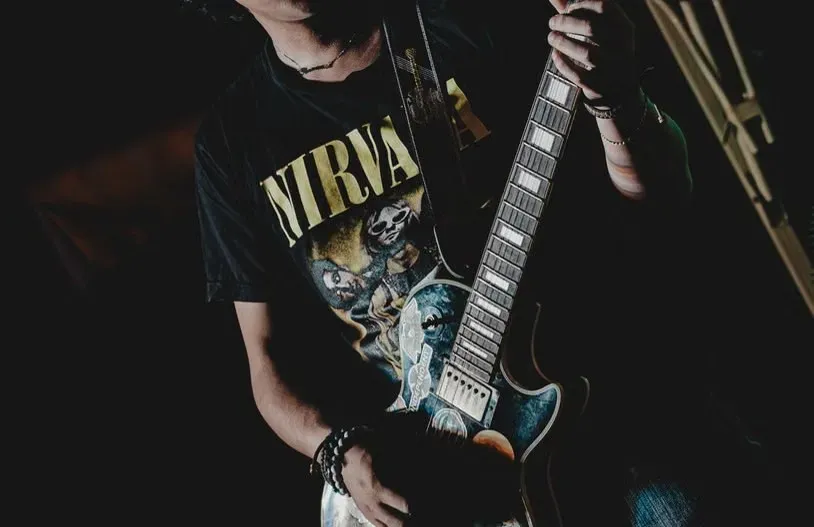
Nirvana taped this set on November 18, 1993, in a hushed, candlelit studio. The band swapped distortion for acoustic guitars and chose several covers alongside their own songs. The mood is quiet and somewhat haunted.
The album came out in November 1994, months after Kurt Cobain’s death in April of that year. It reached number one on the Billboard 200 and won a Grammy for Best Alternative Music Performance. For many, it’s both a great live record and a final statement.
Where the Contenders Stand
Brown, Cash, The Who, Frampton, Cooke, Talking Heads and Nirvana each earn their place for different reasons. The case rests on whether you value influence, sales, atmosphere or sheer performance. No single measure settles it, and each of these records answers a different one.